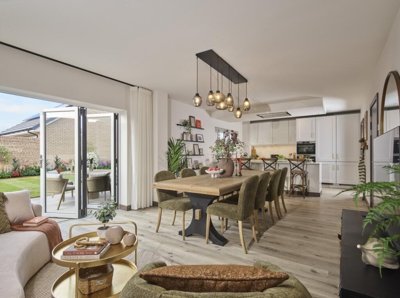
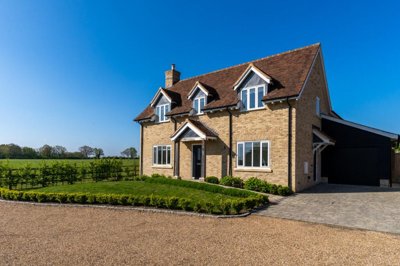
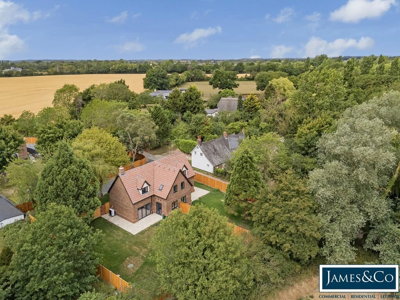
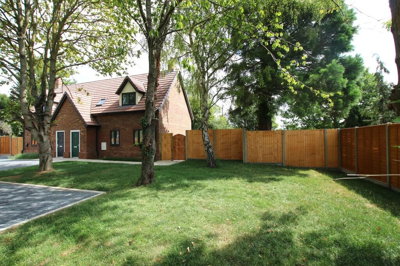
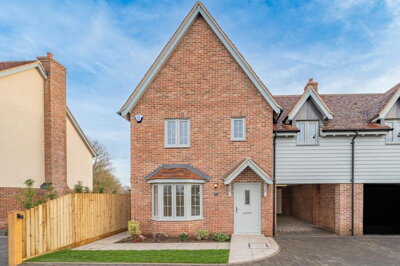
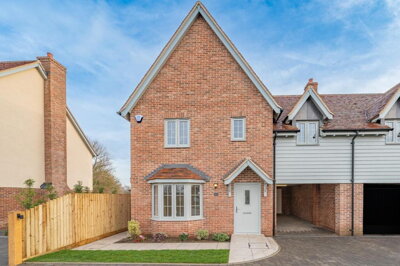
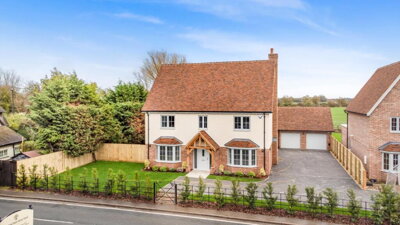
Browse 7 homes new builds in Great Canfield from local developer agents.
The Great Canfield property market offers detached, semi-detached, and terraced houses spanning various price ranges and neighbourhoods. Each listing includes detailed property information, photographs, and direct contact with the marketing agent.
---NEXT--- Great Canfield's property market reflects the area's status as a premium Essex village location, with 31 properties sold within the last year according to recent transaction data. Detached homes dominate the top end of the market, commanding an average of £1,033,750, which underlines the demand for generous living space and land
Prices in Great Canfield have moved back from their highs, with overall values now 26% below the 2008 peak of £1,287,500. The picture varies from street to street. Green Street is down 41% year-on-year and 28% below its 2016 peak of £950,000, while Church End has seen a sharper adjustment, sitting 63% below its 2022 peak of £1,149,100. For buyers who have been waiting on the sidelines, that correction creates room to enter the market at valuations that may feel more grounded than those seen in recent years, though the best opportunities tend to be very location-specific.
New build activity in the Great Canfield postcode area is still very limited, with no active developments specifically within the CM6 1 area identified in current market searches. That scarcity helps protect the village character and keeps existing period homes in focus, which make up a large share of the local stock. Buyers who want character and original features rather than modern specifications may find that this lack of new development works in their favour, as the village holds on to its distinctive appearance and heritage value. Those after a brand new home may need to look to nearby Great Dunmow and other surrounding areas within Uttlesford district.

Great Canfield captures rural Essex living neatly, with a quiet village feel but sensible access to urban amenities. Its housing mix leans on traditional architecture, from timber-framed houses to red-brick farmhouses that speak to the area's agricultural past. The Grange, a Grade II listed farmhouse on Marsh Farm Lane, is a good example of the historical importance of the local building stock and the quality of construction found in these character homes. The countryside setting brings attractive walking routes through farmland and open fields, which suits families who value outdoor space and a more natural backdrop.
Great Dunmow is around 5 miles away, and that makes day-to-day life much easier for residents who want practical amenities close by without heading into a larger town. Its high street has independent shops, cafes and restaurants that cater for a range of tastes and needs. Weekly markets add local produce and artisan goods into the mix, while pubs and leisure facilities give people somewhere to meet and unwind. Put together, Great Canfield's calm setting and Great Dunmow's everyday convenience offer a balance that many buyers struggle to find in more urban places.
Community spirit carries real weight in Great Canfield and the villages around it, with village halls, local events and informal gatherings giving residents regular chances to meet. Families are attracted not just by the countryside and property stock, but by the educational options nearby, including independent schools with strong reputations. Felsted School and Bishop's Stortford College are both accessible for those looking at private education, while the wider Uttlesford area includes a range of respected state schools. That mix of rural setting, practical amenities and schooling choices gives Great Canfield broad appeal for buyers who put family life and quality of living ahead of urban convenience.

Education provision around Great Canfield is a major draw for families with children of all ages, with choices ranging from nearby primary schools to prestigious independent schools within a reasonable drive. The village itself is small, but the surrounding area has several well-regarded primaries serving local communities. Great Dunmow Primary School is an easy option for younger children and keeps school runs straightforward. Because Great Canfield sits within Uttlesford district, children can also access a network of primary schools across nearby villages, each offering community-led education and good Ofsted ratings.
For secondary education, families can choose between state and independent schools, often depending on academic needs and the range of extracurricular activities they want. Felsted School, in the nearby village of Felsted, offers a respected independent education from primary through to sixth form, which makes it popular with Great Canfield families. It has extensive facilities and a broad curriculum, drawing pupils from across Essex and further afield. Bishop's Stortford College is another strong independent choice within a sensible distance, with high academic standards and plenty of sport and activities.
Further education is well covered thanks to the proximity of larger towns and cities, where sixth form colleges and other institutions can be found in Chelmsford, Cambridge and other major centres. Strong transport links from the Great Canfield area make that commute manageable for older students studying specific courses or preparing for university. Parents looking to buy here should check catchment areas and school admissions policies carefully, as they vary and can affect eligibility. We would also recommend booking viewings ahead of school application deadlines, as demand from families means places can be competitive.

Among Great Canfield's biggest strengths is transport connectivity, particularly for buyers who commute or travel often for work and leisure. The village sits close to the A120, which gives direct access to the M11 motorway at junction 8 and connects residents to Cambridge, London and the wider road network. That makes it a strong fit for commuters who work in London but prefer the space and character of village life. Stansted Airport is about 15-20 minutes away by car, which keeps domestic and international flights within easy reach for business travellers and holidaymakers.
Rail links from Stansted Airport station run regularly to London Liverpool Street, with journey times of around 45 minutes, so daily commuting to the capital is realistic. Stansted also has direct services to Cambridge, Birmingham and other major destinations, which gives commuters more flexibility if their work takes them elsewhere. The airport itself supports a wide spread of jobs, from aviation and logistics through to retail and hospitality, so some residents can work closer to home. Bishop's Stortford and Chelmsford also offer additional rail services, giving the area several ways into the national network.
Local bus services link Great Canfield with nearby villages and towns, providing an important option for anyone without a car or who would rather not drive. Everyday essentials, from grocery shopping to medical appointments, can be reached on these routes, although most residents still find private transport more practical in a rural setting. Cycling is fairly straightforward too, with country lanes offering scenic rides for leisure and the odd commute. Parking in the village is usually easy because development is low density, which is a relief for anyone used to town-centre parking stress. For buyers thinking about Great Canfield, we recommend checking transport needs properly and testing commute times at different points in the day before committing to a purchase.

Before arranging viewings, it is sensible to spend time in Great Canfield at different times of day and on different days of the week. Pop into the local shops, try the pubs and speak to residents, as that gives a better feel for the atmosphere. Check average property prices on our platform and look closely at the streets named in the data, because values can change sharply within the village. It also helps to work out which part of Great Canfield suits the way you live, whether that means being close to countryside walks or having simpler access to village amenities.
It is wise to secure a mortgage agreement in principle from a lender before the search gets underway in earnest. That document sets out how much can be borrowed and shows sellers that a buyer is serious and financially prepared. With average prices at £955,500 in Great Canfield, most purchasers will need substantial borrowing, so pre-approval matters when competition is strong. Having that in place can make a real difference when bidding for desirable homes in such a sought-after village.
Once the right properties are on the list, book viewings and pay close attention to the condition of older homes, especially those with period features or listed status. Timber-framed farmhouses, for example, may need specialist surveys rather than a standard HomeBuyer Report. Take photographs and notes while viewing so the details are easier to compare later. In Great Canfield, original features, roof condition and any signs of damp or timber issues deserve careful scrutiny, as they are common concerns in older construction.
After an offer has been accepted, the next step is usually a RICS Level 2 Survey to assess condition and identify defects. That is particularly useful in Great Canfield, where many homes are older and some are listed, because it can highlight problems with damp, timber condition and roof structure before the purchase goes any further. For older or listed properties, a more detailed RICS Level 3 Survey may be the better option, given the construction methods and the potential for period-specific defects.
We would suggest appointing a conveyancing solicitor to handle the legal side of the purchase. They will carry out searches, review the contract and liaise with the seller's representatives to keep the transaction moving. It makes sense to request quotes from several firms and compare fees before giving instructions. A solicitor with experience of rural Essex properties, and some local knowledge of Great Canfield, may be better placed to spot issues that can crop up in this part of the county.
When searches are clear and finances are in place, contracts are exchanged and the deposit is paid. Completion usually follows within weeks, at which point the keys to the new home in Great Canfield are handed over. Moving should be planned carefully, particularly if the journey is from a distance, and it is sensible to redirect mail and update utility providers. We also advise setting aside time to get to know local services, register with nearby doctors surgeries and open accounts with local suppliers before moving day.
Buying in Great Canfield calls for some extra thought because of the village's rural Essex setting. Period homes, including Grade II listed buildings such as The Grange on Marsh Farm Lane, bring their own obligations, and buyers need to understand what listed status means for future changes and maintenance. Alterations that would be routine in an unlisted house often need consent, and repair materials must usually match the original specification. Anyone considering a listed property should budget for higher maintenance costs and allow time for the approvals needed before work begins.
Older properties in Great Canfield are usually built from traditional red brick or timber frame, and that creates specific issues for buyers to keep in mind. Timber-framed homes can be vulnerable to woodworm, beetle activity and fungal decay if they have not been properly maintained, so detailed surveys are essential before purchase. Period farmhouses and barn conversions may also fall short of modern insulation standards, which can affect energy efficiency and heating costs. Buyers should ask for previous survey reports where they exist and commission a thorough assessment that reflects the property's construction type and age.
Flood risk information specific to Great Canfield was not set out in the available research, but buyers should still check it through official channels before committing. Local drainage and surface water issues can affect a property even where major flooding is rare, so it is worth understanding the history of the house in that respect. Parts of the village may also fall within a conservation area, which can restrict permitted development rights and exterior changes. Leasehold arrangements and service charges need to be checked for any flats or apartments, although they form only a small part of the housing stock. Freehold houses with gardens make up most of Great Canfield, giving owners control without ground rent or service charge concerns.
Different street locations within Great Canfield have their own feel, and that can matter just as much as the house itself. Marsh Farm Lane, Green Street and Church End each offer a different setting, so it helps to think about what matters most, whether that is open countryside nearby or easier access to local walking routes. A clear sense of which part of the village suits the daily routine can make the search more focused.

The average house price in Great Canfield is currently £955,500 based on recent transaction data. Detached properties average £1,760,000, semi-detached homes around £685,000, and terraced homes approximately £421,500. The market has corrected from earlier peaks, with overall values now 26% below the 2008 peak of £1,287,500, which creates possible openings for buyers who have been waiting for a chance to enter this desirable village market.
Great Canfield falls within Uttlesford District Council's area, and council tax bands run from A to H depending on property value and type. Most family homes in the village, especially detached houses, usually fall into bands E, F or G. Before budgeting for running costs, prospective buyers should check the banding for each property on the Uttlesford District Council website or through the government council tax valuation service.
Great Canfield is a small village without schools of its own, but the surrounding area provides excellent education options. Younger children can attend primary schools in nearby Great Dunmow, while Felsted School and Bishop's Stortford College offer respected independent education for older pupils. Families should look closely at catchment areas and admissions policies, since places can be competitive in an area that is popular with buyers who put education first.
Even with its rural setting, Great Canfield has strong transport links. The A120 gives easy access to the M11 motorway at junction 8, and Stansted Airport is around 15-20 minutes away, with rail services to London Liverpool Street taking about 45 minutes, so commuting to London is realistic. Local bus services connect the village to nearby towns, though many residents still depend on private cars for day-to-day convenience in such a rural location.
Great Canfield has a number of qualities that make it appealing for property investment, from its desirable village character to its strong transport links to London and Stansted Airport, as well as its proximity to good schools. Limited new build development in a rural setting helps support property values by preserving the village's character and heritage appearance. That said, the market has seen price correction from previous peaks, so buyers may want to think in longer holding periods if they are looking for capital growth as conditions settle.
Stamp duty land tax rates for 2024-25 are 0% on the first £250,000 of value, 5% on the slice from £250,001 to £925,000, 10% from £925,001 to £1.5 million, and 12% on anything above £1.5 million. First-time buyers relief lifts the nil-rate threshold to £425,000, with 5% applying between £425,001 and £625,000. With average prices in Great Canfield at £955,500, most buyers will pay stamp duty, and anyone purchasing above £925,000 should budget for the higher rates.
From 4.5%
Compare mortgage deals from leading lenders
From £499
Expert legal services for your property purchase
From £350
Professional survey for your Great Canfield property
From £60
Energy performance certificate for your property
Getting to grips with the full cost of buying in Great Canfield is essential for sensible budgeting, and stamp duty land tax is a major part of that bill. At an average price of £955,500, most buyers purchasing a typical family home in the village will need to factor in SDLT at the 5% rate on the portion between £250,001 and £925,000, which comes to £33,750 on an average-priced property. A detached home averaging £1,760,000 would carry a much larger charge, reaching around £60,000 or more depending on the final price and buyer status.
First-time buyers may benefit from relief that lifts the nil-rate threshold to £425,000, with 5% applying between £425,001 and £625,000. Beyond £625,000, however, there is no relief, so most people buying family homes in Great Canfield will pay standard SDLT rates. Second homes and additional residential properties attract a 3% surcharge across all SDLT bands, which matters for investors and anyone who keeps an existing property while buying in Great Canfield. Our solicitor will calculate the exact SDLT liability based on the property and the buyer's circumstances.
There are other costs to plan for as well. Solicitor conveyancing fees are typically £500 to £1,500, depending on complexity and whether the property is leasehold or freehold. Survey costs need attention too, with a RICS Level 2 Survey usually coming in at £350 to £600 depending on size and value. Search fees, land registry fees and electronic money transfer charges add smaller sums, while removal costs and any renovation work should be allowed for, especially with older homes. Buildings insurance has to be in place from exchange, and mortgage arrangement fees may also apply depending on the lender. Careful budgeting for these items before committing to buy helps the transaction run more smoothly and avoids financial surprises during what is already a demanding process.

Properties New Builds In London

Properties New Builds In Plymouth

Properties New Builds In Liverpool

Properties New Builds In Glasgow

Properties New Builds In Sheffield

Properties New Builds In Edinburgh

Properties New Builds In Coventry

Properties New Builds In Bradford

Properties New Builds In Manchester

Properties New Builds In Birmingham

Properties New Builds In Bristol

Properties New Builds In Oxford

Properties New Builds In Leicester

Properties New Builds In Newcastle

Properties New Builds In Leeds

Properties New Builds In Southampton

Properties New Builds In Cardiff

Properties New Builds In Nottingham

Properties New Builds In Norwich

Properties New Builds In Brighton

Properties New Builds In Derby

Properties New Builds In Portsmouth

Properties New Builds In Northampton

Properties New Builds In Milton Keynes

Properties New Builds In Bournemouth

Properties New Builds In Bolton

Properties New Builds In Swansea

Properties New Builds In Swindon

Properties New Builds In Peterborough

Properties New Builds In Wolverhampton

Enter your details to see if this property is within your budget.
Loans, cards, car finance
Estimated property budget
Borrowing + deposit
You could borrow between
Typical borrowing
Monthly repayment
Est. at 4.5%
Loan-to-value
This is an estimate only. Your actual budget may vary depending on interest rates, credit history, and personal circumstances. For an accurate affordability assessment, speak to one of our free mortgage advisors.
This calculator provides estimates for illustrative purposes only and does not constitute financial advice. Your home may be repossessed if you do not keep up repayments on your mortgage. Estimates based on 4.5% interest rate, repayment mortgage. Actual rates depend on your circumstances.
Homemove is a trading name of HM Haus Group Ltd (Company No. 13873779, registered in England & Wales). Homemove Mortgages Ltd (Company No. 15947693) is an Appointed Representative of TMG Direct Limited, trading as TMG Mortgage Network, which is authorised and regulated by the Financial Conduct Authority (FRN 786245). Homemove Mortgages Ltd is entered on the FCA Register as an Appointed Representative (FRN 1022429). You can check registrations at NewRegister or by calling 0800 111 6768.

We use cookies to show you personalised content and improve your experience of our website. Find out more in our Privacy policy and Cookie policy.