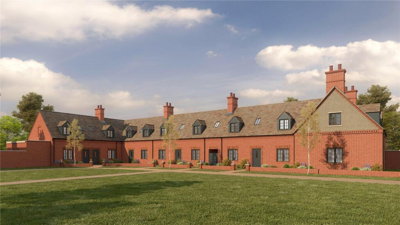
Browse 1 home new builds in Godmanchester, Huntingdonshire from local developer agents.
The 2 bed house market features detached, semi-detached, and terraced properties with two separate bedrooms plus living spaces. Properties in Godmanchester range across contemporary developments, with pricing varying across different neighbourhoods.
£245k
6
1
107
Source: home.co.uk
Showing 6 results for 2 Bedroom Houses new builds in Godmanchester, Huntingdonshire. 1 new listing added this week. The median asking price is £245,000.
Source: home.co.uk
Terraced
4 listings
Avg £217,500
Semi-Detached
2 listings
Avg £255,000
Source: home.co.uk
Source: home.co.uk
Godmanchester’s property market gives buyers a decent spread of traditional and modern homes, from detached houses through to semi-detached, terraced and apartment options. Detached properties sit at the top end, averaging £529,444, while semi-detached homes come in at around £365,871. Terraced properties usually sell for £244,286, and flats are the most affordable at approximately £160,000, so there is room here for first-time buyers and investors as well. That range stretches from compact apartments close to the town centre to larger family homes with river views.
A modest price correction of 0.62% has been recorded over the past twelve months, alongside 122 total sales in the area. For buyers, that has created a fairly practical market, with value still on the table without a big drop in quality. Semi-detached homes accounted for 48 sales, which shows steady demand for family-sized property, while detached houses made up 33 transactions, a sign that larger homes with gardens still attract interest. Terraced properties added 36 sales, and flats only 5, pointing to limited supply in that part of the market.
At present, two newbuild schemes are active in Godmanchester. The Views, by David Wilson Homes off Cow Lane (PE29 2BW), has 3, 4, and 5 bedroom homes priced from £399,995 to £649,995. Roman's Edge, from Barratt Homes on Bearscroft Lane (PE29 2BN), offers 3 and 4 bedroom options from £349,995 to £479,995. Both developments are aimed at families who want modern construction, energy-efficient features and NHBC builder warranties. Buyers on either site get the benefit of contemporary insulation standards and modern heating systems, although a snagging survey is still sensible before the warranty period runs out.

Godmanchester goes back to Roman times, when it acted as a staging post on the Via Devana, and that history still shapes the town today. Its 7,370 residents across 3,028 households enjoy something of a close community, helped along by local events, traditional pubs such as The Charlotte and The Castle, and independent shops that give the place a village feel despite its links to larger towns. The conservation area protects the historic core around the Causeway, Post Street, and market square, with buildings from the 17th, 18th, and 19th centuries. Walk those streets and you will see the parish church, several listed coaching inns, and terraced cottages that speak to its long life as a market centre.
Looking at the housing stock, 29.5% is detached, 33.7% semi-detached, 26.6% terraced, and 9.9% flats. Age-wise, 43.4% of homes were built after 1980, which points to a lot of newer development, while 16.1% pre-date 1919 and bring the sort of period detail many buyers want. The mix gives the town a varied streetscape, from Victorian terraces to contemporary schemes. Older homes often use solid brick walls, timber floors, and original sash windows, while post-war builds usually rely on cavity wall construction with tiled roofs.
The River Great Ouse has a big part to play in daily life here, with riverside walks and green spaces giving residents plenty of ways to spend time outdoors. Day-to-day amenities include convenience stores, restaurants, and traditional pubs serving the local community. Godmanchester also benefits from its position near the A14, which helps attract retail, service, and light industrial businesses, while visitors drawn to the historic setting and waterways add a bit of life through tourism. The riverside footpaths are a favourite with dog walkers and cyclists, and they link residential areas to the town centre without a car.
For families moving to Godmanchester, schooling is mainly centred within the town and the wider Huntingdonshire area. Primary provision includes The Godmanchester School on School Lane, which teaches from Reception through Year 6. The town’s established population supports settled education provision, and places at primary level are generally filled from the local catchment before out-of-area applications are considered. Parents should check current admission arrangements directly with Cambridgeshire County Council, as catchment lines can make a difference to eligibility.
Secondary schools in the wider area offer a full curriculum, with sixth form provision available for older pupils. Huntingdon has schools with transport links from Godmanchester, and some families also look towards grammar school entry in nearby towns through the Cambridgeshire selective admission process. Parents can use the Ofsted website to compare performance data when weighing up options. School availability has a real impact on local property values, and homes near popular schools often sell at a premium.
Further and higher education is easy enough to reach from Godmanchester, with colleges in Huntingdon and Cambridge offering both vocational and academic courses. Being close to Cambridge universities makes the town useful for students or academics who want quieter housing but still need to stay connected to university life. Education is a key reason why family buyers keep coming back, and the strength of the local schools helps sustain demand for family homes.
Transport is one of Godmanchester’s strongest points, making the town a practical base for commuters heading to Cambridge, Peterborough, Huntingdon, and elsewhere. The nearby A14 gives direct road access to Cambridge in the south and connects onwards to the wider motorway network via the A1(M). Most residents who commute do so by car, though public transport adds a useful alternative for those who would rather not drive every day. By car, Cambridge is usually 20-30 minutes away, while Huntingdon is about 10 minutes.
Rail services from nearby stations mean residents do not have to rely on a car for every journey. Huntingdon station runs regular trains to London King's Cross, and at around 50 minutes, the trip is workable for daily commuting into the capital. Cambridge station opens up more routes, including Stansted Airport, while Peterborough links into the East Coast Main Line and north to Edinburgh. Bus services also connect Godmanchester to surrounding towns, though frequencies can be limited outside peak hours.
For cyclists, the ground around Godmanchester is fairly flat, although the A14 does mean some routes need a bit of care because of traffic volumes. The A1307 towards Cambridge has dedicated cycling provision, and the guided busway gives another route for those heading to the university city. Parking is mixed, with on-street parking common in residential streets and limited public car parks in the centre. For commuters, the combination of road and rail options keeps the town appealing to professionals who want a quieter base but still need access to larger employment centres.
It pays to spend a little time comparing different parts of Godmanchester, and to think about the commute, local schools, and the type of property you want. The conservation area around the Causeway and Post Street has a different feel from newer places like The Views and Roman's Edge. Flood risk matters if you are looking near the River Great Ouse, and conservation restrictions need checking if you plan to extend or alter an older home.
Before you start viewing, speak to lenders or brokers and get a mortgage agreement in principle. It makes your position stronger when you put in an offer, and it shows estate agents that you are serious. With average prices around £383,948, most buyers will need a mortgage anyway, and having agreement in principle in place helps the process move more quickly once the right home comes along.
Local estate agents can then help line up viewings that match what you are after. It is sensible to see more than one property, because issues such as damp or subsidence risk vary across the stock. Homes in the conservation area may need more upkeep, while newbuilds on the developments come with builder warranties but can still have construction points to watch.
Once an offer has been accepted, we recommend a RICS Level 2 Survey to check the property’s condition. For a typical 3-bedroom property in Godmanchester, that usually costs between £400 and £700. Older buildings or homes in conservation areas, where construction can be more involved, may be better suited to a RICS Level 3 Survey, which gives a deeper look at defects and the repairs they may need.
At the legal stage, appointing a conveyancing solicitor is the next step, as they handle searches, contracts, and registration. Transactions in Huntingdonshire usually involve standard searches, including local authority, drainage, and environmental checks. For properties near the River Great Ouse, your solicitor will also look at drainage and water searches specific to that location.
From there, the mortgage is finalised, the remaining searches are completed, and all parties are lined up for exchange and a completion date. In England, the process from offer acceptance to completion averages 8-12 weeks. If the property has complex issues or sits within a conservation area, it can take longer.
Anyone buying in Godmanchester should keep a close eye on a few local issues that can influence condition and value. The Oxford Clay geology brings moderate to high shrink-swell risk, especially where foundations are shallow or there are large trees nearby. In dry spells or after heavy rain, clay soils can trigger movement, so a proper survey matters, particularly for older houses with less secure foundations. Cracking, sticking doors or windows, and uneven floors are all worth checking during viewings.
Flood risk needs proper investigation before a purchase is agreed. Because Godmanchester sits close to the River Great Ouse, some areas have elevated flood risk, with both river flooding and surface water flooding recorded by the Environment Agency. The alluvial deposits along the river corridor can make water ingress worse, and low-lying properties near the river deserve extra scrutiny. Flood risk maps on the Gov.uk website are worth reviewing, along with any flood resilience measures such as raised electrical outlets or water-resistant materials.
The conservation area covering the historic core also brings planning controls that affect extensions, alterations, and changes to the exterior. Listed buildings need special consent for modifications, and permitted development rights can be tighter than in areas that are not designated. Anyone thinking about works should check what is allowed before buying. Older houses can also include materials such as asbestos or outdated electrical systems that need bringing up to current standards.
Knowing how local homes are built helps buyers spot issues during surveys and plan for maintenance. Many properties in Godmanchester are brick-built, usually with tiled roofs, in line with traditional Cambridgeshire methods. Victorian and Edwardian homes often have solid brick walls without cavity insulation, so they can be more prone to damp through rising damp or condensation. Original timber floors, sash windows, and cast iron radiators are common too, and they may need updating.
The housing stock changes quite clearly by era. Properties built before 1919 (16.1% of stock) are usually solid wall constructions with timber frames, often with decorative details on facades and chimneys. Homes from 1945-1980 (31.9% of stock) tend to use cavity wall construction, though insulation standards vary a lot. Properties built after 1980 generally benefit from better building regulations, but they can still bring issues linked to speedy construction methods or prefabricated components.
Timber defects are another regular concern in Godmanchester, especially in older homes with original timber features. Woodworm and wet rot can affect structural timbers and floorboards, particularly where damp is present or ventilation is poor. Our inspectors regularly pick up timber problems in period properties around the conservation area, where original floor joists and wall plates have seen years of wear. A RICS Level 2 Survey can pick up problems early enough for buyers to budget for treatment and repairs before completion.
As of February 2026, the average house price in Godmanchester is £383,948, according to homedata.co.uk property data. Detached homes average £529,444, semi-detached properties £365,871, terraced homes £244,286, and flats £160,000. The market has slipped by 0.62% over the past twelve months, with 122 total sales recorded, so conditions remain fairly steady for buyers. Trends differ by type, with terraced properties showing the smallest decline at 0.45% and detached homes a little more at 0.73%.
Huntingdonshire District Council is the local authority for Godmanchester, and council tax bands run from A to H depending on value. Most homes in the town fall into Band B to D, though the exact band depends on the individual property. Flats are usually in Bands A or B, while larger detached family houses often sit in Bands E or F. Buyers should check the Valuation Office Agency website, or ask the seller during conveyancing, because council tax affects monthly outgoings.
Primary education in Godmanchester runs from Reception to Year 6, with The Godmanchester School serving the town itself. Around the wider Huntingdonshire area, secondary options include schools in Huntingdon with good Ofsted ratings, and some families still look at grammar school entry in nearby towns through the selective admission assessment. Ofsted data helps compare school performance, while Cambridgeshire County Council publishes catchment area information so parents can see which schools sit nearest and plan applications accordingly.
Public transport is decent enough, with bus services linking Godmanchester to Huntingdon, Cambridge, and surrounding villages. The Stagecoach route runs regularly to Huntingdon town centre and then on to Cambridge. Rail is available via Huntingdon station, with regular services to London King's Cross taking roughly 50 minutes. The A14 also gives direct road links to Cambridge and the wider motorway network. Even so, anyone commuting every day without a car may find one easier for flexibility, especially outside peak service hours.
There are a few investment points in Godmanchester that deserve a close look. Demand is supported by the town’s links to Cambridge and its strong transport connections, while limited new housing supply inside the conservation area helps protect character property values. On the other hand, flood risk in some locations and restrictions on development within the conservation area need to be included in any calculations. Rental demand exists because of local employment in Huntingdon and the wider area, though investors should still check rental yields and void periods in the Huntingdonshire market. The two active newbuild developments do add some competition, although modern homes usually attract higher rents.
Stamp Duty Land Tax applies to every Godmanchester purchase in England. The standard bands are 0% on the first £250,000, 5% on £250,001 to £925,000, 10% on £925,001 to £1.5 million, and 12% above £1.5 million. For a typical £350,000 property in Godmanchester, a standard buyer would pay £5,000 in stamp duty. First-time buyers may qualify for relief, which means 0% on the first £425,000 and 5% from £425,001 to £625,000, so long as the home is their main residence and they meet the eligibility rules. Anything above £625,000 does not qualify for first-time buyer relief.
We advise a RICS Level 2 Survey for any property purchase in Godmanchester, no matter the age or condition of the home. With 56.6% of the housing stock built before 1980, age-related issues are common enough to justify a professional assessment. The local clay geology brings subsidence risk, older homes can have damp or timber defects, and conservation area properties often come with more complex maintenance. Spending £400 to £700 on a survey is a small outlay against the purchase price, but it can reveal issues that shape your decision or help with negotiations.
From 4.5%
Our mortgage advice and competitive rates for Godmanchester buyers
From £499
Local property solicitors for your Godmanchester purchase
From £400
Thorough condition survey for Godmanchester properties
From £600
Building surveys for older or more complex Godmanchester properties
Property budgeting in Godmanchester needs stamp duty to be counted in from the start, along with the other costs of moving. On a typical £350,000 property, a standard buyer would pay £5,000 in Stamp Duty Land Tax, using 0% on the first £250,000 (£0) and 5% on the remaining £100,000 (£5,000). First-time buyers have better thresholds and pay nothing on the first £425,000, so homes below that figure attract no stamp duty at all. More expensive purchases above £925,000 move into higher rates, with 10% charged on the slice between £925,001 and £1.5 million.
There is more to budget for than stamp duty. Solicitor fees usually sit between £500 and £1,500, depending on complexity and whether the property is freehold or leasehold. A leasehold flat brings extra charges too, such as notice fees, deed certificate charges, and management company information packs. A RICS Level 2 Survey on a standard 3-bedroom property in Godmanchester typically costs £400 to £700, while larger detached homes or older period properties can cost more. Homes in the conservation area may need specialist surveys because of their construction and listing status.
Removal costs, estate agent fees if you are selling at the same time, and any renovation work all add to the bill. In Godmanchester’s conservation area, certain works may need Listed Building Consent, which adds time as well as cost for anyone planning changes. Our inspectors often find that older homes need upgrades to wiring, heating systems, or insulation, and that needs to sit in the budget from the outset. A contingency fund of 10-15% above the purchase price gives some breathing room for these costs and for anything unexpected that turns up in surveys or conveyancing.

Properties New Builds In London

Properties New Builds In Plymouth

Properties New Builds In Liverpool

Properties New Builds In Glasgow

Properties New Builds In Sheffield

Properties New Builds In Edinburgh

Properties New Builds In Coventry

Properties New Builds In Bradford

Properties New Builds In Manchester

Properties New Builds In Birmingham

Properties New Builds In Bristol

Properties New Builds In Oxford

Properties New Builds In Leicester

Properties New Builds In Newcastle

Properties New Builds In Leeds

Properties New Builds In Southampton

Properties New Builds In Cardiff

Properties New Builds In Nottingham

Properties New Builds In Norwich

Properties New Builds In Brighton

Properties New Builds In Derby

Properties New Builds In Portsmouth

Properties New Builds In Northampton

Properties New Builds In Milton Keynes

Properties New Builds In Bournemouth

Properties New Builds In Bolton

Properties New Builds In Swansea

Properties New Builds In Swindon

Properties New Builds In Peterborough

Properties New Builds In Wolverhampton

Enter your details to see if this property is within your budget.
Loans, cards, car finance
Estimated property budget
Borrowing + deposit
You could borrow between
Typical borrowing
Monthly repayment
Est. at 4.5%
Loan-to-value
This is an estimate only. Your actual budget may vary depending on interest rates, credit history, and personal circumstances. For an accurate affordability assessment, speak to one of our free mortgage advisors.
This calculator provides estimates for illustrative purposes only and does not constitute financial advice. Your home may be repossessed if you do not keep up repayments on your mortgage. Estimates based on 4.5% interest rate, repayment mortgage. Actual rates depend on your circumstances.
Homemove is a trading name of HM Haus Group Ltd (Company No. 13873779, registered in England & Wales). Homemove Mortgages Ltd (Company No. 15947693) is an Appointed Representative of TMG Direct Limited, trading as TMG Mortgage Network, which is authorised and regulated by the Financial Conduct Authority (FRN 786245). Homemove Mortgages Ltd is entered on the FCA Register as an Appointed Representative (FRN 1022429). You can check registrations at NewRegister or by calling 0800 111 6768.

We use cookies to show you personalised content and improve your experience of our website. Find out more in our Privacy policy and Cookie policy.