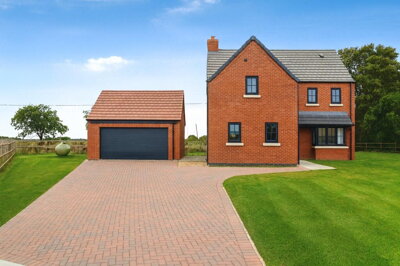
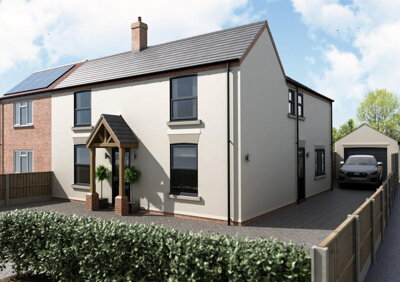
Browse 2 homes new builds in Frithville and Westville from local developer agents.
The larger property sector typically features multiple bathrooms, substantial reception space, and private gardens or off-street parking. Four bedroom houses in Frithville And Westville span detached, semi-detached, and occasionally terraced configurations, with styles ranging from period properties to modern executive homes.
Frithville and Westville have proved surprisingly resilient, with house prices now 29% above the 2022 peak of £316,124. Rural Lincolnshire keeps drawing buyers who want more space and stronger value than metro markets can offer. Detached homes have led the field, at an average of £555,000 in recent sales, while semi-detached properties sit closer to £177,475 and offer a more accessible way in. The market ranges from compact terraced cottages to sizeable executive houses, and some premium sales have pushed beyond £700,000.
Seven executive detached homes sit on a private road off Westville Road, forming an exclusive new build scheme in Frithville. These four-bedroom properties are priced from £375,000 for an offers-over listing up to £450,000, so they bring modern family space to a traditional village setting. For the parish, this is one of the few chances to buy a newly built home. Buyers can still choose finishes, and they get the advantage of modern building standards, warranties, and energy efficiency that older homes may not match.
Activity in the PE22 postcode district has remained steady, with homes changing hands from £215,000 to £585,000 depending on size, condition, and where they sit in the parish. Detached properties have been especially prominent, and home.co.uk listings data shows they have accounted for much of the recent movement. Semi-detached houses also sell well, giving families a practical option without losing the feel of village life. That regular stream of completions suggests a healthy market, with both buyers and sellers getting deals over the line.

Frithville and Westville run at the pace of rural England, and agriculture has long anchored the local economy. The villages sit on the edge of the historic West Fen, a landscape transformed by the drainage works of the early 19th century, when marshland was turned into productive farmland. Wheat and beans still dominate the surrounding fields, which helps explain Lincolnshire’s reputation as one of Britain’s most productive agricultural counties. Community here feels real, not manufactured, and local events, traditional pubs, and the village church all give residents places to meet and belong.
The fenland setting gives the area a distinctive feel, and it shapes both the landscape and the housing. Many properties use traditional brick construction typical of rural Lincolnshire, and a good number date from the early 19th century, when Westville was first established as a township after the draining of the West Fen in 1812. St Peter's Church, built in 1821 in Georgian style, remains a clear landmark and a meeting point for the parish. The Grade II listed bridge over the Twenty Foot Drain at Westville, designed by John Rennie, adds another layer of history and recalls the engineering that made settlement possible in reclaimed land.
Drainage still matters here, more than most places. Pumping stations keep water levels under control across the fenland, which protects homes from flooding and keeps farmland workable. The network of drains and waterways needs constant attention from internal drainage boards, and residents need to understand their own responsibilities around water management on their properties. For day-to-day life, the plus side is easy access to nature reserves and walking routes across the fens, with birdwatching and photography drawing plenty of local interest beneath those huge Lincolnshire skies.

Families looking at Frithville and Westville will find schools within a reasonable drive across the surrounding Lincolnshire countryside. With a small population of around 568 residents, the village itself does not have a local primary school, so most younger children go to nearby settlements in the wider East Lindsey district. Several primary schools serve the surrounding villages, and Boston opens up further options for those prepared to travel a little more. Admissions are handled by Lincolnshire County Council, and catchment boundaries should be checked before any purchase, since they can affect eligibility at oversubscribed schools.
For secondary education, Boston and the nearby market towns provide the main options, and many families shape their property search around catchment areas. Schools in Boston take pupils through to sixth form, while grammar schools in Grantham and other selective admissions routes offer a different academic path. School bus services operated by the county council usually cover transport, though current routes and eligibility should always be confirmed. From Frithville and Westville to secondary schools in Boston, the drive is generally 15 to 20 minutes, so town schools are a realistic choice for children living in the village.
Private education and specialist provision are also available across the wider Lincolnshire area. Sixth form and further education options exist at colleges in Boston and Spalding, giving older students clear progression routes. Because many homes in Frithville and Westville date from the early 19th century or earlier, families with children should think through travel arrangements carefully, especially where bus transport is needed for secondary school. School transport can shape which property actually works best, so we would always suggest discussing the practical details with local estate agents while searching.

Road connections are the main link from Frithville and Westville to Boston and the wider Lincolnshire network. The A16 is the primary north-south route through the area, taking traffic from Boston to Spalding and on towards the motorway network at Peterborough. The A17 provides east-west links to Sleaford and Newark. For anyone commuting to Boston, the drive is usually straightforward, often taking around 15 to 20 minutes depending on the exact destination and traffic on the A16. That access to main routes makes the villages workable for regular travel to and from work.
Rail travel is available from Boston railway station, which connects to services on the Nottingham to Skegness line. Frithville itself does not have a station, but the regional network still gives sensible options for journeys to Lincoln, Peterborough, or further afield with a change. Boston station is an easy drive from the village, so it suits anyone mixing car and train travel. For people working in larger cities such as Nottingham, Sheffield, or even London, the commute needs careful planning around train times, yet the lower property prices in Frithville and Westville make the longer journey a compromise many buyers are prepared to make.
Bus services give people without a car another way to reach Boston and the surrounding settlements. Frequency is not the same as in a town or city, so residents should check timetables and routes before relying on public transport for day-to-day commuting. In practice, a car remains useful for most people here, especially families or anyone needing flexible travel. Village roads are quieter than the busier routes into larger towns, which makes cycling a pleasant option for short trips when the weather and the destination both suit.

Get a mortgage agreement in principle before you start looking seriously. It puts you in a stronger position when making offers and shows sellers that we are dealing with a prepared buyer. Our recommended mortgage advisors can compare rates and find the best deal for your circumstances, including options for rural properties where lenders may apply different criteria from those used for urban homes.
It helps to study property prices in Frithville and Westville before setting your budget. Detached homes average around £555,000 and semi-detached properties sit at £177,475. You should also weigh up flood risk in low-lying areas and the age of the housing stock when judging value. The PE22 postcode district has seen strong price growth too, with values rising 44% over the past year, which points to healthy demand in the area.
We would advise contacting local estate agents to book viewings of homes that match your brief. With prices having risen 44% over the past year, moving quickly matters if you spot the right place, because the local market is competitive. It is also sensible to view at different times of day and in different weather, so you can judge the light, access, and any issues that only show up later.
Before exchange, arrange a RICS Level 2 Survey so the condition of the property is properly assessed. In a fenland setting, and with many older homes in the area, a detailed survey can uncover problems with foundations, drainage, or damp that are not obvious during viewings. Our team of qualified surveyors understands local construction methods and can give detailed assessments suited to properties in the Lincolnshire fenland.
Our recommended conveyancing solicitors handle the legal side of the purchase, from local searches with East Lindsey District Council to title verification and coordination with the seller's legal team through to completion. They are used to the particular features of fenland transactions, including drainage rights and any easements affecting homes near the Twenty Foot Drain and other water channels.
There are a few fenland-specific points that buyers in Frithville and Westville should check before committing to a purchase. The underlying geology of silts, clays, and peats can cause shrink-swell movement, which may affect foundations over time, especially in older buildings put up before modern foundation standards existed. A thorough structural survey from a qualified RICS surveyor can show whether movement has already taken place and whether remedial works may be needed now or later. Much of the housing stock dates to the early 19th century, so a lot of it was built on foundations designed to different standards from those expected today.
Surface water flooding is another issue, given the low-lying fenland landscape and the network of drainage channels across the surrounding farmland. Homes near the Twenty Foot Drain, or in very low-lying parts of the parish, need careful checking for drainage and flood history. East Lindsey District Council keeps flood risk maps and local drainage records, and your solicitor should include them in the standard local search pack. Internal drainage boards, which manage water levels across the fenland, can provide further information about flood risk and drainage infrastructure that may affect specific properties.
Across the village, building materials usually reflect traditional brick construction, as with other Lincolnshire fenland properties, though the state of external finishes, roofs, and any rendered elevations still needs checking during the survey. Many homes also have suspended timber floors at ground level, and those can suffer from rot or woodworm if ventilation is poor or damp gets into the structure. Because so many properties are old, electrical systems, plumbing, and heating may need updating to meet modern standards and regulations.
Heritage matters add another layer to buying in Frithville and Westville. St Peter's Church is Grade II listed, and so is the bridge over the Twenty Foot Drain at Westville designed by John Rennie. Any other listed buildings in the parish would need specialist advice beyond a standard survey if alterations are planned. We have not found a conservation area designation for the parish, though buyers should still check with East Lindsey District Council, since designations can affect permitted development rights and what changes are allowed.
The mix of fenland geology and an older housing stock means some defects crop up here more often than they do elsewhere. In clay-rich fenland soils, shrink-swell movement can lead to subsidence or heave where foundations are not suited to the ground conditions. Warning signs include cracks in walls, doors and windows that stick or refuse to close properly, and floors that are uneven. Our surveyors know what to look for when foundation movement is involved, and they can advise whether underpinning or another form of remedial work may be needed.
Damp is a familiar problem in older rural homes across Lincolnshire, and the fenland environment can make rising damp, penetrating damp, and condensation worse. Properties with solid ground floors, or those where ground levels have been raised over the years, may be particularly vulnerable to damp ingress. Render also needs close attention, because cracks can let water into the structure and cause damage over time. Our surveys include a detailed check of damp levels throughout the property, with moisture meter readings taken at different heights and in different locations.
Roof issues turn up often in surveys of period homes, and Frithville and Westville are no exception. Slipped or missing tiles, failing leadwork around chimneys and valleys, and rot in roof trusses or rafters are all possibilities. Fascias, soffits, and guttering matter too, because they protect the main structure from water damage. Some homes still have original cast iron guttering, which can look attractive but often needs maintenance or replacement because of corrosion and joint failure.
Older properties frequently fall short of current electrical standards and may need a partial or full rewire before anyone moves in. Homes built before the 1960s are likely to have fabric-covered cables that should be checked by a qualified electrician, while consumer units in many older houses may not have the residual current device protection demanded by modern regulations. Our surveyors will flag obvious electrical safety concerns, but we always advise a specialist electrical inspection for properties of this age.
According to homedata.co.uk, the average sold house price in Frithville and Westville is approximately £281,238, although another source gives an overall average of £408,738 for the most recent year. Detached homes average around £555,000, semi-detached homes fetch approximately £177,475, and terraced properties have achieved an average of £725,000 in recent sales. In the PE22 postcode district, individual sales have ranged from £215,000 to £585,000 depending on type, size, and condition. Prices have risen 44% over the past year and now sit 29% above the 2022 peak of £316,124.
Frithville and Westville properties sit within East Lindsey District Council’s area for council tax. Across Lincolnshire, council tax bands are set from A through to H, based on the assessed value of each home. Newer or more valuable detached houses in the village, including those on the executive development off Westville Road priced around £450,000, may fall into higher bands. Smaller terraced and semi-detached properties usually sit in lower bands, which helps keep ongoing household costs down.
Frithville and Westville are small villages, and there are no schools within the parish itself, so families normally use primary schools in nearby settlements across the East Lindsey district. Boston provides the nearest comprehensive secondary options, with schools offering provision through to sixth form. Lincolnshire County Council manages admissions and catchment areas, and parents should check current boundaries directly with the council before buying, as catchment can affect eligibility at popular schools. Private education and specialist provision are available more widely across Lincolnshire, with further education colleges in Boston and Spalding serving older students.
Public transport reflects the villages’ rural character, with bus services acting as the main alternative to car travel for everyday needs. Local routes link Frithville and Westville to Boston, where Boston railway station offers services on the Nottingham to Skegness line. For longer rail journeys, the nearest major stations are usually Peterborough or Lincoln, with onward connections needed. Commuters to Boston can generally make the trip in 15 to 20 minutes by car via the A16. The quiet village setting and decent road links make the area practical for people who can combine a car with occasional train travel.
Prices in Frithville and Westville have kept rising, with a 44% increase over the past year and a 29% lift above the 2022 peak of £316,124. The rural fenland location still offers strong value next to metropolitan markets, and detached family homes are available from around £555,000. Demand is supported by the peaceful village setting, the proximity of Boston for work and services, and the limited supply of new housing. The exclusive development of seven executive homes off Westville Road shows that interest remains firm, while buyers still need to think carefully about long-term plans and the upkeep older fenland homes can demand.
For 2024-25, stamp duty starts at zero percent on the first £250,000 of residential property purchases, then rises to five percent from £250,001 to £925,000, ten percent from £925,001 to £1.5 million, and twelve percent above £1.5 million. First-time buyers get relief on the first £425,000, with five percent charged between £425,001 and £625,000. On a typical semi-detached home at £177,475, most buyers would pay no stamp duty under the current rules. A detached home at £555,000 would mean stamp duty of £15,250 for standard buyers, or £6,500 for first-time buyers claiming relief.
Working out the full cost of buying in Frithville and Westville helps buyers budget properly and avoid unwelcome surprises at key stages of the transaction. Property prices in this Lincolnshire village are favourable compared with many other parts of the country, so stamp duty land tax is minimal or non-existent for plenty of purchases. For a typical semi-detached property at around £177,475, first-time buyers and home-movers alike would usually pay zero stamp duty under the current threshold that exempts purchases up to £250,000 from any charge. Even a detached property at £555,000 only attracts £15,250 in stamp duty for standard buyers.
Alongside stamp duty, buyers should set aside solicitor fees for conveyancing, which usually range from £500 to £1,500 depending on how complex the transaction is and whether the property is freehold or leasehold. Our recommended conveyancing solicitors understand the specific requirements of fenland property transactions, including drainage rights and any easements affecting properties near water channels. Local searches with East Lindsey District Council and Lincolnshire County Council are part of the standard searches package and cost around £250 to £400 in total.
Survey costs should also be built into the budget, with a RICS Level 2 Survey costing from around £350 depending on the size and value of the property. For older homes in the fenland area, that money can save far more later by identifying defects before purchase rather than after. The survey format uses a traffic light system to show homes in good condition, those needing repairs, and any with serious defects that need urgent professional attention. Mortgage arrangement fees, valuation fees, and removals costs then complete the usual buyer budget for moving into a home in this charming fenland parish.

Properties New Builds In London

Properties New Builds In Plymouth

Properties New Builds In Liverpool

Properties New Builds In Glasgow

Properties New Builds In Sheffield

Properties New Builds In Edinburgh

Properties New Builds In Coventry

Properties New Builds In Bradford

Properties New Builds In Manchester

Properties New Builds In Birmingham

Properties New Builds In Bristol

Properties New Builds In Oxford

Properties New Builds In Leicester

Properties New Builds In Newcastle

Properties New Builds In Leeds

Properties New Builds In Southampton

Properties New Builds In Cardiff

Properties New Builds In Nottingham

Properties New Builds In Norwich

Properties New Builds In Brighton

Properties New Builds In Derby

Properties New Builds In Portsmouth

Properties New Builds In Northampton

Properties New Builds In Milton Keynes

Properties New Builds In Bournemouth

Properties New Builds In Bolton

Properties New Builds In Swansea

Properties New Builds In Swindon

Properties New Builds In Peterborough

Properties New Builds In Wolverhampton

Enter your details to see if this property is within your budget.
Loans, cards, car finance
Estimated property budget
Borrowing + deposit
You could borrow between
Typical borrowing
Monthly repayment
Est. at 4.5%
Loan-to-value
This is an estimate only. Your actual budget may vary depending on interest rates, credit history, and personal circumstances. For an accurate affordability assessment, speak to one of our free mortgage advisors.
This calculator provides estimates for illustrative purposes only and does not constitute financial advice. Your home may be repossessed if you do not keep up repayments on your mortgage. Estimates based on 4.5% interest rate, repayment mortgage. Actual rates depend on your circumstances.
Homemove is a trading name of HM Haus Group Ltd (Company No. 13873779, registered in England & Wales). Homemove Mortgages Ltd (Company No. 15947693) is an Appointed Representative of TMG Direct Limited, trading as TMG Mortgage Network, which is authorised and regulated by the Financial Conduct Authority (FRN 786245). Homemove Mortgages Ltd is entered on the FCA Register as an Appointed Representative (FRN 1022429). You can check registrations at NewRegister or by calling 0800 111 6768.

We use cookies to show you personalised content and improve your experience of our website. Find out more in our Privacy policy and Cookie policy.