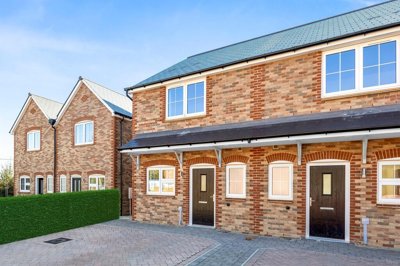
Browse 3 homes new builds in Fletching, Wealden from local developer agents.
The 2 bed house market features detached, semi-detached, and terraced properties with two separate bedrooms plus living spaces. Properties in Fletching range across contemporary developments, with pricing varying across different neighbourhoods.
£0k
0
0
0
Source: home.co.uk
Showing 0 results for 2 Bedroom Houses new builds in Fletching, Wealden.
Fletching’s property market is shaped by the strong showing of detached and semi-detached family homes, which reflects the village’s appeal to families and professionals who want more room without losing access to nearby centres. Detached properties command the highest average prices at £1,179,167, while semi-detached homes average £620,000, a clear sign of the premium placed on larger plots and private gardens in this sought-after spot. Our listings cover period cottages, sizeable family houses and distinctive Grade II listed homes that speak to the village’s long architectural history.
Recent transaction data points to steady activity across the TN22 postcode area, with an end-terrace property on Fletching’s historic High Street reaching £511,667 in late 2025. That shows demand remains healthy, even for smaller period homes in the village centre. TN22 3SG has seen a more modest 1.2% rise over the past year, which suggests prices are settling after the stronger annual growth seen across the wider Fletching market. New-build opportunities are limited within the village boundary, and most fresh stock appears in surrounding parts of the TN22 region.
Fletching property runs from compact end-of-terrace cottages dating back to the Georgian era to substantial Victorian and Edwardian detached homes set on generous plots. Around the historic High Street, the village’s conservation area designation keeps new development tightly controlled, which helps preserve the setting that draws buyers here in the first place. Supply is scarce, demand stays consistent from people looking for village life in the High Weald, and that combination supports the resilient pricing seen in the local market.

Fletching gives you the classic English village feel, with a historic High Street lined by period properties that have shaped the landscape for centuries, many from the Georgian and Victorian eras. The village sits within the wider Fletching and Maresfield parish, so it shares community facilities and local events with neighbouring settlements while keeping a clear identity of its own. Residents make the most of traditional country pubs, village halls that host community gatherings, and walks through the surrounding farmland and woodland of the High Weald.
Fletching’s local economy reflects its rural setting, with agriculture, tourism and commuting residents all playing a part in the area’s economic life. The High Weald’s standing as an Area of Outstanding Natural Beauty brings visitors through the year, which supports local businesses and gives the village a lively community feel. The mix of rural calm and access to larger employment centres continues to attract professionals, families and retirees.
The village centre contains a notable spread of Grade II listed buildings, from attractive end-of-terrace homes to substantial detached houses, and that points to centuries of continuous occupation and architectural change. Fletching homes usually rely on traditional building methods, including solid brick walls, original timber framing and period-appropriate fenestration, all of which call for specific maintenance. Our team often finds that houses along the historic High Street still have original fireplaces, exposed beams and flagstone floors, all of which appeal to buyers looking for genuine period character.

Families moving to Fletching will find a range of schools in the wider Wealden district, with primary schools in nearby villages serving the local community. In Uckfield, Holy Cross Church of England Primary School and the secular Uckfield Primary Academy both cater for children from Reception through to Year 6. It is sensible to check catchments carefully, because admission policies usually give priority to children living within defined geographic boundaries.
For secondary education, Uckfield College is the main local option, providing secondary and sixth form places for students from the surrounding villages, including Fletching. It has developed a strong reputation for academic results and extracurricular activity, which makes it a popular choice for families across the wider TN22 postcode area. Those looking for faith-based schooling can also consider nearby maintained and academy secondary schools with a religious character.
Private education is within reach too, with preparatory and independent schools available within a reasonable drive across East Sussex and Kent. Nearby towns such as Lewes, Tunbridge Wells and Eastbourne all offer a broad spread of independent options for primary and secondary-age children. For older pupils travelling farther afield, transport arrangements need to be weighed up, because Fletching’s rural setting means school transport routes will not serve every property directly.

Fletching still connects well to major routes despite its village setting, with the A272 running east-west through the High Weald and linking towards the A22 and the wider road network. By car, Eastbourne or Brighton are usually around 45 minutes to an hour away, while Gatwick Airport can be reached in roughly 40 minutes via the A22 and M23 corridor. Uckfield provides bus services to nearby villages and towns, although private vehicle ownership remains sensible for anyone with regular commuting needs.
Rail links are available from nearby Haywards Heath, reached via the A272, with regular services to London Victoria and journey times of about 50 minutes. Uckfield station also provides rail access, with services to London Bridge via a change at East Croydon, although the trip is longer than from Haywards Heath. For people commuting to Brighton, the journey from the Fletching area is usually 30-40 minutes by car, which works well for those splitting time between home and office.
Cycling in the area means rural lanes and marked routes through the High Weald landscape, though the rolling terrain can be tough for less experienced cyclists. Many residents combine active travel with rail by parking at Haywards Heath station for journeys into London or Brighton. Fletching’s position between major employment centres in the southeast suits commuters working in London, Brighton or the Gatwick corridor, while still keeping village life on the doorstep.

Start by looking at Fletching’s property market in detail, from period cottages through to substantial detached family homes. Work from the average price of £751,500 and get a mortgage agreement in principle before viewings, as that helps show sellers you are serious. Our team can talk through current market conditions and recent transaction data for the TN22 area so you have a realistic view of pricing.
Book viewings for properties that match your brief, and take time to walk around the village, check the condition of each home and think about issues such as conservation area restrictions that affect permitted development rights. Grade II listed properties need careful thought, particularly around maintenance obligations and limits on renovation. We would suggest seeing homes at different times of day and in different weather, as that can reveal issues with light, drainage or access.
With Fletching’s stock of period homes and the possible clay soil shrink-swell risk in parts of East Sussex, a full RICS Level 2 Survey (Homebuyer Report) is a must before you go any further. It will pick up defects common in older properties, including damp, timber issues and roof concerns that may not show up on a normal viewing. Our inspectors know period housing across the High Weald well and understand the construction methods used locally.
Use a solicitor who has experience with rural and listed property transactions to handle the legal side of your purchase. They will carry out searches with Wealden District Council, check the title deeds and deal with the complications that come with historic designations or unusual boundaries. Familiarity with the TN22 area can be very useful when moving through the conveyancing process for period homes.
Once the surveys, searches and negotiations are all in order, your solicitor will exchange contracts and agree a completion date. On completion day, the remaining funds are transferred and you collect the keys to your new Fletching home. Our team can point you towards local service providers, including removals firms, utility suppliers and tradespeople who know their way around period properties in the village.
Fletching properties need a close look, given how much period construction and historic character the village has. Many homes use traditional materials such as solid walls, original timber framing and period brickwork, which need a different approach to maintenance than modern construction. Buyers should pay close attention to damp, which often affects older solid-wall properties, and to roofing materials that may be original or simply very old.
Parts of the High Weald sit on East Sussex geology that includes Wealden Clay, and that can be prone to shrink-swell movement during drought or very wet weather. That ground movement can affect homes with shallow foundations, especially where mature trees stand close to the building. Our surveyors look closely for signs of subsidence, cracking or movement that could point to ground stability issues when inspecting property in the Fletching area.
Because Grade II listed properties are so common in the village, buyers need to understand what historic designation means for future improvements. Listed building consent may be needed for work that would not normally require planning permission, and any alterations must protect the building’s historic character. Conservation area restrictions in the village centre can also affect permitted development rights, limiting extensions or major external changes.
There are also financial points to watch, including service charges for shared amenities and ground rent on leasehold properties, both of which should be checked before you commit to a purchase. Homes with large gardens or land holdings can bring sizeable maintenance bills, while timber-framed properties need regular checks for rot or woodworm activity. Our team would always suggest setting aside money for a full building survey before you go ahead with any Fletching purchase, given the age and character of so much local housing stock.

The average house price in Fletching stands at £751,500 according to home.co.uk listings data, with homedata.co.uk reporting an average sold price of £755,000 over the last 12 months. Detached properties average £1,179,167 while semi-detached homes average £620,000. The market has seen 21% growth over the past year, although prices remain 27% below the 2017 peak of £1,025,000, which points to possible value at current levels. Recent transactions include an end-terrace property on the historic High Street achieving £511,667 in October 2025, a sign of continued buyer interest across different property types in the village.
Properties in Fletching fall within the Wealden District Council area. Council tax bands run from A through to H and depend on the valuation band attached to each property. Band D is usually the median for the area, although individual homes may sit higher or lower depending on assessed value. Buyers should check the council tax band for any specific property through the Wealden District Council website or the listing details. Because the village mix includes smaller cottages and substantial detached houses, council tax bands vary a great deal across different property types and sizes.
For primary schooling near Fletching, the main options are Holy Cross Church of England Primary School and Uckfield Primary Academy in nearby Uckfield. Secondary education is provided by Uckfield College, which also offers sixth form places for older pupils. Parents should check current Ofsted ratings and school catchments, since admission policies can change and catchment areas have a major effect on access to popular schools. The drive from Fletching to schools in Uckfield usually takes 10-15 minutes by car, and school bus services run from the village for pupils attending secondary education in town.
Fletching is a rural village where private vehicle ownership is sensible, although bus services do run to nearby towns including Uckfield. Haywards Heath railway station, about 20 minutes by car, offers regular services to London Victoria in around 50 minutes. Uckfield station has services to London Bridge via East Croydon, though the journey takes longer. The A272 gives east-west road access, while the A22 opens up the M23 corridor and Gatwick Airport is about 40 minutes drive from the village centre.
There are several investment points to weigh up in Fletching, not least its place within the High Weald Area of Outstanding Natural Beauty and the continuing appeal of village locations in East Sussex. The village’s historic character and limited new build supply point towards long-term demand for quality period homes. Even so, values are tied to access to major employment centres and to the wider economic climate across the southeast. The 21% annual price increase shows recent strength, although the 27% fall from 2017 highs also shows the volatility that can come with smaller village markets. Renovation projects, especially homes with Grade II listing, may offer scope for added value if improvements are handled sympathetically.
For standard buyers, stamp duty land tax begins at 0% on the first £250,000 of the purchase price, then rises to 5% on the part between £250,001 and £925,000. On a typical Fletching property at £751,500, that produces SDLT of about £25,075. First-time buyers get relief on purchases up to £625,000, with 0% on the first £425,000 and 5% on the balance up to that limit, after which standard rates apply. Buy-to-let purchases and second homes usually attract an additional surcharge of 3% on the SDLT rate.
The main risks linked to period properties in Fletching come down to age of construction and the upkeep that follows. Many homes are built with solid walls rather than modern cavity insulation, so they are more prone to penetrating damp and often need heating approaches that differ from newer houses. Timber framing, which is common in older homes, needs regular checks for rot or woodworm activity that may not be obvious at a viewing. Wealden Clay shrink-swell movement in parts of the area can also affect foundations, particularly where mature trees are close by. Historic designations may limit permitted improvements, which can shape future renovation plans.
From £350
A detailed inspection of condition for properties in Fletching, ideal for period homes and listed buildings
From £500
A comprehensive structural survey recommended for older or complex properties
From £499
Expert legal services for property transactions in the Fletching area
From 4.5%
Competitive mortgage rates for Fletching property purchases
Buying in Fletching brings costs beyond the purchase price, and stamp duty land tax is usually the biggest upfront item for most buyers. For a typical home at £751,500, a standard buyer would pay £25,075 in SDLT, worked out at 5% on the amount between £250,000 and £751,500. First-time buyers buying properties up to £625,000 get first-time buyer relief, which cuts their SDLT bill significantly, although relief does not apply above that threshold.
Other buying costs include mortgage arrangement fees, which usually range from £500 to £2,000, valuation fees and solicitor costs averaging £800 to £1,500 for conveyancing. Survey costs for a RICS Level 2 Homebuyer Report start from around £350 for smaller properties, then rise for larger or more complex period homes. With so many Grade II listed and period properties in Fletching, buyers should also allow for remediation costs uncovered during surveys, which often bring up damp proofing, roof condition and timber defects in older buildings.
Buildings insurance, moving costs and possible renovation bills for period homes should also sit within your overall budget before you move ahead with a purchase. Properties that need modernisation may come at a lower asking price, but they can still need significant investment to bring them up to current standards. Our team can suggest reputable local tradespeople with experience in period property maintenance across Fletching and the High Weald, from thatchers and stone masons to timber specialists and damp proofing contractors.

Properties New Builds In London

Properties New Builds In Plymouth

Properties New Builds In Liverpool

Properties New Builds In Glasgow

Properties New Builds In Sheffield

Properties New Builds In Edinburgh

Properties New Builds In Coventry

Properties New Builds In Bradford

Properties New Builds In Manchester

Properties New Builds In Birmingham

Properties New Builds In Bristol

Properties New Builds In Oxford

Properties New Builds In Leicester

Properties New Builds In Newcastle

Properties New Builds In Leeds

Properties New Builds In Southampton

Properties New Builds In Cardiff

Properties New Builds In Nottingham

Properties New Builds In Norwich

Properties New Builds In Brighton

Properties New Builds In Derby

Properties New Builds In Portsmouth

Properties New Builds In Northampton

Properties New Builds In Milton Keynes

Properties New Builds In Bournemouth

Properties New Builds In Bolton

Properties New Builds In Swansea

Properties New Builds In Swindon

Properties New Builds In Peterborough

Properties New Builds In Wolverhampton

Enter your details to see if this property is within your budget.
Loans, cards, car finance
Estimated property budget
Borrowing + deposit
You could borrow between
Typical borrowing
Monthly repayment
Est. at 4.5%
Loan-to-value
This is an estimate only. Your actual budget may vary depending on interest rates, credit history, and personal circumstances. For an accurate affordability assessment, speak to one of our free mortgage advisors.
This calculator provides estimates for illustrative purposes only and does not constitute financial advice. Your home may be repossessed if you do not keep up repayments on your mortgage. Estimates based on 4.5% interest rate, repayment mortgage. Actual rates depend on your circumstances.
Homemove is a trading name of HM Haus Group Ltd (Company No. 13873779, registered in England & Wales). Homemove Mortgages Ltd (Company No. 15947693) is an Appointed Representative of TMG Direct Limited, trading as TMG Mortgage Network, which is authorised and regulated by the Financial Conduct Authority (FRN 786245). Homemove Mortgages Ltd is entered on the FCA Register as an Appointed Representative (FRN 1022429). You can check registrations at NewRegister or by calling 0800 111 6768.

We use cookies to show you personalised content and improve your experience of our website. Find out more in our Privacy policy and Cookie policy.