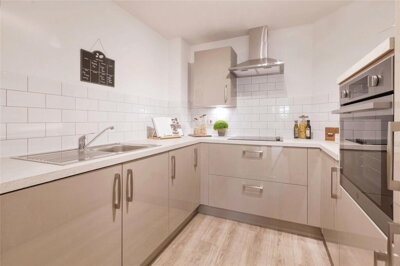
Browse 1 home new builds in Farningham, Sevenoaks from local developer agents.
The 2 bed flat sector typically includes two separate bedrooms, dedicated living areas, and bathroom facilities. Properties in Farningham span purpose-built blocks, converted period houses, and modern apartment complexes on various floors.
£0k
0
0
0
Source: home.co.uk
Showing 0 results for 2 Bedroom Flats new builds in Farningham, Sevenoaks.
Farningham’s property market spans a wide spread of budgets, with homes available across all price brackets to suit different requirements. Detached houses sit at the top end, usually between £900,000 and £945,833, which reflects the larger plots and roomy accommodation they tend to offer. These bigger family homes often come with generous gardens, multiple reception rooms and private driveways, all of which remain in high demand. The premium attached to detached properties shows how strongly families value extra space in a semi-rural setting.
Terraced homes give buyers a more affordable way into the local market, with average prices of around £383,833, so they appeal to first-time buyers as well as growing families. Many have the brick-fronted look and period details associated with Victorian and Edwardian Kent housing. Flats average approximately £247,500, which makes them a practical choice for anyone wanting less upkeep or for investors looking at Farningham. Recent figures show sold properties have risen by 6.0% over the last twelve months, a sign that demand is still solid.
Longer-term movement tells a slightly different story. Sold prices over the past year sit 4% below the previous year and 13% under the 2021 peak of £642,233. That suggests the market has eased back from its highest point, although it may now offer better value for buyers who are ready to move. With limited housing stock, plus appeal to commuters and families, Farningham remains fairly steady, and homes in good condition at sensible prices still tend to attract interest without hanging around too long.
Price averages do shift depending on the source and the period being measured. One reading puts the past year at £559,500, while another, using a different method, comes in at £618,077. In a village with relatively few transactions, that kind of gap is not unusual. It is another reason not to rely on the headline figure alone. Speaking to local estate agents active in Farningham can give a more current picture than published data might show.

Traditional English village life is very much part of Farningham, yet the place still keeps good links to nearby towns and London. Its name comes from the Old English “Farning-ham”, a reminder of how long the settlement has been here. Along the High Street, period buildings sit beside the parish church of St. Peter and St. Paul, which dates from the 12th century and remains a real centrepiece for the community. Pubs such as The Hideaway and The Red Lion add to the local social scene, while village events through the year help hold that familiar small-village feel together.
Beyond the houses and the High Street, the Kent countryside opens up quickly. Public footpaths cut across farmland and woodland between Farningham and neighbouring villages, and the River Darent runs close by, giving the area a calmer, greener feel. It is the sort of place where children can grow up with a fair amount of freedom and neighbours often know one another by name. For anything beyond the village, Swanley and Dartford are close enough for shopping, dining and entertainment without much effort.
The village sits within Sevenoaks District Council, which is regularly rated among the more desirable places to live in the South East according to various quality of life surveys. Clean air, low crime rates and well-kept public spaces all help the area’s reputation. The local population is mixed, with long-established families, London commuters and people who have moved out from urban areas for more room and a slower pace. That mix gives the village energy, while still leaving it with the quiet character people come here for.
Day to day, Farningham covers a good deal of the basics locally. There is a convenience store, a pharmacy and a petrol station on the outskirts, while The White House Cafe is a popular stop for breakfast or afternoon tea. A mobile library calls in regularly, and the community centre hosts clubs and events across the year. For bigger shops, Bluewater Shopping Centre in Greenhithe is only a short drive away and brings with it major retailers and plenty of places to eat.

Families with children of different ages will find education options in and around Farningham from nursery through to further education. In the village itself, there are primary school choices close by, and many schools across the wider Sevenoaks area have strong Ofsted ratings. The nearby towns of Dartford and Swanley widen the choice even further, with several primary schools rated good or outstanding and drawing pupils from the surrounding villages. Catchment areas do matter, though, so it is sensible to check each one carefully, because being close by does not guarantee a place.
Secondary schooling also gives Farningham families a fair bit of choice. Some move into Kent specifically for the selective grammar school route, while others look to schools such as The Leigh Technology Academy in Dartford and Wilmington Grammar School for Girls. There are also comprehensive schools in Swanley and the surrounding towns, which provide both academic and vocational routes. For many buyers, the strength of local schools and the education available across Sevenoaks district is a major reason for choosing to live here.
Sixth form and further education are within reach too, with institutions in Sevenoaks, Dartford and the wider Kent area offering A-Level programmes and vocational qualifications. Connections through Ebbsfleet and into London also open up routes to university courses, apprenticeships and other vocational training programmes. It is no surprise that families moving from elsewhere often point to education as one of the main reasons for settling in Farningham, so school and college information is worth looking at early if children are part of the plan.
For younger children, there are nursery and preschool options in and around Farningham, including provision attached to primary schools and independent settings that offer more flexible childcare arrangements. Farningham Primary School itself has long served the village community, while Horton Kirby Primary School is another nearby option in the neighbouring village. Journey times vary depending on where a property sits, so a home on the northern side of Farningham may be closer to different schools than one near the High Street.

Commuters tend to like Farningham because the transport links are stronger than you might expect from a village of this size. The nearby M25 gives direct access to London, Heathrow Airport and the wider motorway network across the South East. Junction 2 of the M25 is easy to reach from the village, putting the Dartford Crossing and routes into Essex within comfortable reach. By car, central London can usually be reached in under an hour, and the Channel ports are also straightforward to access for travel to the continent.
Rail travel adds another layer of convenience. Swanley station offers regular services into London Victoria and to other destinations, while Ebbsfleet International, at the former Bluewater Chalk Pit, runs high-speed trains to London St Pancras International in approximately 20 minutes, along with direct connections to the continent through the Channel Tunnel. That makes Farningham a workable base for professionals who travel regularly for business. Local bus services also link the village with nearby towns and villages for those who would rather not drive.
For people working in the City or Canary Wharf, Farningham’s mix of road and rail links offers real flexibility. Bluewater Shopping Centre and the business parks around Dartford are also easy to get to, so everyday trips need not be complicated. Cyclists will find country lanes and designated routes tying into the wider Kent cycling network, although the hilly terrain does call for a decent level of fitness. Parking is generally available for residents with cars, and the limited through-traffic keeps the village pleasantly quiet despite those strong transport connections.
The A225 runs straight through Farningham and provides a direct link to Sevenoaks in the south-west and Dartford to the north-east. It cuts through the village centre and carries traffic between the two towns, although journeys are still reasonable outside peak hours. For anyone working in pharmaceuticals or scientific fields, the nearby M25 corridor brings extra job options within a manageable commute. Dartford in particular has a broad mix of commercial districts and businesses that draw workers from surrounding villages.

Our advice is to spend time in Farningham before making any decisions, and to visit at different times of day and on different days of the week so the traffic, atmosphere and community feel come through properly. Check local property prices, review Ofsted ratings for schools, and get familiar with transport options and journey times to work. A chat with people who already live here can also be useful, because the small details often tell you more than a brochure ever will.
Before any viewings turn into an offer, speak to a mortgage broker or lender and get an Agreement in Principle. It confirms how much you can borrow and gives your position more weight when you start negotiating. Our mortgage comparison service can help you look at rates that suit your finances and borrowing needs. Having that paperwork ready shows estate agents and sellers that you are serious.
Next, register with estate agents active in Farningham and line up viewings for properties that match what you are looking for. Once the right home appears, make a competitive offer based on the market, the property’s condition and your budget. Be ready to negotiate on both price and terms, especially where the seller’s circumstances or survey findings give you room to discuss the deal.
After an offer is accepted, bring in a qualified surveyor to inspect the property. A RICS Level 2 Survey suits many modern homes, while an older or more complex property may call for the fuller RICS Level 3 Survey. Survey results can highlight problems that justify renegotiation, or they may simply give you the reassurance you need before moving forward.
Choose a conveyancing solicitor to deal with the legal side of the purchase. They will carry out searches with Sevenoaks District Council, handle the contracts with the seller’s solicitor and manage the transfer of funds on completion. Our conveyancing service connects buyers with solicitors who know the local property market and the issues that tend to crop up around here.
Once the searches come back clear and the contracts are signed, your solicitor will arrange exchange with a confirmed completion date. On completion day, the balance of the money is transferred and the keys to your new Farningham home are handed over. It is the point where everything finally comes together.
Buyers looking at Farningham should keep flood risk in mind, especially for homes near the River Darent or in lower-lying parts of the village where heavy rainfall can increase the risk. The Environment Agency publishes detailed flood maps covering historical and predicted flood zones, and those should be checked before committing to a purchase. Older homes in the village centre often use construction methods that can mean more maintenance, so a proper survey matters even more for period properties. Knowing whether a property has flooded before, and what prevention measures are in place, can save a lot of trouble later on.
The village includes several conservation areas that protect its historic character, so buyers need to understand how planning controls may affect future changes or extensions. Within these areas, some alterations that would count as permitted development elsewhere need consent, which can limit what you do over time. The Farningham Mill Estate and other developments may also carry specific covenants or lease terms that deserve careful checking before you proceed. Freehold is usually the simplest form of ownership, though some homes in converted developments are leasehold and come with service charges and ground rent.
Ongoing costs matter too. Flats and some houses in managed developments carry service charges and maintenance fees, and those need to be set against the purchase price from the start. Older properties may ask for more spending on roofs, windows and structural elements that are nearing or past the end of their expected life. Access is another point to think about, particularly on private roads or lanes where the upkeep may be down to residents rather than the local authority. Looking into past planning applications nearby can also show whether there are proposals that could alter the feel or value of the place you want to buy.
The local geology is a useful part of the picture as well. Farningham sits on chalk bedrock, common across much of Kent, and that can influence both construction methods and foundation needs. Properties built on chalk usually drain well, although conditions can still vary from one part of a site to another. If a property appears to involve major groundworks, a specialist ground investigation may be sensible. Some rural homes also rely on private drainage systems or borehole water supplies instead of mains connections, which brings extra costs and responsibilities of their own.

As of early 2026, the average sold house price in Farningham is approximately £595,000, while other measures put the figure at around £559,500 over the past year. Detached properties command premium prices of £900,000 to £945,833, terraced homes average £383,833 and flats sit at around £247,500. Sold-property prices have risen by 6.0% over the last twelve months, although longer-term figures still place the market 13% below the 2021 peak of £642,233. The spread between different data sets is largely down to the small number of annual transactions in this village market.
All properties in Farningham fall under Sevenoaks District Council, and council tax bands run from A through to H depending on the assessed value. Most family homes in the village usually sit in bands C to E, while larger detached houses can land in the higher bands. The exact band for any property can be checked through the Valuation Office Agency website or by contacting Sevenoaks District Council directly. Bills vary by band, with band D generally acting as the median charge for the area.
Schools across Farningham and the surrounding Sevenoaks area give families a broad spread of options, from village primaries to grammar schools in the Kent selective system. Farningham Primary School serves the immediate village, while Horton Kirby Primary School covers families in the neighbouring community. Secondary choices include The Leigh Technology Academy in Dartford and Wilmington Grammar School for Girls, both of which attract pupils from across the surrounding villages. Parents should check each school’s Ofsted rating and catchment area carefully, because boundaries can be tight and places are often competitive.
Transport links remain one of Farningham’s strongest selling points, even with its village character. Swanley station offers regular trains to London Victoria, while Ebbsfleet International provides high-speed services to London St Pancras in approximately 20 minutes, as well as onward connections through the Channel Tunnel. Local bus routes link the village with nearby towns, and the M25 gives road access to Greater London and the South East motorway network. Junction 2 is especially convenient from most parts of the village, which keeps car travel to major destinations fairly simple.
With its location in the Sevenoaks district, strong transport links and restricted housing stock, Farningham looks like a sound long-term investment. Buyers are drawn to the mix of Kent countryside living and practical commuter access, and that combination helps keep demand healthy. If approved, the Pedham Place proposal could add to the area’s appeal over the longer term. Homes with good access to transport and within the catchment areas of popular schools generally hold their value well in this market.
For a property bought at the current average price of £595,000, standard stamp duty rules would apply, with 0% on the first £250,000, 5% on the part from £250,001 to £500,000, and the remainder charged on the balance. First-time buyers may claim relief on homes up to £625,000, paying 0% on the first £425,000 and 5% on the rest. Above £625,000, that relief is not available. Anyone buying an additional property above £40,000 pays a 3% surcharge on all bands.
Living costs in Farningham reflect the more affluent side of the Sevenoaks district, so household bills, groceries and services are pitched at levels similar to other prosperous South East communities. Council tax is set by Sevenoaks District Council and tends to sit in the middle range for the region. Travel costs depend on commuting habits, although the strong road and rail links do give people a chance to keep those down. Village pubs and local shops may cost a little more than chain stores, but plenty of residents are happy to pay that in support of local businesses.
One major proposal currently being considered by Sevenoaks District Council is Pedham Place, a development that could add up to 2,579 new homes to the area if it is approved as part of the Local Plan. The scheme would also include roughly 49,000 square metres of commercial and industrial space. It is still under consultation and faces the usual planning questions, but it could shape property values across the surrounding area, including Farningham, over the longer term. For the village itself, the Farningham Mill Estate development by Vision Homes, with converted and new-build homes on High Street, is the main current new-build activity.
Getting the full cost of a purchase clear from the outset makes budgeting far easier and helps avoid surprises during the transaction. Stamp Duty Land Tax is the biggest extra cost after the price itself, and the amount depends on buyer status and the property value. On a typical Farningham home priced at £595,000, a standard buyer would pay no stamp duty on the first £250,000, then 5% on the next £345,000, which comes to £17,250, with nothing falling into the higher rate band. These figures should be checked with HMRC or a financial adviser, because rates can change.
First-time buyers have better thresholds. On properties up to £625,000, they pay 0% on the first £425,000 and 5% on the balance up to £625,000, which would mean £8,500 stamp duty on a £595,000 purchase. That relief is a sizeable saving and makes entering the market a little easier. Homes above £625,000 do not qualify for first-time buyer relief, while properties over £1.5 million move into higher rate bands of 10% and 12%. Buyers of additional residential property pay a 3% surcharge across all stamp duty bands, so the cost is significant if another home is already being kept.
There are other costs to plan for too. Solicitor fees usually run from £800 to £2,500, depending on complexity, and disbursements for searches are roughly £300-500, with Land Registry fees on top. Survey fees range from £350 for a basic RICS Level 2 assessment to £1,000 or more for a more detailed Level 3 survey on older or larger properties. Mortgage arrangement fees can be free or up to 2% of the loan amount, and life insurance and buildings insurance should be in place before completion. Ancillary costs normally come to 2-5% of the purchase price, so keeping that in mind helps the move go more smoothly when buying a Farningham home.

Properties New Builds In London

Properties New Builds In Plymouth

Properties New Builds In Liverpool

Properties New Builds In Glasgow

Properties New Builds In Sheffield

Properties New Builds In Edinburgh

Properties New Builds In Coventry

Properties New Builds In Bradford

Properties New Builds In Manchester

Properties New Builds In Birmingham

Properties New Builds In Bristol

Properties New Builds In Oxford

Properties New Builds In Leicester

Properties New Builds In Newcastle

Properties New Builds In Leeds

Properties New Builds In Southampton

Properties New Builds In Cardiff

Properties New Builds In Nottingham

Properties New Builds In Norwich

Properties New Builds In Brighton

Properties New Builds In Derby

Properties New Builds In Portsmouth

Properties New Builds In Northampton

Properties New Builds In Milton Keynes

Properties New Builds In Bournemouth

Properties New Builds In Bolton

Properties New Builds In Swansea

Properties New Builds In Swindon

Properties New Builds In Peterborough

Properties New Builds In Wolverhampton

Enter your details to see if this property is within your budget.
Loans, cards, car finance
Estimated property budget
Borrowing + deposit
You could borrow between
Typical borrowing
Monthly repayment
Est. at 4.5%
Loan-to-value
This is an estimate only. Your actual budget may vary depending on interest rates, credit history, and personal circumstances. For an accurate affordability assessment, speak to one of our free mortgage advisors.
This calculator provides estimates for illustrative purposes only and does not constitute financial advice. Your home may be repossessed if you do not keep up repayments on your mortgage. Estimates based on 4.5% interest rate, repayment mortgage. Actual rates depend on your circumstances.
Homemove is a trading name of HM Haus Group Ltd (Company No. 13873779, registered in England & Wales). Homemove Mortgages Ltd (Company No. 15947693) is an Appointed Representative of TMG Direct Limited, trading as TMG Mortgage Network, which is authorised and regulated by the Financial Conduct Authority (FRN 786245). Homemove Mortgages Ltd is entered on the FCA Register as an Appointed Representative (FRN 1022429). You can check registrations at NewRegister or by calling 0800 111 6768.

We use cookies to show you personalised content and improve your experience of our website. Find out more in our Privacy policy and Cookie policy.