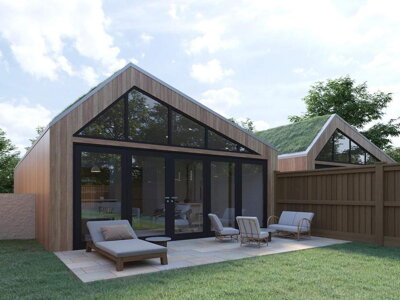
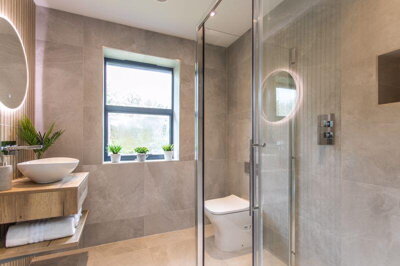
Browse 2 homes new builds in Falmer, Lewes from local developer agents.
The Falmer property market offers detached, semi-detached, and terraced houses spanning various price ranges and neighbourhoods. Each listing includes detailed property information, photographs, and direct contact with the marketing agent.
£375k
3
0
64
Source: home.co.uk
Showing 3 results for Houses new builds in Falmer, Lewes. The median asking price is £375,000.
Source: home.co.uk
Terraced
2 listings
Avg £350,000
Semi-Detached
1 listings
Avg £375,000
Source: home.co.uk
Source: home.co.uk
Falmer's property market has a clear split, shaped by the village's mix of historic fabric and more contemporary buildings. Detached homes sit at the top end at around £750,000, and that tends to reflect the larger family houses and conversions in the conservation area. Semi-detached properties usually fetch £450,000, while terraced homes average £380,000, which keeps village housing within reach for buyers after character and practical living space.
Flats in Falmer average £280,000, and supply is often linked to university-related accommodation or the conversion of former agricultural buildings. Prices have climbed by 5% over the past year, which points to continuing demand in this well-liked spot. There is very little large-scale new build development within the BN1 9xx postcode, so buyers are more likely to find period homes with character or the odd small infill scheme than brand-new stock. That shortage of fresh supply helps the village hold its appeal and supports values over the longer term.
Falmer's housing stock reflects a broad architectural backstory. Around 20% of homes are detached, often built in the traditional flint and stone that defines the historic core. Semi-detached properties account for roughly 30% of the stock, terraced homes make up about 25%, and many of those date from the pre-1919 period, when the village's farming community was at its height. Flats represent roughly 25% of accommodation, much of it shaped by the nearby university campus. Because a sizeable share of properties were built before 1919, buyers should expect solid wall construction, lime mortars, and original timber elements that need careful upkeep.

Life in Falmer is shaped by its dramatic South Downs setting and its closeness to Brighton's lively cultural scene. Around 1,111 residents (2021 Census) live here, which gives the village an intimate feel where people recognise one another and local events still matter. The ground is chalk geology typical of the South Downs, and that usually means good drainage and stable foundations for the older buildings made from local flint and stone. Above the chalk, superficial deposits of Head and Clay-with-flints can create localised conditions underfoot, especially for homes near mature trees.
To the north sits the University of Sussex campus, and that brings more than lectures and students. Residents can use sporting facilities, theatres, galleries, and cafes that are open to the public. Brighton and Hove Albion Football Club's Amex Stadium also brings visitors into the area for match days and events, which adds some energy without spoiling the village's quieter feel. From Falmer, walking trails across the South Downs are close at hand, and Brighton's seafront can be reached in 20 minutes by bus or car, so rural and urban life sit comfortably together.
The local economy is anchored by the University of Sussex, which employs many Falmer residents in academic, administrative, and facilities roles. The Amex Stadium adds more jobs too, from match-day operations to ongoing maintenance. For those travelling further afield, Brighton city centre offers a wide spread of employment sectors, while Gatwick Airport is accessible via the A23 for people whose work involves airport links. That mix of jobs helps keep the housing market steady, with demand coming from a fairly broad pool of working buyers.

Education in Falmer is largely defined by the University of Sussex, founded in 1961 and still ranked among the UK's top universities. Its campus offers undergraduate and postgraduate courses across arts, humanities, social sciences, science, and technology, and its research reputation draws students from across the globe. Families with school-age children usually live in Falmer while children attend primary schools in nearby villages, with secondary provision available in surrounding towns and school bus services in place to help with the journey.
The university's influence spills into village life through public lectures, library access, and cultural events held across the year. For families thinking about Falmer, the area's proximity to strong independent and state schools in Lewes, Brighton, and nearby villages gives a decent range of choices. Brighton College, one of the South East's leading independent schools, can be reached by bus from Falmer, and the same goes for Lewes Old Grammar School, which takes pupils from Reception through Sixth Form. Parents should check catchment areas and admission policies directly with East Sussex County Council before buying, as these can change and may have a major effect on schooling options.
For primary education, Falmer families usually look to schools in neighbouring villages. St Pancras Primary in Kingston is a popular option, as are schools in Peacehaven and Newhaven, all served by dedicated school bus services. Secondary pupils often travel to Lewes, including Priory School and the Leweston School (independent), with routes arranged to suit Falmer families. That range of provision makes the village appealing to parents who want academic standards without giving up village living.

Falmer has strong transport links for a village of this size. Falmer station gets you to Brighton in approximately 8 minutes, and London Victoria is reachable in just over an hour. The village sits beside the A27 Brighton bypass, so road access into the coastal city is straightforward, with the A23 giving a route north toward Gatwick Airport and London. Brighton and Hove buses run regular services between Falmer, the university campus, and central Brighton, with journey times of around 30 minutes.
Cyclists have plenty to work with here, from the South Downs Way to the bridleways that thread through the surrounding hills. The South Downs Way national trail passes close by, opening up chalk downland for walking and cycling on a proper scale. For Brighton commuters, Falmer offers village property prices that are generally more affordable than city centre homes, while still keeping travel simple. One point worth watching, though, is the A27 underpass near Falmer, which can collect surface water in heavy rain. So drivers need to keep that in mind when the weather turns nasty. Overall, the village gives residents transport choices that fit both a quiet home life and access to work and amenities.
The A27 is the main road link for anyone needing to travel by car. From Falmer, it runs west toward Portsmouth and east toward Eastbourne, which makes regional journeys fairly straightforward. The A23 begins near Falmer and heads directly to London, passing Gatwick Airport, which is usually reachable in 45 minutes by car. For flights, London Gatwick is the nearest major airport, although London Heathrow and Southampton Airport are also within reach for international travel. That transport network is a big part of Falmer's appeal for professionals who want good connections without losing quality of life.

A walk around the village is the best way to get a feel for Falmer's character, check how close properties are to schools and transport, and compare recent sales data for homes similar to the one you want. Falmer's Conservation Area status means there may be planning restrictions worth understanding before you go any further. It also pays to visit at different times of day, so you can judge noise from the nearby university campus and the Amex Stadium, especially on match days when traffic rises sharply.
We would suggest speaking to a mortgage broker first and getting an agreement in principle, which puts you in a stronger position when making offers. With average prices around £480,000, most buyers will need mortgage finance, and having that in place shows sellers you are serious. It can also help to use a broker who knows Falmer, since they may be more familiar with local values and lending rules for Conservation Area properties.
Local estate agents can then arrange viewings for homes that match your brief. Supply in Falmer is limited, so properties that fit your needs may not stay available for long. View at different times of day if you can, to get a proper sense of noise from the nearby university and stadium. Take a checklist with you, too, covering construction materials, roof condition, and any signs of damp or subsidence, because many of the homes here are older period properties.
Before buying any property, and especially an older or listed building, it is sensible to arrange a RICS Level 2 Survey so condition defects can be picked up early. In Falmer, survey costs usually sit between £400 and £700 depending on property size. For listed buildings or homes with unusual construction, a RICS Level 3 Building Survey is worth considering for a more detailed look at any structural issues.
The next step is to appoint a conveyancing solicitor to deal with the legal side of the purchase, including searches, contracts, and registration. They should understand the local picture, including Conservation Area requirements and any planning constraints that could affect how you use the property. If you are buying a listed building, allow extra time, since further consents may be needed.
Once the searches come back clear and contracts are signed, you move to exchange and then completion, when the keys to your new Falmer home are handed over. Have your removal arrangements booked and let the utility companies know about your change of address. It is also sensible to register with local GP surgeries, as NHS patient lists in the area can be limited.
Falmer's Conservation Area status means planning restrictions need careful thought, because they are there to protect the village's historic character. Alterations, extensions, and even some maintenance work may need Conservation Area consent or listed building consent from Lewes District Council. Our research shows the village includes several listed buildings, among them Falmer House (Grade I) and St Laurence Church (Grade II*), so buyers need to understand these obligations before committing to any period property in the centre. If the right consents are not obtained, enforcement action can follow, along with a requirement to put things back as they were.
The local geology brings its own set of issues for buyers. Falmer sits on chalk with superficial clay deposits, which can create moderate shrink-swell risk, particularly where properties have shallow foundations and mature trees nearby. Chalk generally gives good foundation conditions, but the clay-rich superficial deposits mean buyers should watch for signs of subsidence or ground movement, especially in older houses with original foundations. Trees planted close to period homes can make shrink-swell problems worse during dry spells, as clay soils contract and then heave with changes in moisture. A thorough survey should look closely at foundation depths and how close trees are to the structure.
Surface water flooding is something to think about in low-lying spots and around the Falmer Stream, so drainage and grounds need proper checking during survey work. Falmer is in an elevated position, so the risk from river and sea flooding is low, but heavy rain can still overwhelm local drainage and leave water sitting in shallow depressions. The A27 underpass is known to gather surface water in severe storms, which may affect access in extreme weather. Buyers should look at the government's flood risk maps for any specific property and may also want a drainage survey for homes in lower-lying positions.
Falmer's older buildings show the area's traditional construction methods very clearly. Many properties have solid wall construction in flint and stone, often with lime mortar that needs a particular approach to maintenance. Historic cottages may have thatched or clay tile roofs, which call for specialist knowledge when they are assessed or repaired. Modern electrical wiring and plumbing may be absent in older homes, with original systems needing upgrading to meet current safety standards. When viewing, keep an eye out for damp, especially rising damp in solid wall construction, roof problems such as slipped tiles, degraded felt, or failing leadwork, and timber defects like woodworm, wet rot, or dry rot. Properties built before 1980 often need services updating, so that cost should be built into any renovation budget.

As of February 2026, the average property price in Falmer is £480,000. Detached homes average around £750,000, semi-detached houses £450,000, terraced properties £380,000, and flats roughly £280,000. Prices have risen by 5% over the last 12 months, which shows steady demand for homes in this South Downs village. Limited supply, Conservation Area status, and the proximity of the University of Sussex all help support values in this popular location. With only around 30 property sales in the past year, Falmer is still a fairly active market for such a small village, helped by demand from university staff, Brighton commuters, and families who want village life within the South Downs National Park.
For council tax, properties in Falmer fall under Lewes District Council. Bands run from A to H depending on value, with most period cottages and terraced homes usually sitting in bands A to D, while larger detached houses may fall into the higher bands. The exact council tax band can be checked through the government website or requested during conveyancing. For 2024-25, a Band D property in Lewes District Council is charged at approximately £2,100 per year, although the final figure depends on valuation and any discounts that apply.
Falmer village itself is home to the University of Sussex, so higher education starts right on the doorstep, from undergraduate through to postgraduate study. Families with children usually look to primary schools in nearby villages such as St Pancras Primary in Kingston, which serves the local community and has good Ofsted ratings. Secondary schools in Lewes, including the comprehensive Priory School, can be reached by school bus, while the independent Lewes Old Grammar School gives families another option. Brighton College, one of the region's most prestigious independent schools, is reachable by bus from Falmer and caters for pupils from age 3 to 18. Parents should check catchment areas and admission policies directly with East Sussex County Council before buying, as school intake areas can be competitive in popular places.
Falmer railway station has direct trains to Brighton in approximately 8 minutes and to London Victoria in around 65 minutes, which suits commuters and people heading further afield. Southern Rail services run through the station, with regular trains across the day linking Falmer into the wider network. Brighton and Hove buses also run regular services into central Brighton, usually taking around 30 minutes, while the Stagecoach 28 and 29 routes serve the university campus and nearby villages. The A27 sits right beside Falmer, so road access to Brighton and the rest of East Sussex is simple, with the A23 providing the link north toward Gatwick Airport and London.
Falmer has several points in its favour for property investment. The village has seen consistent 5% annual price growth, backed by limited supply and strong demand from university staff, Brighton commuters, and people after South Downs village life. The University of Sussex keeps rental demand going from staff and postgraduate students, while the Amex Stadium brings visitors in for events throughout the year. Homes within the Conservation Area tend to hold value well because character properties are in short supply. Investors should still take note of the small number of homes available for purchase and the particular factors that shape this local market. Properties in good condition near the village centre and transport links generally attract the strongest rental yields, although opportunities come up only occasionally.
Stamp Duty Land Tax (SDLT) rates for 2024-25 are 0% on the first £250,000 of residential property, 5% on £250,001 to £925,000, 10% on £925,001 to £1.5 million, and 12% above £1.5 million. First-time buyers get relief on properties up to £625,000, with 0% due on the first £425,000 and 5% on the slice between £425,001 and £625,000. On a typical Falmer property priced at the average £480,000, a standard buyer would pay £11,500 in SDLT, while a first-time buyer would pay £2,750. Properties above £925,000 attract SDLT of £18,950 before any first-time buyer relief, which matters for the detached homes averaging £750,000 in Falmer. Always verify your SDLT liability with a solicitor before you complete, since rates and thresholds can change with each budget announcement.
Falmer's Conservation Area status means many homes need special thought when it comes to planning restrictions and consent requirements. Period properties built before 1919 often use traditional construction methods, including solid brick or flint walls, lime mortar pointing, and original timber elements that need specialist maintenance. Look for damp, especially in ground floor walls without cavity insulation, as well as roof problems such as slipped or missing tiles, degraded felt underlay, and failing lead flashings. Timber defects can include woodworm activity and wet rot in window frames or floor joists. Local clay deposits may cause foundation movement in homes near mature trees, so watch for cracking in walls, sticking doors, or uneven floors. Many older properties will need electrical wiring updating, often because it does not meet current 18th Edition standards, and plumbing systems may also need replacing, with original galvanised steel or early copper still in place. A thorough RICS Level 2 Survey is essential before buying any period property in Falmer, with a Level 3 Building Survey worth considering for listed buildings or homes showing visible defects.
Anyone buying in Falmer should budget carefully for the extra costs on top of the mortgage and deposit. SDLT on a typical property priced at the average of £480,000 comes to £11,500 for standard buyers, rising to £18,950 for homes between £925,000 and £1.5 million. First-time buyers do much better, paying only £2,750 on a £480,000 property thanks to the higher threshold and reduced rate under the current relief schemes. Homes priced between £625,000 and £925,000 do not qualify for first-time buyer relief, so buyers in that bracket should work to the standard SDLT rates.
There are other buying costs to factor in too. Solicitor fees for conveyancing usually range from £500 to £2,000, depending on complexity and whether the property is freehold or leasehold. Leasehold homes, including some flats in converted buildings, bring extra questions over ground rent, service charges, and the length of the lease remaining. A RICS Level 2 Survey in the Falmer area generally costs between £400 and £700, although larger or more complex homes can cost more. For detached properties around £750,000, survey costs may reach £800-900, while terraced houses and flats tend to sit at the lower end. If you are buying a flat, service charges and ground rent also need checking closely, because they vary widely between developments and can make a real difference.
An Energy Performance Certificate costs from £80 and has to be in place before marketing can start, although sellers usually sort this before a property is listed. For homes in Conservation Areas or listed buildings, legal and survey costs can be higher because of extra searches and specialist work. Local authority searches through Lewes District Council usually cost around £150-300, with drainage and water searches added on top. Environmental searches that cover flood risk, ground stability, and contamination add about £50-100. Building surveyors in the Falmer area who know period construction may charge premium rates, but that experience with traditional building methods can pick up defects that a less experienced surveyor could miss. Total buying costs, excluding mortgage and deposit, usually run from £8,000 to £15,000 depending on property price and whether specialist surveys are needed.

Properties New Builds In London

Properties New Builds In Plymouth

Properties New Builds In Liverpool

Properties New Builds In Glasgow

Properties New Builds In Sheffield

Properties New Builds In Edinburgh

Properties New Builds In Coventry

Properties New Builds In Bradford

Properties New Builds In Manchester

Properties New Builds In Birmingham

Properties New Builds In Bristol

Properties New Builds In Oxford

Properties New Builds In Leicester

Properties New Builds In Newcastle

Properties New Builds In Leeds

Properties New Builds In Southampton

Properties New Builds In Cardiff

Properties New Builds In Nottingham

Properties New Builds In Norwich

Properties New Builds In Brighton

Properties New Builds In Derby

Properties New Builds In Portsmouth

Properties New Builds In Northampton

Properties New Builds In Milton Keynes

Properties New Builds In Bournemouth

Properties New Builds In Bolton

Properties New Builds In Swansea

Properties New Builds In Swindon

Properties New Builds In Peterborough

Properties New Builds In Wolverhampton

Enter your details to see if this property is within your budget.
Loans, cards, car finance
Estimated property budget
Borrowing + deposit
You could borrow between
Typical borrowing
Monthly repayment
Est. at 4.5%
Loan-to-value
This is an estimate only. Your actual budget may vary depending on interest rates, credit history, and personal circumstances. For an accurate affordability assessment, speak to one of our free mortgage advisors.
This calculator provides estimates for illustrative purposes only and does not constitute financial advice. Your home may be repossessed if you do not keep up repayments on your mortgage. Estimates based on 4.5% interest rate, repayment mortgage. Actual rates depend on your circumstances.
Homemove is a trading name of HM Haus Group Ltd (Company No. 13873779, registered in England & Wales). Homemove Mortgages Ltd (Company No. 15947693) is an Appointed Representative of TMG Direct Limited, trading as TMG Mortgage Network, which is authorised and regulated by the Financial Conduct Authority (FRN 786245). Homemove Mortgages Ltd is entered on the FCA Register as an Appointed Representative (FRN 1022429). You can check registrations at NewRegister or by calling 0800 111 6768.

We use cookies to show you personalised content and improve your experience of our website. Find out more in our Privacy policy and Cookie policy.