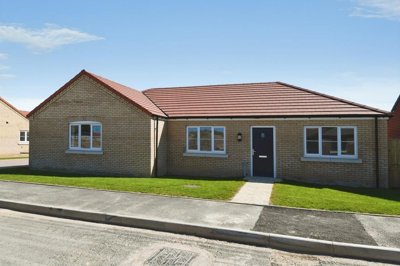
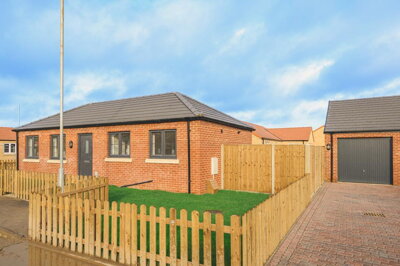
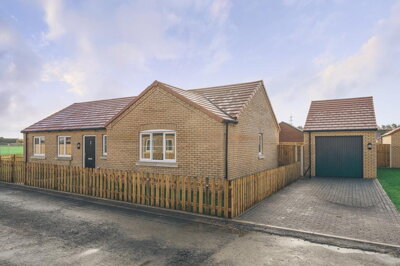
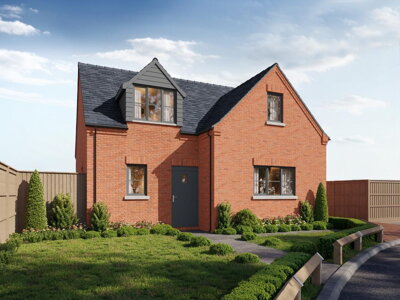
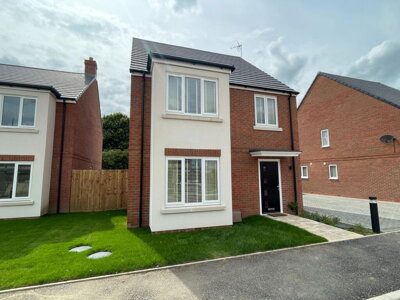
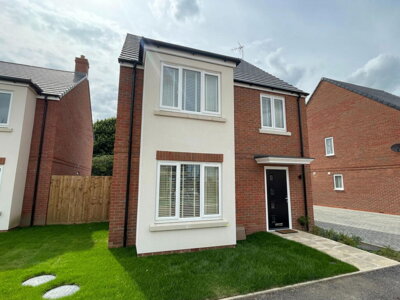
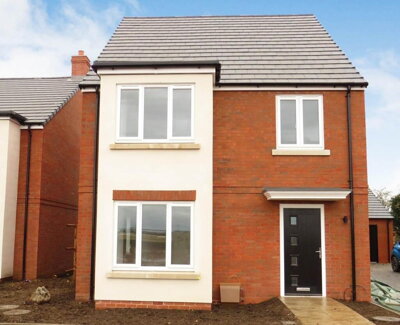
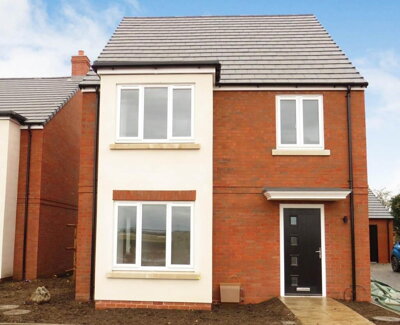
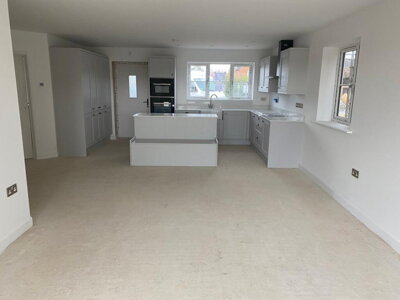
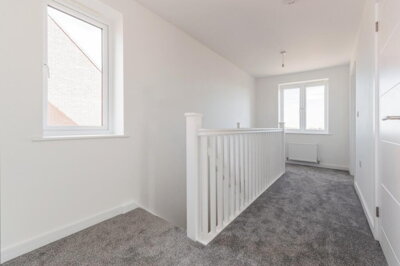
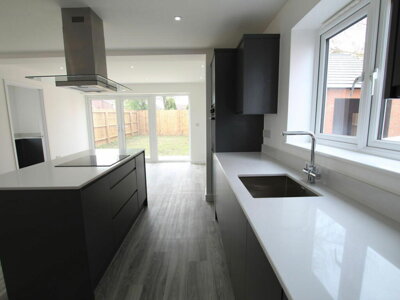
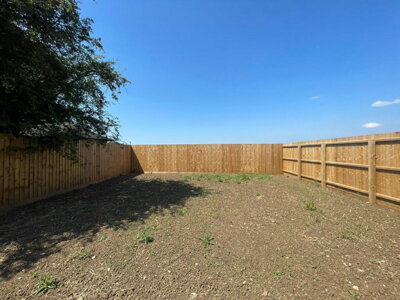
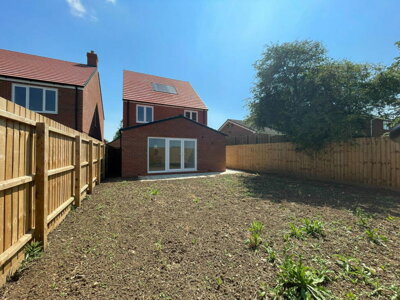
Browse 20 homes new builds in Elm, Fenland from local developer agents.
Three bedroom properties represent a significant portion of the Elm housing market, offering space for families with multiple reception rooms and gardens in many cases. Browse detached, semi-detached, and terraced options ranging across new residential developments.
£205k
14
0
106
Source: home.co.uk
Showing 14 results for 3 Bedroom Houses new builds in Elm, Fenland. The median asking price is £204,998.
Source: home.co.uk
Semi-Detached
10 listings
Avg £175,999
Detached
4 listings
Avg £241,875
Source: home.co.uk
Source: home.co.uk
Elm is a defined village in Fenland, so the housing market is not fed by the same volume of stock you would see in larger Cambridgeshire centres. The research provided for this page has no verified sold-price data, transaction counts or live listing total for the village, and we are not going to invent one. What tends to matter here is the practical stuff: off-road parking, a garden that is easy to keep on top of, and a room or corner that works for home working. In a local, relationship-led market, those details can carry as much weight as the headline price.
Homes that are tidy, well maintained and ready to live in usually attract the keenest interest in markets like this. With an older, extended or converted property, the conversation can shift very quickly to the roof, insulation, drainage and the quality of past work. A RICS Level 2 survey typically costs around £455 nationally, with many buyers paying between £416 and £639, although size and value can push the price up. For an Elm village home, it is often a sensible line in the budget before exchange, especially if you want hidden repair risks brought into the open.

Wide skies, flat roads and open Fenland countryside are part of day-to-day life in Elm. That rural setting is a draw for buyers who want a quieter routine, where the plot, the street and the immediate surroundings count for a lot. The supplied research does not give verified demographic data for this exact boundary, so we have not borrowed figures from a wider area that may tell the wrong story. Still, a Fenland parish such as Elm is often shaped by local routines, long-standing community links and a very practical attitude to housing.
For many buyers, the question is not simply “do we like it?”, but whether the home works for family life, downsizing or staying put for the long term. A garage, decent delivery access, usable garden space and a commute that does not become a daily grind may matter more than urban bustle elsewhere in Cambridgeshire. Because this is low-lying Fenland, drainage and surface water need a proper look, particularly near ditches, drains or older boundary lines. None of that rules Elm out. It just means the viewing and conveyancing questions need to be sharper.
No individual schools in Elm are named in the supplied research, so buyers should rely on current admissions information rather than old listings or local hearsay. If you are buying with children in mind, confirm the catchment first, then check the latest Ofsted reports, intake sizes and age ranges for nearby schools that serve the village now. Cambridgeshire County Council and the relevant school admissions pages are the places to verify it before an offer goes in. That check matters even more if the move depends on a particular primary or secondary school place.
Education can still steer a search in a small village, even where there is no school at the end of the road. Some parents will travel further for the right setting, but the route has to work on a wet Tuesday morning as well as it does on paper. It is also worth asking how sixth form, further education and specialist provision fit into the picture, without creating a long or awkward journey. If schooling is central to the move, put it into the shortlist early, not as a late-stage check.

Transport is one of the big reality checks with any village home, Elm included. The supplied research does not contain verified local timetable data, so we will not give exact journey times or make station claims that may sit outside the village boundary. A better approach is to map the daily run to work, school and shops before arranging a second viewing. Where a property depends on buses, look at the whole week’s frequency, not just the best peak-time service.
In Fenland villages, road access often does a lot of the heavy lifting. Parking and turning space are therefore worth checking carefully, because a house that photographs well can still be awkward if the driveway is tight or on-street parking is the only option. Cycling may be useful for shorter local trips, depending on your confidence with rural roads and poor weather. For regular commuting, try the route at your normal travel time and weigh up fuel, parking and time costs against the rest of the budget.
Rail travel from a village usually means building a journey in stages, rather than finding one neat connection from the doorstep. First there is the drive or bus from Elm to a station, then the train, then the last leg at the other end. That can work perfectly well, provided the timings hold together. A good mortgage agreement in principle, paired with a commute plan that is honest about the full journey, can make both the offer and the move feel much more controlled.
Look first at the exact street, lane or development, not just the village name. Elm’s housing can feel different from one corner to another, so check whether the property really fits your parking, garden, commuting and schooling needs before spending too much time on viewings.
With a mortgage agreement in principle in place, keep the search focused on homes that sit comfortably within budget. Take a checklist to viewings and ask about heating, drainage, access, broadband options and any maintenance history that could change what you are prepared to offer.
For many standard homes, a RICS Level 2 survey is a sensible starting point and usually costs around £455 nationally, with many buyers paying between £416 and £639. Damp, roof wear, movement and poor alterations can all come up before you are legally committed.
Conveyancing is where title problems, restrictive covenants, boundary questions and local searches start to matter. In a village purchase, getting your solicitor moving early can prevent a slow patch just when the rest of the chain is ready to exchange.
Before exchange, put the survey, mortgage offer and search results side by side and read them as one picture of the purchase. Any uncertainty should be raised before you sign, not left until after completion.
Once exchange has happened, the purchase is legally binding, and completion day is mostly about funds, keys and final checks. Leave a buffer for removals, meter readings, immediate repairs and any work you want to start straight away.
Drainage deserves proper attention with low-lying Fenland homes, along with surface water and the way the plot behaves in heavy rain. A house can look perfectly sound while older pipework, shallow foundations, boundary ditches or undocumented alterations sit in the background. Ask whether there has been recent flooding, damp treatment or external repair work, and whether the seller can show evidence. A survey, backed up by careful solicitor’s searches, is how those questions become facts rather than guesswork.
Tenure is another detail to pin down early. Leasehold flats and converted homes may come with service charges, ground rent and building management obligations, while freehold houses can still involve rights of way, shared access or responsibility for private roads and drains. If a property is listed or sits in a conservation area, changes to windows, roof materials or extensions may need extra consent, so do not leave that until late in the process. Planning history is worth checking too, especially where extensions, outbuildings or garage conversions affect value and resale appeal.
The small practical points are often the ones you notice most after moving in. Check broadband availability, mobile signal, bin collection arrangements and where bikes, bins and garden tools will actually go. Think about the house in winter as well as summer, because older village homes can feel very different once heating demand rises. A good Elm purchase should fit daily life without handing you avoidable maintenance surprises.
The supplied research does not give a verified average or median house price for Elm, Fenland, Cambridgeshire, so we will not put forward a guessed figure. Elm is a specific village boundary, and a wider area average can easily distort what buyers need to know. For a live view of the market, compare current asking prices on home.co.uk with recent completed sales from homedata.co.uk for properties inside the same village boundary. That is a much firmer way to judge value than relying on a broad regional average.
Council tax in Elm is set by the individual property, not by the village name. Fenland District Council is the local authority, and each home has a band based on its valuation band. Ask the agent for the current band before offering, then put it into the monthly budget alongside the mortgage and utilities. If the home has been extended or altered, check whether the council tax band still reflects the current layout.
Because the research supplied for this page does not identify specific schools for Elm, the safest route is to check current catchments and Ofsted reports directly. Families should review primary and secondary options, then confirm how admissions apply to the exact address under consideration. The school run matters too, because even a well-regarded school is less useful if the journey is difficult every day. If education is high on the list, ask the agent which schools buyers from that street usually look at.
Elm is a Fenland village, so public transport is usually more limited than it is in larger towns. The supplied research has no verified local timetable data, which means we cannot claim exact bus frequencies or rail journey times. Check daytime and evening buses, then work out how long it takes to reach the nearest rail options by car or bus. For plenty of buyers, the deciding point is not just the route, but whether it feels dependable week after week.
It can be, particularly if you want a home with steady local appeal rather than a quick-turnover investment. Village markets often favour properties with parking, usable gardens, good access and a layout that suits normal daily life. As the research does not include live local price growth or transaction counts for Elm, judge the investment case by comparing asking prices with recent sold data and by seeing how long similar homes remain on the market. A mortgage agreement in principle also helps if the right property appears and you need to act quickly.
Stamp duty is based on the price you pay, not on Elm as a location. For 2024-25, the main rates are 0% up to £250,000, 5% from £250,000 to £925,000, 10% from £925,000 to £1.5 million and 12% above that. First-time buyers pay 0% up to £425,000 and 5% from £425,000 to £625,000, with no relief above £625,000. As an example, a £300,000 purchase usually creates £2,500 in stamp duty, while a first-time buyer paying £400,000 would pay nothing.
Yes, particularly where the home is older, altered, or affected by drainage, boundary or access questions. A RICS Level 2 survey is often enough for a standard house in reasonable condition, giving you a useful view of defects before exchange. Nationally, it usually costs around £455, with many buyers paying between £416 and £639. For a very old, non-standard or heavily extended property, a more detailed survey may be the better call.
Stamp duty is one of the easier costs to plan for, because the thresholds are the same in Elm as they are elsewhere in England. The standard bands for 2024-25 are 0% up to £250,000, 5% from £250,000 to £925,000, 10% from £925,000 to £1.5 million and 12% above £1.5 million. First-time buyers get 0% up to £425,000 and 5% from £425,000 to £625,000, with no relief above £625,000. Once a property crosses a band, the bill can change quickly, so check the figures before making an offer.
A simple example makes the point. Buy at £275,000 and the tax is £1,250, because only the slice above £250,000 is charged at 5%. At £500,000, the bill is £12,500, before solicitor’s fees, survey costs, mortgage fees and moving expenses are added. Elm buyers should also allow for insurance, first repairs and utility setup costs, especially where the property needs work. Setting the full purchase budget early makes it easier to compare homes fairly and avoid overreaching for the first house that feels right.
Properties New Builds In London

Properties New Builds In Plymouth

Properties New Builds In Liverpool

Properties New Builds In Glasgow

Properties New Builds In Sheffield

Properties New Builds In Edinburgh

Properties New Builds In Coventry

Properties New Builds In Bradford

Properties New Builds In Manchester

Properties New Builds In Birmingham

Properties New Builds In Bristol

Properties New Builds In Oxford

Properties New Builds In Leicester

Properties New Builds In Newcastle

Properties New Builds In Leeds

Properties New Builds In Southampton

Properties New Builds In Cardiff

Properties New Builds In Nottingham

Properties New Builds In Norwich

Properties New Builds In Brighton

Properties New Builds In Derby

Properties New Builds In Portsmouth

Properties New Builds In Northampton

Properties New Builds In Milton Keynes

Properties New Builds In Bournemouth

Properties New Builds In Bolton

Properties New Builds In Swansea

Properties New Builds In Swindon

Properties New Builds In Peterborough

Properties New Builds In Wolverhampton

Enter your details to see if this property is within your budget.
Loans, cards, car finance
Estimated property budget
Borrowing + deposit
You could borrow between
Typical borrowing
Monthly repayment
Est. at 4.5%
Loan-to-value
This is an estimate only. Your actual budget may vary depending on interest rates, credit history, and personal circumstances. For an accurate affordability assessment, speak to one of our free mortgage advisors.
This calculator provides estimates for illustrative purposes only and does not constitute financial advice. Your home may be repossessed if you do not keep up repayments on your mortgage. Estimates based on 4.5% interest rate, repayment mortgage. Actual rates depend on your circumstances.
Homemove is a trading name of HM Haus Group Ltd (Company No. 13873779, registered in England & Wales). Homemove Mortgages Ltd (Company No. 15947693) is an Appointed Representative of TMG Direct Limited, trading as TMG Mortgage Network, which is authorised and regulated by the Financial Conduct Authority (FRN 786245). Homemove Mortgages Ltd is entered on the FCA Register as an Appointed Representative (FRN 1022429). You can check registrations at NewRegister or by calling 0800 111 6768.

We use cookies to show you personalised content and improve your experience of our website. Find out more in our Privacy policy and Cookie policy.