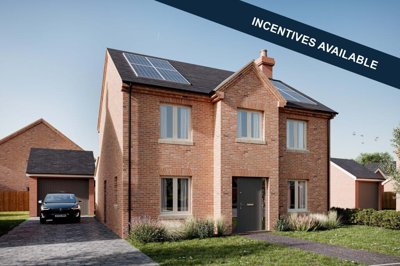
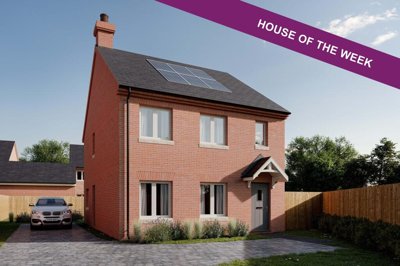
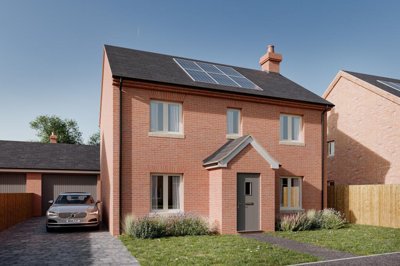
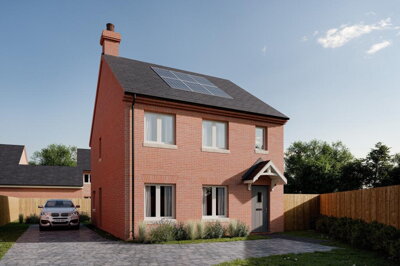
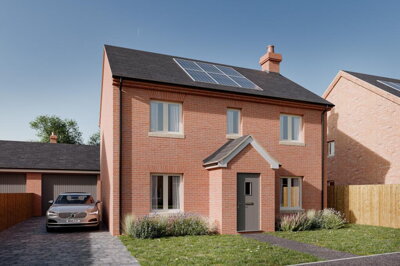
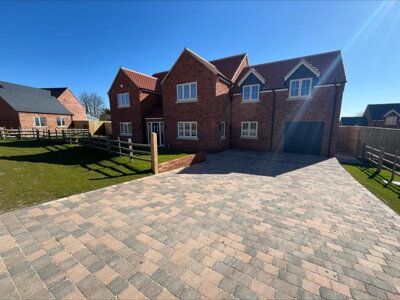
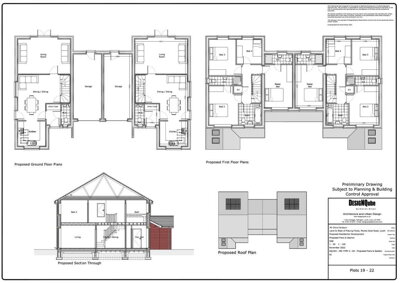
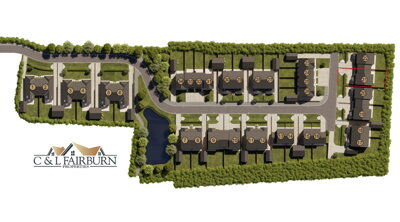
Browse 8 homes new builds in Elkington, East Lindsey from local developer agents.
The larger property sector typically features multiple bathrooms, substantial reception space, and private gardens or off-street parking. Four bedroom houses in Elkington span detached, semi-detached, and occasionally terraced configurations, with styles ranging from period properties to modern executive homes.
£0k
0
0
0
Source: home.co.uk
Showing 0 results for 4 Bedroom Houses new builds in Elkington, East Lindsey.
Elkington and the wider East Lindsey patch sit firmly within the rural Lincolnshire market, where interest in well-kept family homes in attractive settings keeps building. Detached houses with decent gardens, open countryside views and original features still pull plenty of attention from buyers after that classic English village feel. Our current listings cover the sort of homes common here, from character-filled period cottages with original details to newer family houses made to take advantage of the local scenery. Buyers come from across the East Midlands and further afield, drawn by the area’s strong quality of life.
East Lindsey is still one of the more affordable parts of England for buying a home, which gives purchasers real value compared with many other areas. In the wider district, properties usually sit between £150,000 for smaller cottages and homes, and £400,000 or more for larger detached family houses with land in premium spots. Recent sales data for similar villages in Northamptonshire shows detached homes changing hands between £150,000 and £935,000, which underlines just how broad the choice can be for different budgets. That mix appeals to first-time buyers, growing families and movers looking for more space, all of them attracted by sensible prices and the surrounding countryside.
Lincolnshire’s housing market has proved steady and resilient, with rural demand picking up as more people can work remotely from countryside locations. Elkington has benefited from that shift, since village homes here offer the space and quiet that many buyers now want. Local estate agents continue to see strong interest in character properties, and details such as fireplaces, beam ceilings and period windows add real appeal to older homes across the village and the surrounding parish.

Elkington captures the appeal of rural Lincolnshire living, with a slower pace that feels far removed from city pressures. The village and its parish have a proper sense of community, helped by local events, pub nights and village activities that bring people together through the year. Residents often talk about the friendly atmosphere, where neighbours know each other and take pride in the place they share. For families, and for anyone wanting to settle somewhere long term, that community spirit is a major draw.
With the Lincolnshire Wolds close by, striking landscapes are never far away, ideal for dog walks, weekend cycling or simply looking out over the countryside from home. Louth, the nearby market town, covers the everyday essentials, with supermarkets, independent shops, healthcare, pharmacies and plenty of places to eat, from traditional pubs to cafes. People value being able to reach those services without long journeys, while still having Lincoln, Hull and Grimsby within reasonable reach for work, nights out and specialist shopping.
In Elkington, village life tends to revolve around the pub, the parish church and the community spaces that keep people connected all year round. Seasonal gatherings mark the farming calendar too, with summer fetes, harvest events and Christmas celebrations giving plenty of chances to catch up. The quieter pace naturally lends itself to time outdoors, and the footpaths and bridleways crossing the farmland lead on to neighbouring villages. For many residents, the day-to-day improvements in quality of life more than make up for losing a few urban conveniences.

Families looking at Elkington will find schooling options within an easy travelling distance. Several primary schools in nearby villages and in Louth cater for younger children, and recent Ofsted inspections have rated a number of schools across the wider area as Good or Outstanding. The primary school in the neighbouring village teaches children up to age eleven, and it has a solid reputation for both academic standards and pastoral care. In rural schools, smaller class sizes often mean more individual attention and support in those early years, something parents regularly mention as a real advantage.
Secondary education is well served too, with comprehensive schools in Louth taking pupils from Elkington and the surrounding villages. They offer a broad curriculum and have strong GCSE and A-Level results, with many students going on to further education or training. For families after a different route, Lincolnshire also has grammar school choices in nearby towns, plus a number of independent schools for private education. College provision is available in Louth and the larger surrounding towns, opening paths to vocational qualifications, apprenticeships and academic degrees.
School quality has a noticeable effect on property values around Elkington, and homes in catchments for highly rated schools often sell at a premium. Parents arriving from towns and cities frequently point to the better educational atmosphere, with smaller class sizes, stronger links between schools and families, and less bullying among the main benefits. Children also get more freedom to explore in a safe rural setting, which helps family life in ways that go beyond exam results.

Elkington’s transport links are mainly road-based, with the A16 acting as the principal route into the larger towns and cities across Lincolnshire. It takes around 15 minutes to reach Louth by car, Grimsby is about 40 minutes away and Lincoln is roughly one hour. The M180 is within reach for longer journeys, giving access to the wider motorway network, including the M1 for trips towards London and the North. For most residents, road travel is the practical option, whether that means commuting or heading out for a day trip.
Public transport in rural Lincolnshire is more limited than in a town or city, so owning a car matters for most people thinking about Elkington. Bus routes do connect the village with nearby towns, though weekday services are usually hourly or even less frequent. Grimsby and Cleethorpes are the nearest railway stations, with direct trains to Sheffield, Manchester and other parts of the rail network. Plenty of residents combine remote working with the odd commute, helped by broadband improvements that now support home working across the village.
For anyone commuting regularly, daily life in Elkington often means planning journeys with some care. Lincoln is around one hour away via the A16 and A46, while Hull can usually be reached in about 45 minutes. Louth is the main shopping trip for many households, thanks to the 15-minute drive for supermarkets, banks and high street services. Even if someone works in cities such as Sheffield or Leeds, the position here still allows occasional office visits with sensible planning.

Buying in a rural village like Elkington means looking at a few things that differ from an urban purchase. Homes in the village and the surrounding countryside may be affected by farm activity, including seasonal machinery noise and livestock moving nearby. Planning rules can also vary quite a bit, especially for older cottages and former farm buildings that may be listed or sit within conservation area boundaries. Anyone considering a purchase should read the property details closely and get the right paperwork before going ahead.
Flood risk matters across Lincolnshire because of the county’s waterways and its coastal position. Elkington itself sits at a fair elevation, but some properties in the wider area can still face surface water or river flooding during heavy rain. Our usual advice is to check the Environment Agency flood risk maps for any property under consideration, and to put suitable insurance in place wherever any level of flood risk is present. A professional survey will also pick up damp, roof and structural issues, which are especially relevant in older homes.
Many homes in the village are built using traditional methods, including brick, stone and, in some cases, cob, so maintenance can be different from modern construction. Older properties often have solid walls without cavity insulation, single-glazed windows and ageing electrical or plumbing systems that will need updating over time. We advise all buyers to commission a professional building survey before they complete, since finding problems early is usually far cheaper than uncovering them after completion. A RICS Level 2 survey gives a detailed inspection of accessible areas and highlights anything that needs a closer look.

Elkington’s housing stock tells the story of a long-established village, with homes ranging from historic farm cottages to more recent family houses from the latter half of the twentieth century. Traditional building methods are common, and many properties use local brick and stone that define the village’s appearance. Period homes often have thicker walls than modern equivalents, which gives them useful thermal mass and helps moderate indoor temperatures through the year. Getting to grips with the construction type will help with maintenance planning and any renovation ideas.
Detached houses make up a sizeable share of the homes available in Elkington, giving buyers the room and privacy that many families want when moving out of town. These properties usually come with larger gardens, private driveways and flexible rooms that can change as family needs change. Because the village setting is so open, plenty of detached homes also enjoy countryside views from more than one aspect, which adds value to everyday living as much as to the boundary line.
The oldest homes in Elkington are often cottages, built when agricultural workers lived near the farms they served. They may have low ceilings, exposed beams and inglenook fireplaces, all of which give character but need the right kind of care. Some of these historic properties are listed, so any alteration or improvement needs Listed Building Consent from the local planning authority. Buyers thinking about renovation should take those restrictions into account from the outset and budget for them properly.
Take time to walk Elkington and the nearby villages before you commit to buying, so you can get a feel for the lifestyle, the amenities, the community atmosphere and the travel options. Try different times of day and different days of the week if you can, then you’ll have a clearer idea of village life and whether things like farm traffic or pub noise might affect a particular property.
We use Homemove to browse available properties in Elkington and arrange viewings with local estate agents, so homes can be seen in person and checked for condition and suitability. Make notes at each viewing and take photographs, as that makes comparison later much easier. It also helps to ask the selling agent about the property history, the reason for sale and any issues that could affect value.
Get a mortgage agreement in principle from a lender so you know your budget and can put yourself in a stronger position when offering on a home. Having that paperwork ready shows sellers that funding is already in place, which can matter a great deal where competition is strong and more than one offer may come in.
Work with your estate agent to put forward an offer that matches current market conditions and the true value of the property in the Elkington area. Your agent can talk through suitable offer levels using comparable sales and the particular circumstances of the property and seller. Leave room for negotiation, and stay open to completion dates where that is practical.
Book a RICS Level 2 survey before you proceed, especially for older homes in the village that may hide defects. The report will flag structural concerns, damp, roof condition and other matters that might influence your decision or justify price negotiation. For older or more complex properties, a more detailed RICS Level 3 survey may be the better option.
Instruct a solicitor to deal with conveyancing, local searches and the contract work so the legal transfer of ownership moves forward smoothly. They will order drainage and water searches, local authority enquiries and land registry documentation to check title and identify any issues affecting the property.
Once the paperwork is finished, transfer the funds and collect the keys so you can complete the purchase and move into your new home in Elkington. Buildings insurance should already be arranged from the completion date, and we recommend checking exactly which fixtures and fittings are included. Meter readings need taking on the day too, and utility suppliers should be told about the move.
Average price data for Elkington itself is limited, largely because the village is small and sales happen relatively infrequently. Even so, homes in the wider East Lindsey area usually fall between £150,000 and £400,000, depending on type, size and setting. Detached family houses with generous gardens and countryside views tend to sit towards the top of that range, while smaller cottages and terraced homes are often available at more accessible prices. Recent data for similar villages shows detached properties selling across a wide spread, with values shaped by each home’s features and exact location.
Properties in Elkington fall within East Lindsey District Council, which sets the council tax rates for the area. Most homes in rural Lincolnshire villages like this one sit in council tax bands A through D, the lower bands in England. As a result, annual council tax bills are relatively affordable compared with many other parts of the country. The exact band for any home can be checked through the Valuation Office Agency website using the address.
Several primary schools in nearby villages and in Louth serve the Elkington area, and a number have been rated Good or Outstanding by Ofsted. For secondary education, schools in Louth provide comprehensive options for pupils from the surrounding villages, including King Edward VI Grammar School for those who meet the entrance criteria. That range of schools makes Elkington appealing to families with children of different ages, and we would suggest visiting schools and reading their latest Ofsted reports before settling on any property.
Elkington has the limited public transport you would expect from a small rural village, with bus services running less often than in urban areas. Grimsby and Cleethorpes are the nearest railway stations, giving access to the wider rail network and services to Sheffield and Manchester. Most residents depend on car ownership for everyday travel, though the bus routes do provide a way to reach Louth and nearby towns without a vehicle. Buyers without cars should study the timetables carefully to check they suit essential journeys.
Elkington and the wider East Lindsey area can offer scope for property investment, particularly where there is steady demand for good rural homes with easy access to natural beauty and the Lincolnshire Wolds. There is rental demand from professionals and families after a countryside lifestyle, with the peaceful setting and community feel often proving attractive. Returns may be more modest than in urban buy-to-let markets, though, and investors need to think carefully about property management in a rural location where maintenance costs and void periods can differ from city lets.
Stamp duty land tax applies to every property purchase in England, including homes in Elkington. First-time buyers pay nothing on purchases up to £425,000, then 5% on the portion between £425,000 and £625,000. Standard buyers pay 0% on the first £250,000 of the price, 5% on the portion between £250,000 and £925,000, and 10% on the portion between £925,000 and £1.5 million. Any property above £1.5 million attracts a 12% charge on the remaining value. A stamp duty calculator for the exact purchase price will give the precise amount for your budget.
Occasionally, properties with land come onto the market in Elkington and the surrounding countryside, giving buyers paddocks, fields or larger gardens beyond the norm for standard homes. Those properties appeal to people after equestrian facilities, smallholding potential or simply the extra privacy and space that a bigger plot can bring. Homes with land usually cost more than similar properties without it, with the premium reflecting both the extra acreage and the lifestyle it opens up.
We recommend that every buyer has a RICS Level 2 survey before completing in Elkington, while the more detailed RICS Level 3 survey is sensible for older homes, properties with visible defects or anything of non-standard construction. A Level 2 survey inspects accessible areas such as roofs, walls, floors and ceilings, and it identifies defects that could affect value or need urgent attention. Because many village homes are older, an EPC assessment is also needed, and that will show the property’s current energy efficiency rating.
From 3.5% APR
Compare mortgage deals from leading lenders
From £499
Professional legal services for property purchases
From £350
Professional property survey for buyers
From £80
Energy performance certificate
Getting to grips with the full cost of buying in Elkington matters if you want a realistic budget and a smooth transaction. As well as the purchase price, buyers need to factor in stamp duty land tax, solicitor fees, survey costs, land registry fees and moving expenses. For standard buyers, stamp duty on residential property starts at 0% on the first £250,000 of the price, with higher rates on more expensive homes. Those extra costs can add several thousand pounds to the amount needed to buy a home, so it pays to plan ahead.
First-time buyers purchasing residential property in Elkington benefit from relief that lifts the zero-rate threshold to £425,000, so no stamp duty is due on homes priced up to that level. That can cut the upfront cost significantly for buyers entering the market, especially those looking at cottages or smaller family homes in the village. You should also budget for mortgage arrangement fees, property valuation fees, local authority searches and the cost of professional surveys to check condition. Comparing quotes from more than one provider can help buyers find better value for their own circumstances.
Conveyancing fees from solicitors generally sit between £500 and £1,500, depending on how complex the transaction is and the property value. Survey costs vary with the size of the home and the depth of inspection needed, with RICS Level 2 surveys starting from around £350 for standard properties and rising for larger houses. Removal charges depend on the distance travelled and the amount being moved, but setting aside £500 to £2,000 for moving services is sensible for most household moves. Buildings insurance needs to be in place from the completion date, and we recommend arranging it well ahead of time so cover runs without interruption.

Properties New Builds In London

Properties New Builds In Plymouth

Properties New Builds In Liverpool

Properties New Builds In Glasgow

Properties New Builds In Sheffield

Properties New Builds In Edinburgh

Properties New Builds In Coventry

Properties New Builds In Bradford

Properties New Builds In Manchester

Properties New Builds In Birmingham

Properties New Builds In Bristol

Properties New Builds In Oxford

Properties New Builds In Leicester

Properties New Builds In Newcastle

Properties New Builds In Leeds

Properties New Builds In Southampton

Properties New Builds In Cardiff

Properties New Builds In Nottingham

Properties New Builds In Norwich

Properties New Builds In Brighton

Properties New Builds In Derby

Properties New Builds In Portsmouth

Properties New Builds In Northampton

Properties New Builds In Milton Keynes

Properties New Builds In Bournemouth

Properties New Builds In Bolton

Properties New Builds In Swansea

Properties New Builds In Swindon

Properties New Builds In Peterborough

Properties New Builds In Wolverhampton

Enter your details to see if this property is within your budget.
Loans, cards, car finance
Estimated property budget
Borrowing + deposit
You could borrow between
Typical borrowing
Monthly repayment
Est. at 4.5%
Loan-to-value
This is an estimate only. Your actual budget may vary depending on interest rates, credit history, and personal circumstances. For an accurate affordability assessment, speak to one of our free mortgage advisors.
This calculator provides estimates for illustrative purposes only and does not constitute financial advice. Your home may be repossessed if you do not keep up repayments on your mortgage. Estimates based on 4.5% interest rate, repayment mortgage. Actual rates depend on your circumstances.
Homemove is a trading name of HM Haus Group Ltd (Company No. 13873779, registered in England & Wales). Homemove Mortgages Ltd (Company No. 15947693) is an Appointed Representative of TMG Direct Limited, trading as TMG Mortgage Network, which is authorised and regulated by the Financial Conduct Authority (FRN 786245). Homemove Mortgages Ltd is entered on the FCA Register as an Appointed Representative (FRN 1022429). You can check registrations at NewRegister or by calling 0800 111 6768.

We use cookies to show you personalised content and improve your experience of our website. Find out more in our Privacy policy and Cookie policy.