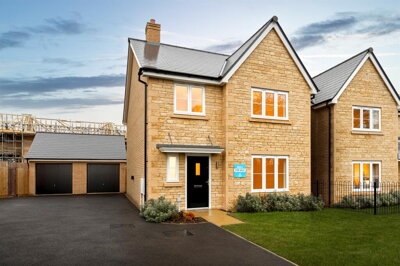
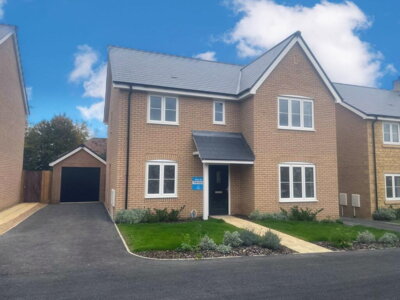
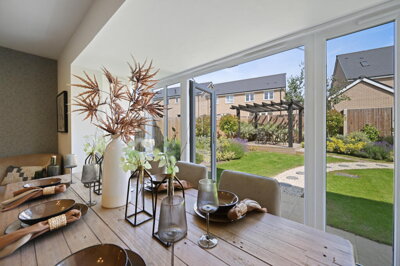
Browse 3 homes new builds in Easton on the Hill from local developer agents.
The larger property sector typically features multiple bathrooms, substantial reception space, and private gardens or off-street parking. Four bedroom houses in Easton On The Hill span detached, semi-detached, and occasionally terraced configurations, with styles ranging from period properties to modern executive homes.
Easton on the Hill’s housing market has the feel of a proper English village, with mostly detached and semi-detached homes at prices that compare well with nearby cities. Detached properties sit at the top end, averaging around £550,000, while semi-detached homes usually sell for approximately £555,000. Terraced houses are the most affordable way in, with average prices around £306,667, which makes them a sensible choice for first-time buyers and anyone after a smaller place without giving up village life. Our platform refreshes regularly, so we capture new listings as soon as they appear.
Over the past twelve months, the numbers have shifted only gently, with values across the PE16 6 postcode area down by roughly 4 percent overall. Terraced homes have moved against that pattern, rising by 4 percent, which points to solid demand for smaller homes where space is at a premium. Detached properties have seen a bigger change, down by around 10 percent, so larger family houses may now offer better value. Semi-detached homes have fallen by 7 percent, bringing them a little closer to terraced pricing and giving buyers more choice between the two.
About 10 property sales have been recorded in Easton on the Hill over the last twelve months, which fits the village’s close-knit feel and the limited stock that is normal for a place this size. Homes that match a buyer’s brief can move quickly, so viewing early matters. No active new-build schemes have been verified within the village itself, which means buyers wanting modern homes may need to look to nearby towns or accept older properties that might need work. Our team keeps an eye on listings across all major portals, bringing the market together in one place.
Easton on the Hill is all about community spirit and the quieter rhythm of rural North Northamptonshire. Around the church and village green, historic homes help give the village its familiar, picture-postcard character. Low traffic, friendly neighbours and birdsong rather than urban noise are part of the appeal, yet everyday amenities are still within reach. Regular events and local gatherings also help keep the village social, which is part of why many families and individuals settle here.

Families in Easton on the Hill and the surrounding area have education options for every stage of schooling. Primary schools nearby serve younger children, and many have good Ofsted ratings with strong local reputations. Catchment areas still matter, though, because places at popular schools can be competitive depending on how close a home is and whether siblings are already on roll. The Church of England primary school in the village offers foundation stage education close to home, which cuts down on travel for younger families.
For secondary education, the wider North Northamptonshire area includes grammar schools in nearby towns, where places are awarded through academic selection. Stamford and Peterborough are both popular with families from Easton on the Hill and nearby villages, thanks to long-standing reputations for strong results. Admission rules and entrance exam requirements should always be checked carefully, since they can change and usually involve tests taken in Year 6. Non-selective secondary schools in the area also provide broad education for pupils of all abilities, and several deliver good GCSE outcomes that support routes into further education or vocational training.
For those looking ahead to sixth form, the choice includes school sixth forms, further education colleges in nearby towns and sixth form colleges with a wide spread of A-level subjects. Peterborough and Stamford widen the field considerably, with established providers offering both academic and vocational routes, including T-levels, apprenticeships and traditional A-level programmes. It is worth checking performance figures, such as exam results and the share of pupils moving on to higher education or work, before deciding where to buy based on education.

Transport is one of Easton on the Hill’s strongest practical points, thanks to its position near the main routes that serve the region. The A1 runs close by, giving direct access to Peterborough to the north, with its East Coast Main Line station, and Stamford to the east, with its historic centre and local facilities. For commuters and visitors alike, that makes the road a key link to jobs, shops and leisure across the East Midlands and further afield. Journey times to Peterborough city centre are usually around 20 minutes, and Stamford is typically about 15 minutes away.
The A14 adds another useful connection, linking the area with Cambridge to the south-east and the wider motorway network beyond. For people working in Cambridge’s technology and research sectors, or in Peterborough’s administrative and service industries, the village gives a workable base with journeys that remain manageable. Easton on the Hill sits neatly between these larger towns, so the car is still the main way around for most residents, although the A47 also provides a route towards Leicester and the Midlands. Local roads stay relatively quiet beside urban traffic, which keeps the daily drive less fraught than in bigger places.
There are bus services linking the village to nearby towns, although the timetable is limited compared with urban routes and usually focuses on weekday working hours. Train travel means heading to the larger nearby stations, with Peterborough offering East Coast Main Line services to London King's Cross in approximately 45 minutes, along with links to Edinburgh and destinations across the country. Stamford station provides access to the Birmingham to Peterborough line for regional journeys. For flights, East Midlands Airport and Stansted Airport are both within reasonable driving distance, at about 90 minutes and 75 minutes respectively, opening up destinations across Europe and beyond.

Before starting a search in Easton on the Hill, we recommend securing a mortgage agreement in principle from a lender. It sets out how much you may be able to borrow and gives extra weight to any offer on a property. In a village market where homes can attract several interested parties, that bit of preparation matters. Our platform also points buyers towards mortgage providers who know the local market and can introduce brokers familiar with the PE16 6 area.
It pays to spend time in Easton on the Hill at different times of day and on different days of the week so the village feels properly understood. We suggest visiting local amenities, speaking to residents about day-to-day life, and looking through local property sales history on our platform. A clear picture of the PE16 6 area helps make sure the purchase fits long-term plans. It is also sensible to think about the A1 and any noise it may bring, drainage during heavy rainfall, and the age and construction of the homes being viewed.
Get in touch with estate agents marketing properties in Easton on the Hill to arrange viewings. Our platform gives direct links to current listings from all major agents active in the village. We would always advise viewing more than one home so the differences are easier to judge, and taking time to look at condition, garden orientation, parking and how close neighbours are. The age of the property matters too, as do any signs of maintenance that could lead to larger bills later on.
Once an offer has been accepted, we advise instructing a RICS Level 2 Survey (HomeBuyer Report) so the property’s condition can be checked properly. The village’s clay soil geology, along with the number of older homes that may carry shrink-swell risks, means this survey can pick up subsidence risk, damp and roof defects. For homes in the £300,000 to £400,000 range, survey fees usually sit between £500 and £700, depending on the size of the property and the firm chosen. Our platform offers RICS Level 2 Surveys for properties in Easton on the Hill, carried out by local surveyors who know the common issues affecting homes in this part of North Northamptonshire.
A solicitor should be appointed to deal with the legal side of the purchase, including searches, contracts and land registry matters. For standard transactions in the area, conveyancing usually starts from around £500, although more involved cases, such as listed buildings or unusual titles, can cost more. The solicitor handles contact between all parties, carries out the required searches, including local authority, drainage and water, and environmental searches specific to the PE16 6 area, and works towards a smooth transfer of ownership.
After searches come back satisfactorily and finance is confirmed, contracts are exchanged and the deposit is paid, usually 10 percent of the purchase price. Completion normally follows within a few weeks, when the keys to the new home in Easton on the Hill are handed over. Our platform supports buyers through each stage, from arranging the mortgage to completion and moving day logistics.
Homes in Easton on the Hill deserve close inspection because of the geological conditions across the wider area. The underlying clay soils, made up of Boulder Clay deposits over Jurassic Oxford Clay bedrock, carry a moderate to high shrink-swell risk, and that can lead to movement in properties with shallow foundations during extreme weather. We would look carefully for cracking in walls that might point to subsidence or heave, and review the foundation history where possible. Properties built before the 1960s may have shallower strip foundations that are more vulnerable when the clay dries and contracts, or when wet weather makes it expand.
Surface water flooding is another point to check when looking at homes in the village. Easton on the Hill is not beside any major river, but low-lying spots and properties with poor drainage can still flood after heavy rainfall. We would suggest checking the Environment Agency flood maps for the exact location and asking the seller about any previous flooding. Raised floor levels and decent drainage help, although it is wise to investigate thoroughly before committing to a purchase in any low-lying part of the village. Homes on higher ground may be better protected from surface water flooding.
A number of homes in the village are likely to sit within or close to conservation areas, or to be listed, given the traditional character of North Northamptonshire villages and their historic centres around churches and village greens. Those designations bring planning restrictions on alterations, extensions and external changes, so buyers need to understand them before going ahead. Listed buildings need consent for most external works and may come with maintenance demands that add to running costs. For older homes, a specialist survey from a conservation-accredited surveyor or architect can be sensible, as it helps assess condition and any work needed to keep the character intact.
Energy efficiency varies widely across the housing stock here, and older homes are especially likely to have solid walls without modern insulation. That has a direct effect on comfort and on running costs, because heating a solid-wall property can be much more expensive than heating a modern cavity-wall house. We would always check the Energy Performance Certificate rating and think about the cost of insulation or heating upgrades. Some older properties may qualify for grants or subsidies for energy improvements, although these usually need professional assessment and installation by approved contractors.
Electrical safety and overall condition need careful attention in older village properties. Wiring in homes built before the 1970s may need full rewiring to meet current standards and handle modern electrical use. Signs to watch for include old consumer units, worn visible wiring, or sockets and switches that look damaged or dated. Timber defects such as woodworm or rot can affect older homes throughout the village, especially where solid brick construction hides timbers inside the walls. A survey by a qualified professional should pick up these matters before a purchase goes too far.
Recent sales data puts the average house price in Easton on the Hill at approximately £425,625 for the PE16 6 postcode area. Detached homes average around £550,000, semi-detached properties around £555,000, and terraced houses approximately £306,667. Over the last twelve months the market has fallen by 4 percent overall, although terraced homes have grown by 4 percent, which points to continuing demand for more affordable village stock. With only around 10 properties changing hands each year, the market is slow moving, but demand from buyers who want village life in North Northamptonshire helps keep values steady.
Properties in Easton on the Hill fall under East Northamptonshire Council for administration, and council tax rates are set annually according to banding. Bands run from A through H, based on property value, and most homes in the village tend to sit in bands B through E. The exact band depends on the property’s assessed value at the time of construction or last sale, and the current rate should be checked with the local authority or on the government council tax website before working out the budget. East Northamptonshire Council also offers online tools where an address search will show the specific band and current annual charge for any home in the village.
Easton on the Hill and the wider North Northamptonshire area have good primary school choices for the village community, with several nearby schools holding good or outstanding Ofsted ratings. Secondary education includes grammar schools and comprehensives in nearby towns, with grammar places awarded on academic ability and comprehensive admissions shaped by catchment areas. Families should look at current Ofsted ratings, exam performance and admissions catchments when weighing up provision for children, since rural catchments can stretch a long way from the school itself.
Local bus services connect Easton on the Hill with nearby towns, but the timetable is often limited to certain hours and days compared with what is available in urban areas. The village’s main transport strength is still the road network, with the A1 and A14 giving access to Peterborough, Cambridge and the wider region within reasonable driving times. Peterborough and Stamford stations provide East Coast Main Line and regional services for longer trips, with Peterborough offering direct trains to London and Edinburgh. For day-to-day commuting, most residents will still find the car the most practical choice.
Easton on the Hill appeals to buyers who want a quiet village lifestyle but still need practical links to jobs in Peterborough, Cambridge and Stamford. Recent changes in property values may open the door to larger family homes at lower prices than the peaks seen before. Limited stock and steady demand from people looking for village life continue to support long-term value. Older homes needing renovation can also present an opportunity, especially solid-wall properties that could benefit from insulation work to improve energy efficiency.
Stamp duty Land Tax is charged on your purchase according to current government thresholds. The standard rates are nil up to £250,000, 5 percent from £250,000 to £925,000, 10 percent up to £1.5 million, and 12 percent above that. On a typical village property priced around the average of £425,625, a non-first-time buyer would pay approximately £8,781 in stamp duty after the nil-rate band. First-time buyers purchasing up to £625,000 receive relief that lifts the nil-rate threshold to £425,000, which can cut the cost by several thousand pounds compared with the standard position.
A RICS Level 2 Survey (HomeBuyer Report) is strongly advised for any purchase in Easton on the Hill, given the number of older homes with solid walls and the local clay-based ground conditions. The survey can highlight subsidence risk linked to clay shrink-swell movement, damp issues that are common in older buildings, and roof defects such as slipped tiles or failing leadwork. For listed buildings or very old homes dating from before 1900, a fuller RICS Level 3 Survey (Building Survey) may be the better choice because historic construction can be more complex. An EPC assessment also gives the energy efficiency information needed for marketing and helps buyers judge likely heating costs.
From £500
A straightforward condition report for standard properties.
From £750
Detailed structural survey for older or complex properties
From £80
Energy performance certificate required for sale
From £499
Legal services for your property purchase
Buying in Easton on the Hill brings costs beyond the purchase price, so it is sensible to budget for them early. Stamp duty Land Tax is the biggest extra expense, with the current rates applying to each portion of the price within the relevant threshold. On a typical village home priced around the average of £425,625, stamp duty for a non-first-time buyer comes to approximately £8,781 after the nil-rate threshold of £250,000. That figure applies the 5 percent rate to the amount between £250,000 and £425,625, which is £175,625.
First-time buyers purchasing homes up to £625,000 benefit from relief that raises the nil-rate threshold to £425,000, which reduces stamp duty significantly for eligible buyers at or below that price point. For a first-time buyer paying the village average of £425,625, only a minimal amount of stamp duty would be due, which is a saving of approximately £8,750 compared with the standard rate. Homes above £625,000 do not qualify for first-time buyer relief, so buyers at that level should budget using the standard calculations.
Budgeting for survey costs is important, and RICS Level 2 Surveys for homes in the £300,000 to £400,000 range usually cost between £500 and £700, depending on property size and the surveying firm selected. Detached homes generally cost more to survey than terraced or semi-detached properties because they have a larger footprint and more complicated roof structures. Conveyancing fees for standard purchases in North Northamptonshire normally start from around £500 to £1,000, depending on complexity and whether the property is freehold or leasehold. Searches, including local authority, drainage and water, and environmental searches for the PE16 6 area, typically add several hundred pounds to legal fees and are vital for spotting any issues.
You should also allow for mortgage arrangement fees, which vary by lender but often sit between £500 and £1,500, and for removal costs, which depend on how much is being moved and the distance involved. Buildings insurance needs to be in place from completion, and life insurance or income protection may also be worth considering, depending on personal circumstances. Older properties can bring renovation costs too, since solid-wall homes may need serious investment to improve insulation and bring comfort and energy efficiency up to modern standards.
Properties New Builds In London

Properties New Builds In Plymouth

Properties New Builds In Liverpool

Properties New Builds In Glasgow

Properties New Builds In Sheffield

Properties New Builds In Edinburgh

Properties New Builds In Coventry

Properties New Builds In Bradford

Properties New Builds In Manchester

Properties New Builds In Birmingham

Properties New Builds In Bristol

Properties New Builds In Oxford

Properties New Builds In Leicester

Properties New Builds In Newcastle

Properties New Builds In Leeds

Properties New Builds In Southampton

Properties New Builds In Cardiff

Properties New Builds In Nottingham

Properties New Builds In Norwich

Properties New Builds In Brighton

Properties New Builds In Derby

Properties New Builds In Portsmouth

Properties New Builds In Northampton

Properties New Builds In Milton Keynes

Properties New Builds In Bournemouth

Properties New Builds In Bolton

Properties New Builds In Swansea

Properties New Builds In Swindon

Properties New Builds In Peterborough

Properties New Builds In Wolverhampton

Enter your details to see if this property is within your budget.
Loans, cards, car finance
Estimated property budget
Borrowing + deposit
You could borrow between
Typical borrowing
Monthly repayment
Est. at 4.5%
Loan-to-value
This is an estimate only. Your actual budget may vary depending on interest rates, credit history, and personal circumstances. For an accurate affordability assessment, speak to one of our free mortgage advisors.
This calculator provides estimates for illustrative purposes only and does not constitute financial advice. Your home may be repossessed if you do not keep up repayments on your mortgage. Estimates based on 4.5% interest rate, repayment mortgage. Actual rates depend on your circumstances.
Homemove is a trading name of HM Haus Group Ltd (Company No. 13873779, registered in England & Wales). Homemove Mortgages Ltd (Company No. 15947693) is an Appointed Representative of TMG Direct Limited, trading as TMG Mortgage Network, which is authorised and regulated by the Financial Conduct Authority (FRN 786245). Homemove Mortgages Ltd is entered on the FCA Register as an Appointed Representative (FRN 1022429). You can check registrations at NewRegister or by calling 0800 111 6768.

We use cookies to show you personalised content and improve your experience of our website. Find out more in our Privacy policy and Cookie policy.