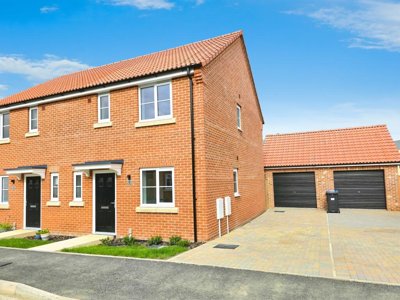
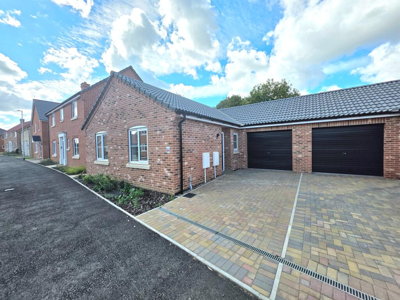
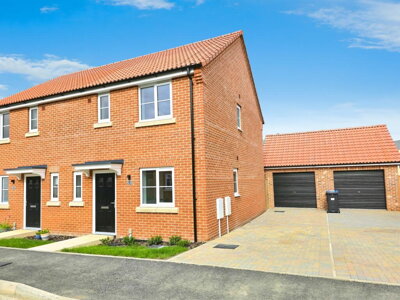
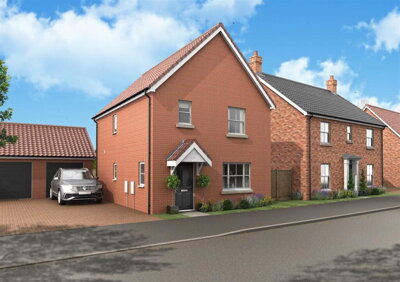
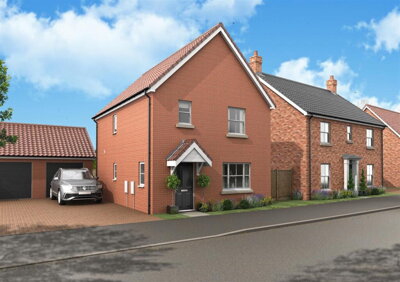
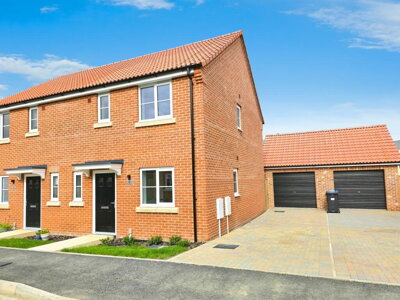
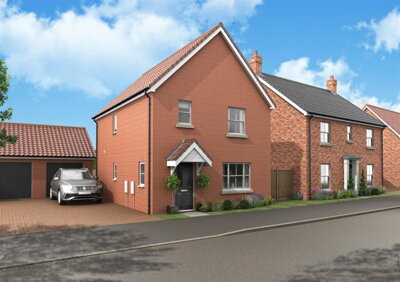
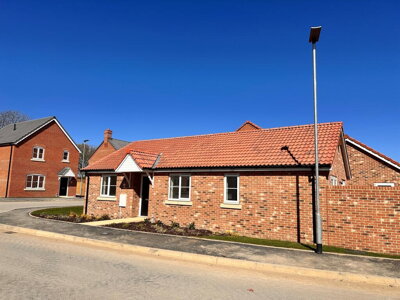
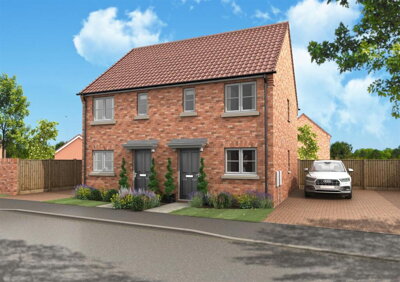
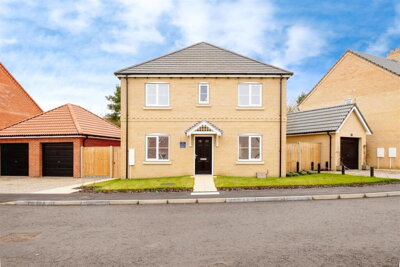
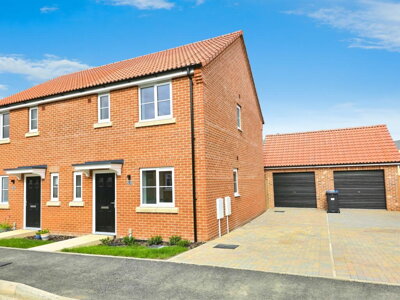
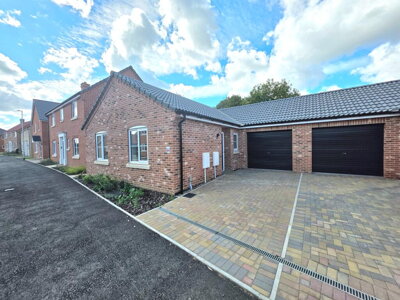
Browse 12 homes new builds in Earsham, South Norfolk from local developer agents.
The Earsham property market offers detached, semi-detached, and terraced houses spanning various price ranges and neighbourhoods. Each listing includes detailed property information, photographs, and direct contact with the marketing agent.
£280k
9
0
137
Source: home.co.uk
Showing 9 results for Houses new builds in Earsham, South Norfolk. The median asking price is £280,000.
Source: home.co.uk
Semi-Detached
5 listings
Avg £279,000
Detached
3 listings
Avg £501,667
Terraced
1 listings
Avg £275,000
Source: home.co.uk
Source: home.co.uk
Earsham has seen a sharp rise in property values over the past twelve months. Depending on which dataset we look at, the overall average house price sits between £270,000 and £294,118. homedata.co.uk puts the average sold price over the last year at £294,118, while home.co.uk gives £270,000 for the same period. home.co.uk also shows £294,118 as of February 2026, and both sources point to strong upward movement, with annual growth reaching 28.3%. That gap reflects the mix of homes changing hands and the way each source compiles its figures, but the direction of travel is the same, sustained demand for Earsham property. Detached family homes make up much of Earsham's stock and achieve average prices of about £427,500 on home.co.uk listings data. Semi-detached homes offer a lower entry point at around £247,143. A good share of the village is made up of historic housing, from manor houses to old farmhouses and cottages, often built in red brick with slate hipped roofs that are typical of the local style. These period homes regularly come with generous plots and original details that appeal to buyers after genuine Norfolk character. There are no active new build schemes within the Earsham postcode area itself, NR35 2xx, though buyers may find more recent homes in nearby Loddon, Brooke, and Tivetshall St. Margaret. Recent schemes in the wider area include Loddon Rise on Beccles Road, The Mallows in Brooke, and Elm Tree Farm in Tivetshall St. Margaret. Limited new stock inside the village boundary has helped support the resale market, where smartly presented homes often attract premium valuations because demand for the village lifestyle remains steady. Over the past decade, 314 properties have changed hands in Earsham, with the latest sale recorded in October 2025 at £275,833 for a substantial family home. On headline pricing, Earsham again comes out at between £270,000 and £294,118 depending on source. homedata.co.uk records £294,118 as the average sold price over the past year, and home.co.uk shows £270,000 for current listings. home.co.uk lists £294,118 as of February 2026, which marks a 28.3% rise over the previous twelve months. Detached homes average around £427,500, while semi-detached properties sit closer to £247,143. Growth has been strong, with prices up 36% year-on-year and now 20% above the 2021 peak of £307,556. For council tax, properties in Earsham come under South Norfolk Council. Band valuations in this part of Norfolk matter for overall buying costs as much as the purchase price itself.
Detached family houses are the mainstay of the Earsham market, and home.co.uk listings data places their average at about £470,000. Semi-detached homes offer a more accessible route in, at around £221,250. Much of the village's older stock is listed, spanning manor houses, farmhouses, and cottages, with the familiar local combination of red brick and slate hipped roofs. Buyers drawn to period homes often find large plots and retained architectural features that give these properties their Norfolk character.
Within the Earsham postcode area itself, NR35 2xx, there are currently no active new build developments. Buyers wanting a more recent home usually need to widen the search to nearby villages such as Loddon, Brooke, and Tivetshall St. Margaret, where schemes including Loddon Rise on Beccles Road, The Mallows in Brooke, and Elm Tree Farm in Tivetshall St. Margaret have added stock. Because there is so little new supply inside the village boundary, the second-hand market remains firm, and well-kept homes can achieve premium valuations. Over the last decade, 314 properties have changed hands in Earsham, and the most recent sale was recorded in October 2025 at £400,000 for a substantial family home.
Buyers in Earsham should be ready for traditional construction. Many of the village's older buildings began as timber-framed structures before later being faced in brick, and converted agricultural buildings often still show their original form through high ceilings, exposed beams, and former farmyard elevations. All of that adds to Earsham's architectural depth, but it can also bring repair and maintenance points that we would want checked carefully before exchange.
Set in the Waveney Valley, Earsham is a small village with a long memory, lying on the Norfolk and Suffolk border in one of England's least spoiled rural landscapes. Its name comes from the Old English "Ern's ham", which points to settlement in the early medieval period, and much of the place still feels untouched by modern development. At the centre stands the Church of All Saints, a Grade I listed building that acts as both a landmark and a visible sign of the community's long commitment to its heritage.
The River Waveney runs along Earsham's southern edge, giving residents access to riverside walks, fishing, and wildlife watching. Around it sits a patchwork of arable fields, grazing meadows, and hedgerows that support a good range of birdlife and plant interest. That setting has shaped more than the local economy, it still defines the feel of the village, where farm buildings, historic field patterns, and the seasonal pace of rural life remain easy to read. Earsham Hall, which is Grade II*, together with the many listed farmhouses across the village, points to a long history of prosperous farming families shaping the built environment over centuries.
The Grade II listed Queen's Head gives Earsham a traditional village pub and a natural meeting point for local life. For a wider range of shops and services, residents typically look to Bungay, the nearest market town, just two miles away, where there are independent shops, cafes, restaurants, and professional services. The wider South Norfolk area also offers strong walking and cycling, with the Norfolk Broads to the north and the Suffolk coast within sensible driving distance for a day out. Earsham tends to draw families, retired couples, and professionals who want relief from urban congestion without losing access to jobs in Norwich and Ipswich.
Earsham itself is small, so many day-to-day extras come from the surrounding settlements. Bungay, reached by the A143 or the riverside road, has a weekly market, several supermarkets, medical and dental practices, and a leisure centre. Diss, around 12 miles to the west, adds more shopping, a cinema complex, and direct trains to London. Taken together, those nearby towns cover most everyday needs, while Earsham keeps the quieter character and sense of community that make rural Norfolk so appealing.

Families looking at Earsham have primary and secondary choices within straightforward reach. In the village itself, Earsham Church Primary School serves children in the early years and Key Stage 1, and its small scale can mean close community links and more individual attention. From there, pupils can move on to larger primary schools in nearby villages and towns, which gives parents a broader choice if they want a particular school ethos or religious setting.
For secondary education, most families look towards Bungay and Diss. Both market towns have comprehensive schools with sixth form provision, and students travel in from villages across South Norfolk to attend them. Families considering grammar school education would usually need to look to Norwich, about 25 miles away, so transport planning becomes part of the decision for older children. Norfolk and Suffolk also offer several independent schools for those who want a different route.
Norwich provides the main further and higher education offer for Earsham, including the University of East Anglia, Norwich University of the Arts, and the Norfolk and Suffolk Sixth Form College. Between them, they cover undergraduate study, vocational qualifications, and professional development courses for students from across the region. When we help families research schools, we always suggest checking Ofsted reports and performance tables for like-for-like comparisons across key stages and subjects. That access to education within commuting distance is one reason Earsham appeals to families planning not only for now but for the years ahead.
For very young children, most nursery and preschool provision is found in Bungay. Several settings offer flexible childcare that can suit working parents, and childminders in the Earsham area provide another option for families who prefer a more personalised home environment. Rural places can fill quickly, especially during busy moving periods, so we would always advise registering interest well ahead of a move.

Earsham is rural, though not cut off. The village lies about three miles from the A143, giving direct road access towards Bury St Edmunds to the south and Great Yarmouth to the northeast. For longer trips, the A14 trunk road can be reached in roughly 30 minutes' drive, linking across to Cambridge, Felixstowe port, and the wider motorway network. Norwich city centre is about 25 miles north, and under normal traffic conditions the drive is around 45 minutes.
Rail options come from Diss and Beccles. From those stations, residents can travel to Norwich, Ipswich, and London Liverpool Street, with journeys to the capital usually taking between 90 minutes and two hours depending on the train. Diss is roughly 12 miles from Earsham and has regular Greater Anglia services, which makes it the more practical station for many commuters heading to London or Norwich. Beccles, on the East Suffolk line, offers another route, with connections to Lowestoft and the heritage Bittern Line to Norwich via Reedham. Bus links run through Lynley's and other local operators to nearby villages and market towns, but frequencies are thinner than in urban areas, so most households still find a car advisable.
South Norfolk's flatter landscape suits cycling, and Earsham links into a network of quiet lanes and wider National Cycle Network routes. The Waveney Valley also gives plenty of scenic options for leisure riding, and local clubs or informal groups add a social side for regular cyclists. For air travel, Norwich International Airport sits about 30 miles to the north, with domestic flights and onward links to European destinations. That mix of road, rail, and air access means residents can reach work, study, and leisure opportunities across the region while still living in the countryside.
Commuters into Norwich should expect a route made up mainly of A-road driving through open countryside. On the final approach, there are views towards the cathedral and the River Wensum. Peak-time traffic on the A47 can be heavier, so some people prefer to use park and ride sites on the edge of Norwich for easier access into the city centre and main employment areas.

We would start with the live Earsham market and the surrounding villages, using Homemove to compare asking prices, property types, and the features currently on offer. It also helps to look at recent sold prices and wider price trends so expectations stay realistic and stronger-value properties stand out. We pay close attention to the gap between asking and achieved prices, and to time on market, because both can tell you a lot about possible negotiating room.
Once a shortlist starts to take shape, the next step is to contact the estate agents handling those homes and book viewings. Seeing a property at more than one time of day can tell you far more about noise, natural light, and the general feel of the area. We also recommend taking notes and photos so later comparisons are easier. In a village such as Earsham, visits on different days of the week can reveal changes in activity levels and in how convenient local amenities actually are.
Before offering, it makes sense to approach lenders for a mortgage agreement in principle. Sellers and agents tend to take buyers more seriously when finances are already outlined, and that can improve your position in negotiations. We can also use Homemove's mortgage comparison tools to help find competitive rates that fit your circumstances. With Earsham's higher average values, the key is making sure the agreement covers the full purchase price you expect to pay.
When the right property comes up, the offer is submitted through the estate agent. If it is accepted, we would then instruct a conveyancing solicitor to deal with the legal side of the purchase. Our conveyancing partners work on competitive fixed fees and know rural Norfolk transactions well, including listed buildings and the unusual title arrangements that often come with older village properties.
At that stage, we would normally arrange a RICS Level 2 home survey so the condition of the property is properly assessed and any structural or maintenance concerns are identified early. Alongside that, the solicitor carries out local authority, drainage, and environmental searches to uncover anything that could affect the property. In Earsham, flood risk deserves particular attention because of the riverside setting, especially for homes in lower-lying parts of the village.
Once the searches are back, the mortgage offer is in place, and everything is satisfactory, contracts can be exchanged and the deposit paid. On the agreed completion date, the solicitor sends the balance of funds and the keys are released for the new Earsham home. We would always make sure buildings insurance is arranged from exchange.
Buying in Earsham calls for a few checks that are especially important in rural Norfolk. Because the village sits along the River Waveney, flood risk assessment is a key part of due diligence, particularly for houses with river frontage or in lower-lying spots. We would want buyers to review the Environment Agency flood risk maps and look into any relevant flood history tied to the specific property. Most village homes are unlikely to be directly affected, but understanding the risk profile is still important for insurance and future maintenance planning.
Listed status matters in Earsham more than it does in many villages. A large number of homes here are designated buildings, and that can place duties on owners when it comes to alterations, extensions, and sometimes even external maintenance. If a property is Grade I, Grade II*, or Grade II listed, consent from South Norfolk Council is usually needed for changes to its fabric or appearance, which can influence both renovation plans and future resale. Notable examples in the village include the Church of All Saints, Grade I, Earsham Hall, Grade II*, Earsham Lodge, Grade II, and the Queen's Head public house, Grade II. We would always advise buyers to confirm the exact listing status of any period home and to take account of the obligations that come with it. In some parts of the village, conservation area controls may also apply.
Because so many Earsham homes are older, traditional materials and construction methods are common. Single-glazed windows, solid walls rather than cavity walls, and dated heating systems all turn up regularly and may need upgrading. Many historic properties still have timber framing hidden behind brick cladding, while converted agricultural buildings can contain asbestos in older outbuildings or former farm structures. A thorough building survey should pick up defects or likely improvements, giving buyers the chance to renegotiate price or budget for later works. With farmhouses and converted barns in particular, we would look closely at roof condition, asbestos risk, and the standard of insulation. If there are shared amenities, any service charges and maintenance fees should also be clearly confirmed before commitment.
In a village setting, access arrangements can be just as important as the building itself. Historic rights of way, shared driveways, and agricultural access routes may cross or sit alongside property boundaries, so we would want these checked carefully. Drainage also needs attention where a property is not connected to mains sewerage, because private treatment systems bring maintenance obligations and regulatory requirements. Public rights of way crossing land should be verified too, as they cannot simply be blocked even where they run through private gardens.

Price data for Earsham varies noticeably by source. homedata.co.uk records £263,750 as the average sold price over the past year, while home.co.uk shows £370,500 for current listings, putting the overall range between £263,750 and £370,500. home.co.uk gives £315,000 as of February 2026, which represents a 28.3% increase over the previous twelve months. Detached homes average around £470,000, and semi-detached homes come in at about £221,250. The market has risen strongly, with values up 36% year-on-year and now 20% above the 2021 peak of £307,556.
For council tax, Earsham falls within South Norfolk Council. In this part of Norfolk, bands run from Band A for the smallest homes up to Band H for the highest-value properties, though many traditional village houses sit in Bands C to E. A sizeable detached house or period farmhouse in Earsham would often land in Band D or E, with annual charges of about £1,800 to £2,200 at current rates. We would still suggest checking the exact band through the listing agent or the South Norfolk Council website, because council tax should be factored into affordability alongside mortgage costs and general running expenses.
Earsham Church Primary School serves the village directly and covers early years together with Key Stage 1, which is a practical draw for young families wanting a short walk to school. The school has strong community ties and a small cohort that regularly achieves good outcomes. For older pupils, comprehensive schools with sixth form provision are available in nearby Bungay and Diss, while Norwich grammar schools attract students from across the area who are looking for that route. Independent schools in Norfolk and Suffolk widen the choice further, although transport is usually something parents need to organise themselves.
Public transport in Earsham is modest by urban standards. Bus services do connect the village with nearby market towns, but frequencies are reduced in the evenings and at weekends, and the nearest regular routes run through Bungay, about two miles away, linking into the wider county network. Diss station, around 12 miles from the village, provides regular trains to Norwich, Ipswich, and London Liverpool Street, with journey times to London of roughly 90 minutes to two hours. Most residents still rely on a car for daily life, although the quieter roads make cycling practical for shorter local trips. The flat South Norfolk landscape helps on that front.
Earsham's market has moved up steadily in recent years, and prices now sit well above both longer-term averages and the 2021 peak. Limited new supply, a well-liked rural setting, and consistent demand from buyers wanting countryside living all support the case for continued capital appreciation. Add in the easy reach of Bungay and the wider South Norfolk area, plus the riverside setting and the concentration of period homes, and it is clear why the village continues to attract buyers at different life stages. Rental demand is moderate rather than intense, but lettings can still work for professionals employed in nearby towns or for people needing temporary accommodation while building their own homes.
Stamp Duty Land Tax applies to property purchases in England, starting at 0% on the first £250,000 and then 5% on the portion from £250,001 to £925,000. On a typical Earsham purchase at about £300,000, that would mean roughly £2,500 in stamp duty. First-time buyers benefit from relief on the first £425,000, which cuts the bill to around £625 on an average-priced property. Above £925,000, the higher rates of 10% and 12% apply to the relevant portions, which may come into play for larger village houses or converted farm buildings at the top end of the market.
There are no active new build developments within Earsham itself, and the village has largely kept its historic form without any verified new housing construction inside the boundary. Buyers who want a newly built home would need to look nearby, with recent schemes including Loddon Rise in Loddon, The Mallows in Brooke, and Elm Tree Farm in Tivetshall St. Margaret. Those sites bring the benefits of modern construction and new build warranties, but purchasing in Earsham means choosing period character that newer schemes cannot really imitate.
Homes close to the River Waveney can be especially attractive, with riverside walks, fishing rights where they apply, and open views across the water. They do, however, come with flood risk questions that deserve proper investigation before a buyer commits. The Environment Agency online checker is useful for property-specific flood assessment, and insurance terms should be confirmed early. Higher parts of the village, set back from the river valley, usually face less flood risk and may benefit from more favourable insurance pricing. As part of conveyancing, we would want the solicitor to obtain specific flood risk searches.
From 4.5%
From 4.5% APR, we compare deals from leading lenders to help find the right mortgage for an Earsham purchase.
From £499
We work with fixed-fee property solicitors who specialise in Norfolk transactions, including listed buildings and rural properties.
From £350
We can arrange a professional survey to assess the property's condition before purchase.
From £60
An energy performance certificate is required for all property sales.
Buying in Earsham means budgeting for more than the advertised price. Stamp Duty Land Tax is one of the main upfront costs, with standard rates of 0% on the first £250,000, 5% from £250,001 to £925,000, 10% up to £1.5 million, and 12% on any portion above that. On a representative Earsham purchase at £315,000, the stamp duty bill comes to about £3,250 under standard rules. First-time buyers get more generous thresholds, paying 0% on the first £425,000 and 5% on the slice between £425,001 and £625,000, which can mean savings of £2,750 on a qualifying purchase.
Legal costs need factoring in as well. Conveyancing fees often start from about £499 for a standard freehold purchase, though they can rise for leasehold homes, listed buildings, or matters involving rights of way and unusual title arrangements, all of which can crop up in older villages such as Earsham. Search fees paid to local authorities usually add around £200 to £400, depending on what is required. Electronic title register searches, bankruptcy checks, and tax return filings add smaller extra amounts. Survey pricing depends on the level chosen, with RICS Level 2 home surveys starting at roughly £350 for smaller properties and Level 3 structural surveys costing more for a fuller inspection.
Mortgage arrangement fees differ from lender to lender, but they commonly range from 0% to £2,000, with some fee-free products balancing that out through slightly higher interest rates. Valuation fees are often included within the mortgage offer at no extra charge, although buyers who want more certainty should still think about commissioning a full survey. Buildings insurance needs to be in place from exchange, while contents cover can wait until completion. Removal costs vary widely according to distance and the amount being moved, and local Norfolk firms often quote competitively for countryside moves. We usually suggest holding back a contingency fund of around 10% of the purchase price above mortgage requirements so there is room to absorb surprises during the transaction.
Some extra costs in Earsham depend on the type of rural property being bought. A listed building may call for a specialist heritage solicitor, and that can push legal fees a little higher because of the extra complexity. Homes with private drainage may need septic tank or sewage treatment plant inspections, and there can also be upgrade costs to meet current regulations. If farmland or paddock land is included, further searches may be needed, and there may also be agricultural property relief issues to consider for inheritance tax planning.

Properties New Builds In London

Properties New Builds In Plymouth

Properties New Builds In Liverpool

Properties New Builds In Glasgow

Properties New Builds In Sheffield

Properties New Builds In Edinburgh

Properties New Builds In Coventry

Properties New Builds In Bradford

Properties New Builds In Manchester

Properties New Builds In Birmingham

Properties New Builds In Bristol

Properties New Builds In Oxford

Properties New Builds In Leicester

Properties New Builds In Newcastle

Properties New Builds In Leeds

Properties New Builds In Southampton

Properties New Builds In Cardiff

Properties New Builds In Nottingham

Properties New Builds In Norwich

Properties New Builds In Brighton

Properties New Builds In Derby

Properties New Builds In Portsmouth

Properties New Builds In Northampton

Properties New Builds In Milton Keynes

Properties New Builds In Bournemouth

Properties New Builds In Bolton

Properties New Builds In Swansea

Properties New Builds In Swindon

Properties New Builds In Peterborough

Properties New Builds In Wolverhampton

Enter your details to see if this property is within your budget.
Loans, cards, car finance
Estimated property budget
Borrowing + deposit
You could borrow between
Typical borrowing
Monthly repayment
Est. at 4.5%
Loan-to-value
This is an estimate only. Your actual budget may vary depending on interest rates, credit history, and personal circumstances. For an accurate affordability assessment, speak to one of our free mortgage advisors.
This calculator provides estimates for illustrative purposes only and does not constitute financial advice. Your home may be repossessed if you do not keep up repayments on your mortgage. Estimates based on 4.5% interest rate, repayment mortgage. Actual rates depend on your circumstances.
Homemove is a trading name of HM Haus Group Ltd (Company No. 13873779, registered in England & Wales). Homemove Mortgages Ltd (Company No. 15947693) is an Appointed Representative of TMG Direct Limited, trading as TMG Mortgage Network, which is authorised and regulated by the Financial Conduct Authority (FRN 786245). Homemove Mortgages Ltd is entered on the FCA Register as an Appointed Representative (FRN 1022429). You can check registrations at NewRegister or by calling 0800 111 6768.

We use cookies to show you personalised content and improve your experience of our website. Find out more in our Privacy policy and Cookie policy.