Browse 3 homes new builds in Dunnington, York from local developer agents.
£470k
12
0
68
Source: home.co.uk
Source: home.co.uk
Detached
5 listings
Avg £688,000
Detached Bungalow
2 listings
Avg £400,000
Barn Conversion
1 listings
Avg £475,000
Cottage
1 listings
Avg £525,000
Flat
1 listings
Avg £145,000
Semi-Detached
1 listings
Avg £325,000
Semi-Detached Bungalow
1 listings
Avg £290,000
Source: home.co.uk
Source: home.co.uk
Dunnington’s property market offers a good spread of homes for different budgets and tastes. Detached houses sit at the top of the table, averaging £608,278, which reflects the premium attached to larger family homes with generous gardens in this sought-after village. Semi-detached properties average £387,500 and give families plenty of room without the detached price tag. Terraced homes come in at £265,000, a more accessible route into village living for first-time buyers and anyone after a character property at a lower price. The pattern is clear, space and privacy still command the strongest premiums in Dunnington.
Activity in the market has been lively, with around 97 property sales recorded in the YO19 5 postcode over the last 24 months. Prices have climbed 10% year on year, and some sold-price data points to an even sharper rise of 18.3% over the past 12 months. Even so, values remain about 3% below the 2023 peak of £421,833, so buyers still have a window of opportunity if they are ready to move quickly in a market where good homes can draw more than one offer.
Fresh building activity is set to add more homes to Dunnington’s stock. Eastfield Park, a David Wilson Homes scheme on Eastfield Lane, won planning approval from City of York Council in May 2025 for 44 homes, made up of 31 market properties and 13 affordable homes. The mix will include 1, 2, 3, and 4-bedroom homes in detached, semi-detached, and terraced forms. On Hull Road, Maydene has outline consent for a pair of 3-bedroom semi-detached dwellings, with the plot listed at £300,000. For buyers after something new, these schemes point to modern standards and better energy performance.
Broader YO19 searches can also take in nearby schemes beyond the village itself. Castra Park in Huntington has 2, 3 and 4-bedroom homes priced from £283,000 to £637,000, while Bramble Wood in Wheldrake offers 3 and 4-bedroom properties from £341,000 to £630,000. Those locations give buyers more choice without straying far from York, and they still sit within the same postal area as Dunnington.

Dunnington has the feel of a classic English village, yet it sits close to a major city. The centre includes a Conservation Area of nearly 12 hectares, covering the historic heart around York Street, Church Street, Common Road, and Water Lane. That protection helps keep the village’s character intact, and the 18th and early 19th-century brick buildings give the streetscape real charm. You see traditional Yorkshire materials everywhere, creamy orange brick, pantile roofs, and stone detailing, with some homes also showing original thatched elements in the raised coping details.
The local economy has moved on from its farming roots, though chicory growing once employed around 400 workers in the 19th century. Farming still has a place in the parish, alongside local shops and services. Residents can use a newsagent, post office, pharmacy, and a run of independent shops along the main roads. There is also a sports club, a library, and several pubs and eateries that work as meeting points for the village. A doctors’ surgery and dental practice cover everyday healthcare needs, so many routine trips do not mean heading into York.
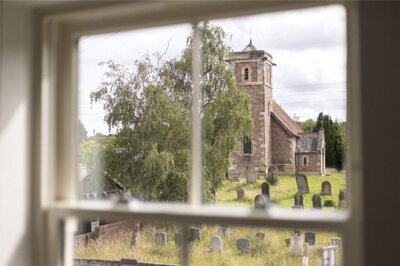
Heritage matters here, and the village puts real effort into looking after it. There are 18 Grade II listed buildings, plus the Grade II* listed Church of St. Nicholas, built from limestone, sandstone, and millstone grit with Welsh slate roofs. A number of other buildings have been put forward for the Local List, which shows how much local value is placed on structures that add to the village’s character. Even the reclamation yard speaks to that spirit, with reclaimed York hand clamps, bricks, roofing materials, and oak beams available for proper restoration work.

Dunnington Church of England Primary School sits at the centre of local schooling, taking children from Reception through to Year 6. It keeps close links with the Church of England tradition and combines learning with spiritual development in a village setting that feels personal. For older pupils, families can look to several well-regarded secondary schools across York, with bus links making the journey manageable. Catchment areas and admission rules can shift, so we always advise checking them before making decisions about where to live.
York broadens the educational picture well beyond the village boundary. It has several highly regarded secondary schools and grammar schools, drawing pupils from across the region. York College covers both vocational and academic study, while the University of York has a strong reputation for research and teaching across many subjects. That range of options adds to Dunnington’s appeal for families with children of different ages, from early years to those looking ahead to university.
For younger children, the village has early years provision to sit alongside the primary school. Nurseries and pre-schools look after children from around two years old and often have strong ties to the local community. They can give children a solid start before school begins. Parents who want hard data on performance should check Ofsted reports and the latest exam results, which give a fuller picture of standards across the area.

Getting into York city centre is straightforward from Dunnington, with the drive usually taking around 15-20 minutes using the A1079 Hull Road or the A166 eastbound. Bus services run regularly too, so commuters and anyone without a car still have an easy route in. The X46 and local buses link residents to shopping areas, railway stations, and job centres in York, which means a car is helpful but not essential for day-to-day life. That level of access is a big reason the village remains popular with people working in York.
York railway station opens up the wider country very well. Direct LNER trains get you to London in about two hours, and Leeds, Newcastle, Edinburgh, and Birmingham are all within reach on cross-country services. It is one of the busiest stations in the north of England, which makes Dunnington a practical base for people working in more than one northern city. York’s position between London and Edinburgh only adds to the appeal.
Road links are strong too. The A64 gives access to Leeds and then the wider motorway network through the A1(M) to the east. Because the village sits outside York’s congestion zone, residents can usually avoid the worst of city traffic on the way to work and back. Cycling is improving as well, and the quiet country lanes make for pleasant rides and sensible commuting routes. Leeds Bradford Airport is roughly 45 minutes away by car, while Manchester Airport is around 90 minutes, so longer trips are manageable.

We would suggest speaking to a mortgage broker and getting an agreement in principle before you begin your search. It shows estate agents and sellers that your finances are in order, and in Dunnington’s busy market that can make a real difference when good homes attract multiple offers.
Take time to look across Dunnington’s different parts, from the historic Conservation Area around York Street and Church Street to the modern estates built since the 1960s. Proximity to schools, transport links, and local amenities all matter, so it helps to weigh each area against what suits daily life best.
Get yourself on the books with local estate agents working in Dunnington and across York. They often know about new listings before they appear on the main portals, and they can give useful local insight into values, trends, and what vendors are likely to expect in the village.
View any homes that fit your brief and pay close attention to the property itself, the setting, and the feel of the street. For older houses, which make up a large part of Dunnington’s stock, we would recommend a RICS Level 2 Survey so that structural problems, damp, or maintenance issues are spotted before you commit.
Once your offer has been accepted, instruct a conveyancing solicitor to deal with the legal side of the purchase. They will carry out searches, manage the contracts, and work with the Land Registry so the ownership changes smoothly. If the property sits in Dunnington’s Conservation Area or is listed, extra checks on planning restrictions may also be needed.
After the searches come back clean and the finance is in place, your solicitor will exchange contracts and agree a completion date with the seller. On completion day, the balance is transferred and you collect the keys to your new Dunnington home. Buildings insurance needs to start from that date so the property is protected straight away.
Dunnington’s position in the Vale of York brings a few points buyers should know before committing. The superficial geology includes alluvial deposits, peat, and laminated clays, all of which can be prone to shrink-swell behaviour. In long dry spells, clay can contract enough to create subsidence, often showing up as cracks and movement in walls. Mature trees nearby can add to the risk because their roots draw moisture from the ground. A detailed structural survey is especially sensible for older homes here, so foundation conditions and any movement are properly checked.
The Conservation Area designation brings planning limits that buyers need to understand. Homes within it face tighter controls on external changes, extensions, and some types of development that might be allowed elsewhere. Planning permission may be needed for work that would normally count as permitted development, including some windows, doors, fencing, and outbuildings. If you are thinking about altering or extending a period property in the area, it pays to know the rules early and factor the likely constraints into both budget and plans.
Listed buildings call for extra care. Dunnington’s 18 Grade II listed properties and the Grade II* Church of St. Nicholas are important heritage assets, and they need careful handling. Listed Building Consent is required for almost any alteration that affects the character of the building, inside or out. That covers windows, doors, roofing materials, and internal features. Specialist surveys from people who understand historic fabric are a wise move, because a standard report may miss the issues that matter most in older heritage homes.
Drainage and surface water are worth a close look too, given the local ground conditions and weather patterns. The Vale of York’s superficial deposits and the area’s climate can make drainage more difficult, especially where older systems are still in place. In periods of heavy rain, surface water flooding can happen even away from rivers when drains are pushed beyond capacity. Buyers should ask about any known drainage problems, check the Environment Agency’s flood risk maps, and consider a drains survey as part of their checks.

The housing mix in Dunnington stretches from 18th-century brick cottages in the Conservation Area to modern estates built from the late 1960s onwards. That variety means the likely defects change with age and construction type. In older homes along York Street, Church Street, and Common Road, damp is one of the issues our inspectors see most often. It may be penetrating damp through tired brickwork, rising damp in solid-walled houses without modern damp-proof courses, or condensation problems in period properties that were never designed with today’s weatherproofing in mind.
Roofs need a careful eye on every type of property in Dunnington. Missing or cracked tiles, worn ridge mortar, failed flashings, and poor ventilation in roof spaces all show up regularly in surveys. On period homes with original pantile roofs, the age of the covering matters a great deal, as these materials do not last forever. Flat roofs on garages or extensions often need work within 10-15 years of being installed, so check the age and state of any flat roof before you buy. If you spot diagonal or stepped cracks in walls, get them looked at professionally, given the shrink-swell clay risk affecting foundations across the Vale of York.
Older Dunnington homes can also suffer from timber decay. Wet rot and dry rot can take hold where damp timber meets persistent moisture, often in roof voids, under floors, or behind walls where airflow is poor. Woodworm may be present in structural timber or furniture, and the response depends on how severe the problem is. With original doors, windows, and joinery, we would check whether repairs are realistic or whether replacement is the better route. Electrical and plumbing systems in pre-1960s homes often need bringing up to date too, especially older rubber or fabric-covered wiring and galvanised steel pipework.
Recent market data puts the average house price in Dunnington at about £421,833. Detached homes average £608,278, semi-detached properties average £387,500, and terraced houses average £265,000. Prices have risen 10% over the last year, while some sold-price data points to rises of up to 18.3%. Values still sit around 3% below the 2023 peak of £421,833, so there is still a sense of relative value in the market.
For council tax, Dunnington homes fall under City of York Council. The authority uses eight bands, from Band A at the lower end to Band H at the top. Most homes in the village, including period cottages and modern family houses, are likely to sit in Bands A through D, while larger detached homes and more premium spots may reach higher bands. Exact charges should always be checked directly with City of York Council, as rates are reviewed each year.
Dunnington Church of England Primary School serves local children from Reception through to Year 6, and it keeps strong links to both the village and Church of England values. For secondary education, families can tap into York’s broad network of schools, including well-regarded secondary schools and grammar schools with bus services running to them. York also opens the door to further and higher education through York College and the University of York, both easy to reach from the village.
Regular buses link Dunnington with York city centre, and the journey is usually about 20-30 minutes. York railway station gives excellent rail access, with direct trains to London taking around two hours and frequent services to Leeds, Newcastle, Edinburgh, and other major cities. Being outside York’s congestion zone generally makes road access simple, and Leeds Bradford Airport is about 45 minutes away by car for flights further afield.
Property values in Dunnington have moved up strongly, with annual growth of 10-18% showing the level of demand for village homes close to York. The village draws buyers because of its attractive character, local amenities, transport links, and its access to York jobs and education. New schemes such as Eastfield Park, with 44 approved homes, show continued interest in the area. Homes in the Conservation Area and listed buildings can be especially appealing, though buyers need to be ready for the extra responsibilities that come with heritage property.
On a standard purchase, stamp duty is charged at 0% on the first £250,000 of property value, 5% on £250,001 to £925,000, 10% on £925,001 to £1.5 million, and 12% on anything above £1.5 million. First-time buyers get relief on the first £425,000 at 0%, with 5% applying from £425,001 to £625,000. With Dunnington’s average price sitting at about £421,833, most homes land within the lowest tax bands, although higher-value properties will trigger more stamp duty. Current thresholds should always be checked with HMRC or your solicitor, since budgets can change them.
Older homes in Dunnington, especially the 18th and 19th-century properties in the Conservation Area, deserve close inspection before anyone buys. We would look for both penetrating and rising damp, check roof condition, including tile integrity and mortar quality, and note any movement or cracks in walls. Because of the local clay geology, it is sensible to check for subsidence signs and to see how close trees are to the foundations. Older wiring and plumbing may also need modernising. A RICS Level 2 Survey is strongly recommended for period properties.
Although Dunnington is not directly on a flood plain, its position in the Vale of York means surface water flooding can happen during heavy rain when local drainage systems are overwhelmed. City of York Council manages local flood risks, including surface water and ditches, through its Local Flood Risk Management Strategy. Buyers should check the Environment Agency flood risk maps for specific homes and ask about any known flooding history. Properties with good drainage and those on slightly higher ground in the village generally carry less surface water risk.
Getting to grips with the full buying cost matters just as much as the asking price. Stamp Duty Land Tax, or SDLT, applies to all residential purchases above £250,000 at standard rates. At Dunnington’s average price of about £421,833, a first-time buyer would pay no stamp duty on the first £425,000 under current first-time buyer relief, so most buyers in that group would owe nothing in SDLT. Standard purchasers would pay nothing on the first £250,000 and 5% on the remaining £171,833, which comes to £8,591. That puts Dunnington in a stronger affordability position than many similar villages near major cities.
There are other costs to factor in too. Solicitor conveyancing fees usually fall between £500 and £1,500, depending on the work involved and whether the property is freehold or leasehold. Local searches with City of York Council typically cost £250-£350, while environmental and drainage searches add about £100-£150. A RICS Level 2 HomeBuyer Report, which we strongly recommend for Dunnington’s older homes, starts from £400 depending on size and complexity, with four-bedroom homes averaging around £495. Bank transfer charges and Land Registry registration fees add a little more to the bill.
Removal costs, storage if needed, and any quick post-purchase work should also sit in the budget. In Dunnington’s Conservation Area, some jobs that would normally be permitted development may need planning permission, and listed building consent may be required for heritage alterations, which can add time and expense to renovation plans. Buildings insurance must begin on the completion date, and life and contents cover should be considered too. Plan for those costs early, and the purchase feels much more manageable.

Properties New Builds In London

Properties New Builds In Plymouth

Properties New Builds In Liverpool

Properties New Builds In Glasgow

Properties New Builds In Sheffield

Properties New Builds In Edinburgh

Properties New Builds In Coventry

Properties New Builds In Bradford

Properties New Builds In Manchester

Properties New Builds In Birmingham

Properties New Builds In Bristol

Properties New Builds In Oxford

Properties New Builds In Leicester

Properties New Builds In Newcastle

Properties New Builds In Leeds

Properties New Builds In Southampton

Properties New Builds In Cardiff

Properties New Builds In Nottingham

Properties New Builds In Norwich

Properties New Builds In Brighton

Properties New Builds In Derby

Properties New Builds In Portsmouth

Properties New Builds In Northampton

Properties New Builds In Milton Keynes

Properties New Builds In Bournemouth

Properties New Builds In Bolton

Properties New Builds In Swansea

Properties New Builds In Swindon

Properties New Builds In Peterborough

Properties New Builds In Wolverhampton

Enter your details to see if this property is within your budget.
Loans, cards, car finance
Estimated property budget
Borrowing + deposit
You could borrow between
Typical borrowing
Monthly repayment
Est. at 4.5%
Loan-to-value
This is an estimate only. Your actual budget may vary depending on interest rates, credit history, and personal circumstances. For an accurate affordability assessment, speak to one of our free mortgage advisors.
This calculator provides estimates for illustrative purposes only and does not constitute financial advice. Your home may be repossessed if you do not keep up repayments on your mortgage. Estimates based on 4.5% interest rate, repayment mortgage. Actual rates depend on your circumstances.
Homemove is a trading name of HM Haus Group Ltd (Company No. 13873779, registered in England & Wales). Homemove Mortgages Ltd (Company No. 15947693) is an Appointed Representative of TMG Direct Limited, trading as TMG Mortgage Network, which is authorised and regulated by the Financial Conduct Authority (FRN 786245). Homemove Mortgages Ltd is entered on the FCA Register as an Appointed Representative (FRN 1022429). You can check registrations at NewRegister or by calling 0800 111 6768.

We use cookies to show you personalised content and improve your experience of our website. Find out more in our Privacy policy and Cookie policy.