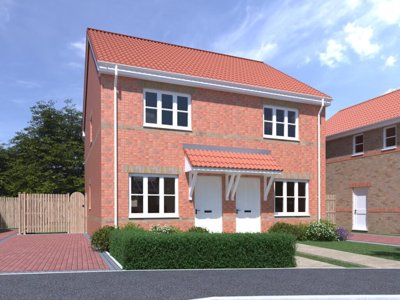
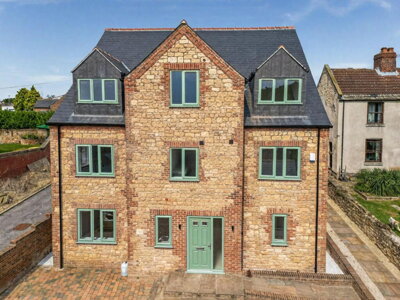
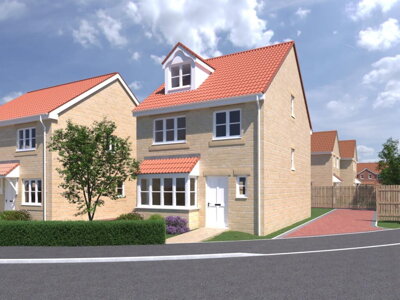
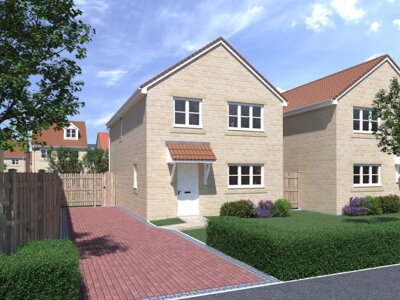
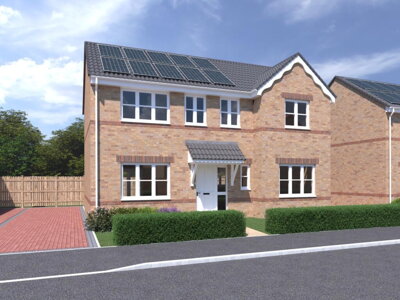
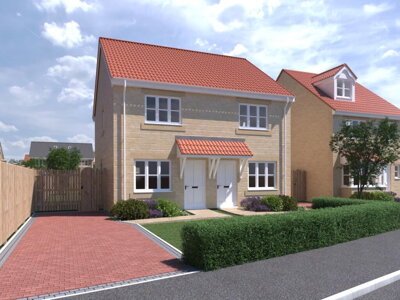
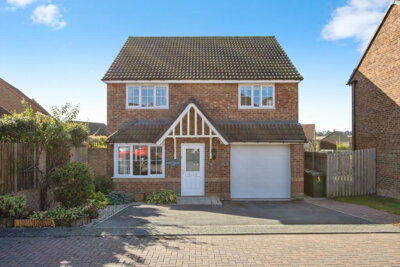
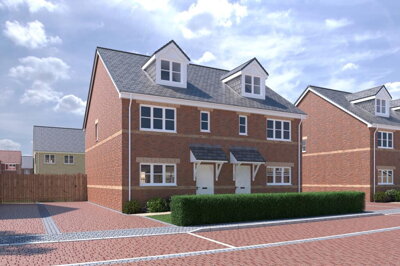
Browse 9 homes new builds in Darrington, Wakefield from local developer agents.
The Darrington property market offers detached, semi-detached, and terraced houses spanning various price ranges and neighbourhoods. Each listing includes detailed property information, photographs, and direct contact with the marketing agent.
£550k
14
0
200
Source: home.co.uk
Showing 14 results for Houses new builds in Darrington, Wakefield. The median asking price is £550,000.
Source: home.co.uk
Detached
11 listings
Avg £637,273
Semi-Detached
3 listings
Avg £320,000
Source: home.co.uk
Source: home.co.uk
Recent sold figures give Darrington a fairly clear, if mixed, pricing picture. homedata.co.uk records put the wider average at around £329,133 on one 12-month measure and £365,000 on another, while the village sits 10% below its 2022 peak in one dataset and 15% down year on year in another. To us, that reads as a market that is still moving, but no longer charging ahead. Buyers often have more scope to negotiate, particularly where a house needs updating or our surveyors uncover work.
Type makes a real difference in this market. Detached homes still command the top prices, with sold snapshots from £438,750 to £547,708. Semis are nearer £219,833 to £241,438, terraces range from £126,250 to £273,000 depending on the dataset and the property, and flats, which are uncommon here, can come in close to £120,000 for buyers after a lower entry point in a village dominated by family housing. Activity is not especially thin either, with 179 sales in the WF8 3 sector over the last 24 months and 393 residential sales across the wider WF8 district in the last 12 months, although that broader area was down 22.65% year on year.

Darrington feels like a proper West Yorkshire village, not a commuter estate, and plenty of buyers like it for exactly that reason. The parish has 16 listed buildings, which gives the streets real historic weight. Older homes are often built in magnesian limestone and brick, with slate or tile roofs common across the village. You also see rendered walls, often where later changes have softened the original stonework. People who want age and character usually spot that difference straight away.
The landscape plays its part as well. Limestone underfoot is a reminder that this is not a blank slate for modern housing, and it helps explain why traditional materials look so natural in the village streets. Darrington is not stuck in the past, mind you, with newer schemes such as Stones Mews in the mix, but it still comes across as small and established rather than sprawling. That combination appeals to movers who want a quieter address, a strong sense of place, and the chance to weigh up an older cottage, a family semi, or a larger detached home before choosing one route.
School planning in Darrington is usually more about catchment than finding a single village answer. The research supplied to us does not confirm live Ofsted grades, so buyers should check current reports and admissions maps rather than assume. For admissions, transport, and school banding queries, Wakefield Council is the authority to use. Many families compare nearby choices across the wider Pontefract and Wakefield area, then work out whether the daily journey fits their routine.
In a village of this size, that usually makes sense. The right school is often the one that works with your travel pattern and childcare set-up. If you are moving with younger children, it is wise to check nursery and primary availability early, because rural and semi-rural catchments can be more competitive than they first appear. With older pupils, we suggest looking hard at secondary transfer routes, sixth-form options, and whether public transport or the family car will do most of the work. A house can look perfect on paper, then become awkward if the school run adds 20 extra minutes every morning.
For a quicker shortlist, we would verify 3 things together, the live catchment, the latest inspection report, and the oversubscription rules for the year you expect to move. That tends to give a firmer picture than headlines or hearsay. Because Darrington sits close to larger settlements, some families end up choosing a school outside the village boundary that is still easy enough for everyday life. One call to the school office, plus a check of the council admissions page, can save weeks of doubt later on.

Darrington commuting is mainly shaped by the road network, which is what you would expect in a smaller parish. Buyers often look towards Pontefract, Wakefield, and the wider WF8 corridor for day-to-day travel. Rail users usually compare the nearest station choices in the surrounding area rather than expect a village station on the doorstep. The research we were given does not include verified journey times, so live timetables are worth checking before we book a viewing. Even so, the setting generally makes car access and straightforward local runs easier than they would be in a denser urban centre.
Parking is one of the practical points that can swing a decision here. Older streets can be tighter. Newer homes may have driveways or off-street space, and that can make daily life much easier. If you commute often, try the route at school-run time and in poor weather, because a five-mile trip at 8am can feel very different from the same journey at midday. Cycling may suit local errands, but most buyers will still rely mainly on the car and the train.
A village move also deserves a proper look at bus frequency and evening services, not only the main daytime route. That can matter if teenagers, visiting relatives, or occasional city trips need more than one transport option. In homes with 2 working adults, easy exit roads and decent parking can be worth paying more for. The simplest test is still the best one, if the commute feels manageable after 2 or 3 trial runs, Darrington is usually easier to live with over the long term.
We would start by comparing current listings, sold prices, and the property types that dominate the WF8 3 sector. Then look at the age of the house, the likely maintenance load, and whether it sits in the older village core or on a newer edge-of-settlement plot.
Before viewings, we recommend getting a mortgage agreement in principle in place so sellers and agents can see you are serious. It also keeps your budget tied to Darrington price levels, especially when you are weighing a detached family house against a smaller terrace or semi.
Then get out onto the street. Check parking, listen for traffic at different times of day, and ask about neighbours, drainage, and any boundary quirks. In a parish with traditional stone houses, details such as cracked pointing, damp patches, and the age of the roof can tell us a great deal.
For many homes here, a RICS Level 2 survey is a sensible choice, particularly with older properties built in limestone, brick, or with rendered walls. Where a house has been heavily altered, or where you are buying a larger detached home, paying extra for a more detailed inspection can make good sense.
Once an offer is accepted, the conveyancer needs to get moving on title, searches, and any local restrictions. That includes listed-building points or easements affecting access and maintenance. In a small and competitive market, speed matters, because delays can give another buyer the chance to step in front.
After that, keep the communication tight. Arrange insurance for exchange day, and double-check funds, removals, and completion timing. A tidy finish matters in Darrington because village moves often have to line up with school dates, job start times, and the narrow window when the right property actually comes onto the market.
Traditional construction is central to the Darrington story, so it should shape the survey brief. Magnesian limestone looks attractive, but it can conceal patch repairs, repointing, and weathering that are easy to miss during a quick viewing. Roof coverings need care too, especially where slate or tile has aged unevenly or has been patched with newer materials. If a house is rendered, ask why. Sometimes it is simply a neat finish, sometimes it covers earlier issues that were hidden rather than resolved.
The parish also has 16 listed buildings, which is another reason for us to slow the process down and check the paperwork properly. Listed status can affect windows, chimneys, extensions, and outside alterations, so a house that looks straightforward from the pavement may come with more rules than a modern estate home. The supplied research did not spell out flood risk data, so checking local maps and asking the seller direct is sensible if the property sits near a watercourse or a surface-water pinch point. That matters even more with older homes that have cellars, low thresholds, or a record of damp.
New-build and near-new homes need a different sort of checking. Stones Mews includes detached, three-storey homes, and the wider WF8 area has coming-soon schemes on Hardwick Road and Cobblers Lane, so we would ask about warranties, snagging at build stage, management charges, and whether estate roads have been adopted. If you do find a flat, always look at service charges, ground rent, and reserve funds, because a low purchase price can be offset by a higher monthly cost. A sensible survey and a clear solicitor report should show whether the purchase price reflects the work you may face later.

On pricing, recent sold data from homedata.co.uk places Darrington in the broad mid-£300,000s, with one snapshot at £329,133 and another at £365,000. The village has also been logged at 15% below the previous year and 10% below the 2022 peak of £463,529, which points to a softer market than the recent high. Detached homes sit well above that level, while terraces and flats offer lower starting points.
Council tax is charged by Wakefield Council, and the exact property matters more than the postcode alone. Older terraces, semis, and detached homes will often fall into different bands because size and value count. We would always check the current band on the listing, on the council bill, or directly with Wakefield Council before you commit, especially when comparing an older house with a newer detached property.
The supplied research does not give live school rankings or Ofsted grades, so we would not guess. Most families use the Wakefield Council admissions map, compare nearby schools in Pontefract and Wakefield, and then review current inspection reports. In a village setting that is usually the safer route, because the best fit often comes down to catchment, route, and availability rather than reputation alone.
Public transport has its place, but Darrington is better thought of as road-led than rail-led. Buyers usually map journeys through the surrounding WF8 network and compare nearby station options in Pontefract and Wakefield, rather than expect frequent services within the village itself. As the research does not provide verified timetables, live bus and rail times are worth checking before we rely on any commute plan.
Darrington can work for investors looking for limited village stock, a strong family-house profile, and appeal tied to the heritage setting. homedata.co.uk records activity in the WF8 area, with 179 sales in WF8 3 across 24 months and 393 sales in the wider WF8 district over the last 12 months, although that broader district was down 22.65% year on year. The softer pricing also suggests a careful buying approach rather than chasing growth blindly, but well-placed homes with parking and decent gardens should keep broad appeal.
Take a standard purchase at £365,000. SDLT is 0% on the first £250,000 and 5% on the remaining £115,000, giving a bill of £5,750. First-time buyers pay no SDLT on homes up to £425,000, so a £365,000 purchase would usually be exempt under that relief. Once a first-time buyer goes above £625,000, the relief ends completely, so we always suggest running the numbers before an offer goes in.
Yes, though choice is limited. home.co.uk currently lists a detached new-build at Stones Mews with offers over £700,000, and the wider WF8 area also has coming-soon Barratt Homes schemes at Sandy Gate View on Hardwick Road and De Lacy Mews in Pontefract. So if the right plot appears, buyers often need to move quickly, because village-adjacent new-build options are not plentiful.
From 4.5%
We suggest comparing mortgage rates and securing an agreement in principle before we arrange viewings.
From £499
Our team can point you towards expert solicitors to handle searches, contracts, and completion.
From £350
Homebuyer report for traditional Darrington homes
From £99
Check energy performance before you buy
Buying costs in Darrington depend on the price agreed and on whether you are a first-time buyer. Standard SDLT is 0% up to £250,000, 5% from £250,000 to £925,000, 10% from £925,000 to £1.5 million, and 12% above that. For first-time buyers, the rates are 0% up to £425,000 and 5% from £425,000 to £625,000, with no relief above £625,000. Those thresholds matter here because village homes can range from modest terraces to high-value detached properties.
One simple example makes it easier to see. On a £365,000 purchase, a standard buyer would pay £5,750 in SDLT, while a first-time buyer would usually pay nothing. On a £700,000 home, such as a larger detached property, a standard buyer would pay £22,500, and a first-time buyer would get no relief because the price is above £625,000. We would also budget for solicitor fees, survey costs, mortgage valuation charges, removals, and any work the survey reveals, because on moving day those costs can matter just as much as the tax bill.
Properties New Builds In London

Properties New Builds In Plymouth

Properties New Builds In Liverpool

Properties New Builds In Glasgow

Properties New Builds In Sheffield

Properties New Builds In Edinburgh

Properties New Builds In Coventry

Properties New Builds In Bradford

Properties New Builds In Manchester

Properties New Builds In Birmingham

Properties New Builds In Bristol

Properties New Builds In Oxford

Properties New Builds In Leicester

Properties New Builds In Newcastle

Properties New Builds In Leeds

Properties New Builds In Southampton

Properties New Builds In Cardiff

Properties New Builds In Nottingham

Properties New Builds In Norwich

Properties New Builds In Brighton

Properties New Builds In Derby

Properties New Builds In Portsmouth

Properties New Builds In Northampton

Properties New Builds In Milton Keynes

Properties New Builds In Bournemouth

Properties New Builds In Bolton

Properties New Builds In Swansea

Properties New Builds In Swindon

Properties New Builds In Peterborough

Properties New Builds In Wolverhampton

Enter your details to see if this property is within your budget.
Loans, cards, car finance
Estimated property budget
Borrowing + deposit
You could borrow between
Typical borrowing
Monthly repayment
Est. at 4.5%
Loan-to-value
This is an estimate only. Your actual budget may vary depending on interest rates, credit history, and personal circumstances. For an accurate affordability assessment, speak to one of our free mortgage advisors.
This calculator provides estimates for illustrative purposes only and does not constitute financial advice. Your home may be repossessed if you do not keep up repayments on your mortgage. Estimates based on 4.5% interest rate, repayment mortgage. Actual rates depend on your circumstances.
Homemove is a trading name of HM Haus Group Ltd (Company No. 13873779, registered in England & Wales). Homemove Mortgages Ltd (Company No. 15947693) is an Appointed Representative of TMG Direct Limited, trading as TMG Mortgage Network, which is authorised and regulated by the Financial Conduct Authority (FRN 786245). Homemove Mortgages Ltd is entered on the FCA Register as an Appointed Representative (FRN 1022429). You can check registrations at NewRegister or by calling 0800 111 6768.

We use cookies to show you personalised content and improve your experience of our website. Find out more in our Privacy policy and Cookie policy.