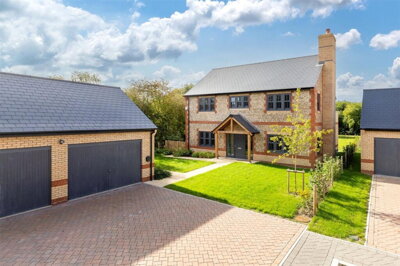
Browse 1 home new builds in Croydon, South Cambridgeshire from local developer agents.
The larger property sector typically features multiple bathrooms, substantial reception space, and private gardens or off-street parking. Four bedroom houses in Croydon span detached, semi-detached, and occasionally terraced configurations, with styles ranging from period properties to modern executive homes.
£0k
0
0
0
Source: home.co.uk
Showing 0 results for 4 Bedroom Houses new builds in Croydon, South Cambridgeshire.
Croydon’s market remains active, with approximately 3,833 property sales completed over the past twelve months according to recent data. Flats made up a sizeable slice of that activity, with around 1,228 sales, while terraced homes stayed the most popular choice, at approximately 1,254 sales. Semi-detached houses performed strongly too, with prices rising by 3.3% over the year, a sign of growing demand for family-sized homes. Detached properties still sit at the top end, averaging around £800,000 to £849,000, and offering the space buyers often want in established residential streets.
New build supply also plays a part in Croydon, with 31 newly built properties sold in the postcode area over the past twelve months, which is 0.8% of total sales. London Square Croydon, beside West Croydon station, is a clear example of the standard on offer, with 108 high-end private apartments, flexible layouts, contemporary finishes, and private winter gardens. Most new homes have changed hands in the £300,000 to £400,000 range and the £200,000 to £250,000 range, giving both first-time buyers and investors something to look at. The CR8 2 postcode sector, covering parts of Purley and Kenley, saw the highest number of new build sales, with 13 transactions, which underlines steady demand in those suburban pockets.

There is real variety across Croydon, and that is part of the appeal for different kinds of buyers. The borough’s housing stock spans several eras, from elegant Victorian terraces to distinctive 1930s homes in the Croham Manor Road conservation area in South Croydon. The East India Estate conservation area also brings together an impressive run of red brick houses that speak to the borough’s architectural history. With a population of approximately 390,800 residents across 162,300 dwellings, Croydon manages to feel like a community while still offering the sort of shops, services and facilities more often linked with larger urban centres.
It has become a major commercial district outside Central London, home to large insurance and financial services firms including AIG, American Express, Zurich, Liverpool Victoria, and Goldman Sachs. According to homedata.co.uk Census 2021 data, the housing stock is split as follows, flats account for 41% of all dwellings, semi-detached properties make up 24%, terraced houses represent 23%, and detached homes comprise 12%. That spread gives buyers plenty of choice, from compact apartments close to transport links to larger family houses tucked away on quieter roads.
A £5 billion regeneration programme is already reshaping the town centre, and Boxpark has been one of the biggest markers of that change, drawing people in for dining, entertainment, and community events. Shopping provision across Croydon is extensive too, serving residents across South London and further afield. The borough expects household growth of 6% over the next ten years, a sign that housing demand and infrastructure investment are likely to keep moving in the same direction. For investors, that combination of change and demand is hard to ignore.

Croydon offers broad educational provision at every stage, which is one reason families continue to look here. The borough has numerous primary and secondary schools, and several are rated strongly by Ofsted inspectors. It is still wise to check catchment areas carefully, because school admissions in Croydon can have a direct effect on demand and property values in particular neighbourhoods. Grammar schools in neighbouring boroughs add another option, while the wider Croydon area also has independent schools for families considering private education.
For older students, there are further education and sixth form college choices in Croydon, with A-level courses and vocational qualifications available to suit different paths. Central London is close enough to keep world-renowned universities within easy reach, with journey times to university campuses typically under 45 minutes thanks to the transport network. We always suggest that families think about school placement early, and check current admission policies and Ofsted ratings before committing, because both can change and shape the next few years at home.
South Croydon, Purley, and Kenley are among the neighbourhoods that attract families most consistently, largely because of their proximity to well-performing schools. The CR8 postcode area, which covers Purley and Kenley, recorded the highest number of new build sales in the Croydon area, helped in part by buyers who want established streets and access to strong schooling. Prices in these school-heavy areas often carry a premium, so the trade-off between convenience and budget is worth weighing carefully.

Transport is one of Croydon’s strongest cards. West Croydon station acts as a key interchange, linking residents to London Underground services through the Overground network and to National Rail destinations across the South East. East Croydon station adds frequent trains to London Bridge and London Victoria, with typical journey times of around 15 to 25 minutes to Central London terminals. The tram network also does a lot of heavy lifting, joining the town centre to surrounding neighbourhoods and running out towards Wimbledon in South West London.
Bus routes criss-cross the borough, giving residents straightforward links to shopping centres, healthcare facilities, and leisure spots. Because the area sits within the Transport for London system, Oyster and contactless payment are accepted on most services, which makes day-to-day travel much simpler. For drivers, the A23 offers access to the M25 motorway network, as well as links towards Gatwick Airport and the South Coast. Cycling has also had investment from the London Borough of Croydon, with designated routes making shorter journeys more realistic for commuters who want an active option.
Parking is mixed across Croydon, as you would expect in a borough with both town centre developments and quieter residential streets. Central schemes often include parking provision, while some roads rely on permit parking at busy times. In areas such as Purley and Kenley, driveways and garages are more common, which can make day-to-day life easier for buyers with cars. For those who need parking as a priority, suburban locations with lower permit pressure are often the more practical choice than town centre flats, where spaces can cost a lot more.

We always recommend spending time in a few different parts of Croydon before making a decision, because the right area depends on lifestyle as much as budget. School catchments, transport connections, local amenities, and the feel of the housing stock on each street can all change the picture. Recent sales data and price trends are worth reviewing too, so you know what your money is likely to buy in the places you prefer.
Before arranging viewings, get a mortgage agreement in principle from a lender so you know how much you can borrow. It also shows estate agents and sellers that you are serious when you put forward an offer. Croydon’s market can move quickly, especially for well-priced family homes, so being mortgage-ready can make a real difference in a competitive negotiation.
Local estate agents active in Croydon can line up viewings of homes that fit your brief. We usually suggest seeing several properties in your chosen areas, so you can compare condition, layout, and value side by side. Look closely at the age of the property, any recent renovation work, possible maintenance issues, and how the neighbourhood feels at different times of day. Those details matter.
Once your offer is accepted, book a RICS Level 2 survey before you complete the purchase. Croydon has plenty of older Victorian, Edwardian, and 1930s housing stock, so a professional survey can pick up damp, structural movement, roof defects, and outdated electrics. If the report throws up serious defects, it can also give you useful negotiating leverage.
For the legal side, appoint a solicitor or licensed conveyancer to handle the purchase in Croydon. They will carry out searches, review contracts, liaise with your mortgage lender, and register your ownership with the Land Registry. We advise choosing someone with Croydon transaction experience, since local planning and property records can be easier to interpret with that background.
Once searches come back clean and your mortgage offer is in place, you exchange contracts with the seller and pay your deposit. On completion day, your solicitor transfers the remaining funds to the seller’s representatives, and you collect the keys to your new Croydon home. After that, ownership needs to be registered with Land Registry, and your address should be updated with utilities, banks, and other service providers.
Geology matters here, and buyers in Croydon should pay close attention to the ground conditions in the area they are targeting. Clay soils are common across South East London, including Croydon, and they can shrink in dry periods and swell when wet, which may lead to foundation movement and subsidence. Telltale signs include diagonal cracks wider at the top, cracks running through brickwork, and fractures wider than 3mm. Trees near the property, damaged drainage, and heavy local traffic can make things worse, so we always recommend a proper check of foundations and surrounding ground before purchase.
Croydon has 21 designated conservation areas and 168 statutory listed buildings, so it is worth checking whether a property sits within any heritage or planning controls. Homes in places like the Croham Manor Road conservation area in South Croydon or the East India Estate may face extra rules for alterations or extensions. Listed buildings need listed building consent for work affecting their special architectural interest, even where repairs seem minor. For flats, the leasehold terms matter too, especially ground rent and service charge levels, because those ongoing costs can vary a great deal and shape long-term affordability.
Our inspectors often come across damp in Croydon’s older homes, especially Victorian and Edwardian properties with solid wall construction. Penetrating damp may stem from damaged brickwork, failed pointing, or compromised render, while rising damp can appear where damp-proof courses have failed or were never put in place. Original lead pipework or galvanised steel pipes can also bring plumbing issues that need attention. With over 800 council-owned properties in Croydon having documented damp and mould issues, it makes sense to arrange a thorough inspection of any older house before you commit.

The average property price in Croydon currently sits at approximately £455,000 according to recent market data, although the exact figure shifts a little depending on the source and reporting period. Detached homes are the priciest, averaging around £800,000 to £849,000, while semi-detached houses typically sell for approximately £536,000 to £547,000. Terraced properties average around £434,000, and flats start from approximately £264,000 to £276,000. Overall growth has been steady, with the market up by around 1% over the past twelve months.
Council tax bands in Croydon are based on property valuation, starting at Band A for homes valued up to £40,000 and running through to Band H for properties valued above £320,000. To check the exact band for a place you are considering, the Valuation Office Agency’s online search tool can be used with the property address. The London Borough of Croydon sets rates annually, and the final bill combines the borough council charge with any Greater London Authority precepts. Buyers should account for these costs alongside mortgage payments and maintenance.
Croydon has educational provision across the board, with primary and secondary schools serving different neighbourhoods throughout the borough. It is worth looking at each school’s performance data and Ofsted inspection reports, because quality and admissions criteria can vary sharply from one area to another. The borough does not run a grammar school system, although grammar schools in neighbouring boroughs may be reachable through selective entrance exams. For families who put education first, searching in areas with stronger schools can add day-to-day convenience and support long-term value too.
Public transport is one of Croydon’s great strengths. East Croydon station offers frequent services to London Bridge and London Victoria in approximately 15 to 25 minutes, while West Croydon station provides Underground connections via the Overground network. The tram system gives practical local travel across the borough and on to Wimbledon. Bus services cover wide routes throughout Croydon, linking residential streets with town centre amenities and healthcare facilities, and Oyster and contactless payment are accepted across most of the Transport for London network.
Croydon brings together several ingredients that appeal to property investors, including strong transport links to Central London, major regeneration investment of approximately £5 billion, and a broad economy with large employers in financial and professional services. The borough expects household growth of 6% over the next decade, which points to continuing housing demand. Rental yields can be competitive when set against inner London, especially for well-located homes close to transport hubs. Even so, we would still look closely at rental voids, maintenance costs, and the local market for the specific property type and part of the borough.
For standard buyers in England, Stamp Duty Land Tax starts at 0% on the first £250,000 of the purchase price, then rises to 5% on the portion from £250,001 to £925,000. On a typical Croydon home priced at the current average of £455,000, that means stamp duty of approximately £7,750 after the nil-rate threshold is applied. First-time buyers get enhanced relief, with 0% on the first £425,000 and 5% on the amount between £425,001 and £625,000, so a first-time buyer purchasing an average-priced Croydon property would pay approximately £1,500. Properties above £925,000 attract higher rates of 10% and 12%, so the final bill depends on the price and buyer status.
It is not just the purchase price that needs to sit in the budget. Stamp Duty Land Tax is usually the largest extra cost, with standard rates of 0% on the first £250,000, 5% between £250,001 and £925,000, 10% between £925,001 and £1.5 million, and 12% on any amount above £1.5 million. For the average Croydon property at £455,000, that works out at approximately £7,750 for standard buyers. First-time buyers benefit from relief on the first £425,000, which brings the bill down to around £1,500 on an average-priced home.
Professional fees usually include a RICS Level 2 survey, which costs between £350 and £930 depending on property value, conveyancing fees from approximately £499 to over £1,500 for more complex work, and search fees of around £250 to £400 for local authority, drainage, and environmental searches specific to Croydon. Mortgage arrangement fees vary by lender but often sit between £0 and £2,000, while valuation fees typically fall between £150 and £500 depending on the property value. Setting aside about 3-5% of the purchase price for these extra costs gives a sensible buffer and helps you complete a Croydon purchase without financial strain.
Buyers of period homes in Croydon should also allow for extra spending on specialist surveys or renovation work that emerges during conveyancing. Properties in conservation areas or listed buildings may call for heritage surveys, while homes with suspected damp or structural problems may need more specialist inspections. It is sensible to build these possibilities into your overall budget and keep a contingency fund of at least 5-10% for unexpected works after purchase, particularly for older Victorian, Edwardian, or 1930s properties where hidden defects are more common.

Because Croydon has such a large stock of Victorian, Edwardian, and 1930s houses, we advise arranging a RICS Level 2 survey before you complete your purchase. Our inspectors regularly find damp, roof defects, and outdated electrics in older properties of this type. A professional survey can give you negotiating leverage if serious problems appear and help you plan for the repairs that may follow.
Properties New Builds In London

Properties New Builds In Plymouth

Properties New Builds In Liverpool

Properties New Builds In Glasgow

Properties New Builds In Sheffield

Properties New Builds In Edinburgh

Properties New Builds In Coventry

Properties New Builds In Bradford

Properties New Builds In Manchester

Properties New Builds In Birmingham

Properties New Builds In Bristol

Properties New Builds In Oxford

Properties New Builds In Leicester

Properties New Builds In Newcastle

Properties New Builds In Leeds

Properties New Builds In Southampton

Properties New Builds In Cardiff

Properties New Builds In Nottingham

Properties New Builds In Norwich

Properties New Builds In Brighton

Properties New Builds In Derby

Properties New Builds In Portsmouth

Properties New Builds In Northampton

Properties New Builds In Milton Keynes

Properties New Builds In Bournemouth

Properties New Builds In Bolton

Properties New Builds In Swansea

Properties New Builds In Swindon

Properties New Builds In Peterborough

Properties New Builds In Wolverhampton

Enter your details to see if this property is within your budget.
Loans, cards, car finance
Estimated property budget
Borrowing + deposit
You could borrow between
Typical borrowing
Monthly repayment
Est. at 4.5%
Loan-to-value
This is an estimate only. Your actual budget may vary depending on interest rates, credit history, and personal circumstances. For an accurate affordability assessment, speak to one of our free mortgage advisors.
This calculator provides estimates for illustrative purposes only and does not constitute financial advice. Your home may be repossessed if you do not keep up repayments on your mortgage. Estimates based on 4.5% interest rate, repayment mortgage. Actual rates depend on your circumstances.
Homemove is a trading name of HM Haus Group Ltd (Company No. 13873779, registered in England & Wales). Homemove Mortgages Ltd (Company No. 15947693) is an Appointed Representative of TMG Direct Limited, trading as TMG Mortgage Network, which is authorised and regulated by the Financial Conduct Authority (FRN 786245). Homemove Mortgages Ltd is entered on the FCA Register as an Appointed Representative (FRN 1022429). You can check registrations at NewRegister or by calling 0800 111 6768.

We use cookies to show you personalised content and improve your experience of our website. Find out more in our Privacy policy and Cookie policy.