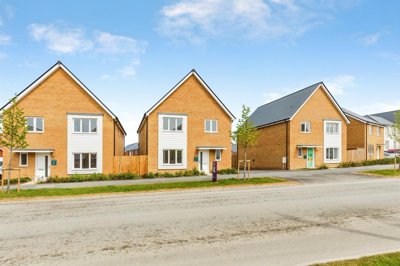
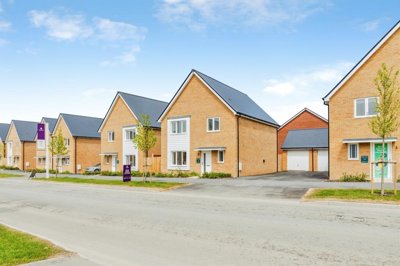
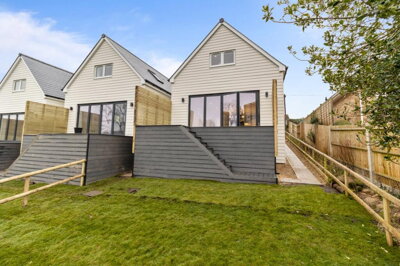
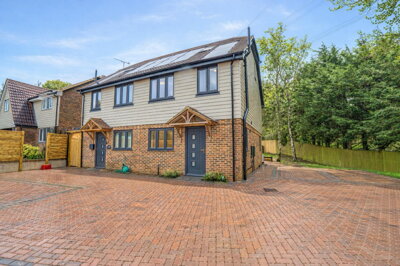
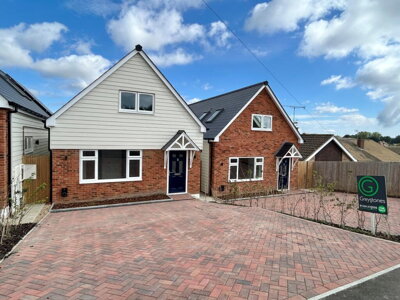
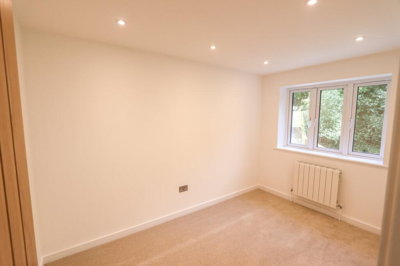
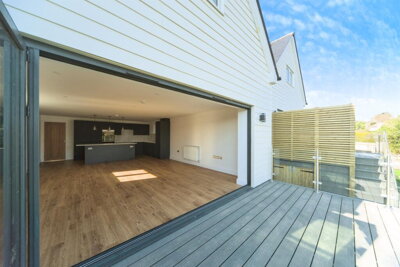
Browse 8 homes new builds in Crowhurst, Rother from local developer agents.
The larger property sector typically features multiple bathrooms, substantial reception space, and private gardens or off-street parking. Four bedroom houses in Crowhurst span detached, semi-detached, and occasionally terraced configurations, with styles ranging from period properties to modern executive homes.
£725k
5
1
109
Source: home.co.uk
Showing 5 results for 4 Bedroom Houses new builds in Crowhurst, Rother. 1 new listing added this week. The median asking price is £725,000.
Source: home.co.uk
Detached
4 listings
Avg £728,750
Semi-Detached
1 listings
Avg £1.20M
Source: home.co.uk
Source: home.co.uk
Crowhurst’s housing market has gone through a noticeable correction over recent years, with sold prices down 24% on the previous year and 37% off the 2022 peak of £823,667. That shift gives buyers a chance where the village may once have felt out of reach. Detached homes still dominate transactions, which fits the rural setting, while semi-detached houses and larger family properties are also well represented. Around 38% of the housing stock has four bedrooms or more, well ahead of the Rother district figure of 23%.
Smaller homes are thin on the ground in Crowhurst, with only 25% of properties offering one or two bedrooms. That imbalance can push prices up for compact houses, simply because there are so few of them. The Crowhurst Neighbourhood Development Plan sets a target of 20 new homes from planned schemes, and the former Crowhurst Brickworks brownfield site has already delivered 16 homes. A few windfall developments may add to supply over time, though build rates remain steady so the village keeps its character. For buyers, the present market offers a route into this sought-after East Sussex village at prices that sit well below the 2022 peak.
Crowhurst’s homes tell a long building story, shaped by what the area had to hand. You see locally fired clay bricks, hung clay tiles on walls, and plain clay roof tiles that give the village its recognisable look. Timber framing, especially in older farmsteads, points to the Wealden habit of using woodland resources for construction. Sandstone from nearby quarries turns up in older buildings too, particularly in boundary walls and agricultural structures. Knowing these methods helps us read a property properly, and spot where maintenance may be needed.
Owner-occupancy is high in Crowhurst, at roughly 79%, which tells us the village is mostly a place for people who stay put rather than move through the rental market. That helps give the area a settled feel and properties are often well looked after, but it does mean rental choice is limited. First-time buyers may still find values challenging, with average prices close to £520,000, although the recent correction has made things a little easier for those with larger deposits.

Community, countryside and a slower rhythm shape everyday life here. The 2021 census recorded 890 residents across 340 households, and that small scale has held steady even though the village had 891 residents in 327 dwellings in 2011. The village pub is a natural meeting point, while local farms and equestrian businesses underpin both the landscape and the local economy. Fore Wood, looked after by the RSPB, is a real draw for walkers, with ancient woodland, sandstone outcrops and ghyll streams giving nature lovers plenty to enjoy.
The local economy suits Crowhurst’s semi-rural setting, with income coming from a mix of sources such as the nearby care home, a weight-loss retreat, holiday lets and a campsite. The Holiday Village in the parish also brings in visitors and supports jobs. Most residents, though, work beyond the parish, and that is reflected in the higher than average car ownership. East Sussex has its share of economic pressures, including weak productivity and house prices that sit high against earnings, yet Crowhurst’s AONB setting and village character continue to appeal to people looking for a rural lifestyle. Family buyers, in particular, tend to value the community feel, the heritage and the access to open countryside.
Despite its small population, the village has a genuine community spirit. Local events and the pub give residents regular chances to meet, and Battle and Hastings are both close enough to widen the choices for eating out, leisure and socialising. Walkers, cyclists and wildlife fans are well served by the public rights of way network and the Wealden landscape. Horse owners are catered for too, with equestrian facilities in the village and lanes that make riding through farmland and woodland especially appealing.
Amenities in Crowhurst are modest, which is exactly what we would expect in a village of this size. Most residents head into nearby Battle for day-to-day shopping, GP appointments and banking. Hastings brings bigger supermarkets, retail parks and secondary healthcare. It does mean car ownership is a practical necessity for many, but in return residents get rural calm with urban services still within reach.

Families looking at Crowhurst will find schooling options in the village and across the wider Rother district. The village and its immediate surroundings fall within catchment areas for local primary schools, while secondary choices are available in nearby towns. The fact that 38% of homes have four or more bedrooms underlines the family-friendly nature of the housing stock, with larger properties suiting households that want space and access to village life. It is worth checking individual catchments and admissions carefully, because they can have a real effect on values and availability in nearby streets.
Primary education in the area is provided by schools serving the surrounding villages, and some families travel to Battle for extra choice. The school run is usually a short drive along country lanes, and transport arrangements may be available for families who qualify. Early years childcare can be limited within Crowhurst itself, so parents often look to neighbouring communities. The village’s small size can work in children’s favour, with manageable class sizes and close relationships between teachers and pupils.
Secondary options include schools in Battle, Hastings and the surrounding area, and some families also look at grammar school provision in East Sussex. Sixth form and further education are available in larger centres such as Hastings and Eastbourne, giving older students a clear route onwards. Being within Rother District means the village has access to both state and independent schools. Families with school-age children should speak to East Sussex County Council or the schools themselves to check catchment areas, admission rules and transport arrangements, as rural school travel can shape the day quite significantly.
East Sussex also offers private education within reach of Crowhurst families. These schools often have selective admissions and fee structures that vary quite a lot from one institution to another. Some households choose state primary schooling and then move to private secondary provision, especially where a particular subject offer or educational style matters. Living rurally means transport to independent schools needs thinking through in advance.

Crowhurst manages to combine rural peace with workable access. The village lies about five miles north-west of Hastings, which gives residents a route to the A21 trunk road and on towards Tunbridge Wells and the M25 beyond. That makes it a practical base for car commuters, although trips to major London workplaces are typically 90 minutes or more. Public transport is more limited than in urban areas, so it is no surprise that car ownership runs higher here.
Bus services do link Crowhurst with Battle and Hastings, although the timetable will not suit every commuting pattern. Battle railway station connects into the Marshlink line, with services to Hastings, Eastbourne and, via Brighton, on to London Victoria. For people working in Hastings or commuting towards the coast, the village can be a sensible base with lower living costs than the town. Cyclists have the benefit of rural lanes and links to the national cycling network, although the hilly Wealden landscape does demand a decent level of fitness. Parking at Battle station can be tight at peak times, so that needs to be factored into daily plans. The balance between village charm and transport flexibility is a real consideration here.
Car ownership in Crowhurst sits well above the national average, and most households keep 2 or more vehicles. That reflects both the limited public transport and the spread of jobs across East Sussex. Off-street parking and garages matter a lot in property searches, especially in larger family homes where generous parking is common. Running several cars is not a small cost, so buyers need to allow for that in the wider household budget.
For people who work from home, Crowhurst can be a very appealing place to settle. Broadband speeds are increasingly strong across the village, and the quiet setting with little through traffic helps with concentration. That said, occasional office travel may still be needed, and rural broadband can vary by exact location, so we always suggest checking the speed at the specific property.

Current listings on home.co.uk are the best place to see what is on offer, along with price ranges and the wider market backdrop. The recent 24% correction from peak values may open up opportunities, although stock remains tight and detached homes still dominate what is available. A local estate agent with real village knowledge can be useful here, especially one who understands the character of each part of the parish and the practicalities of AONB living.
We would always suggest getting a mortgage agreement in principle before booking viewings. It strengthens your position when you make an offer and shows sellers that you are serious. With average Crowhurst values sitting around £519,667, most purchases will need a substantial mortgage, so early borrowing checks matter. A broker who knows rural property can also point you towards products that suit period homes and listed buildings.
It pays to view more than one property in Crowhurst and the surrounding villages, so you can compare the stock properly. Look closely at construction materials such as brick, hung clay tiles, timber framing and sandstone detailing, all of which are part of the local building tradition. Check the age, overall condition and any signs of damp, cracking or other issues that often show up in older homes. The village’s 16 listed houses need extra care, particularly where maintenance obligations and restrictions on development are concerned.
Once an offer has been accepted, we recommend a RICS Level 2 survey to look at the condition in detail. Crowhurst’s older homes, along with the potential shrink-swell risk from local clay soils, mean a proper survey can catch defects before completion. Some listed properties or non-standard builds may need a more specialist report. Our team can point you towards surveyors who know Wealden properties well.
The legal side is best handled by a solicitor with East Sussex property experience, as they will deal with searches, contracts and exchange. They will also examine flood risk matters referred to in the Crowhurst Neighbourhood Development Plan, check planning permissions and make sure the paperwork is right for homes within the High Weald AONB.
After that, the final steps are straightforward, get the mortgage wrapped up, complete the searches and set a completion date. On completion day, you collect the keys and become the owner of a home in this historic Wealden village. Our team would be delighted to see you join the Crowhurst community.
A few location-specific points deserve proper attention before anyone buys in Crowhurst. The village sits inside the High Weald Area of Outstanding Natural Beauty, so landscape protection brings tighter planning controls. External changes to properties, especially listed ones, need consent from Rother District Council. The 16 listed houses and the many listed agricultural buildings in the parish may also carry extra maintenance responsibilities or restrictions, which buyers should understand before committing.
Flood risk is another issue to look at closely, especially where the Crowhurst Neighbourhood Development Plan refers to flood mitigation measures. Buyers should check Environment Agency flood maps and think about how close a property is to water courses, low-lying land or areas shown on the CNDP flooding maps. Homes in affected zones can attract higher insurance costs or limits on future development. Clay deposits in the local geology also bring shrink-swell risk, so foundations and drainage need careful review, especially in older properties built in traditional ways.
The village’s construction history is rooted in Wealden traditions that have been in place for centuries. Typical materials include locally fired clay bricks, hung clay tiles, plain clay roof tiles and sandstone used for walling and detailing. Timber framing appears in older farm buildings and some historic houses, while more recent homes are usually standard brick and tile construction. It is worth understanding these different approaches, because they carry different maintenance demands.
Leasehold flats and maisonettes are rare in Crowhurst, but any service charges or leasehold terms still need careful checking, especially given that approximately 79% of homes are owner-occupied. Detached family houses dominate the housing stock, so freehold ownership is the norm and that keeps things simpler. Buyers should also confirm planning permissions for extensions, conversions or outbuildings that might affect value or future use. Parking and garage space matter too, not least because most residents commute by car and need practical access to Battle and Hastings.
Homes within the AONB can face more planning considerations than properties elsewhere. Rother District Council uses strict design standards to protect the landscape, and that can affect permitted development rights. Anyone planning renovations or an extension should speak to the planning department early, so they know what is realistically possible under AONB policy.

Like many homes across East Sussex, properties in Crowhurst can show defects linked to age, materials and the local environment. Knowing the usual issues helps us decide what kind of survey is needed and what terms to negotiate. Our inspectors often come across concerns tied to traditional building methods, natural wear and geological conditions that can affect how foundations perform.
The local clay geology can lead to shrink-swell movement over time, and that has a direct effect on foundations. Homes with traditional strip foundations on clay may show cracking, doors and windows that stick, or floors that are not quite level. Our surveyors look for those signs carefully, and where movement is more marked they will suggest a specialist structural survey. If there has been underpinning or earlier foundation work, that deserves close scrutiny because it can reveal what the ground has been doing underneath.
Traditional materials need regular maintenance if they are going to do their job properly. Clay tiles used on walls and roofs can suffer frost damage, biological growth or plain wear as time passes. Brickwork may show spalling, cracking or mortar decay, especially in exposed spots. Timber parts, including framing, fascias and window frames, are vulnerable to rot and wood-boring insects. Where maintenance has been left too long, defects often build up and need attention after purchase.
Sandstone and flint, which are common in older boundary walls and agricultural buildings, can deteriorate too, especially where vegetation has taken hold. A collapsing wall is not just a repair issue, it can also create a safety risk and liability for the owner. Buyers with significant stone or flint structures on the plot should allow for restoration costs from the start. If the building is listed, consent rules may affect how repairs are carried out.

The average house price in Crowhurst over the last year was £519,667 according to recent market data. Detached properties averaged £602,000, while terraced homes typically sold for around £355,000. homedata.co.uk records an average sold price of £429,500. Prices have corrected by 24% on the previous year and sit 37% below the 2022 peak of £823,667, which has created some openings for buyers. That said, the limited stock still means detached family homes can attract strong interest.
In Crowhurst, properties fall under Rother District Council, with council tax collected by East Sussex County Council. The district uses bands A through H, and the band for each home is set by the Valuation Office Agency after valuation. Most detached family homes in Crowhurst sit in bands D through F because of their size, finish and the premium that comes with an AONB location. It is wise to check the exact band with Rother District Council or via the Valuation Office Agency website before budgeting, as the yearly bill can differ a good deal between bands.
Crowhurst is served by primary school catchments in the surrounding villages and the wider Rother district, with schools in Battle and nearby communities covering the immediate area. Families usually find primary provision locally, while secondary choices are in Battle, Hastings and the surrounding area, with grammar schools in East Sussex also available to those who meet the entrance criteria. Parents should check the latest catchment information with East Sussex County Council, because admissions can influence where families decide to live within the parish and nearby villages.
Public transport in Crowhurst is limited compared with urban areas. Bus services do connect the village with Battle and Hastings, but the frequency will not suit every commuter. Battle railway station offers access to the Marshlink line, with links to coastal towns and onward to London Victoria via Brighton, although services can be affected by the challenging coastal terrain. Most residents depend on private cars, which is reflected in the higher than average ownership levels, and the A21 gives road access to Tunbridge Wells and the M25, though journeys into central London usually take 90 minutes or more.
Crowhurst also has a few angles that matter to investors. Its place within the High Weald AONB and the limited pipeline of new homes, with the Neighbourhood Plan targeting just 20 additional homes from major developments, keeps supply tight. The recent 24% price correction from peak values may look attractive for long-term investment, though rental demand is likely to be only moderate because local employment is limited and owner-occupation dominates. High car reliance and the rural setting may narrow the tenant pool, although holiday lets can do well thanks to the AONB backdrop and the pull of Fore Wood and the Sussex coast.
Stamp Duty Land Tax applies to Crowhurst purchases just as it does elsewhere in England. For standard purchases, there is no SDLT on the first £250,000, then 5% applies from £250,001 to £925,000. Properties above £925,000 attract 10% up to £1.5 million, then 12% above that. First-time buyers get relief on the first £425,000 and pay 0%, with 5% due between £425,001 and £625,000. At Crowhurst’s average price of £519,667, a first-time buyer would pay about £4,733 in stamp duty after relief, while a subsequent buyer would pay around £13,483. Your solicitor will work out the exact figure for your purchase.
The Crowhurst Neighbourhood Development Plan also points to flood mitigation measures and maps flood risk areas across the parish. Anyone buying here should look at Environment Agency flood maps and the CNDP flooding maps to see what applies to the specific property. Homes in identified flood zones may face higher insurance premiums or limits on future development. Water courses through the parish, together with the local geology, create different levels of risk from one area to another, so each property needs its own assessment.
Crowhurst has 16 listed houses, together with several listed barns and granaries that reflect the parish’s agricultural past. All listed buildings are Grade II, which means any alteration affecting character needs listed building consent, while more significant structures may carry higher grades. Listed status can also restrict permitted development and bring extra obligations around maintenance and the preservation of original features. Buyers looking at these properties should allow for the constraints and budget for higher renovation costs, using suitable materials and contractors.
Buying in Crowhurst comes with costs beyond the purchase price itself. Stamp Duty Land Tax is the biggest extra expense for most buyers. The standard thresholds are the same, no SDLT on the first £250,000, 5% from £250,001 to £925,000, 10% up to £1.5 million and 12% above £1.5 million. First-time buyers have higher relief thresholds, with nothing due on the first £425,000 and 5% between £425,001 and £625,000. At the average Crowhurst price of £519,667, a first-time buyer would pay about £4,733 in stamp duty after relief, while a subsequent buyer would pay around £13,483.
Conveyancing fees usually fall somewhere between £500 and £2,000, depending on the complexity of the deal and whether the property is leasehold. A RICS Level 2 Homebuyer Report generally starts from about £350 for standard homes, although larger or older houses may need a fuller inspection. With so much older construction and so many listed buildings in Crowhurst, buyers may find a more detailed survey useful for picking up traditional defects and structural concerns.
Local authority, drainage and environmental searches usually cost between £250 and £500. In Crowhurst, those searches should also cover AONB planning restrictions, flood risk areas mentioned in the Neighbourhood Development Plan and any recorded land contamination linked to earlier uses such as the brickworks. Mortgage arrangement fees, valuation fees and broker charges add to the bill. A sensible budget is around 3-5% of the purchase price for extra costs, so a £519,667 property could bring ancillary expenses of £15,000 to £26,000 on top of the deposit and mortgage.
Properties New Builds In London

Properties New Builds In Plymouth

Properties New Builds In Liverpool

Properties New Builds In Glasgow

Properties New Builds In Sheffield

Properties New Builds In Edinburgh

Properties New Builds In Coventry

Properties New Builds In Bradford

Properties New Builds In Manchester

Properties New Builds In Birmingham

Properties New Builds In Bristol

Properties New Builds In Oxford

Properties New Builds In Leicester

Properties New Builds In Newcastle

Properties New Builds In Leeds

Properties New Builds In Southampton

Properties New Builds In Cardiff

Properties New Builds In Nottingham

Properties New Builds In Norwich

Properties New Builds In Brighton

Properties New Builds In Derby

Properties New Builds In Portsmouth

Properties New Builds In Northampton

Properties New Builds In Milton Keynes

Properties New Builds In Bournemouth

Properties New Builds In Bolton

Properties New Builds In Swansea

Properties New Builds In Swindon

Properties New Builds In Peterborough

Properties New Builds In Wolverhampton

Enter your details to see if this property is within your budget.
Loans, cards, car finance
Estimated property budget
Borrowing + deposit
You could borrow between
Typical borrowing
Monthly repayment
Est. at 4.5%
Loan-to-value
This is an estimate only. Your actual budget may vary depending on interest rates, credit history, and personal circumstances. For an accurate affordability assessment, speak to one of our free mortgage advisors.
This calculator provides estimates for illustrative purposes only and does not constitute financial advice. Your home may be repossessed if you do not keep up repayments on your mortgage. Estimates based on 4.5% interest rate, repayment mortgage. Actual rates depend on your circumstances.
Homemove is a trading name of HM Haus Group Ltd (Company No. 13873779, registered in England & Wales). Homemove Mortgages Ltd (Company No. 15947693) is an Appointed Representative of TMG Direct Limited, trading as TMG Mortgage Network, which is authorised and regulated by the Financial Conduct Authority (FRN 786245). Homemove Mortgages Ltd is entered on the FCA Register as an Appointed Representative (FRN 1022429). You can check registrations at NewRegister or by calling 0800 111 6768.

We use cookies to show you personalised content and improve your experience of our website. Find out more in our Privacy policy and Cookie policy.