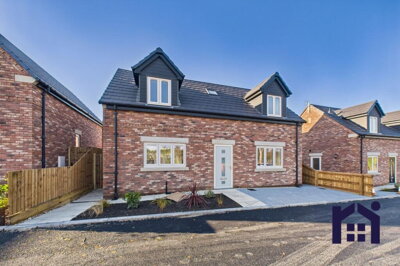
Browse 1 home new builds in Croston, Chorley from local developer agents.
Three bedroom properties represent a significant portion of the Croston housing market, offering space for families with multiple reception rooms and gardens in many cases. Browse detached, semi-detached, and terraced options ranging across new residential developments.
£280k
5
0
63
Source: home.co.uk
Showing 5 results for 3 Bedroom Houses new builds in Croston, Chorley. The median asking price is £280,000.
Source: home.co.uk
Semi-Detached
3 listings
Avg £273,333
Detached
2 listings
Avg £495,000
Source: home.co.uk
Source: home.co.uk
Croston's property market gives buyers plenty of choice across the full range of housing types. Detached homes fetch the highest prices, with the average sitting at £466,250, a reflection of the space and rural setting that define these properties. Semi-detached houses offer strong value at around £239,600, while terraced homes average £252,553, giving first-time buyers and growing families a more accessible way into this sought-after village. Flats are still thin on the ground, with houses very much the main feature of the local market.
Over the past twelve months, Croston has seen a clear correction in property values. homedata.co.uk says historical sold prices were 21% down on the previous year, and homedata.co.uk also records a similar fall of 21.6%. In the PR26 9 postcode area, prices dropped by 5.5% over the last year, or 9.0% once inflation is taken into account, according to Housemetric. The shift has been sharp, but it has opened the door for buyers who had previously been priced out. That Housemetric figure is based on roughly 110 sales over the past 24 months, which works out at around 55 transactions a year in this area.
New-build supply in Croston is still extremely limited, and that scarcity supports demand for existing homes. The only active development we identified is the Lanley Homes scheme on Station Road, which includes four semi-detached homes. There is also a planning application under consideration for a 0.78-hectare site, with the potential to deliver 9-12 detached and semi-detached family houses, although it is still at an early stage. Buyers wanting newer specifications can look to Leyland, Eccleston, and Chorley, but those options sit outside the Croston village boundary.

Community life in Croston centres on village spirit and the ease of having everyday amenities close at hand. The civil parish grew from 2,917 residents in 2011 to 3,272 at the 2021 census, and that growth has done little to dilute its strong local identity. Shops, pubs, and independent businesses are gathered in the village centre, while the surrounding countryside gives walkers, cyclists, and nature lovers plenty to enjoy. The River Yarrow runs through the village too, adding to the setting and providing riverside walks that residents use all year round.
Looking at the demographic picture, Croston has an average household size of 2.36 persons, a little below the national average, which points to a mix of couples, smaller families, and older residents. The wider ward of Croston, Mawdesley and Euxton South, which includes the village, has 9,551 people living in 3,211 households, underlining its role within Chorley district. Architecture here still reflects Lancashire building traditions, with many properties built in rock-faced sandstone, rendered brick with stone dressings, and roofs finished in slate, tile, or thatch.
Heritage protection is a big part of Croston's appeal, and the village centre conservation area keeps the character of the main streets intact. There are 47 listed buildings in the civil parish, a substantial collection for a village of this size. Among them are St Michael and All Angels' Church, a Grade II* listed building from the medieval period, along with farmhouses, almshouses, and the ancient village cross. Croston Town Bridge, now a Scheduled Monument, crosses the River Yarrow and acts as a reminder of the settlement's long history. Many of these buildings still have stone mullioned windows, exposed beams, and traditional fireplaces, though buyers should allow for the extra upkeep that comes with period property.

Families moving to Croston will find schooling is one of the main practical considerations. The village has local primary schools within easy walking distance of residential streets, and further primary and secondary choices can be found in Chorley and Leyland. Catchment areas and admission rules matter here, because they can affect both prices and the availability of homes in certain roads. Good schools in the surrounding area add to Croston's appeal for buyers who want village living without giving up educational options.
Secondary pupils usually travel out to nearby towns, where several well-regarded schools and colleges sit within a reasonable commute. The Croston, Mawdesley and Euxton South ward has a household average size of 3.0 persons, which points to a sizeable share of families with children and explains why schooling is so important to the local market. For buyers with school-age children, we would suggest viewing during term time so you can judge morning traffic and see how long the journey to preferred schools really takes from each property.
For primary-aged children, Croston offers a handful of local choices, with schools in the village and in neighbouring Mawdesley covering the immediate area. Transport to schools outside catchment is limited, so families should check that a property sits within the boundary of the school they want before they commit. Secondary options include schools in Chorley, Leyland, and the surrounding area, and some families use the rail link from Croston station for easier access to schools further away. School performance changes each year, so current Ofsted ratings and exam results are worth checking before the search is finalised.

Transport links give Croston a practical edge for people travelling across Lancashire. The village is within easy reach of the A59 trunk road, which provides straightforward routes to Preston, Liverpool, and the M6 motorway network. Bus services also connect Croston with nearby villages and towns, giving non-drivers an alternative. Croston station offers rail access as well, although many residents head to Leyland or Preston for a wider choice of services and quicker links into major cities.
For commuters heading to Preston, Manchester, or Liverpool, Croston's location can work well. The M6 and M61 motorways make access to major employment centres fairly direct, and the drive into Preston city centre usually takes about 20-30 minutes. Manchester is typically around 45-60 minutes away, traffic depending. Daily life is also easier on the parking front, since the village centre is generally manageable compared with the congestion found in larger towns.
Rail travel from Croston station reaches Preston and Manchester, with onward national connections available via Preston. Many residents also choose Leyland station, about 5 miles away, because it offers more frequent services and shorter journey times to key destinations. Junction 28 of the M6 near Parbold links into the M65 and M61 corridors, while junction 31A near Preston gives a simple route to the M55 and the motorway network heading north. Weekend traffic through the village is lighter too, which suits shift workers and anyone on part-time hours.

Current listings and recently sold prices in the PR26 9 area are well worth checking before you start narrowing things down. A clear read of local price trends and the types of homes available will help you set a realistic budget and focus on the streets and pockets that fit. home.co.uk, homedata.co.uk, and home.co.uk all list properties in Croston, and asking prices currently range from around £150,000 for older terraced homes to more than £600,000 for sizeable detached houses with generous gardens.
Before you book viewings, speak to a mortgage broker or lender and get an agreement in principle in place. That extra preparation strengthens your hand when you make an offer, especially in a village market where more than one buyer may be chasing the same home. With the average Croston price sitting at around £278,672, most purchasers will need a mortgage, and having the paperwork ready shows sellers you are serious.
Once you have a shortlist, go and see the properties, ideally at different times of day and on different days of the week. Flood risk deserves attention, especially near Grape Lane, Town Road, or around Riverside Crescent, where the River Yarrow can be a concern. We would usually suggest looking at least three or four homes before making an offer, because that makes it much easier to judge what fair value looks like in the current market.
After your offer is accepted, bring in a qualified surveyor to carry out a Level 2 survey. Croston's older homes and strong heritage stock mean this is the stage where structural issues, damp, and roof defects that were not obvious at viewings can come to light. For a typical three-bedroom property, expect to budget about £420-£500, with larger or older homes often attracting a higher fee.
A solicitor is the next call if you want the legal side of the purchase handled properly. They will carry out searches with Chorley Borough Council, check planning restrictions, and deal with exchange of contracts. Standard conveyancing starts from around £499, although there will be extra costs for searches and Land Registry fees.
When the searches come back clear and your mortgage is in place, contracts are exchanged and your deposit is paid. Completion usually follows within 7-28 days, and that is when the keys to your new Croston home are handed over. We would book removals and set up mail redirection well before completion day rather than leaving it to the last minute.
Because Croston has so much heritage character, the housing stock needs a careful eye. There are 47 listed buildings in the civil parish, which tells you a lot of the local homes are older and may need more maintenance than newer properties. When we view homes here, we look closely at the roof, damp in walls and ceilings, and the upkeep of traditional details such as original windows and fireplaces. Sympathetically modernised properties that still keep their period features often represent the best value, as they blend old character with modern comfort.
Local construction in Croston usually means rock-faced sandstone walls, rendered brick with stone dressings, and roofs of slate, tile, or thatch. In some converted farmhouses, original thatch can still sit beneath later asbestos tile coverings, which needs specialist attention. Older timber-framed buildings can bring woodworm or beetle issues, while the solid-wall construction found in many terraced homes means insulation levels may fall short of modern expectations. Our inspectors look at these Lancashire building types specifically and pick out the issues that tend to come with them.
Anyone buying in Croston needs to think about flood risk from the outset. The River Yarrow has been identified as a concern, and properties on Grape Lane, Town Road, Yarrow Close, Drinkhouse Lane, the junction of Westhead Road and Riverside Crescent, Lonsdale Drive, Langdale Avenue, and Coniston Way all sit within flood warning areas. Before committing, prospective buyers should ask for the seller's Flood Property Search results, check the EA flood risk maps, and consider whether suitable resilience measures are already in place. Insurance can also be more expensive for homes with a flood history.

According to home.co.uk listings data, the average house price in Croston is around £278,672, while homedata.co.uk reports £269,786 and home.co.uk puts it at £253,000 as of early 2026. Detached properties average £466,250, semi-detached homes around £239,600, and terraced properties about £252,553. Prices have eased in recent months, down by roughly 21% year-on-year, which may give buyers a better entry point than they had 12 months ago.
All Croston properties fall under Chorley Borough Council. In practice, most terraced and semi-detached homes in the village usually sit within council tax bands A through D, while larger detached homes are more likely to fall in bands D through F. You can check the exact band for any address through the Chorley Borough Council website or the Valuation Office Agency listing, and estate agents generally include it in their property particulars too.
Families looking at Croston will find local primary schools serving the village, with further well-regarded primary and secondary choices in nearby Chorley and Leyland. The right school depends on the age of your children and what matters most to you educationally. The Croston, Mawdesley and Euxton South ward has a household average size of 3.0, which reflects the family make-up of the area. Before buying, parents should check current Ofsted ratings and catchment boundaries, since both education and property values can be affected.
Croston railway station gives residents access to regional rail services, and bus routes link the village with nearby towns and villages. The A59 trunk road runs close by, so reaching Preston and the M6 motorway is straightforward. Many people head to larger stations in Leyland or Preston for more frequent trains to Manchester, Liverpool, and further afield. By car, the trip to Preston city centre is usually about 20-30 minutes, while Manchester is around 45-60 minutes depending on traffic conditions.
The mix of village character, heritage appeal, and transport connections makes Croston attractive to several kinds of buyer. A recent price adjustment of around 21% may create openings for investors looking at homes at lower entry points. Rental demand does exist from professionals working in nearby towns who prefer village living. With only the Lanley Homes development of 4 semi-detached homes on Station Road currently active, supply of new homes remains limited, which helps support existing stock.
From April 2025, stamp duty rates for residential purchases begin at 0% on the first £250,000, then move to 5% on amounts from £250,001 to £925,000, 10% up to £1.5 million, and 12% above that. First-time buyers get relief on the first £425,000, then pay 5% between £425,001 and £625,000, with no relief above £625,000. Since Croston's average price is around £278,672, most homes sit in the lower tax bands, and first-time buyers will usually pay no stamp duty on an average-priced property in the village.
Flood risk in Croston has been identified around the River Yarrow. Homes that could be affected include those on Grape Lane, Town Road, Yarrow Close, Back Drinkhouse Lane, Drinkhouse Lane, Westhead Road near Riverside Crescent, Lonsdale Drive, Langdale Avenue, Coniston Way, and properties close to the sewage works. We would advise buyers to request flood risk searches, confirm that insurance is available, and check whether flood resilience measures are already in place before going ahead.
Within Croston civil parish, 47 listed buildings are recorded in the National Heritage List for England. That list includes St Michael and All Angels' Church at Grade II*, a number of farmhouses, almshouses, the village cross, public houses, and Croston Town Bridge, which is a Scheduled Monument. Homes in the village centre conservation area may face extra planning controls that affect permitted development rights, so buyers planning renovations or extensions should check with Chorley Borough Council planning department first.
Croston's housing stock is dominated by terraced homes, which made up most of the sales activity over the past year according to home.co.uk listings data. Semi-detached properties are common too, especially in residential areas built during the village's twentieth-century expansion. Detached houses are often former farmhouses that have been altered over time or larger homes on generous plots at the edge of the village. Flats are rare, so the area suits buyers who want a house rather than apartment living.
From 4.5%
Expert mortgage advice for Croston property purchases
From £499
Solicitor services for your Croston property purchase
From £350
Detailed survey for your Croston property
From £80
Energy performance certificate for Croston homes
Buying in Croston means looking beyond the purchase price itself. The current stamp duty land tax thresholds for residential properties begin at 0% on the first £250,000, so a typical Croston terraced home at around £252,553 would only attract tax on the amount above that figure. First-time buyers buying up to £425,000 can receive full relief, and those purchasing at the average Croston price of £278,672 would normally pay no stamp duty at all under first-time buyer relief.
There are other purchase costs to factor in as well, including solicitor fees from roughly £499 for standard conveyancing, survey fees of £350-£500 for a RICS Level 2 survey on a typical three-bedroom home, and search fees with Chorley Borough Council. Mortgage arrangement fees are usually 0-2% of the loan amount, and borrowers should also allow for valuation fees. Buildings insurance has to be in place from completion. In total, buying costs generally come to 2-4% of the property price, so a buyer purchasing an average-priced Croston home at £278,672 should set aside about £5,500-£11,000 for these extra expenses.
It is also wise to budget for moving costs, any repairs or renovations revealed by the survey, and the cost of furnishing the new home. Village properties can call for extra spending on traditional features such as original windows, fireplaces, or roofing materials that need specialist upkeep. We suggest putting aside a contingency fund of at least 5-10% of your purchase price to cover the unexpected bills that often appear when buying period homes in places like Croston. The £5,500-£11,000 figure above does not include removals, which can add £500-£2,000 depending on how much you are moving and how far.

Properties New Builds In London

Properties New Builds In Plymouth

Properties New Builds In Liverpool

Properties New Builds In Glasgow

Properties New Builds In Sheffield

Properties New Builds In Edinburgh

Properties New Builds In Coventry

Properties New Builds In Bradford

Properties New Builds In Manchester

Properties New Builds In Birmingham

Properties New Builds In Bristol

Properties New Builds In Oxford

Properties New Builds In Leicester

Properties New Builds In Newcastle

Properties New Builds In Leeds

Properties New Builds In Southampton

Properties New Builds In Cardiff

Properties New Builds In Nottingham

Properties New Builds In Norwich

Properties New Builds In Brighton

Properties New Builds In Derby

Properties New Builds In Portsmouth

Properties New Builds In Northampton

Properties New Builds In Milton Keynes

Properties New Builds In Bournemouth

Properties New Builds In Bolton

Properties New Builds In Swansea

Properties New Builds In Swindon

Properties New Builds In Peterborough

Properties New Builds In Wolverhampton

Enter your details to see if this property is within your budget.
Loans, cards, car finance
Estimated property budget
Borrowing + deposit
You could borrow between
Typical borrowing
Monthly repayment
Est. at 4.5%
Loan-to-value
This is an estimate only. Your actual budget may vary depending on interest rates, credit history, and personal circumstances. For an accurate affordability assessment, speak to one of our free mortgage advisors.
This calculator provides estimates for illustrative purposes only and does not constitute financial advice. Your home may be repossessed if you do not keep up repayments on your mortgage. Estimates based on 4.5% interest rate, repayment mortgage. Actual rates depend on your circumstances.
Homemove is a trading name of HM Haus Group Ltd (Company No. 13873779, registered in England & Wales). Homemove Mortgages Ltd (Company No. 15947693) is an Appointed Representative of TMG Direct Limited, trading as TMG Mortgage Network, which is authorised and regulated by the Financial Conduct Authority (FRN 786245). Homemove Mortgages Ltd is entered on the FCA Register as an Appointed Representative (FRN 1022429). You can check registrations at NewRegister or by calling 0800 111 6768.

We use cookies to show you personalised content and improve your experience of our website. Find out more in our Privacy policy and Cookie policy.