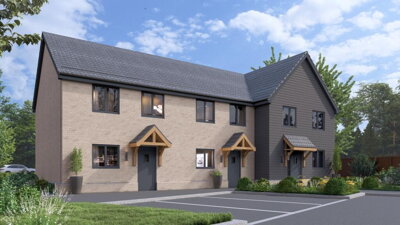
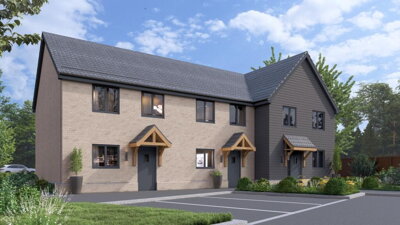
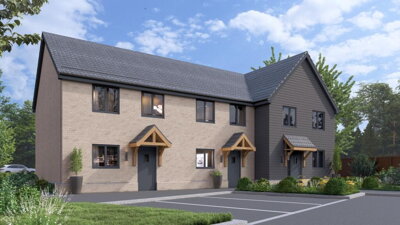
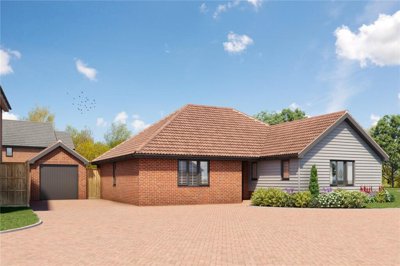
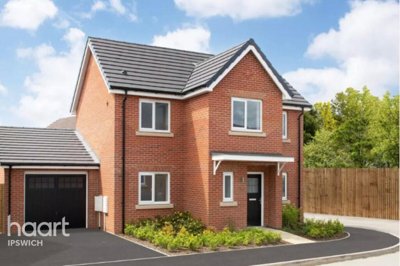
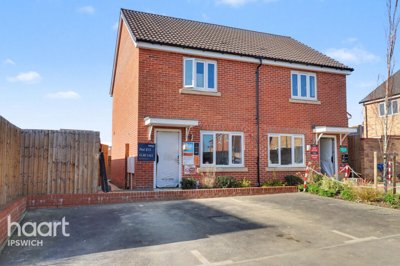
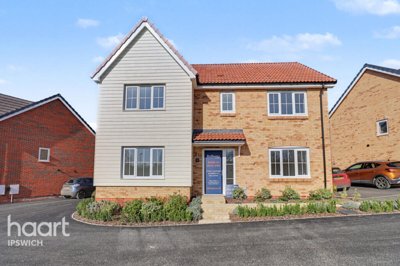
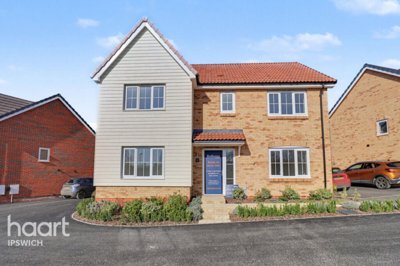
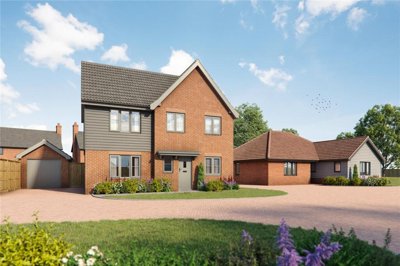
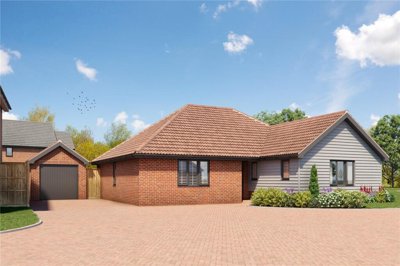
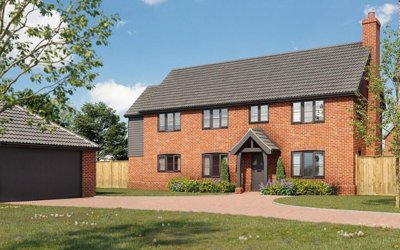
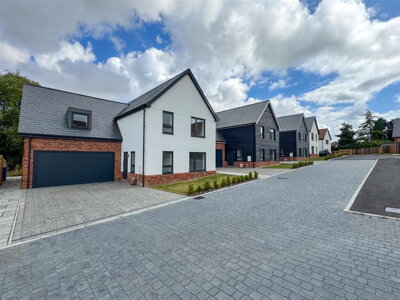
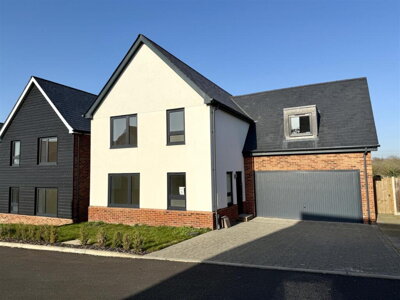
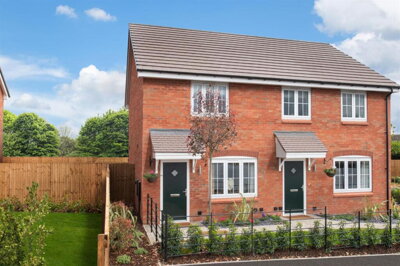
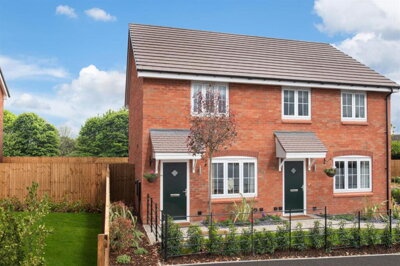
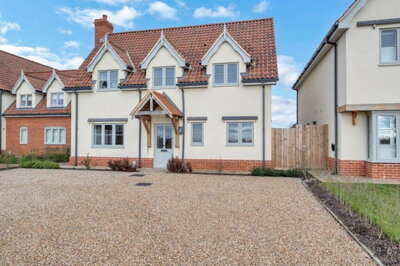
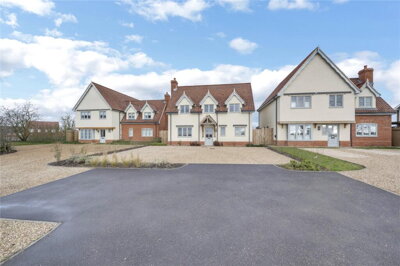
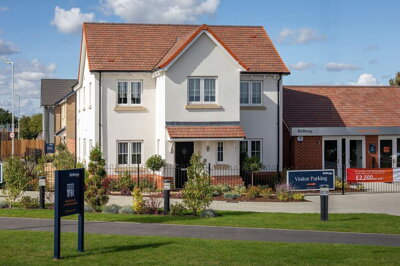
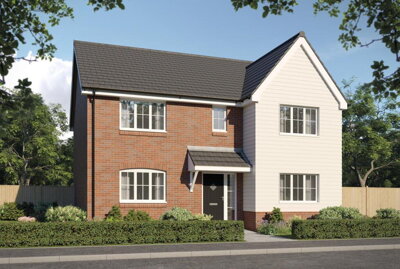
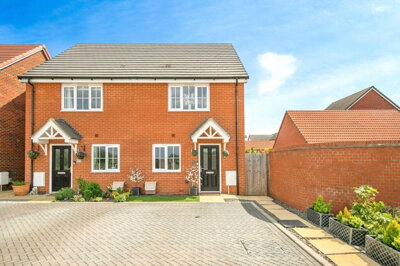
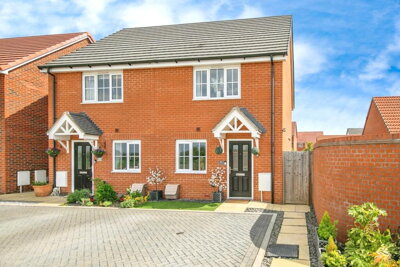
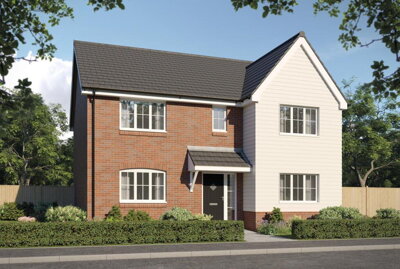
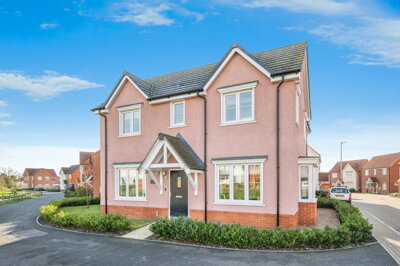
Browse 24 homes new builds in Creeting St. Peter or West Creeting from local developer agents.
Parish-level sold data is not readily available for Creeting St. Peter or West Creeting, so the clearest market picture comes from the nearby Stowmarket area. homedata.co.uk records show an average price of £304,383 over the last year in Stowmarket, which places the local market in a sensible mid-range for Suffolk buyers. Across the wider county, homedata.co.uk also shows detached homes averaging £429,268, semi-detached homes £280,090, terraced homes £240,632 and flats £168,000 over the last 12 months. Those figures help frame expectations if you are comparing a village cottage with a family house or a more modern home nearby.
Supply in the parish itself is usually modest, and that scarcity is part of the appeal. We are not seeing a strong pipeline of verified new-build development within Creeting St. Peter or West Creeting, so buyers who want a brand-new home often widen their search into Stowmarket or the surrounding villages. Older cottages, farmhouses and converted homes are more typical here, which means the condition and character of each property can vary quite a lot. For that reason, a quick viewing is not enough - you need to think about structure, access, drainage and the cost of any work before you commit.

Creeting St. Peter or West Creeting is a genuinely small rural parish, and that scale shapes daily life. The population was 195 in 2021, so this is a place where you notice the landscape, the lanes and the history rather than traffic and high street bustle. The setting is distinctly Suffolk, with glacial till, sand and gravel over London Clay and Crag formations, which gives the countryside its gentle, rolling feel. Traditional red brick, timber frame and rendered cottages suit the area well, and older homes may show Suffolk pink render or other period details.
Heritage is a major part of the village character. St Peter's Church is Grade I listed, and there are other listed homes and farm buildings nearby, which tells you a lot about the age and quality of the local housing stock. There is no specific conservation area designated for the village itself, but listed buildings still need sympathetic repairs and careful consent where alterations are involved. The river corridor adds to the attractiveness of the area, although low-lying plots deserve a proper flood check before you buy. If you value open views, quiet roads and a strong sense of place, the village has a lot to offer.
Daily living is best described as peaceful and practical in equal measure. You get the calm of rural Suffolk, but you will still rely on nearby Stowmarket for many routine needs, from rail travel to larger supermarkets and broader services. That balance suits buyers who want a country setting without feeling completely isolated from the rest of Mid Suffolk. Families, downsizers and commuters all look at the area for different reasons, yet they usually come to the same conclusion - the village feels personal, well kept and rooted in its surroundings. For the right buyer, that combination is hard to beat.
The parish is too small to support a broad school offer inside its own boundary, so most buyers compare options in Stowmarket and the wider Mid Suffolk area. That makes catchment maps, admissions rules and journey times just as important as the property itself. If school access matters to you, start by checking the nearest primary options and then look at the secondary route your child would actually use every day. We always advise buyers to test the school run at peak time, because rural roads can feel very different once traffic builds.
Since parish-level school rankings are not available in the research, the sensible approach is to judge the wider area on practicality. Stowmarket is the natural local hub for families, so it is worth comparing schools there against what is available in the surrounding villages before you book viewings. Older pupils may also look beyond the immediate parish for sixth form or further education choices, which is common across rural Suffolk. If your move depends on a particular catchment, confirm the details before you make an offer, because a great house can still be the wrong fit if the school trip is awkward.
Families with younger children tend to look for a safe, manageable routine rather than the shortest map distance. Rural lanes, limited bus frequency and darker winter evenings all affect how school life feels once you live here. That is why we suggest checking walking routes, parking pressure and whether a bus service is realistic for your day-to-day plan. A mortgage agreement in principle still matters at this stage, because homes in well-connected villages can draw interest quickly when they suit family buyers. Planning both the education side and the finance side together makes the move much smoother.
Road access is the main transport story here. Stowmarket provides the nearest practical rail link, while the A14 corridor is the route most people use for travel towards Ipswich, Bury St Edmunds and other major destinations in Suffolk. Rural bus services do exist, but they are usually less frequent than services in bigger towns, so most households plan around the car. If you commute regularly, you should also think about parking at the station and the extra time that country lanes can add during the morning rush.
Cycling is possible on quieter roads, yet the local lanes are still rural lanes, so confidence and caution both matter. The village layout means you avoid the congestion seen in larger settlements, but that convenience comes with a trade-off - you may need to drive for groceries, healthcare and many everyday errands. Buyers who split time between home and office often appreciate that balance, especially if they are happy to live somewhere calm and well spaced out. Before you begin lots of viewings, line up your mortgage agreement in principle so you can move fast when a suitable home appears.

Start by understanding exactly where Creeting St. Peter or West Creeting sits in relation to Stowmarket, the River Gipping and the surrounding lanes, because a small parish can feel very different from the nearest town.
Rural stock can be limited, so when a suitable cottage, farmhouse or family home appears, arrange a visit early and ask practical questions about drainage, parking, broadband and access.
Get a mortgage agreement in principle before you make serious offers, as it helps you move quickly in a market where good village homes can attract attention from commuters and local movers alike.
A RICS Level 2 Survey can suit many conventional homes, while older cottages, listed buildings or homes with signs of movement may need a fuller Level 3 Building Survey.
Ask your solicitor to check title, boundary detail, rights of way, flood history, drainage and any listed-building paperwork, since rural purchases often involve more than a simple transfer.
Once searches, survey results and mortgage terms all line up, agree your completion date, transfer funds and plan the move so you can settle into the village without last-minute stress.
Older homes here deserve a careful structural check, especially because the local geology includes clay-rich ground. Areas with boulder clay can carry a moderate to high shrink-swell risk, which means seasonal movement may show up as cracking, sticking doors or patch repairs around the house. A good surveyor should look closely at foundations, external brickwork, roof lines and any evidence of historic settlement. That is particularly important on older properties with shallow footings, period extensions or mature trees nearby.
Flood risk also needs proper attention. The parish sits near the River Gipping, so homes close to the river or in low-lying pockets may be exposed to fluvial flooding or surface water issues after heavy rain. The area is inland, so coastal erosion is not part of the picture, but drainage and water management still matter a great deal. Check the flood map, ask the seller about past water problems and look at how the plot drains after rainfall. If the access road or garden tends to hold water, treat that as a warning sign rather than a minor inconvenience.
Heritage features can be a selling point, yet they can also add cost and delay. Listed cottages, farmhouses and historic outbuildings may require traditional materials, specialist trades and consent for alterations, so a future project can be more demanding than it first appears. If you are buying a flat conversion or a barn split into multiple units, look carefully at lease length, service charges and who pays for external repairs or shared drive maintenance. Buyers who factor those details in early are usually the ones who avoid expensive surprises later.
Parish-level average prices are not readily available for Creeting St. Peter or West Creeting, so the best local benchmark comes from nearby Stowmarket. homedata.co.uk records show an average of £304,383 over the last year there, with prices up 1% and 298 sales completed. Suffolk county figures also give useful context, with detached homes averaging £429,268, semi-detached £280,090, terraced £240,632 and flats £168,000. That helps you judge whether a village cottage, semi or larger family home is priced sensibly before you offer.
Properties in the parish fall under the Mid Suffolk District Council billing area, but the actual council tax band is set home by home. Smaller cottages often sit in lower bands than larger detached houses, yet every property is assessed individually. The safest approach is to check the specific listing and confirm the band before you make an offer. If you are comparing several homes, factor council tax into the monthly budget alongside the mortgage and utilities.
The parish itself is too small to have a wide school choice inside its boundary, so most families compare schools in Stowmarket and the wider Mid Suffolk area. There is not enough parish-specific school data in the research to rank individual schools here, so catchment and travel time matter more than a headline list. We recommend checking admissions arrangements, bus routes and peak-time journey lengths before you commit. If a particular school is non-negotiable, confirm it first and then focus your search on the right part of the village.
The village is more car-friendly than city-linked, but it still has reasonable access for rural Suffolk. Stowmarket provides the nearest practical rail connection, and the A14 is the main road route for wider commuting. Bus services are present in the area, although they are usually less frequent than in larger towns, so they work best when you are not relying on them every hour of the day. If transport is central to your move, check station parking, school runs and how long the journey feels in real traffic.
It can be, if you are looking for a long-term hold in a small, characterful rural market. Supply is limited, which supports interest in the right home, and the village sits close enough to Stowmarket for commuter demand to matter. That said, the market is thin, so resale can depend on property type, condition and how well the home fits local buyers. Investors should think carefully about maintenance, flood risk and the extra cost of older or listed buildings before purchasing.
For most buyers in 2024-25, stamp duty is 0% up to £250,000, 5% on the portion from £250,000 to £925,000, 10% from £925,000 to £1.5 million and 12% above that. On a home priced at the Stowmarket benchmark of £304,383, the standard buyer would pay about £2,719 in stamp duty. First-time buyers pay 0% up to £425,000, then 5% from £425,000 to £625,000, with no relief above £625,000. The exact amount can change if you are buying an additional property, so always confirm the figure before exchange.
We are not seeing a verified pipeline of active new-build developments within the parish itself. That is common for a small rural village, where most homes are older cottages, farmhouses or infill properties rather than large estates. Buyers who want newer stock usually widen the search into Stowmarket or other nearby settlements. If a modern home is essential, ask us to compare the parish with the surrounding area before you start arranging viewings.
Stamp duty is one of the main costs buyers need to plan for, and it can change the shape of your budget quickly. In 2024-25, the standard thresholds are 0% up to £250,000, 5% from £250,000 to £925,000, 10% from £925,000 to £1.5 million and 12% above £1.5 million. First-time buyers get relief up to £425,000, then pay 5% from £425,000 to £625,000, with no relief above £625,000. That means many first-time buyers looking around this price point will owe little or no stamp duty, while movers need to budget more carefully.
Using the nearby Stowmarket average of £304,383 as a guide, a standard buyer would pay roughly £2,719 in stamp duty on that price band. That is only one part of the bill, though, because you also need money for mortgage fees, legal work, searches, surveys and removals. A mortgage agreement in principle helps with the finance side, but it does not replace a full budget check before you offer. Our advice is to work out your total purchase cost early so the move stays realistic, not just possible.
Properties New Builds In London

Properties New Builds In Plymouth

Properties New Builds In Liverpool

Properties New Builds In Glasgow

Properties New Builds In Sheffield

Properties New Builds In Edinburgh

Properties New Builds In Coventry

Properties New Builds In Bradford

Properties New Builds In Manchester

Properties New Builds In Birmingham

Properties New Builds In Bristol

Properties New Builds In Oxford

Properties New Builds In Leicester

Properties New Builds In Newcastle

Properties New Builds In Leeds

Properties New Builds In Southampton

Properties New Builds In Cardiff

Properties New Builds In Nottingham

Properties New Builds In Norwich

Properties New Builds In Brighton

Properties New Builds In Derby

Properties New Builds In Portsmouth

Properties New Builds In Northampton

Properties New Builds In Milton Keynes

Properties New Builds In Bournemouth

Properties New Builds In Bolton

Properties New Builds In Swansea

Properties New Builds In Swindon

Properties New Builds In Peterborough

Properties New Builds In Wolverhampton

Enter your details to see if this property is within your budget.
Loans, cards, car finance
Estimated property budget
Borrowing + deposit
You could borrow between
Typical borrowing
Monthly repayment
Est. at 4.5%
Loan-to-value
This is an estimate only. Your actual budget may vary depending on interest rates, credit history, and personal circumstances. For an accurate affordability assessment, speak to one of our free mortgage advisors.
This calculator provides estimates for illustrative purposes only and does not constitute financial advice. Your home may be repossessed if you do not keep up repayments on your mortgage. Estimates based on 4.5% interest rate, repayment mortgage. Actual rates depend on your circumstances.
Homemove is a trading name of HM Haus Group Ltd (Company No. 13873779, registered in England & Wales). Homemove Mortgages Ltd (Company No. 15947693) is an Appointed Representative of TMG Direct Limited, trading as TMG Mortgage Network, which is authorised and regulated by the Financial Conduct Authority (FRN 786245). Homemove Mortgages Ltd is entered on the FCA Register as an Appointed Representative (FRN 1022429). You can check registrations at NewRegister or by calling 0800 111 6768.

We use cookies to show you personalised content and improve your experience of our website. Find out more in our Privacy policy and Cookie policy.