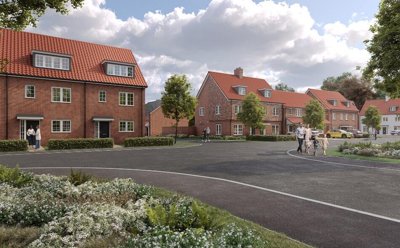
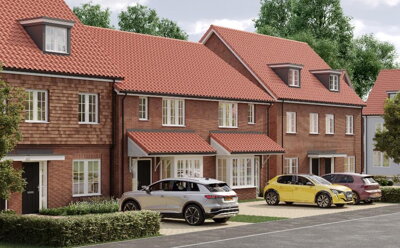
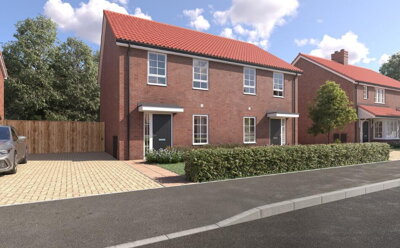
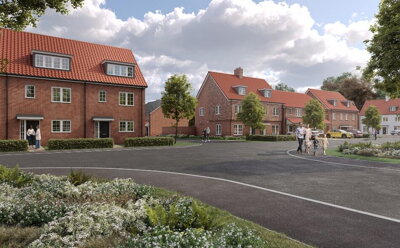
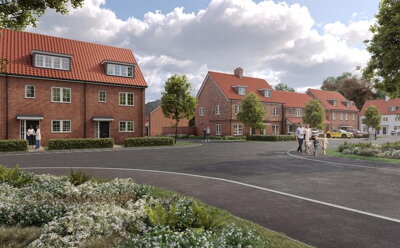
Browse 7 homes new builds in Cranworth, Breckland from local developer agents.
The Cranworth property market offers detached, semi-detached, and terraced houses spanning various price ranges and neighbourhoods. Each listing includes detailed property information, photographs, and direct contact with the marketing agent.
£425k
5
1
62
Source: home.co.uk
Showing 5 results for Houses new builds in Cranworth, Breckland. 1 new listing added this week. The median asking price is £425,000.
Source: home.co.uk
Detached
4 listings
Avg £512,500
Semi-Detached
1 listings
Avg £270,000
Source: home.co.uk
Source: home.co.uk
Cranworth's property market has held up well despite broader national uncertainty. home.co.uk puts average asking prices at £615,455, while homedata.co.uk records sold prices averaging £270,000 over the last twelve months. That gap between asking and achieved figures is typical in rural markets, where motivated sellers often accept less than the first price. Detached homes sit highest at around £604,167, and semi-detached properties usually change hands for about £270,000, so both can still suit families wanting more room than an urban home often gives.
There were 26 sales in Cranworth over the past year, a decent level of activity for this part of Norfolk. Detached houses made up most of the recent movement, with semi-detached homes next, which tells us buyers are still putting a premium on space and privacy in the countryside. Prices are cooler than they were in 2011, when the average reached £500,000, but for anyone planning to stay put for a few years or longer, the market still looks like a sound long-term prospect.
For buyers eyeing Cranworth, the current market gives a chance to step into the Norfolk village market below the historical peak. The 32% drop from 2011 highs means today's purchasers can get in at a more approachable level, while still buying into a place with strong community ties and a good quality of life. Cash buyers, or those with larger deposits, may also find sellers more open to negotiation, especially on homes that have lingered on the market.
Cranworth's housing stock is mainly established family homes rather than new-build schemes. In practice, that usually means mature gardens, settled streets, and properties that have been occupied and cared for over many years. Traditional Norfolk brick construction is common here too, giving the village the sort of solid build quality that has lasted through generations of local life.

Cranworth has the feel of a classic Norfolk village, quiet and unhurried compared with larger towns and cities. It sits in Breckland, one of Norfolk's most distinctive districts, where farmland, heathland, and pretty villages link together by country lanes. Daily life tends to revolve around local connections, with amenities and social spots acting as the village's gathering points. The surrounding countryside is ideal for walking and cycling, and the nearby Brecks bring a landscape known for both biodiversity and scenic value.
Cranworth may be small, but nearby towns fill in the gaps when extra services are needed. Dereham is within easy driving distance and has supermarkets, healthcare facilities, and a good range of shops, while Thetford adds more retail and entertainment options. The village is also well placed for the coast, with popular North Norfolk destinations reachable in about an hour's drive. That gives residents a useful mix, quiet village living during the week and coastal days out at the weekend.
The Brecks, which cover much of the land around Cranworth, are a real draw for anyone who enjoys the outdoors. This internationally important habitat supports rare birds such as the stone curlew, nightjar, and woodlark, so birdwatchers travel here from across the country. Dry heathland, conifer plantations, and river valleys give the area plenty of variety, whether you are walking or cycling. Footpaths from the village link up with neighbouring settlements, so there is no need to go far to get out into the countryside.
Village life in Cranworth is bolstered by the usual run of local events and social gatherings. The local pub, if one is open, often becomes the informal meeting place, while village hall activities bring together all age groups. New arrivals are generally welcomed warmly by long-standing residents, and the village's small scale means people who join in soon become familiar faces.

Families looking at Cranworth will find a range of education choices in the surrounding area. Primary schooling is available in nearby villages, with several well-regarded primaries within a sensible distance of Cranworth. Most serve their own catchment areas and take children from reception through to Year 6. It is worth checking catchment lines carefully before buying, because admission rules can shape what is available for children. In rural Norfolk, many primaries also benefit from strong community links and smaller class sizes, which can mean more individual attention.
Secondary pupils from Cranworth usually travel to schools in nearby towns such as Dereham, Attleborough, or Thetford. Those schools offer GCSE and A-Level options, and some also run specialist subjects and extracurricular activities. We would always suggest checking the latest Ofsted results before making a decision. Sixth form provision depends on the school, with some retaining pupils for post-16 study and others directing them towards sixth form colleges or further education providers in larger towns. County council bus services usually handle transport for secondary pupils.
For most families, the journey to secondary school from Cranworth means a 20-30 minute bus ride to the nearest options in the market towns around it. Norfolk County Council runs school transport for pupils living beyond the statutory walking distance from their nearest suitable school, which may help some Cranworth households depending on where the chosen school is based. We would advise building transport into the decision from the start, especially if public buses will be relied on rather than private cars.
For younger children, the surrounding area includes nurseries and preschool settings, some attached to primary schools and others operating independently in nearby villages. These provide childcare and early education from age two upwards, helping children prepare for formal schooling. For working parents, or those planning a return to work, education, or training, childcare availability can be one of the practical make-or-break factors.

Cranworth's transport picture reflects its rural Norfolk setting, so most residents depend on private cars for commuting and longer trips. The village is close to the A47, the main trunk road that links Norfolk with Norwich, Peterborough, and King's Lynn. That road network matters for anyone travelling to work or needing bigger-town services. By car, Norwich usually takes around 45 minutes to an hour, depending on traffic and route, while Peterborough is about one hour away.
Bus services do run from Cranworth to nearby towns and villages, though as you would expect in rural Norfolk the timetable is limited. Those services can get residents to supermarkets, healthcare appointments, and railway stations in larger settlements. Norwich has the nearest rail links, including Greater Anglia trains to London Liverpool Street in about two hours. Ely and Peterborough add other options, with routes towards Cambridge and London. For people who work remotely, or who keep their hours flexible, Cranworth's quiet setting works well for home working and cuts out much of the daily commute.
The A47 close to Cranworth has seen a series of improvements in recent years, aimed at better safety and smoother traffic flow on this important Norfolk route. It links the village with larger employment centres and gives residents a practical road connection to Norwich, King's Lynn, and the nearby market towns. For professionals based in Norwich, many workplaces are comfortably within an hour's drive, so Cranworth can work well for commuters who are happy to trade urban convenience for village life.
Cyclists will find the quieter lanes around Cranworth pleasant enough for local rides, though longer trips do need planning because rural Norfolk has limited dedicated cycling infrastructure. Being in the Brecks means popular routes are accessible straight from the village, including longer-distance links across the region. For older children travelling to secondary school, cycling can be a practical option, but road conditions and individual circumstances will obviously matter.

Before arranging viewings, it pays to spend time in Cranworth at different points in the week and at different times of day. Drop into local shops, pubs, and community spaces to get a proper feel for the place. Talk to residents, look at planning applications that could affect values or the look of a street, and try a visit in different seasons so you can see how the Norfolk countryside changes, from spring flowers to autumn colour and winter mists over the Brecks.
Get a mortgage agreement in principle before you start looking seriously. It gives your offer more weight and shows sellers that you are ready to proceed. We would also recommend speaking to more than one lender or broker so you can compare rates and find the mortgage that fits your circumstances, whether you are an existing homeowner or a first-time buyer. With Cranworth's average property price of £615,455, many purchasers will fall within favourable lending tiers, although specialist advice is sensible for anyone with a more complex financial picture.
We use Homemove to browse available properties in Cranworth and set alerts for new listings. Once something catches your eye, book viewings so you can judge the condition, the setting within the village, and whether the place suits your needs. Take notes and photos while you are there, so later comparisons are easier. It is sensible to look across different price points too, from cottages to family homes, and to note which property types feel right for what you need.
Once you have found the home you want, put in an offer through the estate agent handling the sale. There is usually some room to negotiate, especially while current market conditions are showing achieved prices below asking levels. Your mortgage agreement in principle will help show you mean business. In Cranworth, achieved prices average around £270,000 against asking prices of £615,455, although the size of the gap still depends on the home and the seller's circumstances.
Before you complete, book a RICS Level 2 Survey so the property's condition can be checked and any defects highlighted for attention or negotiation. That matters particularly in older rural Norfolk homes, where traditional building methods can come with their own maintenance quirks. The survey may uncover issues with brickwork, roofing, or other parts that are not obvious during a standard viewing, giving you the chance to decide with a clearer picture or renegotiate if serious defects turn up.
After your offer is accepted, instruct a conveyancing solicitor to deal with the legal side of the purchase. The solicitor will carry out searches, manage the contracts, and liaise with your mortgage lender through to completion. On completion day, the keys are handed over and the Cranworth home becomes yours. We would leave enough time between each stage, because rural transactions can sometimes slow down when local searches or paperwork take longer than expected.
Anyone buying in Cranworth should keep a few rural Norfolk points in mind. Construction here usually follows traditional local patterns, with brick-built homes found throughout the village. During viewings, check the external brickwork and look for settlement or movement that could suggest structural trouble. Roofs also deserve close attention, especially on older homes, because Norfolk weather can be hard on roofing materials over time.
Flood risk ought to be checked for each individual property in Cranworth, even though no significant flood risk areas were identified for the village in the data available. Buyers should still carry out their own checks and look at Environment Agency mapping, especially for homes near watercourses or in lower-lying spots. Drainage and septic systems may also need attention on some properties, particularly those in more isolated locations. If any part of the home is leasehold, service charges and maintenance fees should be understood clearly before you commit.
The age of Cranworth properties is worth factoring into maintenance and renovation plans. Many homes in the village were built using traditional methods that were standard in Norfolk decades ago, so electrics, plumbing, and insulation may need bringing up to modern standards. A detailed survey can show where work is likely to be needed, letting buyers build those costs into their budget or use them in negotiations.
Garden and grounds upkeep should not be overlooked, especially where larger plots are involved, as is common in village locations. Check fencing, outbuildings, and trees carefully, because each can bring ongoing maintenance costs. Homes backing onto fields or open countryside may need extra fencing or screening, and mature trees can mean regular professional management to stay safe and comply with the relevant rules.

According to home.co.uk, the average house price in Cranworth is £615,455, while homedata.co.uk records achieved sold prices averaging £270,000 over the past twelve months. Detached properties average around £604,167, and semi-detached homes usually sell for approximately £270,000. The market sits about 32% below the 2011 peak of £500,000, which still offers fair value for anyone looking for Norfolk village property. That gap between asking and achieved prices is standard in rural areas, where motivated sellers may accept less than the original asking figure.
Cranworth falls within Breckland Council's area for council tax, and the banding will vary from property to property according to assessed value and character. Band A homes attract the lowest bills, while Band H properties sit at the top end of the authority's rates. Before you buy, check the exact band through the Valuation Office Agency website, or ask the seller or estate agent for the information. Those council tax payments help fund local services such as refuse collection, road maintenance, and other authority facilities in nearby towns.
Near Cranworth, there are several primary schools in neighbouring villages and towns, and many have positive Ofsted ratings for standards and community atmosphere. Secondary choices include schools in Dereham, Attleborough, and Thetford, all within a reasonable daily commute. We would recommend checking current Ofsted reports and catchment boundaries, because both can affect where children are placed. School transport should also be confirmed with Norfolk County Council before buying, particularly for secondary-age children who may need dedicated bus services.
Public transport from Cranworth is limited, which is typical for rural Norfolk, although bus services do link the village with nearby towns and villages. Frequencies can be modest, so many residents still rely on private cars for work and day-to-day errands. Norwich has the nearest railway stations, with direct trains to London Liverpool Street taking around two hours for anyone heading to the capital. The A47 gives a useful road link to Norwich, Peterborough, and King's Lynn, which helps with both work and leisure travel further afield.
Cranworth can suit buyers looking at property investment, especially those after a long-term home or a modest rental return in a desirable Norfolk village. It offers a lower-cost entry point than much of southern England, with average prices around £615,455, so it remains within reach for first-time buyers and families. Norfolk's market has shown resilience, and the 26 annual sales point to active demand from people chasing village life. Rental demand for rural homes can be steady, though it is usually thinner than in larger towns where jobs and amenities pull in more tenants.
For Stamp Duty Land Tax in 2024-25, the rules are zero percent on the first £250,000 of a purchase, five percent on the portion from £250,001 to £925,000, ten percent from £925,001 to £1.5 million, and twelve percent above £1.5 million. First-time buyers get relief on the first £425,000, with five percent applying from £425,001 to £625,000. At Cranworth's average price of £615,455, most buyers would pay little or no stamp duty, which makes the area particularly attractive for first-time purchasers who can take advantage of the higher relief thresholds on homes up to £625,000.
From 4.5% APR
Compare mortgage deals from leading lenders so we can find the best rate for a Cranworth purchase.
From £499
We work with expert conveyancing solicitors to handle a Cranworth property purchase.
From £350
Our RICS qualified surveyors cover Cranworth and the wider Norfolk area.
From £85
Energy Performance Certificate for your Cranworth property
Budgeting for a Cranworth purchase means looking beyond the asking price. Stamp Duty Land Tax, legal fees, survey costs, and a few other bills all need to be accounted for. Under the current 2024-25 SDLT thresholds, the zero-rate band sits at £250,000 for standard buyers, with higher rates above that point. At the average Cranworth price of £615,455, a buyer would pay SDLT on the £80,000 above £250,000, which comes to £4,000 at the five percent rate.
First-time buyers in Cranworth get the benefit of enhanced SDLT relief, with the zero-rate threshold lifted to £425,000 and the five percent rate applying only between £425,001 and £625,000. So a first-time buyer paying the average Cranworth price of £615,455 would pay no stamp duty at all, a sizeable saving compared with someone who does not qualify for the relief. Conveyancing usually costs from £500 to £2,000 depending on complexity, while a RICS Level 2 Survey starts at around £350 depending on property size. If there is a mortgage arrangement fee, that needs to be added into the overall budget as well.
You should also allow for removal costs, buildings insurance from the completion date, and any renovation or repair bills turned up by the survey. Older rural Norfolk homes may need works to electrics or plumbing before they match current standards. We would suggest setting aside a contingency fund of 10-15% of the purchase price, to cover the unexpected costs that often arise when buying in a village, where maintenance may have been less rigorous than in city homes.

Properties New Builds In London

Properties New Builds In Plymouth

Properties New Builds In Liverpool

Properties New Builds In Glasgow

Properties New Builds In Sheffield

Properties New Builds In Edinburgh

Properties New Builds In Coventry

Properties New Builds In Bradford

Properties New Builds In Manchester

Properties New Builds In Birmingham

Properties New Builds In Bristol

Properties New Builds In Oxford

Properties New Builds In Leicester

Properties New Builds In Newcastle

Properties New Builds In Leeds

Properties New Builds In Southampton

Properties New Builds In Cardiff

Properties New Builds In Nottingham

Properties New Builds In Norwich

Properties New Builds In Brighton

Properties New Builds In Derby

Properties New Builds In Portsmouth

Properties New Builds In Northampton

Properties New Builds In Milton Keynes

Properties New Builds In Bournemouth

Properties New Builds In Bolton

Properties New Builds In Swansea

Properties New Builds In Swindon

Properties New Builds In Peterborough

Properties New Builds In Wolverhampton

Enter your details to see if this property is within your budget.
Loans, cards, car finance
Estimated property budget
Borrowing + deposit
You could borrow between
Typical borrowing
Monthly repayment
Est. at 4.5%
Loan-to-value
This is an estimate only. Your actual budget may vary depending on interest rates, credit history, and personal circumstances. For an accurate affordability assessment, speak to one of our free mortgage advisors.
This calculator provides estimates for illustrative purposes only and does not constitute financial advice. Your home may be repossessed if you do not keep up repayments on your mortgage. Estimates based on 4.5% interest rate, repayment mortgage. Actual rates depend on your circumstances.
Homemove is a trading name of HM Haus Group Ltd (Company No. 13873779, registered in England & Wales). Homemove Mortgages Ltd (Company No. 15947693) is an Appointed Representative of TMG Direct Limited, trading as TMG Mortgage Network, which is authorised and regulated by the Financial Conduct Authority (FRN 786245). Homemove Mortgages Ltd is entered on the FCA Register as an Appointed Representative (FRN 1022429). You can check registrations at NewRegister or by calling 0800 111 6768.

We use cookies to show you personalised content and improve your experience of our website. Find out more in our Privacy policy and Cookie policy.