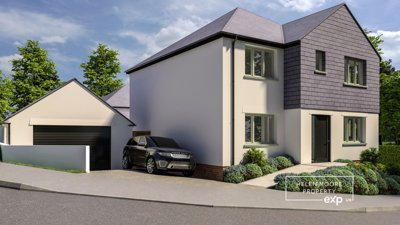
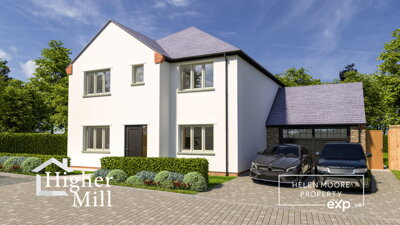
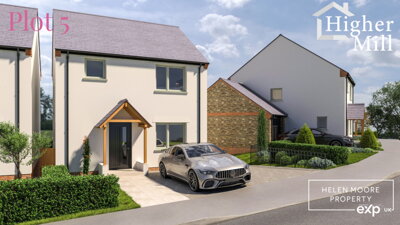
Browse 3 homes new builds in Cornwood, South Hams from local developer agents.
The Cornwood property market offers detached, semi-detached, and terraced houses spanning various price ranges and neighbourhoods. Each listing includes detailed property information, photographs, and direct contact with the marketing agent.
£325k
5
0
136
Source: home.co.uk
Showing 5 results for Houses new builds in Cornwood, South Hams. The median asking price is £325,000.
Source: home.co.uk
Semi-Detached
3 listings
Avg £281,667
Detached
2 listings
Avg £385,000
Source: home.co.uk
Source: home.co.uk
homedata.co.uk records a Cornwood market that is active, but selective, with 170 sales logged across the last 12 months. The average sold price was £230,625, well below the 2022 peak, which points to the area having moved on from the earlier high point in the cycle. Detached homes came in at an average of £307,500, showing that buyers still pay more for the right plot, extra land, or additional rooms. Terraced homes averaged £205,000, which keeps a more accessible entry point for anyone trying to get a foothold in the village.
We have not seen active new-build developments flagged in the PL21 area, so the market here is likely to be driven mainly by existing homes rather than large schemes. That tends to suit Cornwood. Character properties, village houses and older family homes are usually what draw the most interest. Stock in rural villages is rarely as deep as it is in bigger towns, so buyers who are ready to move quickly often have the edge. A mortgage agreement in principle can matter a lot when a home gets the balance of space, setting and price right.

Cornwood has the feel of a proper village community, not a commuter suburb, with a slower pace and a countryside backdrop that shifts with the seasons. Being on the South Hams side of Dartmoor gives buyers rural walks, broader views and a more open setting than most nearby towns can offer. Families, retirees and people leaving busier places often focus on it for that reason. A strong sense of place is part of what keeps the village appealing.
For everyday shopping and services, many residents head to Ivybridge, and Plymouth widens the choice again for rail travel, retail and day-to-day essentials. That arrangement can suit buyers who want quieter roads and less traffic at home, because Cornwood stays apart from the bustle of larger centres. It still works well for getting out onto the moor, using the surrounding lanes, or simply having a bit more breathing space around the house. For plenty of movers, this is as much a lifestyle decision as a property purchase.
Families looking in Cornwood often start with schools. Cornwood Church of England Voluntary Controlled Primary School serves younger children in the village, which is a clear plus for buyers who want an easier school run. For secondary education, Ivybridge Community College is the obvious nearby option, and its sixth form can help families plan ahead without a daily trip into Plymouth. Catchment areas do change, so we would always suggest checking admissions maps before committing to a purchase.
Some buyers also widen the education search to Plymouth, especially for independent, specialist and further education routes. That extra choice can be helpful if children are already in secondary school, or if a family wants a longer-term plan with more options built in. In a rural setting like this, we often find that families value the local primary first and then shape the rest around travel to Ivybridge or the city. Before making an offer, check the latest Ofsted reports and available places with the individual schools and the local authority.

Drivers usually find Cornwood practical. The A38 is the main route, useful for commuting north towards Exeter and south towards Plymouth, and that helps if daily life is split between countryside and city. Ivybridge is the nearest clear rail gateway, with direct services on the Exeter to Plymouth line and onward connections that broaden commuting options quite a bit. For many buyers, that is more valuable than having a busier station further away and harder to reach.
Public transport needs a bit more planning here, because bus links in small villages are usually thinner than they are in town centres. Parking can be easier than in denser urban areas, but older lanes and village roads are not always generous, so we would check access, turning space and visibility during a viewing. For cyclists and walkers, the surrounding lanes and countryside are more of the attraction than dedicated urban infrastructure. If commuting matters, try the real route at the actual time you would travel, not only on a quiet Sunday afternoon.
We would compare Cornwood with nearby Ivybridge, Sparkwell and other South Hams locations, so it is clear what the asking price is really buying in terms of space, setting and transport.
Before viewings start, we would get a mortgage agreement in principle in place, because sellers and agents tend to treat an offer more seriously once the budget has already been checked.
We would look past the décor and check lane access, parking, broadband, garden drainage and any signs that an older rural property may need extra maintenance.
As soon as an offer is accepted, we would ask a conveyancer to go through the title documents, boundaries, rights of way and any covenants.
For many Cornwood homes, a RICS Level 2 survey makes sense, especially with older cottages, character houses and properties that have not been updated for years.
Once the mortgage offer, searches and legal checks are sorted, we would agree the completion date, transfer funds and plan the move with village road access in mind.
Cornwood’s rural setting puts more weight on the practical details of access, services and older-home ownership. Shared driveways, narrow lanes and boundary lines can matter more here than on a suburban street, particularly if the plan is to park multiple cars or bring in tradespeople. If a house sits at the end of a long track to the road, we would want to know who maintains it and whether any easements or rights of way affect daily use. A careful solicitor and a close title review can save trouble later.
Roofs, chimneys, drainage and damp all deserve a proper look in village property, because character homes often age differently from newer builds. In places with older extensions or converted areas, we would ask whether electrics, heating and insulation have been upgraded properly, not simply freshened up with decoration. If the purchase is a flat or part of a converted building, service charges, ground rent and the management arrangement need just as much attention as the asking price. Some homes in small rural settlements also sit in sensitive settings, so listed status, planning history and restrictions on future alterations should always be checked.
Flood checks and drainage checks are worth doing on any home near fields, streams or low-lying ground, even if the place looks peaceful and dry on viewing day. In countryside property, septic tanks, shared treatment systems and private water supplies can all appear, so we would want clear answers before going ahead. Broadband and mobile coverage are part of the decision too, especially for buyers balancing home working with office time. The right Cornwood home can be a strong long-term move, but only when the practical detail matches the lifestyle.
Over the last year, homedata.co.uk records an average sold price of £230,625 across 170 sales. Detached homes averaged £307,500, while terraced properties averaged £205,000, giving the market a clear spread between larger family homes and village houses. Prices were also 73% down on the 2022 peak of £843,232, which shows how sharply the local market has adjusted. We would compare any asking price against sold-price history before booking a viewing.
In Cornwood, properties fall within South Hams District Council, and the council tax band is tied to the individual home rather than the village as a whole. A smaller cottage might sit in a lower band, while a larger detached house may be assessed much higher. The fastest check is usually the listing, the seller’s paperwork or the council tax bill for the property being viewed. If the budget is tight, we would factor council tax in before deciding how much house is affordable.
For village families, the key local primary is Cornwood Church of England Voluntary Controlled Primary School. Ivybridge Community College is the most obvious nearby secondary option, and the sixth form makes it useful for longer-term planning as well. Plymouth adds more independent and further education choices if a wider shortlist is needed. Before committing to a purchase, we would always check the latest admissions rules and Ofsted reports, because catchments can change.
Cornwood suits car travel more than rail-led living, but the commuter links are still workable. Ivybridge station gives access to direct services on the Exeter to Plymouth line, and the A38 is the main road route in both directions. Bus provision in a village setting is usually more limited, so it tends to work better for planned journeys than frequent spontaneous trips. Buyers who depend heavily on trains or buses should test the route before making an offer.
Limited supply, village appeal and a strong rural setting are all part of what can make Cornwood attractive. The market is smaller than a town market, which can help support demand for the right home, especially one with parking, good access and enough space for family life. Even so, rural property can take longer to resell if it is unusual or needs substantial work. We find investors and owner-occupiers usually fare best when they buy something with broad appeal and sensible running costs.
At current rates, standard stamp duty is 0% up to £250,000, then 5% from £250,000 to £925,000. On that basis, a home bought at Cornwood’s average sold price of £230,625 would usually attract no SDLT for a main residence. A purchase at £307,500, close to the detached average, would mean a bill of £2,875 on the portion above £250,000. First-time buyers get relief up to £425,000, so many Cornwood purchases fall within that threshold.
The local stock leans more towards village houses, detached homes and older terraced properties than large modern estates. homedata.co.uk shows detached homes averaging £307,500 and terraced homes averaging £205,000, which fits the mix buyers are likely to see. We have not identified active new-build developments in the PL21 area, so existing homes appear to account for most of the current choice. For buyers weighing value, a detached home may offer more space, while terraces can provide a lower entry price into the village.
Stamp duty is a major part of the budget, and the bands are fairly straightforward once the thresholds are clear. For main homes, the standard rates are 0% up to £250,000, 5% from £250,000 to £925,000, 10% from £925,000 to £1.5 million, and 12% above £1.5 million. First-time buyers get relief up to £425,000, with 5% between £425,000 and £625,000, and no relief above £625,000. With Cornwood’s average sold price at £230,625, many buyers purchasing around that level would pay no stamp duty on a standard purchase.
SDLT is only one part of the picture, especially in a rural village market where survey costs, legal fees and moving costs all need to be budgeted together. At the detached average of £307,500, the stamp duty bill would be £2,875 on the slice above £250,000, and that is a useful figure to keep in mind while setting an offer. First-time buyers may find Cornwood particularly accessible if they are aiming at homes near or below the average sold price, because the relief threshold covers a fair amount of local stock. Before a final offer goes in, we would build the full cost picture so it is possible to move quickly when the right home appears.
Properties New Builds In London

Properties New Builds In Plymouth

Properties New Builds In Liverpool

Properties New Builds In Glasgow

Properties New Builds In Sheffield

Properties New Builds In Edinburgh

Properties New Builds In Coventry

Properties New Builds In Bradford

Properties New Builds In Manchester

Properties New Builds In Birmingham

Properties New Builds In Bristol

Properties New Builds In Oxford

Properties New Builds In Leicester

Properties New Builds In Newcastle

Properties New Builds In Leeds

Properties New Builds In Southampton

Properties New Builds In Cardiff

Properties New Builds In Nottingham

Properties New Builds In Norwich

Properties New Builds In Brighton

Properties New Builds In Derby

Properties New Builds In Portsmouth

Properties New Builds In Northampton

Properties New Builds In Milton Keynes

Properties New Builds In Bournemouth

Properties New Builds In Bolton

Properties New Builds In Swansea

Properties New Builds In Swindon

Properties New Builds In Peterborough

Properties New Builds In Wolverhampton

Enter your details to see if this property is within your budget.
Loans, cards, car finance
Estimated property budget
Borrowing + deposit
You could borrow between
Typical borrowing
Monthly repayment
Est. at 4.5%
Loan-to-value
This is an estimate only. Your actual budget may vary depending on interest rates, credit history, and personal circumstances. For an accurate affordability assessment, speak to one of our free mortgage advisors.
This calculator provides estimates for illustrative purposes only and does not constitute financial advice. Your home may be repossessed if you do not keep up repayments on your mortgage. Estimates based on 4.5% interest rate, repayment mortgage. Actual rates depend on your circumstances.
Homemove is a trading name of HM Haus Group Ltd (Company No. 13873779, registered in England & Wales). Homemove Mortgages Ltd (Company No. 15947693) is an Appointed Representative of TMG Direct Limited, trading as TMG Mortgage Network, which is authorised and regulated by the Financial Conduct Authority (FRN 786245). Homemove Mortgages Ltd is entered on the FCA Register as an Appointed Representative (FRN 1022429). You can check registrations at NewRegister or by calling 0800 111 6768.

We use cookies to show you personalised content and improve your experience of our website. Find out more in our Privacy policy and Cookie policy.