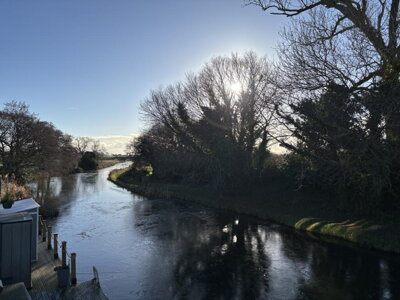
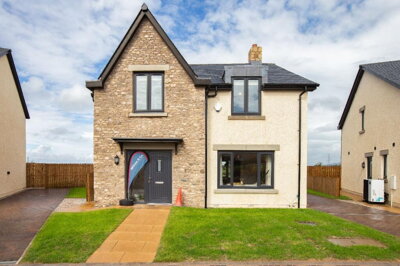
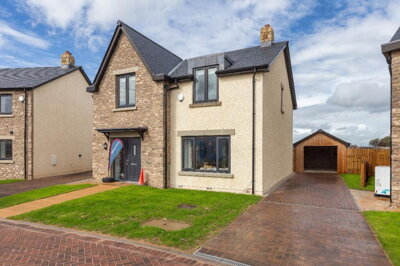
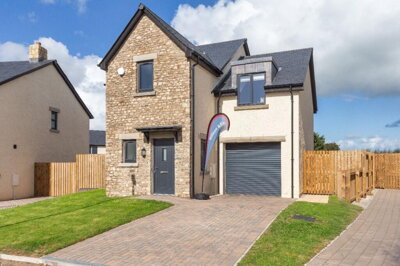
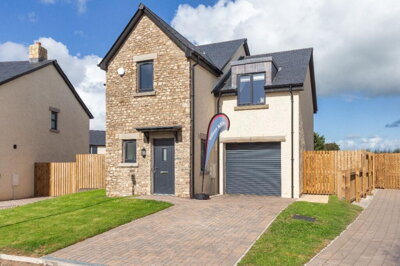
Browse 5 homes new builds in Cockerham, Lancaster from local developer agents.
£408k
20
1
171
Source: home.co.uk
Source: home.co.uk
Detached
8 listings
Avg £479,875
Caravan
4 listings
Avg £36,245
Barn Conversion
1 listings
Avg £665,000
Country House
1 listings
Avg £560,000
Detached Bungalow
1 listings
Avg £450,000
End of Terrace
1 listings
Avg £240,000
Semi-Detached
1 listings
Avg £500,000
caravan
1 listings
Avg £54,950
lodge
1 listings
Avg £149,995
semi_detached
1 listings
Avg £250,000
Source: home.co.uk
Source: home.co.uk
Cockerham’s property market has kept its footing over the past twelve months, with house prices up 1.5% across all property types. That steady rise speaks to the pull of rural village life, while still staying within easy reach of major employment centres. The overall average property price is £342,143, which puts Cockerham in a competitive spot within the Lancaster housing market and offers clear value against similar villages closer to Manchester or Leeds. Our listings are drawn from trusted local estate agents, so we keep the area’s most current property selection in view.
Cockerham’s housing mix reflects a varied architectural story, with 45.1% detached homes, 28.3% semi-detached properties, 15.2% terraced houses, and 11.4% flats and apartments. Detached homes hold the highest average prices at £493,222, with plenty of space and gardens that suit growing families. Semi-detached homes average £383,333, striking a useful balance between accommodation and affordability, while terraced houses at around £240,000 give first-time buyers and investors a more accessible entry point into this village market.
Sales activity remains modest, with approximately 10 property transactions completed in Cockerham over the past twelve months. That is in keeping with a smaller rural village where supply is naturally limited. Desirable homes, especially period cottages and family houses with decent gardens, can attract quick interest. We always advise buyers to move fast when the right place appears, and to have mortgage finance lined up before offers begin. Lancaster’s proximity helps keep demand steady from people looking for the rural lifestyle Cockerham offers.

Community spirit, open countryside and a slower pace of life shape daily living in Cockerham, and that is part of the village’s appeal. It sits in the Lancaster district of Lancashire, bordered by the Lune Valley’s pastoral scenery and within reach of the striking Morecambe Bay coastline. With around 1,200 residents, Cockerham keeps the close-knit feel of a traditional English village, while nearby towns supply the modern conveniences. Agriculture and related services have long supported the local economy, with tourism now playing a larger role thanks to the area’s natural beauty and heritage attractions.
Cockerham’s age profile gives the village plenty of character. 25% of homes were built before 1919, a further 15% came from 1919 to 1945, and 35% date from the post-war years through to 1980. That mix of period and mid-century homes creates a varied streetscape, with distinctive brickwork, traditional stone details and plenty of charm. The remaining 25% of properties are post-1980 builds, which appeal to buyers who want more modern construction methods and insulation standards. Village facilities include a hall, a local pub and a church, while Lancaster, just a short drive away, provides fuller shopping, healthcare and leisure options.
There is plenty of scope for outdoor life around Cockerham, with footpaths and bridleways running through the fields and lanes of the Lune Valley. Cyclists are drawn to the scenic rural routes, and birdwatchers head to the nearby Morecambe Bay wetlands to spot wading birds and migrating species. The village’s position near the River Lune also opens up fishing and riverside walks, which makes Cockerham especially appealing to nature lovers and anyone after an active countryside lifestyle. Community events and gatherings at the village hall help keep the social fabric strong.

Families moving to Cockerham will find a range of educational choices in the village and nearby area. Primary education is served by schools in surrounding villages, with several well-regarded primaries within a comfortable commute by car or school transport. Because Cockerham sits within the Lancaster local authority area, residents also benefit from the wider educational infrastructure in Lancaster city, including primary and secondary schools with strong academic records and Ofsted ratings. We recommend checking catchment areas and admission rules before deciding, as these can change and affect school place eligibility.
In the surrounding area, secondary education includes several high-performing schools that are reachable from Cockerham, and many students go on to sixth form colleges or further education institutions in Lancaster city. Families looking for academic selection have the Lancaster grammar school system as an option for able students. There are also private and independent schools within reasonable driving distance, which widens the choice for parents seeking something different. Travel times from Cockerham to secondary schools in Lancaster usually range from 15 to 25 minutes by car, so the school run is manageable for most households.
We always suggest checking catchment boundaries and admissions policies closely, because they can shift and they often shape which homes suit a family best. Primary schools in nearby villages serve the Cockerham community, with popular choices including schools in Glasson, Garstang and other Lune Valley villages within the Lancaster district. Many parents make their own transport arrangements, especially for after-school clubs and sports. Lancaster Grammar School and Lancaster Girls' Grammar School sit within the selective admissions route for academically able pupils, while the broader comprehensive network offers solid education for children of all abilities and interests.

Cockerham sits in a practical spot within the Lancaster district, giving residents a decent spread of transport options for commuting and leisure. The village is roughly 8 miles from Lancaster city centre, where major employers, healthcare facilities and retail amenities are concentrated. The A588 is the main route into Lancaster, and the M6 can be reached in about 15 minutes by car, linking the area with Preston, Manchester and the wider national motorway network. For flights, Manchester Airport is about 60 miles away and offers international connections across the world.
Bus services link Cockerham with Lancaster and neighbouring villages, although they run less often than urban routes. Lancaster railway station is the nearest station, with mainline trains to Manchester, Liverpool, Leeds and London Euston, and the trip to Manchester takes around 90 minutes. For many people working in Preston or Lancaster, driving is still the most practical daily option, not least because the distances are short enough to make commuting realistic. The A588 also passes through nearby villages such as Glasson and Aldcliffe, tying residents into the wider Lancaster area.
Cycling is becoming more practical in the area, and the scenic country lanes are popular with both recreational riders and commuters who are happy with longer journeys. The flat ground of the Lune Valley makes it easier to cycle than in hillier parts of Lancashire, although rural road safety still needs to be considered. For those working in Lancaster city, cycling works well for many residents, and the railway station has dedicated cycle parking. The village also gives straightforward access to the Morecambe Bay coastline, so seaside day trips are easy for households without a car.

We suggest starting with our current listings so you can see what fits your budget. With an average price of £342,143 and properties ranging from 2-bedroom homes around £129,156 to detached homes reaching £493,222, setting a clear price band helps narrow the search. A RICS Level 2 Survey is a sensible next step, especially because 75% of Cockerham homes are over 50 years old.
Once a few homes stand out, arrange viewings and judge each one in person. It helps to look closely at condition, especially as 25% of homes pre-date 1919 and still use traditional methods such as solid walls, lime mortar and original timber elements. Keep an eye out for damp, roof wear and the maintenance approach taken by the current owners. Properties near the River Lune or in low-lying parts of the village deserve extra attention on flood risk and ground conditions.
Before offering, we recommend securing a mortgage agreement in principle from a lender. It shows sellers that the finance is ready and gives a stronger hand in negotiations, which can matter in a competitive local market. With average prices in Cockerham at £342,143, most buyers will need mortgage finance anyway, and having the paperwork prepared makes a serious offer look exactly that.
Cockerham’s geology includes boulder clay, which brings shrink-swell risks, and older homes are common, so a full RICS Level 2 Survey is important before anything moves on. With 75% of properties over 50 years old, typical issues can include damp, timber defects, outdated electrics and possible foundation movement linked to clay soils. Our team can put buyers in touch with qualified surveyors who know Cockerham’s housing stock well.
We advise appointing a solicitor who knows rural property transactions, as they will handle the legal side of the purchase, including local searches, title checks and liaison with the Land Registry. They will also carry out drainage and water searches, environmental checks and local authority searches specific to Cockerham, along with any planning restrictions that affect listed buildings or heritage homes.
After surveys, searches and legal work are all complete, contracts are exchanged and a completion date is set. On completion, the keys to the new Cockerham home are handed over. At that point, buildings insurance should already be in place, and utility connections, internet and council tax registration with Lancaster City Council need to be organised.
Buying in Cockerham calls for a few area-specific checks that differ from a typical urban purchase. The village’s proximity to the River Lune estuary and the low-lying coastal ground means flood risk matters for every buyer. Homes near watercourses or in lower positions may face higher flood exposure, which can influence insurance costs and future resale value. We recommend asking for flood risk reports and looking closely at the flood history of any home under consideration, especially where gardens run towards water features or where the plot sits on flat ground near the river. Surface water flooding in heavy rain can also affect parts of the estuary area, so Environment Agency data should be reviewed for the exact location.
Boulder clay across the Cockerham area creates possible shrink-swell issues, and those can affect foundations, especially in older buildings on shallow or unengineered clay ground. Homes with mature trees close by may be more vulnerable to ground movement in dry periods, when roots draw moisture from the clay. A detailed RICS Level 2 Survey will check foundation condition and spot signs of subsidence or heave that may need attention. Because 25% of Cockerham’s housing stock dates from before 1919, buyers should also expect traditional construction features such as solid walls, lime mortar pointing and original timber elements that need sympathetic upkeep and, at times, specialist repair.
Older homes in Cockerham often show a familiar set of defects, so we always inspect carefully during viewings and surveys. Rising damp can affect properties without a damp-proof course, or where one has failed, particularly in homes with solid ground floors or original construction. Penetrating damp is common where traditional lime mortar has been replaced with cement mortar, trapping moisture in the walls. Roofs may show wear to slate or tile coverings, defective lead flashing and deteriorated timber elements such as rafters, purlins and battens. Our inspectors often find timber problems too, including wet rot, dry rot and woodworm in homes where damp has been present or ventilation is poor.
Cockerham’s heritage is protected by several listed buildings, including St Michael’s Church, Cockerham Hall and a number of historic farmhouses scattered through the village. Anyone considering a listed property should be aware that permitted development rights may be restricted, and any alteration or extension will need Listed Building Consent from the local planning authority. These homes can carry higher maintenance costs because they need traditional materials and methods, but they also bring character and history that many owners value. Older electrical and plumbing systems may need updating to current standards, so buyers should budget for rewiring or a new heating system where needed.

It helps to understand the main construction types found in Cockerham, because they shape both maintenance and day-to-day comfort. Homes built before 1919 usually use solid wall construction with locally sourced brick or stone, and lime mortar pointing that lets the walls breathe and manage moisture naturally. These traditional buildings often have timber floor joists on the upper and lower floors, while ground floors may be solid earth or flagstones rather than suspended timber.
Between 1919 and 1980, mid-century homes brought cavity wall construction into Cockerham, with two leaves of brick or block separated by an air gap for better insulation and moisture resistance. These houses often have pitched roofs with tile or slate coverings, timber roof structures with felt underlayers, and uPVC or timber windows depending on the era. Some properties from this period still have original single-glazed windows and solid fuel or early gas heating systems that need updating to current standards.
Post-1980 homes in Cockerham reflect more modern building standards, with full cavity wall insulation, pitched roofs with felt underlay and uPVC double-glazed windows throughout. They tend to perform better thermally and usually need less upkeep than older homes, although buyers should still arrange a proper survey to pick up any construction faults or finish issues that have developed over time. Across Cockerham, the common building materials reflect Lancashire’s brick-making tradition, with red brick dominant in older and newer homes alike, alongside render finishes and the occasional stone detail on heritage properties.

The current average house price in Cockerham is £342,143, based on transactions over the past twelve months. Detached homes average £493,222, semi-detached houses sit around £383,333, terraced homes are at approximately £240,000, and 2-bedroom homes start from £129,156. The market has posted modest growth, with a 12-month price rise of 1.5%, which points to steady conditions for buyers and sellers in this rural Lancashire village. Around 10 sales have completed recently, so activity is healthy even though the housing stock is small.
For council tax purposes, Cockerham falls under Lancaster City Council. The band will vary by property value and type, from Band A for lower-value homes through to Band H for the most valuable properties. The exact council tax band for a specific home can be checked through the Valuation Office Agency website or in the property listing details. Lancaster City Council sets the annual council tax rates, usually reviewed each April, and these apply to all homes within the Cockerham parish boundary.
Primary education is available in Cockerham and the surrounding area, with several well-regarded schools accessible in nearby villages such as Glasson and across the wider Lune Valley. Secondary provision comes from schools in the Lancaster area, many of which have strong academic reputations and positive Ofsted ratings. Grammar schools in the Lancaster district, including Lancaster Grammar School and Lancaster Girls' Grammar School, offer selective places for pupils who pass the entrance exam. We recommend checking school performance data, catchment areas and admission policies carefully, because allocations depend on proximity and specific criteria that can shape which homes best suit family needs.
Local bus routes serve Cockerham and link the village with Lancaster and neighbouring villages, although the timetable is limited compared with urban areas. Lancaster railway station, about 8 miles away, offers mainline services to Manchester, Liverpool, Leeds and London, with Manchester taking around 90 minutes and London Euston about 2.5 hours. The M6 can be reached in around 15 minutes by car via the A588, giving strong road links across the north-west and beyond. Residents without cars should think carefully about daily transport needs and make alternative arrangements for less regular schedules.
Cockerham offers a few clear points for property investors. Its rural feel, scenic position in the Lune Valley and links to Lancaster and the coastline make it attractive to families who want countryside living with city access. House prices have risen by 1.5% over the past year, which points to a stable market. Even so, the rural location and limited local employment mean rental demand may be softer than in larger towns. Properties with good transport links, or those that suit commuters, are likely to perform best as rental investments. Buyers should also think about the older housing stock, since period homes with traditional features can bring higher maintenance costs.
Stamp Duty Land Tax rates in England begin at 0% on the first £250,000 of residential purchases, then rise to 5% on the slice between £250,001 and £925,000, 10% up to £1.5 million and 12% above £1.5 million. First-time buyers get relief on the first £425,000, pay 5% between £425,001 and £625,000, and receive no relief above £625,000. On a typical Cockerham purchase at the average price of £342,143, a standard buyer would pay £4,607 in stamp duty, while first-time buyers would pay £0 under the current thresholds. Buyers should also budget for solicitor fees, survey costs and mortgage arrangement fees.
Flood risk deserves close attention in Cockerham because of the village’s position near the River Lune estuary and the low-lying coastal ground. River flooding can affect homes beside watercourses or in valley settings, while surface water flooding in heavy rain may hit the lower parts of the estuary area. The Environment Agency holds flood risk data that the solicitor will check as part of local searches, and we recommend a specific flood risk report for any home near water or in a low-lying spot. Homes on higher ground within the village, especially those set back from the river valley, usually face less flood risk and may attract a premium locally.
As 75% of Cockerham properties are over 50 years old, several common defects deserve proper attention during surveys and viewings. Rising damp can affect homes with original or failed damp-proof courses, often showing as tide marks on walls and damaged skirting boards. Penetrating damp appears where external brickwork or stonework has been pointed with cement mortar instead of traditional lime mortar. Timber issues such as wet rot, dry rot and woodworm often follow damp problems where ventilation is poor. Roof inspections frequently reveal worn slate or tile coverings, damaged lead flashing and timber roof structures in poor condition. Older electrical systems may not meet current regulations and should be checked by a qualified electrician before purchase.
We think it helps to understand the full cost of buying in Cockerham before setting a budget, so there are no surprises later on. Beyond the purchase price, buyers need to account for Stamp Duty Land Tax, which applies to all English property purchases above £250,000 at standard rates. On a typical Cockerham home priced at the current average of £342,143, a buyer without first-time buyer relief would pay £4,607 in stamp duty. First-time buyers purchasing homes up to £425,000 pay no stamp duty at all, which is a significant saving for those entering the market. On higher-value detached homes averaging £493,222, standard buyers would pay £12,161 in stamp duty.
There are also solicitor fees to think about, and conveyancing usually costs between £500 and £1,500 depending on the complexity of the deal and whether the property is freehold or leasehold. The solicitor will carry out local authority searches, including drainage and water checks, environmental searches and planning record checks relevant to the Cockerham area. Local search fees usually sit between £200 and £400 and will show planning constraints, flood risk matters and other issues affecting the property. Listed buildings may need extra specialist searches covering heritage designations and any restrictions on permitted development.
Survey costs matter too, especially in Cockerham where older homes are common. RICS Level 2 Surveys are usually recommended for the village’s older properties, and they typically range from £400 to £900 depending on size and value. Because 75% of homes are over 50 years old and 25% date from before 1919, a thorough survey can pick up damp, timber defects, roof condition and possible structural movement linked to local clay soils. Mortgage arrangement fees, valuation fees and broker costs may also apply if finance is involved, so they need to be included in the overall budget when working out the true cost of buying a Cockerham home. Buildings insurance should be arranged from contract exchange, and removal costs should also be built into the move.
Properties New Builds In London

Properties New Builds In Plymouth

Properties New Builds In Liverpool

Properties New Builds In Glasgow

Properties New Builds In Sheffield

Properties New Builds In Edinburgh

Properties New Builds In Coventry

Properties New Builds In Bradford

Properties New Builds In Manchester

Properties New Builds In Birmingham

Properties New Builds In Bristol

Properties New Builds In Oxford

Properties New Builds In Leicester

Properties New Builds In Newcastle

Properties New Builds In Leeds

Properties New Builds In Southampton

Properties New Builds In Cardiff

Properties New Builds In Nottingham

Properties New Builds In Norwich

Properties New Builds In Brighton

Properties New Builds In Derby

Properties New Builds In Portsmouth

Properties New Builds In Northampton

Properties New Builds In Milton Keynes

Properties New Builds In Bournemouth

Properties New Builds In Bolton

Properties New Builds In Swansea

Properties New Builds In Swindon

Properties New Builds In Peterborough

Properties New Builds In Wolverhampton

Enter your details to see if this property is within your budget.
Loans, cards, car finance
Estimated property budget
Borrowing + deposit
You could borrow between
Typical borrowing
Monthly repayment
Est. at 4.5%
Loan-to-value
This is an estimate only. Your actual budget may vary depending on interest rates, credit history, and personal circumstances. For an accurate affordability assessment, speak to one of our free mortgage advisors.
This calculator provides estimates for illustrative purposes only and does not constitute financial advice. Your home may be repossessed if you do not keep up repayments on your mortgage. Estimates based on 4.5% interest rate, repayment mortgage. Actual rates depend on your circumstances.
Homemove is a trading name of HM Haus Group Ltd (Company No. 13873779, registered in England & Wales). Homemove Mortgages Ltd (Company No. 15947693) is an Appointed Representative of TMG Direct Limited, trading as TMG Mortgage Network, which is authorised and regulated by the Financial Conduct Authority (FRN 786245). Homemove Mortgages Ltd is entered on the FCA Register as an Appointed Representative (FRN 1022429). You can check registrations at NewRegister or by calling 0800 111 6768.

We use cookies to show you personalised content and improve your experience of our website. Find out more in our Privacy policy and Cookie policy.