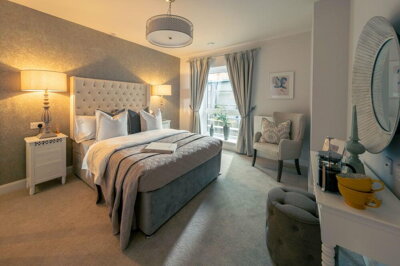
Browse 1 home new builds in Clothall, North Hertfordshire from local developer agents.
The 2 bed flat sector typically includes two separate bedrooms, dedicated living areas, and bathroom facilities. Properties in Clothall span purpose-built blocks, converted period houses, and modern apartment complexes on various floors.
£0k
0
0
0
Source: home.co.uk
Showing 0 results for 2 Bedroom Flats new builds in Clothall, North Hertfordshire.
Clothall's property market gives us a clear read on a rural Hertfordshire village that still holds its appeal. The average property price sits at £682,500 as of February 2026, with a 12-month change of plus 1.92%. That sort of measured movement points to a market that has stayed steady even while other parts of the country have shifted around it. For buyers, it means values are less likely to lurch into the sharp corrections seen elsewhere, which is why Clothall can look like a sensible long-term purchase.
Prices in Clothall vary quite a bit by property type, which tells us a lot about the village's housing mix. Detached homes lead the pack at an average of £890,000, and they tend to suit families wanting space and privacy. Semi-detached properties come in at £535,000, offering solid value for those who want period character without paying detached-house money. Terraced homes average £450,000, and they can be a more reachable way into this sought-after village. Only 10 property sales were recorded in the past 12 months, so the market is slow-moving, and once a home appears, it does not usually stay available for long.
New build activity in the Clothall postcode area is still limited, based on public searches. The village's Conservation Area status and historic feel mean development is tightly managed, and that helps preserve the look and feel of the place. In practice, the shortage of new homes tends to lift the appeal of the existing stock, much of which dates from the pre-1919 era or the interwar years. Buyers who want modern comforts may need to focus on homes that have been carefully updated, while keeping their original character, or turn to the larger nearby towns for fresh-build options.
Clothall's older housing stock brings a few practical points that buyers should keep in mind. East Hertfordshire's traditional buildings often use red or yellow stock brick, render, and timber framing, all of which shape the village streetscape. Homes built before 1919 usually have solid walls, lime mortar, timber floors, and original features that call for a different approach to maintenance than modern cavity wall construction. Once we understand those methods, it becomes easier to appreciate both the charm and the everyday realities of owning a period home here.

Life in Clothall appeals to buyers who want a quieter setting and a break from urban pressure. The village sits in North Hertfordshire, with countryside surroundings but access to full amenities in nearby towns. The 2011 Census recorded a population of 188 for Clothall Parish, which underlines just how small the community is. That scale creates a close local feel, where people know one another and village life has real pace. At the centre is the historic Church of St Mary, a Grade I listed building from medieval times, and it remains a strong reference point for both heritage and everyday village identity.
Clothall's character reflects centuries of settlement and careful looking after. Its Conservation Area designation means new work has to respect traditional forms, materials, and street patterns. Across the village, East Hertfordshire architecture appears in brick, render, and timber framing, usually in red or yellow stock variations. Outside the village, the countryside opens into rolling farmland with footpaths and bridleways that work well for walking and cycling. There are also several working farms nearby, so residents have direct access to local produce and to countryside routes through bridleways and public footpaths.
People living in Clothall get a quiet lifestyle without being cut off from day-to-day essentials. Baldock, just down the road, provides supermarkets, independent shops, restaurants, and healthcare facilities. For bigger shopping trips or a wider choice of leisure options, Stevenage and Cambridge are both within easy reach. The village itself is small, but it still manages a strong sense of community, with events and gatherings through the year that bring residents together and keep local traditions alive.
The ground beneath Clothall and the wider North Hertfordshire area is mostly chalk, with clay deposits on top, including Boulder Clay and Glacial Till, plus some sand and gravel. That mix creates a moderate to high shrink-swell risk for homes with shallow foundations, since clay expands and contracts as moisture levels change. The village sits at a sensible elevation, so river flooding risk is low, but surface water can still gather in local low spots during heavy rain. We would always check a property's position against natural drainage and look closely at gutters and drainage systems.

School provision for Clothall families depends mainly on nearby towns, because the village itself has no primary or secondary schools. North Hertfordshire District offers a good spread of schools for local children, with several rated Good or Outstanding by Ofsted. Anyone choosing Clothall as a family base needs to think about school journeys as part of the routine, but the distances are short enough that children can still enjoy village life while attending strong schools nearby.
For primary schooling, Baldock is usually the first place families look, and Baldock Primary School serves the local community with a Good Ofsted rating. Other nearby primary schools in Royston and the surrounding villages give families more choice, depending on where they live and what catchment applies. Many primary schools in North Hertfordshire now include early years provision, so children can move through nursery age and on to the end of Key Stage 2 in one place. In practice, the school run often takes between 5 and 15 minutes by car, depending on the school and where in Clothall the family lives.
There are several secondary options in the area, and Clothall sits within reach of some well-regarded schools. Catchment areas and admissions rules matter a great deal, so we would always advise checking the detail before making plans, because they can have a big effect on placement. For older pupils, sixth form provision is available both through secondary schools with sixth forms and through dedicated sixth form colleges in larger nearby towns. Cambridge is close enough to open up specialist and independent education too, with a number of respected independent schools within reasonable travelling distance. Current performance data and admissions policies should be checked directly with each school, as both can shift from year to year depending on demand and capacity.

Transport links from Clothall give residents workable options for commuting and for reaching rail services. Baldock station is the nearest railway stop, with regular trains to Cambridge and London King's Cross. Cambridge journeys usually take around 30 minutes, which makes the village appealing to people working in technology and research. London King's Cross is about 45 minutes away, so Clothall can also work for capital commuters who prefer a rural base. Baldock station has good parking too, which helps those who like to drive to the station before boarding the train.
Road access around Clothall is helped by its closeness to major regional routes. The A10 runs through nearby Baldock, giving direct links north to Cambridge and south towards Hertford and the wider London area. The A1(M) is also within easy reach, opening routes to Stevenage, Peterborough, and the north of England. For drivers, that means Clothall is surprisingly well connected for a rural village, and London can be reached in approximately one hour depending on traffic. Its position between Cambridge and London, along with straightforward access to the M1 and M11 motorways, makes the village especially attractive to commuters who work in either direction.
Public transport inside Clothall itself is fairly limited, which reflects the village's small size and rural setting. Bus services do run to nearby towns, but they may not cover every day-to-day need. As a result, most residents find car ownership close to essential, especially families and anyone with work travel to do. Even so, the rural lanes are good for cycling on shorter journeys, and the station links mean people can mix cycling with train travel for longer commutes. A trip by bike to Baldock station, followed by rail travel, often gives a practical and greener way to get to work without the strain of driving into major employment centres.

Before committing to a purchase in Clothall, we would strongly suggest looking at comparable sales, current listings, and the detail of how this village market works. It is also important to understand what Conservation Area designation and listed building status mean for the home you have in mind, because both can restrict alterations and renovation. Speak with the local planning authority too, and check for any Article 4 directions that may further reduce permitted development rights in parts of the village.
Getting a mortgage agreement in principle sorted before viewings puts you in a stronger position when offers start going in. It also shows sellers that you are serious. In a low-inventory market like Clothall, having your finance documented can give your bid an edge over others. We would suggest speaking to a mortgage broker who can talk through the best products for your circumstances and explain any extra considerations for older homes, including those with non-standard construction or historic designations.
See more than one property if you want a proper feel for Clothall living. Older homes need a careful eye, so look for damp, roof issues, or foundation concerns that are common in period properties. The way a house has been maintained matters a great deal, because neglected upkeep can lead to expensive repairs that a quick viewing will not reveal. It also helps to return at different times of day and in different weather, so you can judge natural light, heating performance, and drainage for yourself.
Because so many Clothall homes are old, we always recommend a RICS Level 2 survey before going ahead. It can pick up defects that are easy to miss during viewings, which matters even more for pre-1919 properties and homes in the Conservation Area. A RICS Level 2 survey gives a detailed condition assessment and highlights issues that might not be obvious in normal viewings. That is especially useful where the construction is traditional and timber defects, damp, or signs of movement may already be present.
Choose a solicitor who knows rural property transactions well. They will deal with local authority searches, Conservation Area checks, and the legal complications that come with buying an older home. Your solicitor should also look into easements, rights of way, and any environmental issues that could affect the property, then advise on the extra compliance points that apply to listed buildings or homes within conservation boundaries. With Clothall properties, it can also be wise to look at drainage, flooding, and ground conditions in more detail.
Once all the checks come back satisfactorily, contracts can be exchanged with the agreed deposit in place, and a completion date set. Your solicitor will then handle the final registration with the Land Registry and move the funds across. Before completion, we would usually suggest a final walkthrough, so you can confirm the property is still in the same condition as when you agreed to buy it and that any included items are still there.
Buying in Clothall means keeping a few local factors in mind that set this village apart from a more urban market. Because it sits in a Conservation Area, external changes, extensions, or major alterations may need planning permission from North Hertfordshire District Council. Before you buy, check the conservation area guidance carefully, as it will affect how you can alter or improve the property later on. That can feel restrictive, but it also helps protect the village character and keeps unsuitable development at bay.
The geology beneath Clothall and the wider North Hertfordshire area creates a few clear points for buyers. Chalk and clay together mean a moderate to high shrink-swell risk, especially where homes sit on shallow foundations. In dry weather, clay can contract and contribute to subsidence, while wet conditions can cause expansion and heave. During viewings, we would ask about foundation depth and nearby trees, since both can make ground movement worse. A thorough RICS Level 2 survey will look at these risks and pick up signs of movement or cracking, including whether cracks have been monitored over a period of weeks and are still active.
Most of Clothall's homes are older, so charm comes with a few practical realities. Many predate modern building regulations and may not have the features buyers now take for granted. Solid walls, which are common in period homes, cannot simply be cavity insulated, so heating costs can be higher and condensation can behave differently. Original timber windows look right in these houses, but they may need maintenance or replacement to meet current energy efficiency expectations. Plumbing and electrical systems also deserve close attention, because partial upgrades are common and can hide the need for a full rewire or pipe replacement. A detailed RICS Level 2 survey will look through these systems properly, checking whether the wiring meets modern safety standards and whether the consumer unit is up to date.
Timber defects deserve special attention in Clothall's older homes. Traditional construction relied heavily on structural timbers for floors, roofs, and frame elements, and those can suffer from woodworm, wet rot, and dry rot if moisture or poor ventilation gets in. Woodworm, usually from the common furniture beetle, can weaken timber if it is left untreated for too long. Wet rot develops when timber stays damp, while dry rot can move through a property and reach timbers that were dry at the start. A RICS Level 2 survey will assess accessible timbers and look for signs of beetle activity or fungal decay that could affect the structure. If a property has had timber treatment before, or shows visible woodworm exit holes, it deserves a closer look before you buy.
Surface water flooding is another point Clothall buyers should keep in view. The village's elevation generally helps protect against river and coastal flooding, but heavy rain can still overwhelm drainage and cause flooding in lower-lying spots. Check where the property sits in relation to natural drainage routes and any dips where water may collect in a storm. During the survey, we would also verify the condition and capacity of gutters, downpipes, and any surface water drains, because they are key in a village with limited modern drainage infrastructure. Ask the seller whether flooding has happened before, and review any drainage records the local authority holds.

The average property price in Clothall is £682,500 as of February 2026, and that marks a 12-month increase of 1.92%. Detached properties average £890,000, semi-detached homes £535,000, and terraced homes £450,000. With only around 10 property sales recorded in the past year, the market is slow and supply is tight. That steady price pattern reflects lasting demand for rural homes with character and decent links to London and Cambridge.
Clothall properties fall within North Hertfordshire District Council. Most homes in the village are likely to sit in council tax bands C to E, depending on value and character. The exact band for any one property can be checked through the Valuation Office Agency or by your solicitor during conveyancing. Older homes, listed buildings, and character properties may also have their own banding considerations because of historic status and any exemptions that apply. Council tax banding affects the ongoing cost of ownership, so it should be part of the overall budget when you are thinking about buying in Clothall.
Primary education is available at schools such as Baldock Primary School, which has a Good Ofsted rating. Secondary schools in the area include options with sixth form provision, and families should check current Ofsted ratings and admissions criteria for the catchment they live in. Several primary schools in nearby villages and towns also hold Good ratings, so there is more than one route depending on location and preference. Parents should confirm the latest school performance data and admissions policies directly with each school, since both can change over time and catchment areas may shift with demand and capacity.
Clothall has the advantage of being close to Baldock railway station, which runs services to Cambridge in around 30 minutes and to London King's Cross in approximately 45 minutes. For drivers, the A10 and A1(M) are both easy to reach. Bus services inside Clothall itself are limited, so car ownership is effectively essential for most residents. Even so, the rail links go a long way towards balancing out the local transport constraints, especially for commuters heading to London, Cambridge, or nearby employment centres. Baldock station also has parking, which makes it practical for those who want to drive and then continue by rail.
Clothall will suit buyers who want a prestigious rural village address with good transport links, and it can be a strong option for long-term owners or anyone looking for a quality family home. That said, the small market, with only about 10 annual sales, means liquidity is limited and quick resale is not always realistic. Prices sit above the regional average, helped by the village's desirability and its Conservation Area status. Before you invest, it is worth asking whether your plans fit a market that is steady but slow-moving, and whether you are comfortable waiting for gradual appreciation rather than short-term gains.
Stamp Duty Land Tax applies to purchases above £250,000 at 5% on the portion between £250,001 and £925,000. For a typical Clothall property at £682,500, that produces SDLT of approximately £21,625. First-time buyers may qualify for relief, paying 0% on the first £425,000 and 5% on the next £200,000, which would bring the SDLT down to approximately £10,000 if all the criteria are met. Your solicitor will work out the exact amount based on your circumstances and on any additional properties you own or have owned before, including buy-to-let homes or those outside England and Northern Ireland.
Buying in Clothall brings costs beyond the purchase price, and buyers should budget for them carefully. Stamp Duty Land Tax is usually the largest extra cost, and in 2024-25 it is worked out on a tiered basis. Standard rates are 0% on the first £250,000 of the purchase price, 5% between £250,001 and £925,000, 10% between £925,001 and £1.5 million, and 12% above £1.5 million. For a typical Clothall property at £682,500, the SDLT bill would be approximately £21,625, based on 5% on £432,500. Planning for these figures before you make an offer gives you a clearer picture of the total commitment and a better footing to move ahead.
First-time buyers may benefit from the higher thresholds under the First-Time Buyer Relief scheme, which lifts the nil-rate threshold to £425,000 and charges 5% on the portion between £425,001 and £625,000. For qualifying first-time buyers buying at the average Clothall price of £682,500, SDLT would be approximately £10,000 after relief. Homes priced above £625,000 do not qualify for first-time buyer relief on any part of the purchase price. Your solicitor will calculate the exact SDLT based on your circumstances and on any other homes you currently own or have previously bought. An additional SDLT charge of 3% applies where buyers already own other residential properties, even if those are outside England and Northern Ireland.
On top of SDLT, buyers should also budget for mortgage arrangement fees, usually from zero to 0.5% of the loan amount, valuation fees between £150 and £500 depending on property value, and survey fees. A RICS Level 2 survey for a property in this price range typically costs between £400 and £700, while a fuller RICS Level 3 Building Survey may run from £600 to £1,500 or more for larger homes. Legal fees, including searches, title checks, and registration, typically sit between £1,000 and £2,500, with more complex transactions involving listed buildings or conservation areas likely to need extra work. Removal costs, building insurance, and any immediate renovation or furnishing spend should also sit in the budget. For Clothall homes, given their age and character, setting aside a contingency fund of 5-10% of the purchase price for unexpected repairs or improvements is a sensible move.

Properties New Builds In London

Properties New Builds In Plymouth

Properties New Builds In Liverpool

Properties New Builds In Glasgow

Properties New Builds In Sheffield

Properties New Builds In Edinburgh

Properties New Builds In Coventry

Properties New Builds In Bradford

Properties New Builds In Manchester

Properties New Builds In Birmingham

Properties New Builds In Bristol

Properties New Builds In Oxford

Properties New Builds In Leicester

Properties New Builds In Newcastle

Properties New Builds In Leeds

Properties New Builds In Southampton

Properties New Builds In Cardiff

Properties New Builds In Nottingham

Properties New Builds In Norwich

Properties New Builds In Brighton

Properties New Builds In Derby

Properties New Builds In Portsmouth

Properties New Builds In Northampton

Properties New Builds In Milton Keynes

Properties New Builds In Bournemouth

Properties New Builds In Bolton

Properties New Builds In Swansea

Properties New Builds In Swindon

Properties New Builds In Peterborough

Properties New Builds In Wolverhampton

Enter your details to see if this property is within your budget.
Loans, cards, car finance
Estimated property budget
Borrowing + deposit
You could borrow between
Typical borrowing
Monthly repayment
Est. at 4.5%
Loan-to-value
This is an estimate only. Your actual budget may vary depending on interest rates, credit history, and personal circumstances. For an accurate affordability assessment, speak to one of our free mortgage advisors.
This calculator provides estimates for illustrative purposes only and does not constitute financial advice. Your home may be repossessed if you do not keep up repayments on your mortgage. Estimates based on 4.5% interest rate, repayment mortgage. Actual rates depend on your circumstances.
Homemove is a trading name of HM Haus Group Ltd (Company No. 13873779, registered in England & Wales). Homemove Mortgages Ltd (Company No. 15947693) is an Appointed Representative of TMG Direct Limited, trading as TMG Mortgage Network, which is authorised and regulated by the Financial Conduct Authority (FRN 786245). Homemove Mortgages Ltd is entered on the FCA Register as an Appointed Representative (FRN 1022429). You can check registrations at NewRegister or by calling 0800 111 6768.

We use cookies to show you personalised content and improve your experience of our website. Find out more in our Privacy policy and Cookie policy.