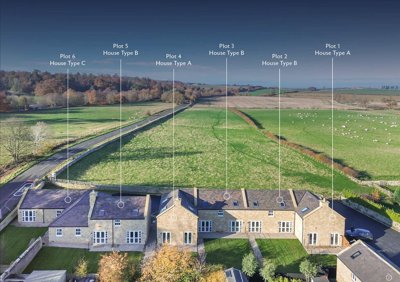
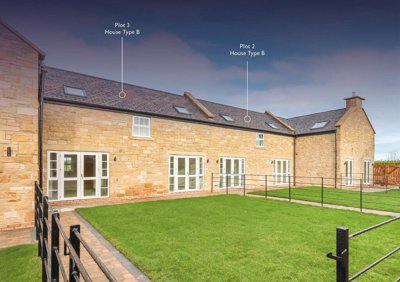
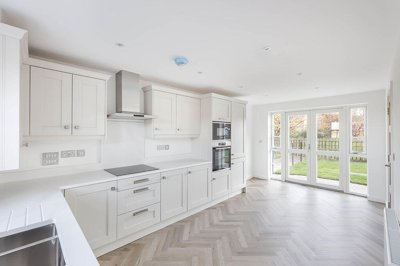
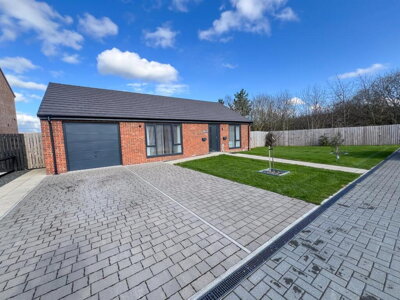
Browse 7 homes new builds in Chatton, Northumberland from local developer agents.
£250k
5
0
60
Source: home.co.uk
Source: home.co.uk
Detached
2 listings
Avg £562,500
Terraced
2 listings
Avg £245,000
End of Terrace
1 listings
Avg £250,000
Source: home.co.uk
Source: home.co.uk
Chatton’s property market mirrors the feel of this historic estate village, with a mix of homes that suit buyers after countryside living and proper heritage credentials. Detached houses sit at the top of the market, averaging £640,000 over the past year, and these are usually the biggest plots, with stone walls, generous gardens, and open views over farmland and the river valley. For those after something smaller, terraced homes average £475,000, while semi-detached properties start at around £425,000, which makes them a practical route for first-time buyers or anyone looking to downsize into rural retirement.
Market figures have moved around quite a bit, depending on which source you read. home.co.uk shows year-on-year growth of 78% against the previous year, and prices sitting 18% above the 2023 peak of £473,333. Yet home.co.uk also records a 5.8% fall across the twelve months to January 2026. In a village this small, that kind of split is not surprising, because a handful of sales can pull the average in either direction. There are no active new-build schemes here, so most buyers are looking at older homes with a bit of history. One planning permission does exist for a replacement dwelling on Old Road, with the demolition of an existing cottage, but that is a single plot, not a wider scheme.
Supply in Chatton is tight, and that comes down to both the village’s scale and the protections around its historic buildings. There are six Grade II listed buildings, including Chatton Park House, Chatton Bridge, the former Chatton United Reformed Church, the Blacksmith's Shop, and Broomhouse Farmhouse, plus the Parish Church, which gained its Grade II listing in 2013. With that sort of stock in place, a big jump in housing numbers looks unlikely. The effect is straightforward, values are supported, but choice is limited, so buyers need to keep an eye on new listings and move quickly when the right house appears.

Chatton has the sort of appeal that never really goes out of fashion, a traditional Northumberland village with roots that reach back to at least the twelfth century, when the Parish Church was first established. Much of what we see today took shape in the nineteenth century as an estate village, with the Chatton Hall estate influencing the layout and the buildings. Around 338 residents lived here according to the 2011 census, giving the place a close-knit feel, and the Percy Arms acts as a focal point with food, local ales, and rooms for visitors. The village hall keeps the community ticking along with events and gatherings.
Set in the Till Valley, Chatton sits in a landscape shaped by the River Till, which runs through the village and creates a green ribbon of meadows and farmland. The ground below is made up of clay and sand soils with limestone and rock subsoils, which helps explain the rich agricultural land around here. Wheat, oats, and turnips were the traditional crops, alongside sheep and cattle, and farming still matters locally. Rolling fields surround the village, and the footpaths and bridleways nearby give walkers and cyclists plenty to work with across North Northumberland.
Heritage in Chatton is not just about individual buildings, it runs through the whole village. The group of Grade II listed buildings gives the streetscape a settled, historic feel, and that has helped shield it from awkward modern development. Nearby, Fowberry Tower and Hetton Hall are both Grade II* listed fifteenth-century tower houses, reminders of the defensive architecture common in this border country. The Northumberland Coast Area of Outstanding Natural Beauty is also within easy reach, with beaches, castles such as Bamburgh and Dunstanburgh, and seabird colonies at Holy Island and the Farne Islands. For us, that mix of village heritage and coastal access is a major part of Chatton’s draw.

Families moving to Chatton tend to look to nearby villages and market towns for primary schooling. There is no primary school in the village itself, but the surrounding rural communities are served by several well-regarded small schools, many of them village-based and used to taking a more personal approach. Catchments are usually tight, so class sizes are often manageable and children can get plenty of individual attention. Parents should check catchment areas and admission rules with Northumberland County Council, because rural school places can be competitive at the more popular schools.
For secondary education, Alnwick is the main option, sitting approximately ten miles from Chatton, where The Duke's Secondary School teaches students aged 11-18. It offers a broad curriculum, extracurricular activities, and sixth-form provision for those heading on to higher education or work. Families wanting alternatives will also find grammar schools elsewhere in Northumberland, with places based on academic selection. Independent schools are available too, including preparatory and senior options in Alnwick and further afield in Newcastle upon Tyne.
Getting secondary pupils to school usually means using a school bus or driving, so transport costs are part of the picture for families weighing up a move to Chatton. The drive to The Duke's School in Alnwick takes approximately twenty-five minutes, and dedicated school bus services run for families in the catchment area. Before committing to a purchase, parents should check current transport arrangements and any charges with Northumberland County Council, as those details can shape how workable the schooling options really are for children of school age.

Transport links reflect Chatton’s rural setting, so private cars do most of the heavy lifting for day-to-day travel. The A1 trunk road runs nearby and gives direct routes north to Edinburgh and south to Newcastle upon Tyne, while Berwick-upon-Tweed is also easy to reach for rail and shopping trips. Newcastle is about one hour away by car, so the city works for shopping, nights out, and healthcare appointments. For flights, Newcastle International Airport offers domestic and European services and is reachable in approximately ninety minutes by car from Chatton.
There are public transport options, though they are limited. Bus services link Chatton with the surrounding villages and Alnwick, where passengers can change onto the rail network. Berwick-upon-Tweed station, around thirty miles to the north, sits on the East Coast Main Line and has regular trains to Edinburgh, Newcastle, and London King's Cross. Edinburgh is roughly one hour by train, while London takes around four hours from Berwick.
Cyclists will find plenty of quiet country lanes around Chatton, and they make for scenic rides, although the hills of North Northumberland mean longer journeys do call for a decent level of fitness. The wider countryside gives riders loads of options, with routes that reach nearby villages and the coast. In summer, the long daylight hours in the north of England make evening cycles particularly pleasant, and residents can get more from the landscape around Chatton.

Take a look through our listings to get a feel for what turns up here, from stone cottages to larger period homes. The market in Chatton is small and stock is limited, so keeping a close watch on new listings and knowing the price range for each type of property can put you in a stronger position when it is time to offer. With so much heritage character and so many listed buildings, it also helps to know which homes need Listed Building Consent before any alterations go ahead.
Before arranging viewings in Chatton, we would suggest getting an agreement in principle from a lender. It shows sellers and agents that you are serious, which matters in a village where more than one buyer may be interested in the same home. With average residential prices sitting between £425,000 and £640,000, most purchases here will need a sizeable mortgage. A broker who knows rural values and heritage homes can be very useful at this stage.
Once you are ready to view, contact local estate agents and line up appointments for the homes that fit your brief. Chatton has plenty of heritage property, so we would always examine stone walls, roofs, and original features carefully during a viewing. Look out for damp or any sign of movement, because older properties can be prone to both. A torch, moisture meter, and camera are all sensible things to take along so any issues can be recorded properly.
After your offer is accepted, it is wise to instruct a RICS Level 2 Survey. That matters even more with Chatton’s older stone-built homes and any listed buildings, where someone with experience of traditional construction can spot problems a standard mortgage valuation may miss. The survey should pick up significant defects, repairs that cannot wait, and future maintenance costs that need to be part of the buying decision.
We would also appoint a solicitor with experience in rural property work to deal with the legal side. They will carry out local searches, check planning permissions, and make sure the title is in order. Listed buildings bring extra checks on Listed Building Consent and any planning conditions. Local searches usually cover drainage and water authority matters, environmental searches, and chancel repair liability checks, which can still matter for homes near the historic parish church.
Once the searches come back clean and the money is ready, contracts are exchanged and a completion date is agreed with the seller. On completion day, the solicitor transfers the balance of funds and you receive the keys to your new Chatton home. We recommend arranging buildings insurance from exchange of contracts, because responsibility for the property passes at that point.
Buying in Chatton means paying close attention to the specific character of this historic village, because the age and build of the houses need proper investigation. Most homes here were built in the nineteenth century as part of the estate village, so stone walls, traditional roof structures, and period features are common across the stock. Those methods can bring issues such as damp penetration, roof deterioration, and the need to keep stone pointing and external renders in good order. Before you buy, a full survey that understands traditional construction and the needs of heritage properties is well worth having.
The way Chatton’s nineteenth-century homes were built means the buying process needs a bit more scrutiny. Local sandstone walls can weather over time and may need repointing every few decades, and any repairs should use traditional lime mortar rather than cement so the structure can breathe. Older roofs may be slate or stone tile, both of which have a shorter lifespan than modern materials, so we always suggest checking roof coverings carefully during viewings and surveys. Original sash windows, period fireplaces, and floorboards add real character, but they can also bring specialist maintenance needs.
Flood risk is something to think about in Chatton because of its position in the River Till valley. Buyers should ask for flood risk reports and look into the flooding history of the exact spot they are considering. Homes near the river or in lower-lying areas may face higher insurance costs and more disruption during heavy rain. The clay and sand soils can also move when they are very dry or saturated, although no specific subsidence issues have been recorded in the village. A thorough survey should pick up any historic movement or water damage that might point to future problems.
Chatton has several listed buildings and possible conservation area restrictions that limit permitted development rights, so changes and extensions usually need Listed Building Consent from Northumberland County Council. That protects the village character, but it does add time and cost to renovation work, so buyers should think about approvals before committing to a project that needs alterations. Properties sold with planning permission, such as the replacement dwelling approved on Old Road, can appeal to buyers wanting modern accommodation in the village, though for most people the main attraction remains the traditional stone houses and their heritage feel.

On home.co.uk data, average sold prices in Chatton run from £475,000 to £557,500, and the difference probably reflects varying methods and the tiny number of sales. Detached homes average around £640,000, terraced properties around £475,000, and semi-detached houses approximately £425,000. Price movement has been strong, with home.co.uk showing values 78% higher than the previous year, although home.co.uk also records a 5.8% decline over the twelve months to January 2026.
Chatton properties sit within Northumberland County Council’s area. Council tax bands vary from one property to the next, depending on value and character, but many of the traditional stone homes here are likely to fall within bands D through G because of their size and heritage features. Buyers should check the exact band for any home on the Valuation Office Agency website, or ask for the information during conveyancing. It can also be verified through the government’s council tax valuation list using the property address.
There is no primary school in Chatton itself, so younger children usually attend nearby village primary schools in the surrounding area. The Duke's School in Alnwick provides secondary education about ten miles away, with school bus links helping families manage the journey. The wider area also offers several respected primary schools, grammar school choices, and independent schools in Newcastle and beyond. Before buying, parents should check current school ratings and admissions arrangements through Northumberland County Council's education department.
Public transport out of Chatton is fairly limited, with buses acting as the main public link to nearby villages and Alnwick, where further onward travel is available. Berwick-upon-Tweed railway station, roughly thirty miles north, is on the East Coast Main Line and has services to Edinburgh, Newcastle, and London, with Edinburgh taking around one hour and London about four hours. Most residents depend on private cars for everyday travel, and the nearby A1 gives access to major cities including Newcastle in around one hour. Newcastle International Airport can be reached in ninety minutes by car for domestic and European flights.
Chatton makes a strong case for buyers who want lifestyle benefits and the chance of long-term capital growth in a heritage setting. The village’s supply is limited by its size, listed building status, and lack of new-build development, all of which help underpin values in a market that is already rising. Rental demand is likely to stay modest because of the rural location and limited local employment, so Chatton is more suited to owner-occupiers looking for a main home or second home than to buy-to-let investors. Since the pandemic, the appeal of rural living has grown, and that has boosted interest in villages like Chatton within easy reach of the Northumberland coast.
Stone-built homes in Chatton need a careful look at the outside fabric, including cracks in the stonework, worn mortar joints, and any vegetation growth that may point to damp problems. We would also check whether cement render or cement pointing has been used, because that can trap moisture in traditional stone walls and cause damage over time. Roofs need close attention too, especially flashings around chimneys and valleys where water is most likely to get in. For listed properties, any previous work should have been done with the right consent, and the seller ought to have the paperwork available.
Homes in Chatton near the River Till or in lower-lying parts of the village carry some flood risk, and that needs proper investigation before a purchase goes ahead. A flood risk report should form part of the conveyancing, because it will show the chances of flooding from rivers, surface water, and other sources. Higher homes in the village may be less exposed, but buyers should still think about the effects of extreme weather on drainage and access roads. If flood risk is higher, insurance can cost more, and that needs to be included in the overall budget.
Alongside the purchase price and stamp duty, buyers in Chatton should allow for survey costs, with RICS Level 2 from £350, solicitor fees typically £500-£1,500, mortgage arrangement fees, and moving costs. Heritage homes can also bring extra expenses if specialist listed building surveys are needed, and Listed Building Consent applications have their own fees. Traditional stone properties may need future maintenance too, including roof repairs, repointing, and window restoration.
Properties New Builds In London

Properties New Builds In Plymouth

Properties New Builds In Liverpool

Properties New Builds In Glasgow

Properties New Builds In Sheffield

Properties New Builds In Edinburgh

Properties New Builds In Coventry

Properties New Builds In Bradford

Properties New Builds In Manchester

Properties New Builds In Birmingham

Properties New Builds In Bristol

Properties New Builds In Oxford

Properties New Builds In Leicester

Properties New Builds In Newcastle

Properties New Builds In Leeds

Properties New Builds In Southampton

Properties New Builds In Cardiff

Properties New Builds In Nottingham

Properties New Builds In Norwich

Properties New Builds In Brighton

Properties New Builds In Derby

Properties New Builds In Portsmouth

Properties New Builds In Northampton

Properties New Builds In Milton Keynes

Properties New Builds In Bournemouth

Properties New Builds In Bolton

Properties New Builds In Swansea

Properties New Builds In Swindon

Properties New Builds In Peterborough

Properties New Builds In Wolverhampton

Enter your details to see if this property is within your budget.
Loans, cards, car finance
Estimated property budget
Borrowing + deposit
You could borrow between
Typical borrowing
Monthly repayment
Est. at 4.5%
Loan-to-value
This is an estimate only. Your actual budget may vary depending on interest rates, credit history, and personal circumstances. For an accurate affordability assessment, speak to one of our free mortgage advisors.
This calculator provides estimates for illustrative purposes only and does not constitute financial advice. Your home may be repossessed if you do not keep up repayments on your mortgage. Estimates based on 4.5% interest rate, repayment mortgage. Actual rates depend on your circumstances.
Homemove is a trading name of HM Haus Group Ltd (Company No. 13873779, registered in England & Wales). Homemove Mortgages Ltd (Company No. 15947693) is an Appointed Representative of TMG Direct Limited, trading as TMG Mortgage Network, which is authorised and regulated by the Financial Conduct Authority (FRN 786245). Homemove Mortgages Ltd is entered on the FCA Register as an Appointed Representative (FRN 1022429). You can check registrations at NewRegister or by calling 0800 111 6768.

We use cookies to show you personalised content and improve your experience of our website. Find out more in our Privacy policy and Cookie policy.