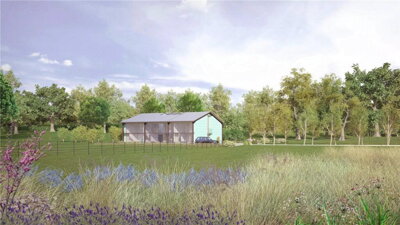
Browse 1 home new builds in Castle Bytham from local developer agents.
The larger property sector typically features multiple bathrooms, substantial reception space, and private gardens or off-street parking. Four bedroom houses in Castle Bytham span detached, semi-detached, and occasionally terraced configurations, with styles ranging from period properties to modern executive homes.
19
Listed Buildings
Yes
Conservation Area
815
Population (1891)
81 homes proposed at The Old Quarry
Major Development
Castle Bytham has a striking mix of homes that reflects its long run as a prosperous South Kesteven village. We see historic stone cottages and farmhouses in the Conservation Area, post-war bungalows on Pinfold Road, Turners Close, and Glen Road, 20th-century social housing along Glen Road and Station Road, and newer schemes on the village edge. The terraced houses on Station Road were first built for railway workers, which adds another layer to the village's architecture and shows how the settlement grew to meet local housing needs in the early 20th century.
Across Castle Bytham, traditional building work relies on rubble and ashlar stone masonry with lime mortar, so older structures are especially sensitive to ground movement and usually need specialist maintenance. The local limestone, together with clay pantile or Collyweston slate roofs, gives the village its united look, protected by the Conservation Area designation. On Station Road, three blocks of brick-built terraced housing survive from the railway era, an important part of the village's interwar social housing story.
The Old Quarry on Station Road brings a notable opportunity for the village, with outline planning permission recommended for approval for up to 81 homes on this former limestone quarry site. The scheme includes a community shop and a Continuing Care Retirement Community, with around 30 jobs expected in management, catering, and maintenance. In a village this small, homes rarely stay available for long, so we would advise prospective buyers to register with local estate agents and set up property alerts, especially where strong prices are often achieved as soon as properties come to market.
Castle Bytham's market mirrors its appeal as a sought-after South Kesteven village, with homes ranging from historic stone cottages and farmhouses in the Conservation Area to post-war bungalows and newer developments around the edges. Building work through the 20th century brought social housing in 1914 and the 1930s along Glen Road and Station Road, then post-war bungalows on Pinfold Road, Turners Close, and Glen Road. Three blocks of brick-built terraced housing on Station Road once housed railway workers, widening the choice of property types and underlining the village's growth as a local service centre for rural communities.
There is a major development prospect at The Old Quarry on Station Road, where outline planning permission has been recommended for approval for up to 81 homes. Dr Dallas Burston is the applicant, with AT Architecture Limited commissioned for the design, and the former limestone quarry scheme would include a community shop and a Continuing Care Retirement Community for an ageing population. The South Kesteven Housing Strategy expects the share of residents aged over 65 to rise from 19.2% in 2012 to 28% by 2020, so retirement provision matters here. With only a limited number of homes usually on the market in this small village, we suggest registering with local estate agents and setting up property alerts, because limited supply tends to keep prices strong.

Living in Castle Bytham means joining a village with deep roots, stretching back to the 12th century when the Norman castle was built and the settlement began its shift into a prosperous commercial centre serving nearby rural communities. The village name itself comes from those preserved earthworks, now a Scheduled Ancient Monument together with associated fishpools and settlement defences that speak to the castle's medieval importance. The Conservation Area protects the historic core and 19 listed buildings, including St James Church, the impressive 12th-century Grade I listed church, and The Priory, a 15th-century building of Grade II* significance.
The village grew as a prosperous farming place, with loamy clay soil and clay subsoil well suited to arable agriculture, though today Castle Bytham works largely as a dormitory community. Only one working farm remains, while local businesses include a duck farm, a specialist potato farm, a Christmas tree farm, and a sand quarry. Creative workers have also put down roots here, with a centre for oriental treatments and fitness, home-based beauty therapists, graphic designers, and computer support advisers all adding to the local economy. The River Glen runs through the village, and the Kesteven Uplands bring attractive walking countryside that is popular with recreational cyclists enjoying the gently undulating Lincolnshire landscape.
Castle Bytham still has good community ties through its two public houses, the village surgery, and local businesses such as a Cabinet Maker's shop. Even as trade declined, it kept its role as a local service centre for surrounding rural communities, while older industries like forestry, stone quarrying, and lime production once mattered greatly to the local economy. At Cinder Field, the discovery of Roman iron production, with burnt material and slag, shows how long industry has shaped this landscape, and the castle itself was later quarried for building stone after it fell into ruin. There is also archaeological evidence of the ancient Bytham River, which flowed here more than 500,000 years ago, found in local quarries and pointing to geological significance stretching back over half a million years.

Families looking at Castle Bytham will find education within a reasonable distance across the wider South Kesteven area, with the village itself having long served as a local service centre for neighbouring rural communities. Primary schools are available in nearby villages and market towns, while secondary provision is usually found in larger places such as Grantham, Stamford, or Bourne, all of which have secondary schools and sixth form colleges. Parents ought to look at current catchment areas and school performance data through Ofsted reports when weighing up properties for family use, as school boundaries can have a real effect on value and demand in rural places.
The South Kesteven Housing Strategy points to changing demographics in the area, with the proportion of residents aged over 65 forecast to rise from 19.2% in 2012 to 28% by 2020. That reflects wider national movement towards an ageing population, with knock-on effects for educational provision and community facilities. The proposed retirement community at The Old Quarry would help meet specialist accommodation needs for older residents, while the village location also means families need to think about school transport, since daily travel to schools in larger settlements is part of village life. For those with children heading into further education, Grantham College and other sixth form provision in nearby towns offer vocational and academic routes for a range of career plans.
School catchment areas can have a marked effect on value and demand in rural places such as Castle Bytham, where the nearest schools may be several miles away and daily school runs usually mean private vehicle transport. Parents should check current school provision and transport arrangements before choosing a home, because families with school-age children may find the right property depends on which catchment area it sits within. With limited public transport in the village, private vehicle ownership is practically essential for many households, and that reality needs to sit alongside any purchase decision.

Castle Bytham sits in rural Lincolnshire with links into the wider road network via the A151 and the nearby A1 trunk road, giving reasonable access to major employment centres across the region. Its railway past is still visible in the terraced housing on Station Road built for railway workers, although passenger rail services now come from stations in surrounding towns, with Grantham offering direct trains to London, Nottingham, and Peterborough. The A1 also gives road access to Leicester, Peterborough, and the wider national motorway network, so the village remains workable for commuters prepared to travel for work.
Local bus services link Castle Bytham with nearby villages and market towns, providing essential transport for residents without private vehicles who need shops, medical appointments, and other services in larger settlements. The village also sits within the Kesteven Uplands, so cycling routes follow the gently undulating Lincolnshire countryside and suit recreational cyclists as well as shorter trips to surrounding villages. For anyone commuting daily, journey times to larger employment centres need proper thought, and prospective buyers should decide whether the village's quiet residential feel matches their workplace needs and tolerance for travel time.
Limited public transport reinforces the need for private vehicle ownership if someone wants full participation in village life, and that should be part of any property purchase decision when weighing up the realities of rural living. In practice, daily travel to employment, shopping, and services in larger centres is a fact of life for most residents, making private vehicle ownership effectively essential rather than optional in this rural location. Buyers without access to a car should think hard about those practical limits before going ahead with a purchase in Castle Bytham.

Before committing to a purchase in Castle Bytham, we would spend time in the village at different points in the day and week to get a feel for its character and community atmosphere. Check Conservation Area restrictions through South Kesteven District Council, look into local geology matters including flood risk near Glen Road and shrink-swell clay soil issues, and get to know the different neighbourhoods from the historic core around St James Church to the newer peripheral developments on Station Road and Glen Road. The 19 listed buildings and the traditional limestone construction should shape expectations for any renovation plans as well.
Arrange a mortgage agreement in principle before starting viewings, it shows serious intent to sellers and estate agents and gives clarity on the budget for Castle Bytham properties. Because much of the housing stock in the Conservation Area is older, our lenders need to know about any specialist survey requirements and the chance that renovation work may affect mortgage availability. Values can vary sharply by condition, position in the village, listed status, and Conservation Area restrictions, so knowing the financial limits early helps narrow the search to homes that fit the budget.
Once suitable homes are lined up, view them carefully and look closely at older stone walls, roof condition, and any signs of damp or subsidence, especially because local clay geology creates shrink-swell behaviour that affects properties with shallow foundations. For homes over 50 years old, we recommend a RICS Level 2 Survey to pick up structural concerns before purchase, particularly where a property sits in the Conservation Area or is listed and may have specific maintenance needs under Historic England guidance. The survey ought to check foundation condition, drainage, and any movement in traditional stone walls built with lime mortar.
Appoint a conveyancing solicitor with rural and Conservation Area experience to handle the legal side of a Castle Bytham purchase. They will carry out local authority searches, including South Kesteven District Council planning records, Environmental Agency flood risk data for properties near the River Glen or on Glen Road, and any other searches relevant to the location. Our solicitor will also check planning conditions, review documents relating to the 19 listed buildings, and sort out any title issues before exchange.
Once the searches are clear and the mortgage offer is in place, the solicitor will arrange exchange of contracts, with completion in Castle Bytham usually taking 4-6 weeks. Because the village is small and homes are limited, transactions can move quickly once agreed, so having finances ready and paperwork in order puts buyers in a stronger position with sellers. Keep the lines of communication open with everyone involved, and the process is far more likely to run smoothly through to completion.
Buying in Castle Bytham means taking account of a few local points that affect both the purchase itself and day-to-day ownership in this historic South Kesteven village. The Conservation Area status means planning permission is needed for certain alterations, and permitted development rights are restricted, so owners cannot carry out every change without consent. Exterior work to traditional stone buildings has to respect the existing character, with materials generally expected to match the original limestone construction and the clay pantile or Collyweston slate roofing that defines the village's look.
The local geology brings real considerations for buyers, because Castle Bytham sits on clay subsoil that is prone to shrink-swell behaviour, a major factor in subsidence issues for properties with shallow foundations common in older buildings. Medieval building methods using rubble and ashlar stone masonry with lime mortar made these structures especially sensitive to ground movement, and leaking clay drainage pipes, common in homes built before the 1970s, can worsen subsidence by changing soil moisture levels. Tree roots can also draw water from the soil, adding another risk for homes with established gardens or nearby vegetation.
Homes near the River Glen and around Glen Road may sit within Environment Agency flood zones, so owners need the right insurance and may also need flood resilience measures as part of ongoing ownership costs. The village's 19 listed buildings call for a specialist approach to maintenance and renovation, with Historic England guidance applying to Grade I and Grade II* structures that can have fragile fabric and shallow foundations, leaving them vulnerable to ground movement. Standard subsidence remedies such as underpinning can do more harm than good in these historic buildings, so a specialist assessment is needed before any foundation work is even considered on listed property.

Specific average house price data for Castle Bytham is not easy to find through standard property market databases, which reflects the village's small size and low number of transactions each year. As a broad guide, South Kesteven villages with Conservation Area status and period features often command premiums over newer homes on the village edge, with historic stone cottages and farmhouses in the Conservation Area attracting particular interest from buyers after character properties. The village offers everything from historic stone cottages to post-war bungalows and modern houses, with prices varying widely according to condition, position in the village, and whether the home is listed or inside the Conservation Area. We would suggest speaking to local estate agents for the latest Castle Bytham market information, because limited supply means homes can command strong prices once they come up for sale.
Castle Bytham falls within South Kesteven District Council for council tax, with homes placed in bands A through H according to their valuation as of April 1991. Smaller period homes in the Conservation Area may sit in lower bands, while larger detached houses and farmhouses are more likely to be in the higher bands because of their greater value. Current South Kesteven council tax rates can be checked through the district council website or through our conveyancing solicitor during the purchase process, and they need to sit in the overall budget for a home in the village.
Castle Bytham does not have its own primary or secondary school, with education for local children provided through nearby villages and market towns in South Kesteven such as Grantham, Bourne, and Stamford. Parents should look at Ofsted-rated schools in those surrounding places, as they all offer primary and secondary provision at different performance levels. Catchment areas can have a strong effect on property values and demand, so school provision ought to sit within the wider property search, particularly for families with children of school age who need daily transport to their chosen school. Because of the village location, school travel arrangements are part of everyday decision-making.
Public transport in Castle Bytham is limited, which fits its rural village character but means private vehicle ownership is effectively essential for full participation in village life and for easy access to work, shops, and services in larger centres. Local bus routes connect the village with surrounding communities and market towns, giving vital access for residents without cars who need to travel for appointments, shopping, and social plans. The nearest regular rail services are from Grantham, where direct trains run to London, Nottingham, Peterborough, and destinations across the UK through cross-country links. Buyers without private vehicles should think carefully about these rural transport limits before going ahead with a purchase in Castle Bytham.
Castle Bytham has real potential for property investment, especially with the limited number of homes in this small village and the strong demand for characterful rural property in South Kesteven. The Old Quarry scheme, with its retirement community and community shop, could add to the village's appeal over time and may support values as those new facilities arrive. Even so, Conservation Area restrictions limit some forms of development and renovation, while the older housing stock needs ongoing spending on maintenance, which has to be built into any investment calculations. Homes that need modernisation but still offer scope to add value are available in Castle Bytham, although the cost of bringing period property up to modern standards needs to be added before any return is worked out.
Stamp Duty Land Tax rates for England (2024-25) apply to every Castle Bytham property, and the village has no special rates of its own. The standard thresholds are 0% on the first £250,000, 5% on £250,001 to £925,000, 10% on £925,001 to £1.5 million, and 12% above £1.5 million for residential purchases. First-time buyers get relief on the first £425,000, with 5% on £425,001 to £625,000, although that relief does not apply above £625,000. A solicitor will calculate the exact SDLT due from the purchase price and the buyer's circumstances at completion, and we would confirm that early to avoid delays in a Castle Bytham purchase.
From 4.5%
Expert mortgage advice for Castle Bytham properties
From £499
We recommend solicitors with rural and Conservation Area experience.
From £350
Detailed property surveys for Castle Bytham homes
From £85
Energy performance certificates for all property types
The full cost of buying in Castle Bytham goes beyond the purchase price and also includes stamp duty, solicitor fees, survey costs, and moving expenses, all of which need to sit within the budget. Stamp Duty Land Tax applies to all residential purchases in England, and the current thresholds give relief on homes up to £250,000. First-time buyers benefit from higher thresholds, paying no SDLT on the first £425,000 of their purchase, which can make a real difference for anyone buying their first home in this desirable South Kesteven village.
Survey costs deserve close attention in Castle Bytham because so much of the housing stock is old and built using traditional methods that can produce specific defect patterns. A RICS Level 2 Survey costs from £350 and gives a detailed assessment of condition, spotting issues such as subsidence risk from clay soils, damp in stone walls, roof concerns, and outdated electrical systems that are common in period homes. For the village's 19 listed buildings, extra specialist surveys may be needed to assess historic building fabric with the right method, one that respects traditional construction and avoids damaging fragile structures.
Conveyancing costs usually start from £499 for standard transactions, although homes with complex titles, those needing Conservation Area consents, or properties near flood risk areas around Glen Road may attract extra charges because of the specialist nature of the work. Our solicitor will carry out local authority searches, including South Kesteven District Council planning records, Environmental Agency flood risk data for homes near the River Glen, and any other searches relevant to the property. We advise getting a full quote that includes disbursements such as Land Registry fees and local authority searches before instructing a solicitor, so there are no unexpected costs during a Castle Bytham property transaction.

Properties New Builds In London

Properties New Builds In Plymouth

Properties New Builds In Liverpool

Properties New Builds In Glasgow

Properties New Builds In Sheffield

Properties New Builds In Edinburgh

Properties New Builds In Coventry

Properties New Builds In Bradford

Properties New Builds In Manchester

Properties New Builds In Birmingham

Properties New Builds In Bristol

Properties New Builds In Oxford

Properties New Builds In Leicester

Properties New Builds In Newcastle

Properties New Builds In Leeds

Properties New Builds In Southampton

Properties New Builds In Cardiff

Properties New Builds In Nottingham

Properties New Builds In Norwich

Properties New Builds In Brighton

Properties New Builds In Derby

Properties New Builds In Portsmouth

Properties New Builds In Northampton

Properties New Builds In Milton Keynes

Properties New Builds In Bournemouth

Properties New Builds In Bolton

Properties New Builds In Swansea

Properties New Builds In Swindon

Properties New Builds In Peterborough

Properties New Builds In Wolverhampton

Enter your details to see if this property is within your budget.
Loans, cards, car finance
Estimated property budget
Borrowing + deposit
You could borrow between
Typical borrowing
Monthly repayment
Est. at 4.5%
Loan-to-value
This is an estimate only. Your actual budget may vary depending on interest rates, credit history, and personal circumstances. For an accurate affordability assessment, speak to one of our free mortgage advisors.
This calculator provides estimates for illustrative purposes only and does not constitute financial advice. Your home may be repossessed if you do not keep up repayments on your mortgage. Estimates based on 4.5% interest rate, repayment mortgage. Actual rates depend on your circumstances.
Homemove is a trading name of HM Haus Group Ltd (Company No. 13873779, registered in England & Wales). Homemove Mortgages Ltd (Company No. 15947693) is an Appointed Representative of TMG Direct Limited, trading as TMG Mortgage Network, which is authorised and regulated by the Financial Conduct Authority (FRN 786245). Homemove Mortgages Ltd is entered on the FCA Register as an Appointed Representative (FRN 1022429). You can check registrations at NewRegister or by calling 0800 111 6768.

We use cookies to show you personalised content and improve your experience of our website. Find out more in our Privacy policy and Cookie policy.