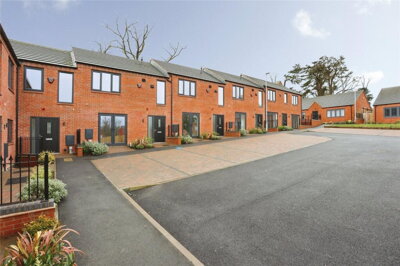
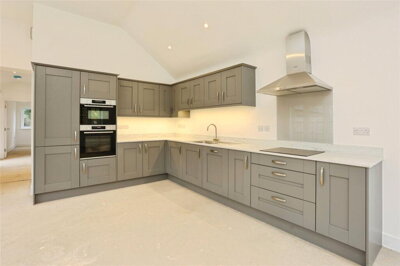
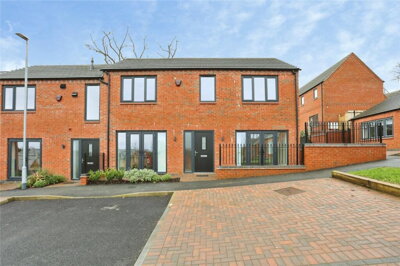
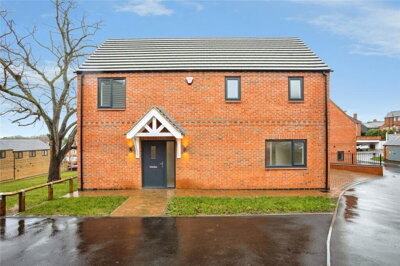
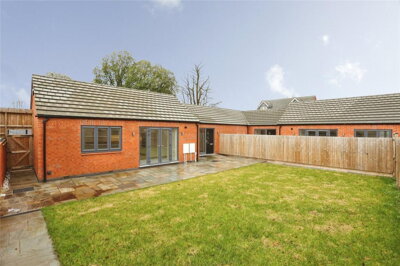
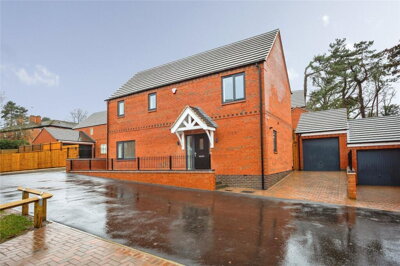
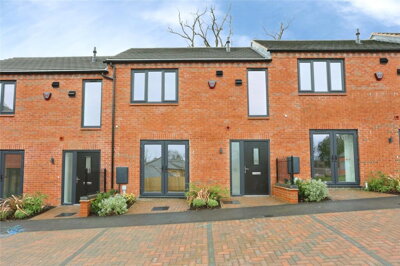
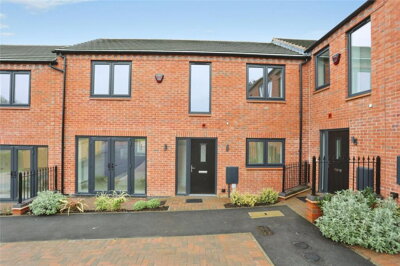
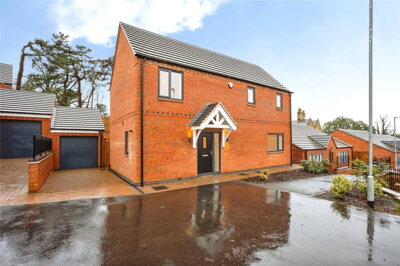
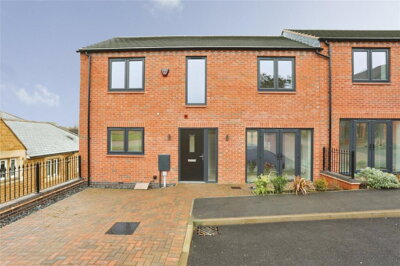
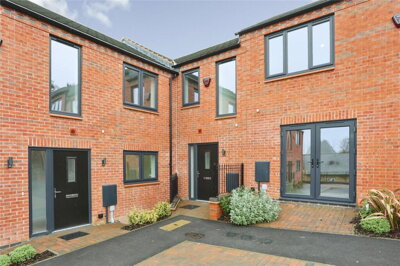
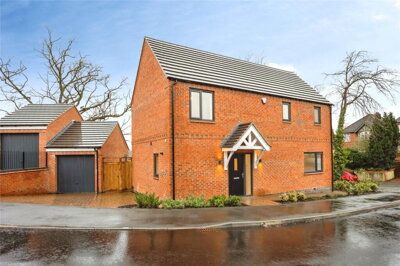
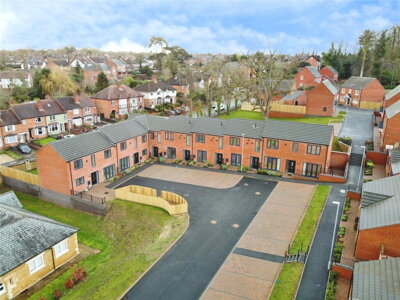
Browse 13 homes new builds in Burton and Dalby from local developer agents.
Studio apartments feature open-plan living spaces without separate bedrooms, incorporating sleeping, living, kitchen, and bathroom facilities. The Burton And Dalby studio market includes properties in modern apartment complexes, modern purpose-built developments and new residential complexes.
The Burton and Dalby property market has a rather unusual spread of homes, shaped by the parish's long history and its rural setting. In Burton Lazars, detached properties sit at the top end, averaging around £492,500, while flats are far more accessible at about £86,000. Great Dalby tells a different story again, with terraced homes averaging £535,000, semidetached properties at £440,000, and detached houses at £427,500. That mix points to steady demand across several property types within the parish.
Recent figures suggest the market has eased back from earlier highs. In Burton Lazars, prices are around 22% lower than the previous year and 26% below the 2023 peak of £483,000. Great Dalby has softened too, by roughly 3% year on year and by about 30% from the 2016 peak of £656,167. For buyers, that can make the area feel a little more reachable than it did during the pandemic-era rush. A planning application submitted in December 2025 for four two-bedroom dwellings at Lime Street in Burton Lazars also shows there is still development interest locally.
Much of the housing stock in Burton and Dalby has been lived in for generations, so it is no surprise to find traditional building methods, thatch roofing, and plenty of period detail. The Great Dalby Conservation Area helps hold the village centre together, and new development has to sit comfortably within that historic setting. We would treat any purchase here with care, and a full survey is well worth having given the age of much of the housing stock.

We find that daily life in Burton and Dalby follows the pace of rural Leicestershire, and the sense of community is one of the parish's biggest draws. With just 37 people per square kilometre, the area feels open, with room for countryside walks, farmland, and broad views over the Leicestershire landscape. Burton Lazars, Great Dalby, and Little Dalby each keep their own identity, yet they still share events and facilities that bring people together through the year.
Around ten farm-based businesses operate within the parish, so agriculture remains the backbone of the local economy. Lower Hall Farm in Burton Lazars and the former Melton Airfield both provide small business units, while plenty of home-based enterprises add to the mix. That sort of spread is typical of a rural economy, and it gives people work options without making a long trip to a larger town every day.
The Burton and Dalby Parish Council, along with active local groups, helps keep community life moving and gives residents a voice. The council has pointed to a need for smaller homes, especially two and three-bedroom houses and bungalows, which suggests the market may not fully meet demand from downsizers or first-time buyers who want to stay local. That shortage is a frustration for some purchasers, though it may also interest investors.
For families looking at Burton and Dalby, schooling is mainly centred on nearby Melton Mowbray, where there is a broad choice of primary and secondary schools serving the wider area. Because the parish population is small, some children attend primary schools in neighbouring villages, with school transport usually available where walking is not realistic. In Melton Mowbray, secondary options include comprehensive schools and grammar school places for pupils who meet the entry requirements.
The Great Dalby Conservation Area, together with the historic feel of homes across the parish, means it makes sense to look carefully at how school catchment areas line up with a preferred street or village. Before buying, we would suggest checking school performance data, Ofsted inspection outcomes, and admission criteria, particularly in a rural area where transport arrangements can shape the school run from day to day. Many families in similar parts of Leicestershire put school access near the top of the list, right alongside the property itself.
For older children thinking about further education, there is good access to colleges and sixth forms in Melton Mowbray, Leicester, and nearby towns. Leicester is close enough for university travel to be realistic, and the city offers a wide range of higher education options. We would always recommend checking admissions policies and catchment boundaries directly, as they can shift and may not line up neatly with parish borders.

Transport in Burton and Dalby reflects its rural position, so road links do most of the heavy lifting for getting to work or services. The A606 passes through nearby Melton Mowbray and gives links north to Nottingham and south to Leicester. For longer journeys, the A1 is reachable via the A46, which opens up the wider road network and makes daily commuting to places such as Nottingham, Leicester, and Derby possible for those prepared to travel.
Public transport is limited here, which fits the pattern across rural Leicestershire. Bus services link the villages with Melton Mowbray, where residents can reach the railway station and onward connections. From Melton Mowbray station, CrossCountry services run to Birmingham, Leicester, and Nottingham, although the timetable may not suit someone heading into a major city every weekday at peak time. In practice, many residents keep a car for day-to-day life, and that is a sensible factor to build into any property search.
For walkers and cyclists, the Leicestershire countryside gives plenty to enjoy, with low traffic on many local lanes making recreational cycling more appealing than in busier places. Rutland Water is also within road reach and adds another useful option for cycling and outdoor time. Anyone thinking of moving to Burton and Dalby should weigh commuting needs against the transport on offer and be honest about whether working patterns might need to shift to suit rural living.

Start with the Burton and Dalby market itself, and take time to understand the price gaps between Burton Lazars, Great Dalby, and Little Dalby. Look at recent sales alongside current listings so you can see how today’s asking prices compare with older levels, especially as properties here have moved down from earlier peaks. We would also suggest registering with local estate agents, as they can flag new homes before they appear on the major portals.
Before you book viewings, sort an agreement in principle from a lender or broker. Sellers tend to take buyers more seriously when finance is already lined up, and that matters in smaller rural markets where homes can attract more than one offer. Our mortgage comparison tools can help you look at rates and find a product that fits your circumstances.
Schedule viewings for properties that suit your needs, and pay close attention to the build type and age of each home. With so much older housing stock in Burton and Dalby, it is sensible to look at the roof, any original features, and signs that maintenance may be due. Take photographs and jot down notes as you go, because details blur once you have seen a few places.
Once you have found a property and agreed a price, we would usually advise arranging a RICS Level 2 Homebuyer Report to look at the condition properly. Many homes in the parish are old and built in traditional ways, including those with thatched elements, so a survey is important for spotting defects or structural concerns before you commit to the purchase.
Appoint a solicitor to deal with the legal side of the purchase, from searches and contracts through to registration on the official title register. They will work with the seller's representatives, handle the transfer of funds, and check that all local authority searches come back satisfactorily for the Burton and Dalby area.
When all enquiries have been answered and finance is confirmed, we move to exchange contracts and the deposit is paid. Completion usually follows soon after, at which point the property legally transfers and the keys are ready for collection for your new Burton and Dalby home.
Buying in Burton and Dalby means keeping an eye on a few practical issues that come with rural homes and older buildings. Some properties use traditional construction, and that can include thatched roofing, which needs specialist upkeep and often costs more to insure than a standard roof. When viewing, ask about the roof's age and condition, any repair history, and whether the property has been re-thatched in recent decades. On some homes, corrugated iron was used first and later replaced with thatch, which is a good sign that roof maintenance has not been a one-off job.
Properties within the Great Dalby Conservation Area face planning controls that restrict external changes unless consent is granted. If you are thinking about alterations to a period home, check what permissions may be needed and factor that into the decision. Listed buildings across the parish can also carry extra responsibilities for maintenance and restoration, and a survey should spell those out clearly.
Because the surrounding countryside is agricultural, buyers should think about the kinds of disturbance that come with rural life, such as farm machinery, agricultural traffic on country lanes, and seasonal work that is normal in the area but may be new to city buyers. Noise and smell are different from what people expect in urban settings, so it is wise to visit at different times of day and across different days of the week. The parish council and local residents can often give a much better sense of everyday living than a single viewing ever could.

Average house prices vary quite a bit between the villages in Burton and Dalby. In Burton Lazars, the average property price is about £357,000, with detached homes averaging around £492,500. Great Dalby comes in higher at approximately £460,000, yet terraced properties there average £535,000, which is above detached homes at £427,500. Prices have also eased from earlier highs, with Burton Lazars down 22% from last year and Great Dalby down 3%, so buyers may find more room to move in a market that is correcting.
For council tax, properties in Burton and Dalby fall under Melton Borough Council. The band depends on the assessed value of the individual home, so buyers should always check the exact band for any property they are considering. As a rule of thumb, larger period homes in the parish may sit in higher bands because of their size and character, while smaller modern houses often fall into lower ones. We would suggest contacting Melton Borough Council directly or checking the government council tax valuation website for the specific band on any property.
Primary and secondary schooling in the Burton and Dalby area is usually accessed through schools in Melton Mowbray, the nearest market town. Families should look at catchments, Ofsted ratings, and the admission rules that apply to the particular property they are considering. The local choice includes state schools and grammar school options, with the grammar schools requiring pass marks in selective entrance exams. Visiting schools and speaking to local parents can tell you a great deal that league tables do not.
Public transport remains sparse in Burton and Dalby, with only limited bus services linking the villages to Melton Mowbray. The nearest railway station is at Melton Mowbray, where CrossCountry trains run to Birmingham, Leicester, and Nottingham. The service pattern may not suit people commuting every day, so most residents depend on a private car for ordinary travel. Road links via the A606 connect to nearby towns, while the A1 and A46 are available for longer trips.
Burton and Dalby has real potential for property investment, especially because the parish has already identified a shortage of two and three-bedroom houses and bungalows. Its rural appeal still draws buyers who want space and a stronger sense of community than they might get in a town or city. Price falls from previous peaks may open the door for entry, although rural markets can be slower to trade than urban ones, which can affect resale timings. The Great Dalby Conservation Area, along with the area's broader character, suggests that well-kept period homes should keep their appeal.
Stamp Duty Land Tax rates from April 2025 apply to all homes in England, including Burton and Dalby. For standard purchases, the rate is 0% on the first £250,000, 5% from £250,001 to £925,000, and 10% from £925,001 to £1.5 million. First-time buyers get relief on the first £425,000, with 5% charged between £425,001 and £625,000. Given local average prices, many purchases here may fall into the lower SDLT bands, although the exact amount depends on the purchase price and the buyer's status.
With many homes in Burton and Dalby dating back centuries, a professional survey is strongly recommended before you buy. A RICS Level 2 Homebuyer Report suits most properties and should pick up structural issues, roof condition, damp, and other defects often found in period homes. For properties with thatched roofs or listed status, a more detailed RICS Level 3 Building Survey may be the better choice. Survey fees usually sit between £400 and £900, depending on the size and value of the property.
The real cost of buying in Burton and Dalby runs beyond the purchase price, as stamp duty, legal fees, survey costs, and other outlays can add several thousand pounds to the budget. The Stamp Duty Land Tax rates from April 2025 set the zero-rate threshold at £250,000 for standard purchases, so homes bought below that figure attract no stamp duty. For most properties in Burton and Dalby, where average prices are above that level, SDLT will apply at 5% on the slice between £250,001 and £925,000.
First-time buyers may qualify for stronger relief, paying no stamp duty on the first £425,000 of the price and 5% on the next £200,000 up to £625,000. The relief applies to buyers who have never owned property anywhere in the world and who do not plan to keep any interest in another property after completion. With average prices in Burton Lazars at £357,000 and Great Dalby at £460,000, plenty of first-time buyers in the area could benefit and cut their SDLT bill quite sharply compared with older thresholds.
Beyond stamp duty, buyers should also set aside money for solicitor conveyancing fees, usually £500 to £1,500 depending on complexity, a mortgage arrangement fee if the lender charges one, a RICS Level 2 survey at around £400 to £900, and an Energy Performance Certificate at roughly £80 to £120. Title registration fees, local authority searches, and moving costs add more on top. All told, buyers should expect to spend about £3,000 to £5,000 on purchase costs excluding the mortgage itself, although the total will vary with the property price, individual circumstances, and whether any mortgage arrangement fee is added to the loan.

Properties New Builds In London

Properties New Builds In Plymouth

Properties New Builds In Liverpool

Properties New Builds In Glasgow

Properties New Builds In Sheffield

Properties New Builds In Edinburgh

Properties New Builds In Coventry

Properties New Builds In Bradford

Properties New Builds In Manchester

Properties New Builds In Birmingham

Properties New Builds In Bristol

Properties New Builds In Oxford

Properties New Builds In Leicester

Properties New Builds In Newcastle

Properties New Builds In Leeds

Properties New Builds In Southampton

Properties New Builds In Cardiff

Properties New Builds In Nottingham

Properties New Builds In Norwich

Properties New Builds In Brighton

Properties New Builds In Derby

Properties New Builds In Portsmouth

Properties New Builds In Northampton

Properties New Builds In Milton Keynes

Properties New Builds In Bournemouth

Properties New Builds In Bolton

Properties New Builds In Swansea

Properties New Builds In Swindon

Properties New Builds In Peterborough

Properties New Builds In Wolverhampton

Enter your details to see if this property is within your budget.
Loans, cards, car finance
Estimated property budget
Borrowing + deposit
You could borrow between
Typical borrowing
Monthly repayment
Est. at 4.5%
Loan-to-value
This is an estimate only. Your actual budget may vary depending on interest rates, credit history, and personal circumstances. For an accurate affordability assessment, speak to one of our free mortgage advisors.
This calculator provides estimates for illustrative purposes only and does not constitute financial advice. Your home may be repossessed if you do not keep up repayments on your mortgage. Estimates based on 4.5% interest rate, repayment mortgage. Actual rates depend on your circumstances.
Homemove is a trading name of HM Haus Group Ltd (Company No. 13873779, registered in England & Wales). Homemove Mortgages Ltd (Company No. 15947693) is an Appointed Representative of TMG Direct Limited, trading as TMG Mortgage Network, which is authorised and regulated by the Financial Conduct Authority (FRN 786245). Homemove Mortgages Ltd is entered on the FCA Register as an Appointed Representative (FRN 1022429). You can check registrations at NewRegister or by calling 0800 111 6768.

We use cookies to show you personalised content and improve your experience of our website. Find out more in our Privacy policy and Cookie policy.