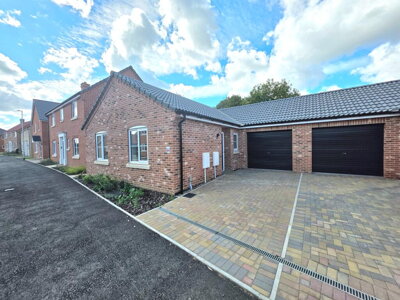
Browse 13 homes new builds in Bungay, East Suffolk from local developer agents.
£270k
67
7
114
Source: home.co.uk
Source: home.co.uk
Detached
14 listings
Avg £429,464
Semi-Detached
12 listings
Avg £272,083
Detached Bungalow
11 listings
Avg £280,409
Terraced
7 listings
Avg £242,143
End of Terrace
5 listings
Avg £263,000
Cottage
4 listings
Avg £241,250
Town House
4 listings
Avg £463,750
Bungalow
3 listings
Avg £361,667
Apartment
2 listings
Avg £126,500
Semi-Detached Bungalow
2 listings
Avg £227,500
Source: home.co.uk
Source: home.co.uk
Bungay's property market offers a proper spread across budgets and lifestyles. Detached homes sit at the top of the pile, averaging £441,711, with the kind of space and garden size that works well for growing families or anyone after a quieter rural setting. Semi-detached properties average £255,524 and tend to hit a sweet spot for first-time buyers and downsizers who want character without the full detached premium. Terraced houses are the most affordable entry point at £216,667, so they suit young couples, investors, or anyone looking for a manageable home in a place people want to live.
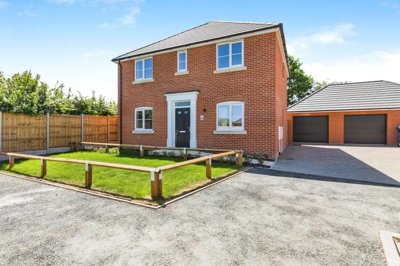
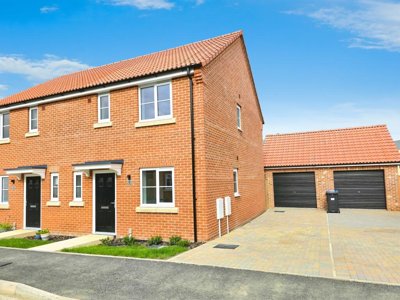
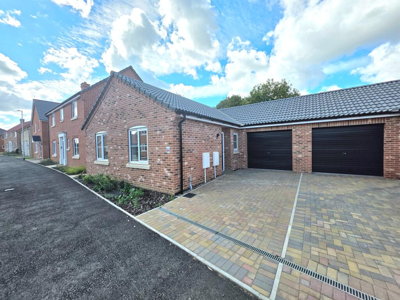
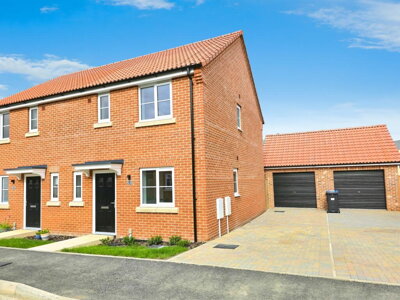
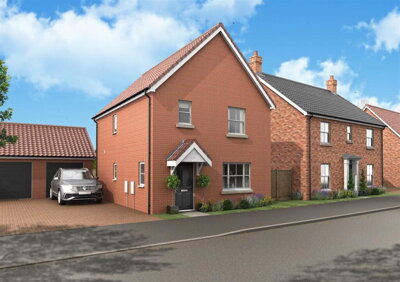
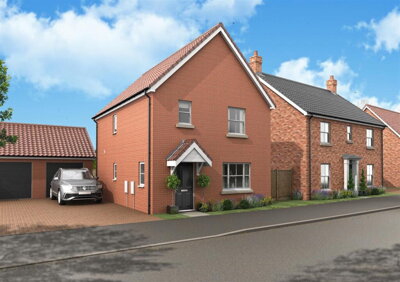
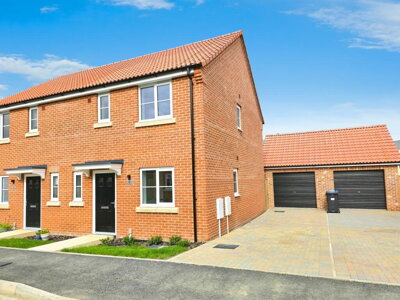
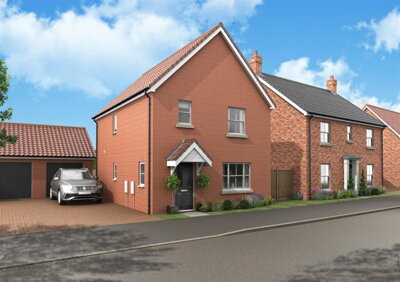
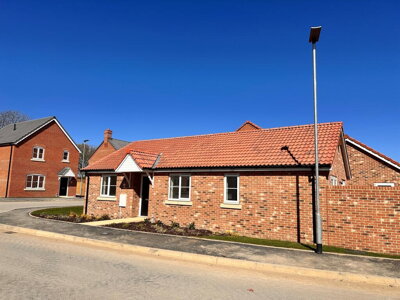
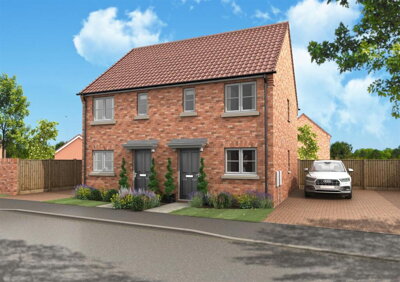
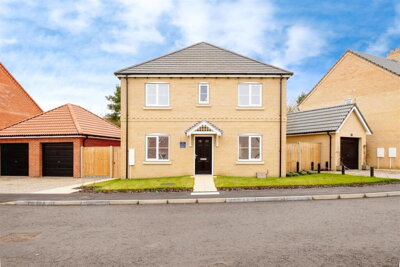
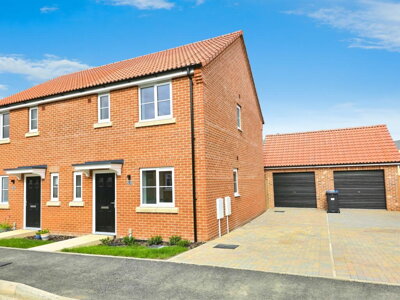
Fresh stock is arriving too. At St Johns Park on Ellis Drive, Lovell and Cripps Developments are bringing forward contemporary two, three, and four-bedroom houses and bungalows. Lovell's range includes two-bedroom semi-detached homes from £228,450, three-bedroom semis from £274,851, and four-bedroom semis at around £380,625. The showhome, "The Sycamore", is a three-bedroom detached property priced at £441,711. It gives buyers a clear choice in a market that has long leaned towards period homes, so there is a real contrast between older charm and modern build standards.
The NR35 postcode area, covering Bungay and nearby villages, recorded 112 residential sales over the past year, while values across the wider area climbed by approximately 2.45%. That steady rise points to healthy demand from buyers who recognise what Bungay offers, and the extra 10 transactions year-on-year suggest the market is picking up pace. Supply is limited, demand is growing, and that combination continues to support prices in this East Suffolk market town.

Bungay has been serving its community since medieval times, and the town still wears that history plainly. The ruins of Bungay Castle, a Grade I-listed Norman fortress, remain one of the clearest reminders of its former strategic role. The Conservation Area, created in 1970 and updated from time to time, protects the historic core, including Bridge Street, Staithe Road, The Maltings, and Trinity Gardens. Upper Olland Street is lined with many Georgian homes, while the Market Place holds stand-out 17th and 18th-century buildings such as the former Kings Head Inn and Oddfellows Hall.
Day to day, the local economy still feels like a traditional market town. Regular markets bring people in from the villages around Bungay, and the main streets are filled with independent specialist shops selling everything from artisan goods to the weekly essentials. The "Rural Reality" demographic profile, shaped by moderate incomes from local jobs and small businesses, gives the town a grounded, unforced feel. Manufacturing is still a major employer in the division too, with nearly half of workers in that sector, which helps underpin local housing demand.
Much of Bungay's appeal comes from its setting. The town sits on a loop of the River Waveney, the historic border between Suffolk and Norfolk, so water and countryside are part of everyday life here. Rolling farmland, classic Suffolk villages, and a good network of public rights of way give walkers and cyclists plenty to work with. Around 90% of local businesses see tourist and visitor trade as a positive, which shows how well the area's landscape and heritage support both the economy and the people who live here. The town's position gives it a character new developments simply cannot copy.

For families, Bungay offers schooling from the early years through to secondary level, serving the town and the surrounding community. Several primary schools cover the Bungay & Wainford ward, giving younger children access to local education without the need for a long journey. That matters in a market town where parents are often balancing work, childcare, and school runs, and it means many households can look at places here without immediately worrying about difficult daily logistics.
Bungay Primary School serves the town centre and nearby residential streets, while families in outlying villages may find themselves looking towards Halesworth, Beccles, or Harleston, depending on their exact address and the relevant catchment rules. In a rural area, those catchments can stretch further than buyers first expect. It is worth checking them properly before committing, because the wrong assumption can lead to disappointment later. We would suggest visiting schools and checking admission policies as they stand now, since these can change and affect which homes suit your family's plans.
Secondary provision for Bungay residents usually comes from a wider catchment, with nearby towns taking many of the local teenagers. Across East Suffolk there are several routes available, including sixth form options for pupils aiming for higher education and vocational paths for those who prefer something more practical. Parents should check current Ofsted ratings and admission policies before they buy, because those details can change which properties are best placed for the schools they want. Faith schools, academies, and independent schools are also available in the surrounding area outside the maintained sector.

Transport from Bungay reflects its place in the Waveney Valley, practical enough for local travel but not built around quick city access. The A143 runs through the town and links directly to Beccles to the east and Diss to the west. From there, the A146 runs north towards Norwich and south towards Lowestoft, putting Norwich within roughly 40-50 minutes by car depending on traffic. For people commuting to Norwich or further afield, those road links matter, even if journey times need to be taken seriously before moving.
Bus services connect Bungay with nearby market towns and villages, though the frequency is exactly what you would expect from rural East Suffolk rather than a city. The 101 service is a useful link to Beccles and Norwich, but most everyday trips are still easier with a car. For rail travel, Norwich station offers East Anglian main line services to London Liverpool Street, with journey times of around two hours. The nearest stations with direct London services are Norwich and, to a lesser extent, Ipswich, so Bungay residents need onward transport. Norwich Airport also gives access to several European destinations.
Getting around Bungay itself is straightforward for a town of this size, because most amenities sit within walking distance of the residential areas. Parking in the town centre supports both shoppers and visitors, which feeds into the market and the local economy. Cyclists have quiet rural lanes on their doorstep, although the hilly East Anglian landscape means longer rides still take a bit of effort. For commuters, the picture is simple enough. Remote working has changed the calculation for many, but anyone needing regular office travel should still weigh the journey time carefully. Buyers who settle into the slower pace often find the trade-off worth it.

It makes sense to start by looking at current listings in Bungay and getting a feel for price movement. With average prices of £301,127 across all property types and detached homes averaging £441,711, a clear budget helps narrow the field quickly. It is also worth thinking about the parts of town that matter to you, whether that means riverside streets where flood risk needs attention or conservation areas with tighter planning rules. Our team can point you towards the areas of Bungay that offer the best value for different kinds of buyer.
Before you book viewings, get a mortgage agreement in principle from a lender or broker. It strengthens your position when you make an offer and shows the seller that the finance is in place. There are lenders offering competitive rates in this price range, and using Homemove's mortgage comparison service can help you find the best option for your circumstances. With Bungay's average prices, most buyers will fall within standard residential lending criteria, although unusual properties or listed buildings may call for specialist lenders.
When you view homes, pay close attention to age and condition, because Bungay has a strong stock of Georgian and Victorian property. Do not stop at the decorative finish, look at the roof, signs of damp, and the state of the window frames. It is also sensible to note how close each property is to the River Waveney and whether any flood risk areas could affect insurance or resale further down the line. We recommend visiting at different times of day and in different weather, because a place can feel very different once the light changes.
Once you have found the right property, arrange a survey before going any further. Because Bungay has so many older houses, an RICS Level 2 Survey, or homebuyer report, is a sensible choice for most conventional homes. For period cottages, listed buildings, or any property showing possible structural movement, a more detailed Level 3 Building Survey is worth considering. Our inspectors know Bungay's housing stock well and can pick up issues linked to local materials and building methods.
Next, appoint a conveyancing solicitor to deal with the legal side of the purchase. They will carry out searches, including flood risk and planning history, deal with contract negotiations, and move the funds through to completion. Homemove's conveyancing service puts you in touch with property solicitors who are used to East Suffolk transactions. In Bungay, the local searches usually include East Suffolk Council records, environmental searches, and drainage authority checks for the NR35 postcode area.
Once the survey is satisfactory and the terms are agreed, your solicitor will exchange contracts and fix a completion date. On completion day, collect the keys from the estate agent and start settling into your new Bungay home. Register with local services, say hello to the neighbours, and begin exploring the shops, pubs, and riverside walks that make the town feel so settled. Buyers who make an effort to join in usually feel part of the place quite quickly.
There are a few property issues in Bungay that need a careful eye before anyone commits to a purchase. Because the town sits beside the River Waveney, flood risk has to be checked properly. The areas most exposed include riverside locations in Earsham, Bungay, and Ditchingham, and the A143, Bridge Street, and Outney Road all experienced flooding in December 2020. Check the Environment Agency flood warning system and make sure buildings insurance stays affordable and available before moving ahead with any riverside home. We would also ask for flood risk information during conveyancing and speak to your surveyor about any concerns.
Bungay's conservation areas and listed building stock create extra points to consider as well. Homes within the Conservation Area may face restrictions on alterations, extensions, and even external paint colours. Listed buildings need consent for more substantial work, which can add both complexity and cost if you plan to renovate later on. If a period property is on your shortlist, build those limits into your decision and allow for specialist surveys and Heritage England consultations where needed. Our experience with listed homes in the area means we can talk you through what the consent process usually involves.
The town's Georgian and Victorian heritage is easy to see in its construction materials. Buildings from the 1860s and 1870s often use polychrome brickwork in reds, buffs, and greys, along with stone detailing and two-coloured pantiles on the roof. Solid walls, suspended timber floors, and original timber-framed windows are all common, and they need regular maintenance. Keep an eye out for damp penetration, roof condition, and the state of original features when you view. Older homes are also likely to have dated plumbing and electrics, so rewiring or plumbing upgrades may need to be added to your budget. Our surveyors come across these issues regularly in Bungay, and a careful inspection will usually bring them to light before you proceed.

The average house price in Bungay is currently around £301,127 based on sales over the last year, although some current valuations sit closer to £280,000 as of early 2026. Detached homes average £441,711, semi-detached properties around £255,524, and terraced houses approximately £216,667. Prices have risen consistently, with growth of approximately 3% year-on-year and 59 residential sales completed in the past twelve months, which points to a healthy market and growing interest in this East Suffolk location.
Properties in Bungay fall under East Suffolk Council, which sets council tax bands from A through H according to property valuation. The exact band depends on each individual home and can be checked through East Suffolk Council's online valuation search or by your solicitor during conveyancing searches. Most period homes in Bungay usually fall within bands A to D, given local market values, although larger detached houses or homes that have seen major recent renovation may sit higher. Your solicitor will confirm the precise band as part of the purchase process.
Bungay and the wider Bungay & Wainford ward provide primary schooling through several local schools that serve different catchments, with Bungay Primary School covering the town itself. For secondary education, families look to schools drawing from a broader area, with options available across academic and vocational routes. Parents should research current Ofsted ratings and check admission boundaries before choosing a home, since places are allocated according to residence and how close the school is to the property.
The town is linked to nearby settlements by bus, although the service pattern reflects rural East Suffolk rather than an urban network. The 101 bus gives a useful connection to Beccles and Norwich, but anyone needing to commute to major cities every day should be aware that Bungay works better for flexible working or remote roles. The A143 provides road links to Beccles, Diss, and the wider network, while Norwich railway station is around 40-50 minutes away by car and offers main line services to London Liverpool Street in roughly two hours.
Bungay has several things that make it attractive to property investors. Prices have grown by around 3% annually, and sales volumes are up by nearly 17% year-on-year. The town's historic appeal helps rental demand, while limited new development keeps supply tight. St Johns Park on Ellis Drive is one of the few new build schemes currently available, and two-bedroom homes from £228,450 can offer decent rental potential for investors who want modern fittings in a period town setting. River-facing homes need flood risk checks, and some properties are affected by conservation area rules, but the market still looks steady for medium to long-term holds.
Stamp Duty Land Tax, or SDLT, is based on the purchase price thresholds. For standard buyers, there is no SDLT on the first £250,000, 5% on £250,001 to £925,000, 10% on £925,001 to £1.5 million, and 12% above £1.5 million. First-time buyers get relief on the first £425,000, with 5% on £425,001 to £625,000. Because Bungay's average price is £301,127, most buyers will pay little or no stamp duty, which is helpful in this market. A first-time buyer purchasing a terraced property at £216,667 would pay no SDLT at all under the current thresholds.
Bungay's position on the River Waveney creates flood risk in riverside areas, particularly around Bridge Street, Outney Road, and the stretches towards Ditchingham. The Environment Agency keeps flood warnings in place for the river section from Diss to Bungay and on to Ellingham, and places including the A143 were affected by flooding in December 2020. Homes in these parts may face higher insurance premiums or difficulty getting cover. An RICS survey can identify flood resilience features and help us judge whether mitigation is already in place before purchase, and we would always talk to the buildings insurer about flood risk directly.
There are also new build options at St Johns Park on Ellis Drive, where Lovell and Cripps Developments are building two, three, and four-bedroom houses and bungalows. Prices start from around £228,450 for two-bedroom semi-detached homes, while larger homes rise to £441,711 for three-bedroom detached options such as "The Sycamore" showhome. Cripps Developments also has bungalow models including "The Eider", "The Golden Eye", and "The Gadwall". For buyers who want new-build warranties and modern construction standards, this development offers a clear alternative to Bungay's older housing stock.
It pays to understand the full cost of buying in Bungay so there are no surprises during the move. SDLT is the biggest government charge, although Bungay's average price of £301,127 means most buyers sit below the higher-rate threshold. First-time buyers purchasing homes up to £425,000 pay no SDLT at all, which makes the town fairly accessible for people taking their first step on the ladder in East Suffolk. Moderate prices and generous first-time buyer relief make the area look encouraging for newer buyers.
For the 2024-25 tax year, the SDLT bands are straightforward. Homes up to £250,000 attract zero SDLT for all buyers. The slice from £250,001 to £925,000 is charged at 5%, so a buyer purchasing a typical Bungay semi-detached home at £255,524 would pay roughly £276 in SDLT. First-time buyers get a higher zero-rate threshold of £425,000, with 5% charged between £425,001 and £625,000 before the standard rates resume. On most Bungay purchases, that leaves SDLT bills fairly modest, although buyers at the higher end, especially detached homes, should still budget for it.
On top of SDLT, buyers should set aside solicitor conveyancing fees from around £499 for standard transactions, plus disbursements for local searches such as flood risk and planning history checks for Bungay, Land Registry fees, and teleport charges. A RICS Level 2 Survey usually costs between £416 and £639 depending on the property's size and age, and older Georgian and Victorian homes in Bungay can cost more because of the extra complexity in their construction. Mortgage arrangement fees, valuation fees, and broker charges vary from lender to lender and should be included in any full cost comparison. Buildings insurance needs to be in place before completion, and it is wise to get quotes early because some riverside areas carry flood risk.

Properties New Builds In London

Properties New Builds In Plymouth

Properties New Builds In Liverpool

Properties New Builds In Glasgow

Properties New Builds In Sheffield

Properties New Builds In Edinburgh

Properties New Builds In Coventry

Properties New Builds In Bradford

Properties New Builds In Manchester

Properties New Builds In Birmingham

Properties New Builds In Bristol

Properties New Builds In Oxford

Properties New Builds In Leicester

Properties New Builds In Newcastle

Properties New Builds In Leeds

Properties New Builds In Southampton

Properties New Builds In Cardiff

Properties New Builds In Nottingham

Properties New Builds In Norwich

Properties New Builds In Brighton

Properties New Builds In Derby

Properties New Builds In Portsmouth

Properties New Builds In Northampton

Properties New Builds In Milton Keynes

Properties New Builds In Bournemouth

Properties New Builds In Bolton

Properties New Builds In Swansea

Properties New Builds In Swindon

Properties New Builds In Peterborough

Properties New Builds In Wolverhampton

Enter your details to see if this property is within your budget.
Loans, cards, car finance
Estimated property budget
Borrowing + deposit
You could borrow between
Typical borrowing
Monthly repayment
Est. at 4.5%
Loan-to-value
This is an estimate only. Your actual budget may vary depending on interest rates, credit history, and personal circumstances. For an accurate affordability assessment, speak to one of our free mortgage advisors.
This calculator provides estimates for illustrative purposes only and does not constitute financial advice. Your home may be repossessed if you do not keep up repayments on your mortgage. Estimates based on 4.5% interest rate, repayment mortgage. Actual rates depend on your circumstances.
Homemove is a trading name of HM Haus Group Ltd (Company No. 13873779, registered in England & Wales). Homemove Mortgages Ltd (Company No. 15947693) is an Appointed Representative of TMG Direct Limited, trading as TMG Mortgage Network, which is authorised and regulated by the Financial Conduct Authority (FRN 786245). Homemove Mortgages Ltd is entered on the FCA Register as an Appointed Representative (FRN 1022429). You can check registrations at NewRegister or by calling 0800 111 6768.

We use cookies to show you personalised content and improve your experience of our website. Find out more in our Privacy policy and Cookie policy.