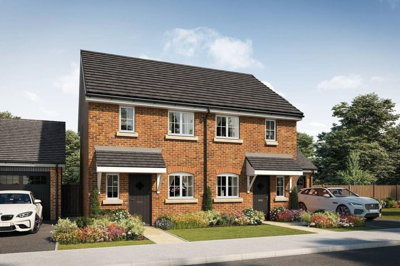
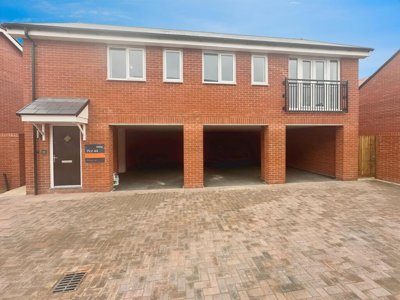
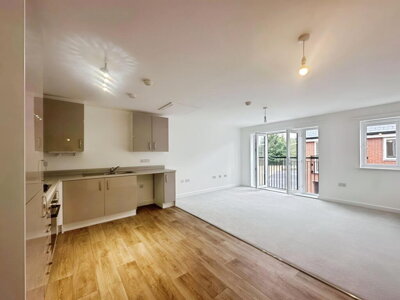
Browse 3 homes new builds in Bramford, Mid Suffolk from local developer agents.
The 2 bed house market features detached, semi-detached, and terraced properties with two separate bedrooms plus living spaces. Properties in Bramford range across contemporary developments, with pricing varying across different neighbourhoods.
£293k
2
0
46
Source: home.co.uk
Showing 2 results for 2 Bedroom Houses new builds in Bramford, Mid Suffolk. The median asking price is £292,995.
Source: home.co.uk
Semi-Detached
2 listings
Avg £292,995
Source: home.co.uk
Source: home.co.uk
Bramford’s property market has had a strong year, with the average sold price reaching £341,105 according to home.co.uk listings data. That is 7% higher than the previous year and 8% above the 2023 peak of £315,210, which points to steady demand in this part of Suffolk. home.co.uk shows a slightly lower average of £301,000 as of January 2026, while homedata.co.uk records £346,516 for properties sold in the last 12 months. The differences come down to methodology and the mix of homes sold in each period. For buyers, those figures give a useful starting point when weighing up a move to Bramford.
Homes in Bramford cover a wide spread of budgets and tastes. Detached properties sit at the top end, averaging £469,994, and are often the best fit for families who want larger rooms and gardens. Semi-detached houses offer strong value at around £293,428, which explains why they remain a favourite with first-time buyers and growing households. Terraced homes average about £280,500, so they give a more affordable way into the village market. The stock ranges from timber-framed cottages with exposed beams from the 1500s to newer homes built to modern standards. home.co.uk listings data shows that semi-detached properties have taken the largest share of recent sales in the village.
Lockwood Place, the Bellway Homes scheme on Bronze Barrow Way, off Loraine Way, IP8, is one of Bramford’s newer additions. It includes house types such as the Cooper and Tailor, both semi-detached and priced from £292,995 and £304,995 respectively. For buyers who need more room, the Scrivener and Silversmith offer four-bedroom detached layouts. New build homes like these appeal to people who want modern construction, better energy performance and developer warranties. At Lockwood Place, the layout also tends to follow the neat planning typical of new estates, with space for parking and shared amenity areas.
Oak Cottage on School Road is one of Bramford’s better-known historic homes, a Grade II listed detached cottage dating back to the 1500s. Its timber-frame construction and exposed beams are classic Suffolk features. Anyone thinking about buying a period property needs to remember that listed buildings come with restrictions, and most changes will need planning permission and listed building consent. That brings character, of course, but it also means keeping on top of maintenance and accepting limits on renovation work.

Bramford has the feel of a welcoming village, with a useful mix of community life and everyday amenities. In the centre you will find the basics, including a convenience store, a traditional pub and local businesses that cover day-to-day needs. The village hall acts as a social hub for events and activities, helping to keep those local connections strong. St Mary the Virgin is another clear landmark, its spire visible over the surrounding farmland and a reminder of Bramford’s history stretching back several centuries.
The Suffolk countryside around Bramford gives residents plenty of space to get outside. Public footpaths and bridleways run through the rolling farmland, so walking, cycling and horse riding are all easy to enjoy. The nearby River Gipping adds a quieter, waterside feel to the area. Families also have access to play areas and open spaces where children can be active in a safe setting. It is a mix that suits people who want more room and a slower pace, without losing access to the things they need.
Bramford’s mix of residents ranges from young families to people looking for a quieter place to retire. Many newcomers describe the village as friendly and easy to settle into, which helps it hold onto its community feel. Events through the year give neighbours a chance to meet and take part in village life. The housing stock mirrors that mix, with listed cottages alongside modern family homes. Old and new sit together well here, and the variety gives the streets real visual interest.
Life in Bramford is helped by its position in Mid Suffolk, with Ipswich, Stowmarket and Bury St Edmunds all within easy reach. That means residents can enjoy a rural setting while still having practical choices for shopping, healthcare and work in nearby towns. The village pub is an obvious meeting point, while the village hall hosts everything from craft groups to community meetings. For buyers who want countryside living without giving up regional links, it is a persuasive combination.

Families in Bramford have access to education from early years through to further study. Primary schools serve the village and neighbouring areas, giving younger children local options. It is wise to check catchment areas and admissions rules before buying, as places are allocated using proximity and other criteria. Education is often high on the list of priorities, and Bramford’s location in Mid Suffolk gives access to schools that serve the local community. A visit to the schools, and a closer look at what each one offers, can make the decision easier.
Secondary schools are found in nearby towns and usually take pupils from a wider catchment. These schools cover ages 11 through 16 and often offer a broad selection of GCSE subjects and extra-curricular activities. Many Bramford families look to Ipswich, where there are several options, including established comprehensive schools and academies. Sixth form study is available either within those schools or at nearby colleges, giving pupils a route on to post-16 education. Looking at school performance data, Ofsted ratings and subject choices helps families narrow the field.
Private education is another option for families willing to travel, with several independent schools across Suffolk. Nurseries and pre-schools provide early years childcare and education for younger children. These places can fill quickly, so it makes sense to register interest well before a space is needed. Before and after school clubs are also available and can be a real help for working parents. Thinking through the full range of schooling options makes it easier to plan a move to Bramford.

Bramford is well placed for travel, with access to major routes that make commuting more practical than the village setting might suggest. The A14 runs close by, linking Felixstowe with Cambridge and the wider motorway network. It also gives straightforward access to Ipswich, just a few miles to the southeast, where residents can find a fuller range of services and jobs. From there, the A14 also connects to Bury St Edmunds to the northwest and Stowmarket to the north, so different commuting directions are covered.
Rail travel is available from nearby stations, which opens up the wider national network. Ipswich railway station has regular services to London Liverpool Street, and journey times are usually around one hour to 80 minutes. That makes Bramford workable for commuters who want the benefits of rural Suffolk but still need a link to the capital. Ipswich also has rail services to Norwich, Cambridge and Birmingham. For local workers, the position of the village relative to surrounding towns gives useful access, even if public transport is not as frequent as it would be in a city.
Local bus routes link Bramford with nearby villages and towns, giving an important option for people who do not drive. The service is not as frequent as the buses you would find in an urban area, so timetables need checking before setting off. The village itself is fairly easy to get around on foot if you live near the amenities, and cycling is a practical choice for shorter journeys. Most people still use a car for daily commuting, though parking near the village facilities is generally adequate. It is a straightforward setup for anyone who wants village life but still needs to travel regularly.
The A14 corridor has continued to attract investment in recent years, which reflects its role in moving freight and passengers across East Anglia and beyond. Bramford benefits from that location without having to deal with the heavier through-traffic seen in more central villages. By car, Ipswich town centre is usually about 15 minutes away, so retail, healthcare and leisure are all close enough for everyday use. For longer trips, the A14 meets the M11 near Cambridge, which opens up the Cambridge science and technology corridor to Bramford residents.

Start your Bramford search by looking at current listings and recent sold prices. That gives a clear sense of what property types are available, what they cost and which parts of the village and nearby parishes fit your budget. Our platform brings together listings from estate agents across the region, so you can compare homes and get a feel for the market.
Before you book viewings, sort an agreement in principle with a lender. It shows estate agents and sellers that you are serious, and it gives you a firm budget to work from. With Bramford prices ranging from £280,500 for terraced homes to £469,994 for detached properties, knowing your borrowing limit helps keep the search focused.
Visit homes that suit your brief and look beyond the rooms themselves. The neighbourhood, nearby amenities and your day-to-day commute all matter just as much. It is sensible to go at different times of day so you can see traffic levels and the feel of the area. In Bramford, older houses deserve close attention, especially where timber-frame construction is involved.
Once your offer has been accepted, book a RICS Level 2 Survey to check the condition of the property. That matters in Bramford, where some homes are old enough for issues such as damp, roof wear and timber treatment concerns to crop up. Our inspectors survey homes all across the village, from period cottages to new builds at Lockwood Place.
Choose a conveyancing solicitor to take care of the legal side of the purchase. They will handle searches, contracts and the transfer of ownership. Our conveyancing comparison service can put you in touch with property solicitors who know the local area and understand the issues that can affect Bramford homes.
When searches are complete and both sides are ready, contracts are exchanged and a completion date is set. On completion day, the final funds are transferred and the keys to your new Bramford home are handed over.
Buyers in Bramford should keep a few local points in mind when weighing up homes for sale. Because the village has properties dating back to the 1500s, older homes may need more upkeep than newer ones. Timber-framed construction is attractive, but it can suffer from woodworm, wet rot and dry rot if it has not been properly maintained. A thorough RICS Level 2 Survey helps identify structural issues or maintenance work before you commit. Grade II listed homes, such as Oak Cottage on School Road, also come with historical protections that can limit the changes you are able to make.
Our inspectors often see the same kinds of problems in Bramford’s older housing stock. Homes built before 1919 usually have solid walls rather than cavity construction, which can lead to condensation and penetrating damp if ventilation is poor. Roof coverings on period properties may have been repaired in stages over the years, leaving a mix of tile ages and possible upkeep issues. Electrical systems in older houses often need updating to current standards too, and our survey reports will flag concerns with wiring, consumer units and earthing arrangements.
For buyers looking at new build homes at places like Lockwood Place, it helps to understand the developer specifications and any estate management setup. Some modern developments have service charges and maintenance fees for shared areas, which add to the running costs. Freehold and leasehold ownership carry different rights and responsibilities, with freehold usually preferred for houses because it gives outright ownership of the building and land. New build warranties tend to cover the early years of ownership, but it is still important to know what is included and what is not. Our team can talk you through the warranty arrangements commonly offered by Bellway Homes and other national developers.
Bramford properties sit away from the main flood risk areas, although buyers should still look closely at drainage on individual plots. The surrounding farmland means some homes may experience agricultural noise and traffic from farm machinery now and then. Checking the planning register for any pending applications nearby gives an extra layer of reassurance about what may change around you. Our local knowledge helps you weigh these factors and think about how they might affect day-to-day living.

The average house price in Bramford varies a little depending on the source, with home.co.uk putting the figure at £341,105 over the past year and homedata.co.uk showing £346,516. home.co.uk also records £301,000 as of January 2026. Prices have risen 11.8% over the last year, with detached homes averaging £469,994, semi-detached properties around £293,428 and terraced homes at approximately £280,500. The market has stayed strong, sitting 8% above the 2023 peak of £315,210. For first-time buyers, terraced homes offer the easiest route into Bramford, while many families are drawn to semi-detached houses for the extra space they provide at a still-reasonable price.
For council tax purposes, Bramford falls under Mid Suffolk District Council. The band depends on the property’s assessed value, and most homes in the village sit within bands A through D. You can check the band for any specific property through the Valuation Office Agency website, and the actual bill will depend on the council tax rates set by Mid Suffolk District Council for the financial year. New build homes at developments like Lockwood Place often land in higher bands because of their modern specification and market value.
Families in Bramford can access primary education through local schools serving the village and the surrounding catchment areas. Secondary education is available in nearby towns, with pupils usually travelling to schools in Ipswich or elsewhere in the region. Parents should look carefully at Ofsted ratings, admissions rules and catchment areas before making an offer. Independent schools in Suffolk provide further choice for those who want a different educational approach. Being close to Ipswich also means there are several secondary schools within reach, including ones with sixth forms and specialist subject options.
Public transport in Bramford is limited compared with what you would find in a town or city. Local bus routes connect the village with surrounding areas, although services run less often than urban networks. The nearest railway stations are in Ipswich, where regular services run to London Liverpool Street and journey times are usually about one hour to 80 minutes. Most day-to-day commuting still depends on car travel, with the A14 giving direct access to Ipswich and links to Bury St Edmunds and Cambridge. For London commuters, the rail link from Ipswich makes Bramford a realistic base for working in the capital several days a week.
Bramford’s market has continued to grow, with prices up 11.8% over the past year and 7% on the previous year. The village’s closeness to Ipswich, combined with the appeal of rural Suffolk living, keeps it attractive to buyers who want more space and village character. New developments such as Lockwood Place show there is still investment in the area. Even so, any buy-to-let or longer-term purchase should take account of local rental demand and the cost of maintaining older homes. The mix of period cottages and modern houses gives investors different routes to consider, from renovation projects to new build purchases with developer warranties.
Stamp duty rates for 2024-25 apply to properties across England, including Bramford. The standard thresholds are 0% on the first £250,000, 5% on £250,001 to £925,000, 10% on £925,001 to £1.5 million and 12% above £1.5 million. At the Bramford average price of around £341,105, a standard buyer would usually pay about £4,555 in stamp duty. First-time buyers buying homes up to £425,000 benefit from relief, so someone purchasing at the Bramford average price would pay no stamp duty at all.
Older Bramford homes, including those from the 1500s, can be full of character but they do come with upkeep. Timber-framed buildings in particular need proper care to avoid woodworm, wet rot and damp. Our RICS Level 2 Survey is vital for spotting structural issues, roof problems and the condition of electrical and plumbing systems. Listed buildings such as Oak Cottage may also have restrictions on alterations, so any renovation work needs a specialist approach. Properties with solid walls may need better insulation and ventilation to suit modern living.
From £350
A clear survey for standard homes in Bramford
From £495
A more detailed building survey for older or complex properties in Bramford
From £85
Energy performance certificate for your Bramford property
From £250
Required valuation for Help to Buy scheme purchases
Knowing the full cost of buying in Bramford makes it easier to budget for the move. Stamp duty land tax is the main extra cost beyond the purchase price, and it applies to all property purchases in England. For a home at the Bramford average price of around £341,105, a standard buyer would pay nothing on the first £250,000, then 5% on the remaining £91,105, which comes to around £4,555 in stamp duty. First-time buyers buying properties up to £425,000 pay no stamp duty on the first £425,000, so many first-time buyers in Bramford would qualify for full relief on average-priced homes.
Buyers also need to budget for conveyancing costs, which usually start from around £499 for a straightforward transaction but can rise depending on how complex the purchase is. Survey fees, especially for a RICS Level 2 Survey at around £350 to £600 depending on property value, matter too because they help you understand the condition of the home. Search fees, mortgage arrangement fees and land registry charges all add to the total, and you should also factor in removal costs, possible renovation spending and the cost of setting up utilities in the new property.
For new build homes at Lockwood Place, extra costs can include reservation fees, help to buy fees if applicable, and the price of optional extras from the developer. Our mortgage comparison tool lets you look at rates from different providers, while our conveyancing comparison service can connect you with property solicitors who know the local market. Planning for these costs from the start of your search helps keep the purchase on track when you find your ideal Bramford home.

Properties New Builds In London

Properties New Builds In Plymouth

Properties New Builds In Liverpool

Properties New Builds In Glasgow

Properties New Builds In Sheffield

Properties New Builds In Edinburgh

Properties New Builds In Coventry

Properties New Builds In Bradford

Properties New Builds In Manchester

Properties New Builds In Birmingham

Properties New Builds In Bristol

Properties New Builds In Oxford

Properties New Builds In Leicester

Properties New Builds In Newcastle

Properties New Builds In Leeds

Properties New Builds In Southampton

Properties New Builds In Cardiff

Properties New Builds In Nottingham

Properties New Builds In Norwich

Properties New Builds In Brighton

Properties New Builds In Derby

Properties New Builds In Portsmouth

Properties New Builds In Northampton

Properties New Builds In Milton Keynes

Properties New Builds In Bournemouth

Properties New Builds In Bolton

Properties New Builds In Swansea

Properties New Builds In Swindon

Properties New Builds In Peterborough

Properties New Builds In Wolverhampton

Enter your details to see if this property is within your budget.
Loans, cards, car finance
Estimated property budget
Borrowing + deposit
You could borrow between
Typical borrowing
Monthly repayment
Est. at 4.5%
Loan-to-value
This is an estimate only. Your actual budget may vary depending on interest rates, credit history, and personal circumstances. For an accurate affordability assessment, speak to one of our free mortgage advisors.
This calculator provides estimates for illustrative purposes only and does not constitute financial advice. Your home may be repossessed if you do not keep up repayments on your mortgage. Estimates based on 4.5% interest rate, repayment mortgage. Actual rates depend on your circumstances.
Homemove is a trading name of HM Haus Group Ltd (Company No. 13873779, registered in England & Wales). Homemove Mortgages Ltd (Company No. 15947693) is an Appointed Representative of TMG Direct Limited, trading as TMG Mortgage Network, which is authorised and regulated by the Financial Conduct Authority (FRN 786245). Homemove Mortgages Ltd is entered on the FCA Register as an Appointed Representative (FRN 1022429). You can check registrations at NewRegister or by calling 0800 111 6768.

We use cookies to show you personalised content and improve your experience of our website. Find out more in our Privacy policy and Cookie policy.