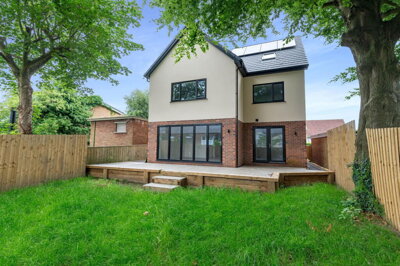
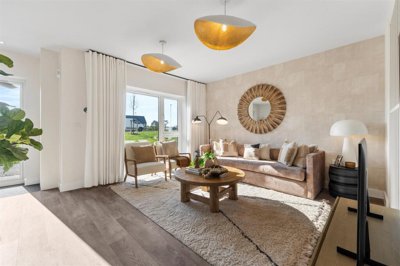
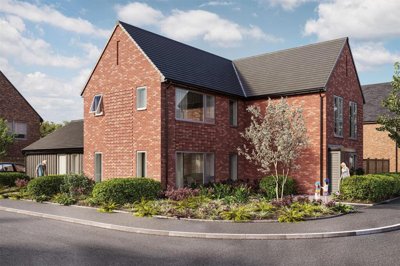
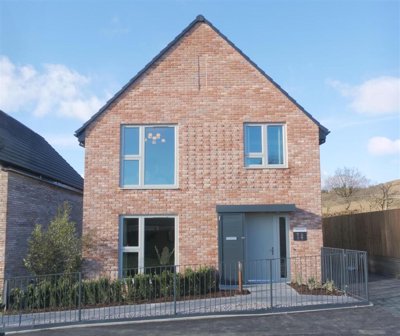
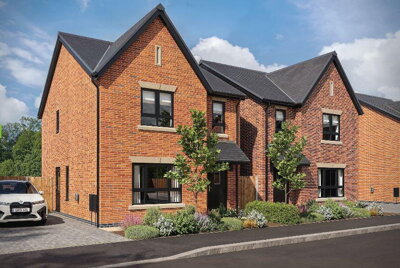
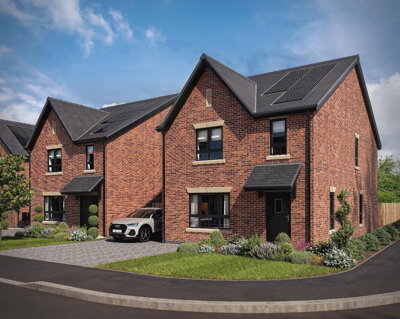
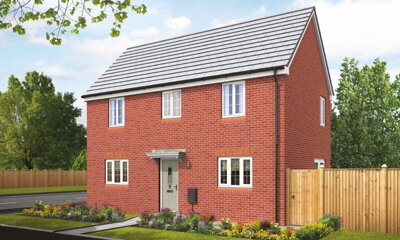
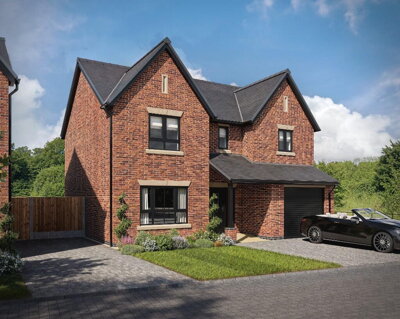
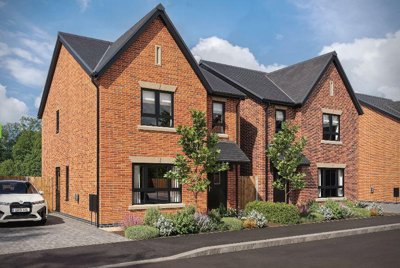
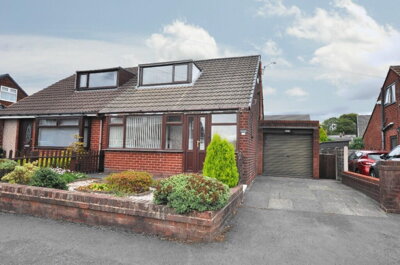
Browse 15 homes new builds in Blackrod, Bolton from local developer agents.
The Blackrod property market offers detached, semi-detached, and terraced houses spanning various price ranges and neighbourhoods. Each listing includes detailed property information, photographs, and direct contact with the marketing agent.
£260k
29
2
91
Source: home.co.uk
Showing 29 results for Houses new builds in Blackrod, Bolton. 2 new listings added this week. The median asking price is £259,995.
Source: home.co.uk
Semi-Detached
15 listings
Avg £260,266
Detached
8 listings
Avg £422,499
Terraced
6 listings
Avg £215,833
Source: home.co.uk
Source: home.co.uk
Blackrod’s housing market sits somewhere between old stock and newer schemes, and that balance shows in the prices. Detached homes sit at the top of the tree at £353,999, with the space families often want. Semi-detached properties average £253,746, still good value beside nearby Manchester suburbs, while terraced homes at about £188,829 give buyers a lower step onto the ladder. Mews properties average £120,286, although there are fewer of them. Recent figures point to a market that has eased by around 9% year on year and by roughly 6% from the 2022 peak of £230,055, so buyers are meeting a calmer market than before.
Most of the recent activity has landed in the £150,000 to £200,000 range, where 13 transactions were recorded, with another pocket of sales between £222,000 and £260,000, amounting to 11 sales. New homes also have a place here. Rivington Park by Morris Homes, on Locomotive Way in neighbouring Horwich, offers one to four-bedroom homes from £295,750 for a three-bedroom property up to £509,750 for a four-bedroom detached home. Planning approvals are still bringing fresh stock forward too, including a recently approved single two-storey dwelling on Manchester Road and proposals near Boardman Street. For buyers, that means choice at several price points, not just one.
Across Blackrod Parish, around 64% of the housing stock is made up of three-bedroom homes or larger, but the 2018 Housing Needs Assessment also flagged a clear shortage of four-bedroom properties. That matters for families needing more space, because some end up looking outside the village altogether. Rivington Park is starting to fill part of that gap, though demand from downsizers is still there as well. Bungalows and single-level homes remain relatively scarce, even though about one-third of households include older persons.

Blackrod has a population of around 5,345 people living in 2,443 households, based on the 2021 Census data, and that gives the place a close village feel. Roughly two-thirds of households are single-person or two-person arrangements, which points to an ageing profile, with approximately one-third of households made up of older persons. That shapes local demand for bungalows and larger homes that let people stay in the community. Even so, the village keeps a clear Lancashire identity, despite being close to bigger urban centres.
Stone gable ends, slate roofs, red smooth-faced brickwork and rendered elevations all feature in Blackrod’s built character, a legacy of its coal mining past. Thirteen Grade II listed buildings are spread through the parish, among them the Georgian House Hotel and several historic bridges over the Leeds-Liverpool Canal and the River Douglas, giving everyday walks plenty of interest. The landscape sits within the Agricultural Coal Measures geological zone, a reminder of the mining activity that shaped the village through the early twentieth century until the collieries closed in the 1930s. Residents get the benefit of countryside walks without losing access to Bolton and Wigan for bigger shops and entertainment.
At the centre of the village, the Church of St. Katharine is one of the most recognisable landmarks among the thirteen Grade II listed buildings. The Leeds-Liverpool Canal cuts through the area, and bridges including the crossing over the canal and the aqueduct over the River Douglas are listed structures of national importance. Arley Hall and its associated features, among them the Folly west of the hall and the Wigan Golf Club building, add to the heritage picture. The moated site at Arley Hall also holds Scheduled Ancient Monument status, which makes it one of the most significant archaeological features locally. Together, these places give Blackrod a strong sense of identity and a draw for visitors.

For families planning a move, school provision is available in Blackrod itself and across the wider Bolton area. Primary pupils can access Key Stage 1 and Key Stage 2 provision in the village, while secondary-aged children usually travel into the borough, where Academy and maintained schools are both on offer. Catchment areas matter here, as do admissions rules, so it pays to check the detail before committing to a purchase. Places are allocated by proximity and other factors set by individual admission authorities.
The 2018 Housing Needs Assessment for the Parish of Blackrod identified a shortfall in larger family homes, particularly those with four or more bedrooms. As a result, some families still look beyond Blackrod for the space they need, which leaves room for the local market to respond through new development. Bolton town centre provides sixth form and further education options, and it is reachable by regular bus services or the train line, so older students have practical routes into higher education or vocational training.
School-age buyers should check current performance data and admission arrangements with the relevant local authority or the school governing bodies before they commit to a home in Blackrod. Bolton Metropolitan Borough Council’s admissions team can supply catchment information for primary and secondary schools serving the Blackrod postcode area. Transport to school and any costs attached to it should sit in the budget too, because some schools are too far for a comfortable walk for older primary or secondary children in this semi-rural setting.

Blackrod railway station is the village’s main public transport link, on the Manchester to Preston line with regular services throughout the day. Manchester is usually around 30-40 minutes away by train, which suits city workers looking for more affordable housing than they would find in Manchester itself. Preston is within reach as well, which opens up another set of jobs. There is car parking at the station, although it can fill up quickly at peak times. Buses link Blackrod with Horwich, Wingates and Bolton, giving non-drivers options for everyday journeys.
The road network is straightforward too. The A6 runs through the village, heading north towards Chorley and south towards Bolton and Manchester, while the M61 is only a short drive away and links to Manchester, Liverpool and the wider motorway system. Cycling routes are available for leisure and some commuting, although the infrastructure is thinner than in larger towns and cities. Parking in the village centre is usually reasonable for a place of this size, but residential streets can get busy around school drop-off and pick-up times. Rail, road and bus together make Blackrod a practical base for commuters.
By car, Blackrod has a useful position between Bolton to the east and Wigan to the west. The A6 gives direct access to both towns without motorway tolls or congestion charges, which keeps day-to-day travel simple. At Horwich, the nearby M61 junction opens up the wider motorway network and brings Manchester city centre, Liverpool and the North West’s commercial centres within a workable journey time. Traffic can build during peak hours, especially on Manchester Road and at the level crossing near the railway station, so journey planning is still worth doing.

Start with the current listings in Blackrod, and the market picture becomes much easier to read. With an average price of £270,408 and everything from mews homes to detached properties on offer, an early look at available stock helps set realistic expectations for both budget and type of home.
A mortgage Agreement in Principle is a sensible first move before any viewings. It shows estate agents and sellers that the finances are already in hand, which can help when competition gets tight. Our mortgage comparison tool can be used to compare rates and find a deal that fits the numbers.
Viewings come next, and they are where the real judgement starts. We would look closely at condition, setting and suitability, with special attention to damp, roof condition and anything linked to the area’s coal mining history. A RICS Level 2 survey is worth arranging before a commitment is made.
Once a suitable home has been found, the offer goes through the estate agent. Prices have moderated by around 9%, so depending on the seller’s circumstances there may be some room to negotiate. A mortgage broker can then talk through affordability and lending limits.
After an offer is accepted, a conveyancing solicitor should be instructed to handle the legal side of the purchase. Searches will be carried out, contracts dealt with and matters coordinated with the Land Registry. Our conveyancing comparison tool can put buyers in touch with experienced solicitors.
Mortgage finalisation, searches and buildings insurance should all be in place before exchange of contracts. Then completion day arrives, the keys are handed over and the Blackrod home becomes yours.
Buyers in Blackrod need to keep a few area-specific points in mind, as they can affect both the decision to buy and the cost of owning the property later on. The geology is one of them, because the village sits within the Agricultural Coal Measures geological zone and has a coal mining history behind it. Older homes, especially those with shallow foundations, may face subsidence or ground movement over time. A detailed structural survey can pick up existing defects or signs of risk before a purchase is agreed. That matters here, because many homes are over fifty years old and some terraced properties date from the Victorian and Edwardian periods between the 1840s and 1910s.
Flood risk is another point to check, since Blackrod falls within the Upper River Douglas flood alert area. Low-lying homes or those near watercourses should be examined carefully for any history of flooding or water damage. Buyers ought to ask the Environment Agency for flood risk information and think through insurance implications as part of the process. Anyone considering one of the thirteen Grade II listed buildings should also go for specialist surveys, because conservation rules are strict and unauthorised alterations to listed buildings are a criminal offence. Rivington Park and other new build sites may suit buyers who would rather have modern construction standards and warranties.
Older homes in Blackrod often show the familiar defects seen in Victorian and Edwardian buildings across Greater Manchester. Our surveyors regularly come across rising damp in solid-walled properties without modern damp-proof courses, worn roof tiles and ridge mortar on houses with original slate coverings, and electrical systems that date from the 1960s or earlier. Properties built before 1970 may still have lead pipework. Clay-rich soils in the area also mean older foundations can be prone to subsidence or heave as moisture levels shift through the seasons. Near the Leeds-Liverpool Canal or the River Douglas, boundary walls and other structures need a careful look, as water exposure and tree root intrusion can leave a long trace.

homedata.co.uk puts the average house price in Blackrod at approximately £270,408 over the past twelve months. Detached homes average about £353,999, semi-detached properties around £253,746 and terraced homes roughly £188,829, while mews properties average £120,286. The market has softened by around 9% over the last year, which may open up opportunities in this historically affordable Greater Manchester village. The most commonly sold homes have been in the £150,000 to £200,000 bracket, where 13 transactions were recorded over the past year, so demand remains solid at the lower end even with prices easing.
Blackrod falls under Bolton Metropolitan Borough Council, so council tax bands run from A through to H. Most standard three-bedroom terraced and semi-detached homes usually sit in bands A to C, while band D and above tends to apply to larger detached properties and homes with higher values. With an average property price of £270,408, many homes here sit in the lower bands, which helps to keep running costs more manageable. Buyers should check the exact band for any property on the Bolton Council website or through the Valuation Office Agency, because council tax sits alongside mortgage payments and utility bills as a major ongoing cost.
Within the village, primary provision covers Key Stage 1 and Key Stage 2 pupils, while older children usually move on to schools across the wider Bolton area. The right school depends on catchment, admissions rules and personal circumstances, and those can change from year to year. We would suggest checking current Ofsted ratings and performance data, visiting schools on open days where possible, and remembering that school places are allocated by distance from the school and other criteria set by the admissions authority. Bolton and the surrounding area offer a choice of Academy and maintained secondary schools, each with different specialisms, while some schools may mean a longer bus journey from Blackrod.
Public transport is solid in Blackrod, led by Blackrod railway station on the Manchester to Preston line. Services reach Manchester city centre in about 30-40 minutes and Preston in around 25 minutes, which keeps the village popular with commuters looking beyond city-centre prices. Bus routes link the village with Horwich, Wingates and Bolton town centre, using local operators and giving people without a car a workable way around. The A6 gives direct routes north towards Chorley and south towards Bolton and Manchester, while the M61 is easy to reach for journeys to Manchester, Liverpool and farther afield. Those without a vehicle should look closely at bus frequency, as services in rural and semi-rural places like Blackrod can run less often than urban routes.
For property investors, Blackrod brings a few points into play. Entry prices are lower than in central Manchester, with terraced homes from about £188,829 and new builds at Rivington Park from £295,750 for three-bedroom homes. Blackrod railway station and access to the M61 support commuter demand, which has often underpinned rental interest in places like this. New schemes such as Rivington Park bring in fresh stock and new residents, although the local population is ageing and one-third are older person households, which can affect rental demand. Rental data for Blackrod is limited, so any investment decision should weigh comparable yields in nearby areas, likely void periods between tenants and the effect of future development on rental values.
From April 2025, Stamp Duty Land Tax starts at 0% for properties up to £250,000, then rises to 5% on the slice between £250,001 and £925,000, 10% between £925,001 and £1.5 million, and 12% above £1.5 million. First-time buyers get relief on the first £425,000, then pay 5% between £425,001 and £625,000, with no relief above that point. At Blackrod’s average price of roughly £270,408, many homes may sit below the standard threshold altogether, which can save buyers a meaningful amount compared with pricier areas. Terraced homes at £188,829 would attract zero stamp duty, semi-detached properties at £253,746 would only just enter the threshold, and detached homes at £353,999 would face around £5,200 under standard rates, still modest beside similar homes in Manchester or nearby boroughs.
Yes, Blackrod sits within the Upper River Douglas flood alert area, so flooding to low-lying land is possible from the River Douglas. The risk runs through Blackrod and neighbouring villages towards Wigan, Standish and Gathurst, with the river valley creating particular issues for lower-lying properties. Homes near watercourses or in low positions carry greater flood risk and can face insurance implications that should be checked before a purchase goes ahead. Buyers should also obtain surface water flood risk information from the Environment Agency, as it may differ from the main river risk. Higher parts of the village generally face less risk, although climate change means long-term flood resilience should be considered everywhere. Any home with a flood history may need special insurance arrangements and a careful check for damp or water damage.
For most homes in Blackrod, a RICS Level 2 HomeBuyer Report is the right starting point, as it gives a solid assessment for conventional houses, flats and bungalows. Because the village has older housing stock, including Victorian and Edwardian properties built between the 1840s and 1910s, this kind of survey can pick up damp, roof problems, structural movement and outdated electrics. In Blackrod, Level 2 surveys usually begin at around £350 for a standard terraced property and rise to £500-£700 for larger semi-detached or detached homes, with Bolton surveyors generally charging 10-15% below national averages because local property values are lower. The thirteen Grade II listed buildings in the village call for a more detailed RICS Level 3 Building Survey, as conservation rules and the need to understand traditional construction and repair materials demand a deeper inspection. Properties in low-lying spots near the River Douglas, or homes showing movement linked to mining history, may particularly benefit from that level of scrutiny before purchase.
From 4.5%
We compare mortgage rates from leading lenders so buyers can find the best deal for a Blackrod home purchase.
From £499
Experienced conveyancing solicitors are on hand to deal with the legal side of a property purchase in Blackrod.
From £350
Qualified RICS surveyors can carry out a thorough inspection of a potential Blackrod property.
From £80
An energy performance certificate is required for the sale of a Blackrod property.
Knowing the full cost of buying in Blackrod helps with budgeting and cuts down the risk of surprises later in the process. The main upfront expense is Stamp Duty Land Tax, and for most buyers at Blackrod’s average price of £270,408 there will likely be zero stamp duty under the standard threshold. That makes a real difference compared with higher-priced locations and keeps Blackrod attractive for first-time buyers and people moving out of rented accommodation. Buyers aiming at higher-value homes, especially detached properties averaging £353,999 or new build homes at Rivington Park from £295,750, should still allow for stamp duty at the relevant rate.
There are several other costs to put into the budget as well. Survey fees run from about £350 for a standard RICS Level 2 HomeBuyer Report on a terraced property to £500-£700 for larger detached homes, with local Bolton surveyors usually 10-15% below the national average because property values are lower. Conveyancing fees usually begin at around £500 for straightforward purchases and rise with complexity and value. Mortgage arrangement fees vary by lender, though £0 to £1,500 is a common range. Searches ordered by a solicitor typically cost between £250 and £500. Removal charges, valuation fees and any renovation work should also be counted. Getting a mortgage Agreement in Principle before viewings makes it easier to judge affordability in the Blackrod market.
Bolton surveyors usually charge between £400 and £750 for a RICS Level 2 HomeBuyer Report, depending on property value, and that sits below the national average because the area’s property prices are more modest. So buyers in Blackrod often get relatively competitive survey costs compared with homes of similar size in pricier parts of the country. The final figure depends on property value, size, age and complexity, with older homes or those showing structural concerns often needing more time on site. It is also wise to budget for mortgage arrangement fees, lender valuation fees, searches including local authority, drainage and water, environmental and chancel repair searches, plus Land Registry fees and telegraph transfer charges for sending funds.

Properties New Builds In London

Properties New Builds In Plymouth

Properties New Builds In Liverpool

Properties New Builds In Glasgow

Properties New Builds In Sheffield

Properties New Builds In Edinburgh

Properties New Builds In Coventry

Properties New Builds In Bradford

Properties New Builds In Manchester

Properties New Builds In Birmingham

Properties New Builds In Bristol

Properties New Builds In Oxford

Properties New Builds In Leicester

Properties New Builds In Newcastle

Properties New Builds In Leeds

Properties New Builds In Southampton

Properties New Builds In Cardiff

Properties New Builds In Nottingham

Properties New Builds In Norwich

Properties New Builds In Brighton

Properties New Builds In Derby

Properties New Builds In Portsmouth

Properties New Builds In Northampton

Properties New Builds In Milton Keynes

Properties New Builds In Bournemouth

Properties New Builds In Bolton

Properties New Builds In Swansea

Properties New Builds In Swindon

Properties New Builds In Peterborough

Properties New Builds In Wolverhampton

Enter your details to see if this property is within your budget.
Loans, cards, car finance
Estimated property budget
Borrowing + deposit
You could borrow between
Typical borrowing
Monthly repayment
Est. at 4.5%
Loan-to-value
This is an estimate only. Your actual budget may vary depending on interest rates, credit history, and personal circumstances. For an accurate affordability assessment, speak to one of our free mortgage advisors.
This calculator provides estimates for illustrative purposes only and does not constitute financial advice. Your home may be repossessed if you do not keep up repayments on your mortgage. Estimates based on 4.5% interest rate, repayment mortgage. Actual rates depend on your circumstances.
Homemove is a trading name of HM Haus Group Ltd (Company No. 13873779, registered in England & Wales). Homemove Mortgages Ltd (Company No. 15947693) is an Appointed Representative of TMG Direct Limited, trading as TMG Mortgage Network, which is authorised and regulated by the Financial Conduct Authority (FRN 786245). Homemove Mortgages Ltd is entered on the FCA Register as an Appointed Representative (FRN 1022429). You can check registrations at NewRegister or by calling 0800 111 6768.

We use cookies to show you personalised content and improve your experience of our website. Find out more in our Privacy policy and Cookie policy.