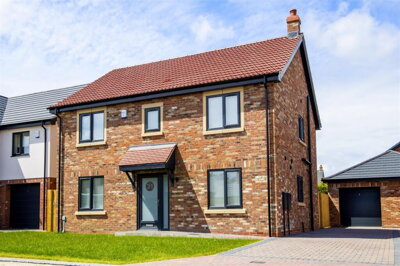
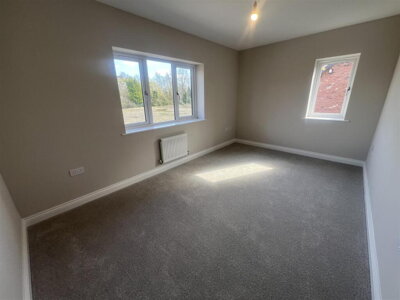
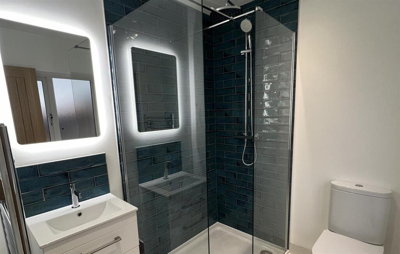
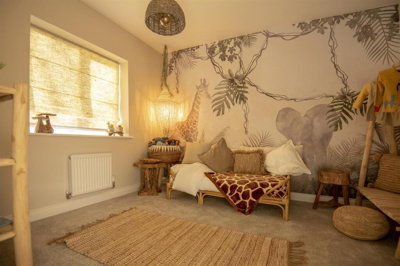
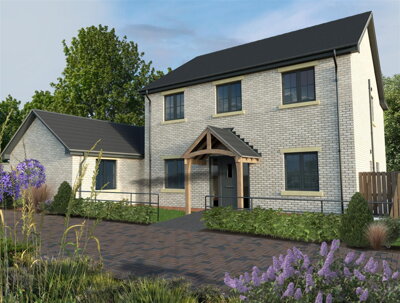
Browse 5 homes new builds in Bishop Burton from local developer agents.
The larger property sector typically features multiple bathrooms, substantial reception space, and private gardens or off-street parking. Four bedroom houses in Bishop Burton span detached, semi-detached, and occasionally terraced configurations, with styles ranging from period properties to modern executive homes.
£313,333
Average Property Price
1,842 residents
Population
110+
Conservation Area Buildings
3 miles
Distance to Beverley
Bishop Burton sits at around £313,333 for properties, but the market has seen a notable correction lately, with average prices down approximately 30% on the previous year. That also marks a 43% fall from the 2021 peak of £546,000, which leaves buyers with a more accessible entry point into this conservation village than the highs seen in recent years.
Street by street, the numbers open up different possibilities. Homes on Bishop Burton Road average £247,500, while York Road and Bryan Mere have seen average sold prices of £330,000. Pudding Gate properties average £300,000, a 46% drop from the 2021 peak of £560,000. Terraced homes have changed hands for about £130,000, while larger detached family houses have gone for upwards of £365,000, depending on condition and position.
Most of Bishop Burton’s housing stock is made up of period homes built in traditional ways, with solid wall construction and brick and stone materials. In the village centre and North End, there are many buildings dating from before 1855, so their construction methods, materials and structural details can differ sharply from modern standards. We are not aware of any active new-build schemes confirmed within the HU17 postcode area, so buyers wanting contemporary specifications may need to look to Beverley or Brough.

Start with our current Bishop Burton listings, then get a feel for the local price picture. Average values sit at £313,333, and with the market having eased significantly from the 2021 peak of £546,000, the timing may suit buyers. It also helps to visit the village at different times of day, so you can judge its character, schools, transport links and Beverley’s amenities for yourself. Before you buy, make sure you understand the Conservation Area rules, because they shape what can be done to many of the village’s homes.
We would book viewings for homes that match your brief, then look closely at the condition of period features, roof structures, and any signs of damp or movement, given the age of many properties here. Bishop Burton’s Conservation Area status can bring planning restrictions on alterations and extensions, so it pays to get to grips with those limits early. We would also check the planning history and permitted development rights before you go any further.
Before offers are put in, it helps to have a mortgage agreement in principle from a lender. It shows sellers and agents that your finances are in order, which matters in sought-after village markets where homes can attract more than one serious buyer. Our mortgage partners can give quotes suited to your circumstances and talk you through the application process for properties in this price range.
With so many older homes in Bishop Burton, including buildings from before 1855 and listed structures, we strongly advise a RICS Level 2 survey before purchase. A homebuyer report can pick up damp, subsidence or structural concerns, give you leverage in negotiations, and flag maintenance work that may be needed. Survey costs usually sit between £400 to £800, depending on the value and size of the property, and that is money well spent where character homes are concerned.
We would appoint a solicitor with rural property experience to handle the legal side of the purchase. They will carry out local authority searches, check the title, and confirm that planning permissions and building regulations are all in order. With Bishop Burton’s Conservation Area status and 13 listed buildings, specialist knowledge is useful for spotting any restrictions or obligations that could affect the property.
Once the surveys, searches and legal checks are all satisfactory, your solicitor will arrange exchange of contracts with the seller’s representative. At that stage, a deposit, usually 10% of the purchase price, is paid. Completion dates are then agreed, the balance is transferred, and the keys are handed over on the day set for completion.
Buying in Bishop Burton means paying close attention to what makes the village different, especially its Conservation Area designation. Every property in the village centre lies within a designated Conservation Area, so external changes, extensions and even small alterations to windows or doors may need planning permission from East Riding of Yorkshire Council. Renovation budgets and timescales should reflect those limits, particularly where a home needs modernising or adapting for contemporary living.
The age of the housing stock is another important point for buyers in Bishop Burton. Many homes on The Green and North End were built before 1855, so construction methods, materials and structural elements may look very different from what we expect now. Common problems in period properties include damp getting through solid walls, roof wear, outdated electrics and plumbing that may need updating to meet current regulations. A full survey is the best way to identify these issues before you commit.
There are 13 Listed Buildings in the village, so some buyers may find themselves looking at homes with Listed Building status, which brings extra controls on maintenance and alterations. In practice, Listed Building consent is needed for almost any external or structural change, and works have to respect the building’s historic character. That protection helps preserve both the village charm and property values, but it can also add to maintenance costs and limit future changes. We would advise checking the status carefully with your solicitor and making sure your insurance is suited to the specialist needs of historic property.
Insurance for period homes in Bishop Burton deserves careful thought. Standard buildings cover may not properly reflect traditional construction methods and materials, and listed properties often need specialist insurers who know historic buildings well. We suggest getting insurance quotes before completion so you know the ongoing cost and can check that cover is based on the full rebuilding cost, not just market value. Premiums for older homes can be higher than average, but specialist insurers understand what these properties need.
Education for Bishop Burton residents is shaped by primary schooling in surrounding villages and by Bishop Burton College, which sits within the village and offers further and higher education. The college has a broad range of vocational and higher education programmes, with a strong focus on agriculture, equine studies and land-based industries that suit the rural character of the East Riding. Students travel from across Yorkshire for these specialist courses, which can lead into agriculture, veterinary nursing, countryside management and equestrian sports.
Children of primary school age usually attend schools in nearby places such as Cherry Burton or Leconfield, which act as local catchment areas for younger pupils. Parents should check the latest catchment arrangements and admission policies with East Riding of Yorkshire Council, as these can change and may affect school choices. For secondary education, Beverley has several schools serving the wider HU17 area, with good GCSE and A-Level provision for families looking for a full secondary offer.
For families thinking about buying in Bishop Burton, the presence of Bishop Burton College gives the village a set of educational advantages that many similar places do not have. Its facilities include working farms, equestrian centres and specialist training areas, offering practical learning for students on land-based courses. The college also hosts community events from time to time and can be hired for certain uses, giving local residents access to specialist facilities that would be unusual in a village of this size.

Roads do most of the work for transport here, with Bishop Burton lying roughly three miles north of Beverley, the main service centre for the surrounding rural area. The A164 gives direct access to Beverley and links into the wider East Riding road network, while the A1079 connects towards Hull and York. For people commuting to larger employment centres, the location gives reasonable access to key routes while keeping the calm rural feel that defines village life.
Bus services link Bishop Burton with Beverley and other settlements in the HU17 area, although the timetable is far thinner than what you would see in an urban setting. Anyone without a private vehicle will need to think carefully about transport when planning day-to-day life and choosing where to live in the village. The nearest railway stations are at Beverley and Hull, giving access to East Coast Main Line services for longer journeys to Leeds, Newcastle, London and other major destinations.
For people commuting to Hull or the nearby towns, Bishop Burton offers a workable balance between country living and access to employment. By car, Hull city centre is usually around 30 minutes away, while Beverley can be reached in about 10 minutes. The rural roads linking the village with neighbouring communities are generally well looked after, though country lanes can demand extra care in poor weather. Parking is also fairly comfortable for a place this size, with enough space for residents and visitors, unlike the pressures seen in larger settlements.

Daily life in Bishop Burton feels unmistakably rural, with community spirit, historic surroundings and easy access to natural amenities. The village lies in a landscape shaped by chalk and clay deposits typical of the East Riding of Yorkshire, and the rolling countryside gives it attractive views and plenty of walking routes. Its small scale means people often know their neighbours, which helps create the sense of belonging that appeals to both families and retirees looking for a quieter life away from bigger towns and cities.
The village centre is anchored by The Green and the Church of All Saints, a Grade II* listed building from the late 12th century that serves as both a spiritual focus and an architectural landmark. In all, the village has 13 Listed Buildings, including Forge Cottage, the Former High Hall Entrance Lodge and the War Memorial, all of which help define the protected character that makes Bishop Burton so distinctive. The Churchyard Cross, a Scheduled Monument, and a medieval stone boundary marker for the sanctuary of Saint John of Beverley add another layer to the area’s historic interest.
Amenities in the village itself are limited, which is really a reflection of its small size, but Bishop Burton College provides recreational facilities and educational programmes that the community benefits from. Beverley, the nearby market town only three miles away, has the fuller range of shopping, dining and leisure options, from supermarkets and independent shops to restaurants and a cinema. The college is also a major local employer, with its focus on agriculture and equine studies helping to shape the area’s economy and providing work for local residents.

Over the last year, the average property price in Bishop Burton was £313,333, which is 30% lower than the previous year and 43% below the 2021 peak of £546,000. Prices differ quite sharply by type, with terraced homes averaging around £130,000 and larger detached houses on roads such as Bishop Burton Road reaching average prices of £365,000. That correction has opened the door for buyers to get into this desirable conservation village at more approachable price points than the recent highs.
East Riding of Yorkshire Council oversees properties in Bishop Burton. Council tax bands vary with valuation, though many period cottages and terraced homes usually sit in bands A to C, while bigger detached houses may fall into higher bands. You can check the banding through the Valuation Office Agency website using the property address, and we would always advise confirming this during conveyancing because it affects the ongoing cost of ownership.
Bishop Burton College provides further and higher education within the village, with a specialism in agriculture and equine studies and strong facilities that include working farms and equestrian centres. Younger children usually attend schools in nearby villages such as Cherry Burton or Leconfield, while secondary education is available in Beverley, about three miles away. Before buying, parents should check the latest catchment areas and admission criteria with East Riding of Yorkshire Council, because school places depend on residence and availability.
Public transport in and out of Bishop Burton is limited, which is exactly what you would expect in a rural village. Buses run between Bishop Burton and Beverley, giving access to the town centre and railway station, but the frequency is lower than on urban routes. Beverley and Hull are the nearest railway stations, with services to the East Coast Main Line and onward travel to Leeds, York and London. People without a car will need to factor transport into everyday planning.
For property investors, Bishop Burton has a few points in its favour, including its Conservation Area setting, closeness to Beverley and the limited new-build supply within the HU17 postcode. The village’s character homes, from whitewashed cottages to period houses, are likely to appeal to tenants who want a rural setting, though the rental market is more niche than in larger towns. Bishop Burton College adds some economic stability, but investors should weigh rental yields against maintenance costs, especially where older homes need regular upkeep.
Stamp Duty Land Tax rates for purchases from 1st April 2025 are 0% on the first £250,000 of residential property, 5% on £250,001 to £925,000, 10% on £925,001 to £1.5 million, and 12% on anything above £1.5 million. First-time buyers get relief on the first £425,000, with 5% charged between £425,001 and £625,000. At the average Bishop Burton price of £313,333, standard buyers would pay no stamp duty on the first £250,000 and 5% on the remaining £63,333, which comes to roughly £3,167. First-time buyers would usually pay no stamp duty on a home at this level.
Looking at the full cost of buying in Bishop Burton means going beyond the purchase price, and Stamp Duty Land Tax is one of the bigger items for many buyers. Under the rates in force from April 2025, a standard buyer purchasing at the village average price of £313,333 would pay nothing on the first £250,000 and 5% on the slice between £250,001 and £313,333, leaving an SDLT bill of about £3,167. First-time buyers purchasing homes up to £425,000 would normally qualify for relief and pay no stamp duty on eligible purchases within that band.
Beyond stamp duty, buyers should allow for solicitor conveyancing fees, which usually fall between £500 and £1,500, depending on the complexity of the transaction and whether the property is freehold or leasehold. Local search fees with East Riding of Yorkshire Council generally come in at £200 to £300, covering local authority records, environmental searches and drainage information. A RICS Level 2 homebuyer report typically costs £400 to £800, with higher fees for larger homes or where the age or construction type calls for specialist assessment.
There are other purchase costs as well, including mortgage arrangement fees, which vary by lender but are often £500 to £2,000, and valuation fees, usually between £150 and £500. Buildings insurance should be in place from the date of purchase, and older homes in Bishop Burton’s Conservation Area may need specialist cover at a higher premium. Land Registry fees for registering the transfer of ownership are comparatively modest at around £200 to £500, depending on price. Taken together, these costs usually add £2,000 to £4,000 to the price of a standard Bishop Burton home, though extra specialist surveys for age or listed status can push the starting costs higher.
From 3.85%
Find competitive mortgage deals for your Bishop Burton purchase
From £499
Expert legal services for your property transaction
From £400
Professional survey for Bishop Burton properties
From £60
Energy performance certificate for your new home
Properties New Builds In London

Properties New Builds In Plymouth

Properties New Builds In Liverpool

Properties New Builds In Glasgow

Properties New Builds In Sheffield

Properties New Builds In Edinburgh

Properties New Builds In Coventry

Properties New Builds In Bradford

Properties New Builds In Manchester

Properties New Builds In Birmingham

Properties New Builds In Bristol

Properties New Builds In Oxford

Properties New Builds In Leicester

Properties New Builds In Newcastle

Properties New Builds In Leeds

Properties New Builds In Southampton

Properties New Builds In Cardiff

Properties New Builds In Nottingham

Properties New Builds In Norwich

Properties New Builds In Brighton

Properties New Builds In Derby

Properties New Builds In Portsmouth

Properties New Builds In Northampton

Properties New Builds In Milton Keynes

Properties New Builds In Bournemouth

Properties New Builds In Bolton

Properties New Builds In Swansea

Properties New Builds In Swindon

Properties New Builds In Peterborough

Properties New Builds In Wolverhampton

Enter your details to see if this property is within your budget.
Loans, cards, car finance
Estimated property budget
Borrowing + deposit
You could borrow between
Typical borrowing
Monthly repayment
Est. at 4.5%
Loan-to-value
This is an estimate only. Your actual budget may vary depending on interest rates, credit history, and personal circumstances. For an accurate affordability assessment, speak to one of our free mortgage advisors.
This calculator provides estimates for illustrative purposes only and does not constitute financial advice. Your home may be repossessed if you do not keep up repayments on your mortgage. Estimates based on 4.5% interest rate, repayment mortgage. Actual rates depend on your circumstances.
Homemove is a trading name of HM Haus Group Ltd (Company No. 13873779, registered in England & Wales). Homemove Mortgages Ltd (Company No. 15947693) is an Appointed Representative of TMG Direct Limited, trading as TMG Mortgage Network, which is authorised and regulated by the Financial Conduct Authority (FRN 786245). Homemove Mortgages Ltd is entered on the FCA Register as an Appointed Representative (FRN 1022429). You can check registrations at NewRegister or by calling 0800 111 6768.

We use cookies to show you personalised content and improve your experience of our website. Find out more in our Privacy policy and Cookie policy.