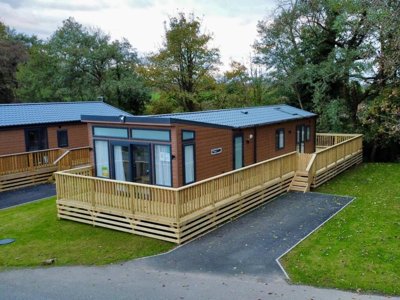
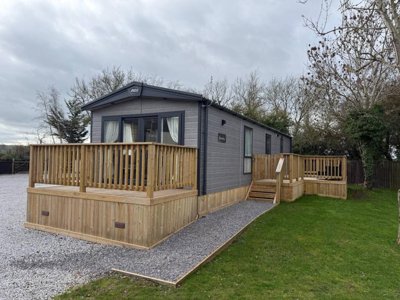
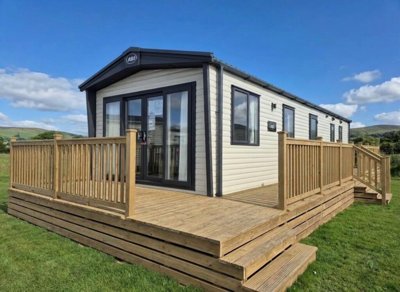
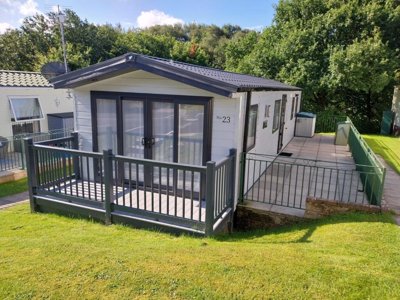
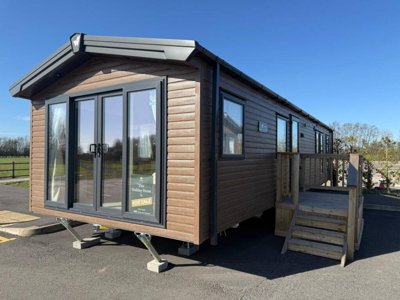
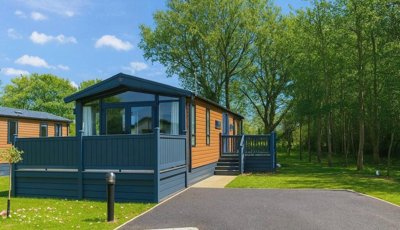
Browse 6 homes new builds in Barton-le-Street from local developer agents.
Across Ryedale, the market around Barton-le-Street has stayed firm, with average house prices up by 1.6% over the past twelve months. That points to continued demand in this attractive rural pocket. Over the same period, properties in Ryedale reached an average price of £500,000, and 1,008 sales were recorded across the district, which shows plenty of activity despite the area's rural feel. We also see consistent interest from commuters based in York who want lower prices than the city, without giving up workable journey times.
Looking at property types, detached homes sit at the top end locally, with an average of £500,000 across Ryedale. Semi-detached homes come in at around £500,000, terraced properties average £500,000, and flats across the district also average £500,000. In Barton-le-Street itself, flats are far less common because this is a village with very few communal schemes. District-wide, the housing stock is made up of 45.4% detached homes, 28.5% semi-detached, 16.7% terraced, and 8.6% flats, and Barton-le-Street is likely to lean even more heavily towards detached housing because of its village setting and larger plots.
Conservation Area status and the presence of listed buildings shape a lot of what comes up for sale in Barton-le-Street, so many homes are older stone buildings that need careful thought around condition and upkeep. We have not verified any active new-build schemes within the Barton-le-Street postcode area, and most newer housing tends to be focused in larger towns instead. For buyers drawn to character, there is plenty to like here, especially traditional homes built in local limestone and sandstone, which give this part of North Yorkshire its distinct look. Our team can talk through what buying a listed property or a home in a Conservation Area really involves before you commit.

Barton-le-Street is small, but it has a clear identity, with a population of approximately 105 residents living across 44 households, according to the most recent census data. Life here feels close-knit, and that still matters. Neighbours tend to know each other, local events help bring people together, and the rural surroundings open out to lovely views across the Yorkshire countryside. The River Rye is nearby, and the North York Moors National Park can be reached within a short drive. In the centre, traditional stone buildings and winding lanes still carry the marks of centuries of continuous habitation.
Housing in Barton-le-Street is mostly traditional in character, with a strong presence of detached and semi-detached homes that reflect the village's historic pattern of development and its generally generous plots. Because the village sits within a Conservation Area, there is real weight behind protecting its architectural heritage, and that helps the streetscape keep much of its older appeal. A large share of homes were built with solid walls, usually in limestone or sandstone, which can offer excellent thermal mass but may need added insulation to meet modern energy efficiency expectations. Day to day, the local economy remains largely agricultural, supported by smaller businesses in the area, while many residents travel to Malton, Helmsley, or York for work.
The wider Ryedale economy gets a lift from tourism, thanks to the area's landscapes, historic sites, and well-known market towns. People living in Barton-le-Street benefit from that wider draw, but without sitting on one of the busier visitor routes. Amenities inside the village are understandably limited because of its size, so most shopping, healthcare, and leisure trips are made to nearby Malton or Helmsley, both within convenient driving distance. Malton, often described as Yorkshire's food capital, has a strong line-up of independent shops, restaurants, and the monthly farmers market. Helmsley adds further practical services, including a health centre and library. What often stands out most, though, is the community spirit, with events through the year helping keep the village welcoming to new arrivals.

For families thinking about a move here, schooling is available in the surrounding area, although options within Barton-le-Street itself may be limited at primary level. The nearest primary schools are generally in nearby villages and smaller towns across Ryedale, and several are rated Good or Outstanding by Ofsted. Catchment areas matter, and in popular rural spots admissions can be competitive, so it is sensible to check both boundaries and performance data before making plans. Primary schools in Malton, approximately three miles away, are among the options, along with village schools in neighbouring communities that may serve Barton-le-Street families depending on exactly where they live.
Secondary pupils usually travel into the district's larger market towns. Schools in Malton and Helmsley serve Barton-le-Street and nearby villages, with Malton School providing comprehensive secondary education and Feversham College in Helmsley covering the wider area. Both offer GCSE and A-Level courses, and students who stay on locally have access to sixth form provision as well. Families interested in grammar school education will need to look to North Yorkshire's selective admission areas, where entry depends on testing and catchment requirements. It is a system worth checking carefully before you settle on a purchase.
Post-16 choices extend further afield, with colleges in York, Malton, and other larger towns offering vocational courses, apprenticeships, and academic qualifications. York is especially useful for breadth of choice, with the University of York, York St John University, and York College all within reach. For families moving to Barton-le-Street, practicalities matter as much as course options, because secondary and further education may involve daily travel into nearby towns. North Yorkshire County Council offers school transport support for eligible pupils who live beyond the specified distance from their nearest suitable school, which can make rural education easier to manage.

Getting around from Barton-le-Street is much what you would expect from a rural village, with most residents relying on private transport. Local roads link the village to the wider Ryedale network and on to neighbouring towns and villages. The A169 runs through the general area, connecting Malton with Whitby and helping open up routes to larger centres. Journeys to York are usually made by road, either via Malton or by country roads towards the A64, and travel times to York city centre are typically around 30 to 45 minutes depending on traffic and the route you choose.
Public transport is thinner on the ground here, as it is in many small villages. Bus links to nearby towns run at reduced frequencies compared with urban services, so for most everyday journeys a car is close to essential. The nearest rail stations are at Malton and York, and York station gives strong onward connections to London, Edinburgh, Leeds, and Manchester via the East Coast Main Line. For flights, Leeds Bradford Airport is the nearest commercial airport, around 50 miles from Barton-le-Street, with domestic routes and a selection of European destinations.
Quiet lanes around Barton-le-Street suit walkers and confident cyclists well, and there are plenty of public footpaths crossing the surrounding farmland. The North York Moors are also easy to reach for time outdoors at the weekend, with well-known routes including the Cockerel Route as well as various bridleways. For people commuting into York or other larger towns, the village still offers a practical daily drive. For others, especially those working from home or travelling flexibly, the setting can be a real draw. Many residents value being able to leave traffic behind and come back to the calm of the Yorkshire countryside each evening.

We can help you explore what is on the market in Barton-le-Street and across the surrounding Ryedale area. It is worth weighing the Conservation Area position on any purchase and getting clear on the kinds of homes that tend to appear here, from traditional stone cottages to period farmhouses. Recent sales evidence and price movements are useful for setting expectations, and the Ryedale averages offer a sensible starting point, although sought-after villages such as Barton-le-Street can achieve prices above the district average.
Before you start viewings in earnest, it makes sense to arrange a mortgage agreement in principle with a lender. Sellers and estate agents will usually see that as proof you are ready to proceed, which can strengthen your position once you make an offer. Our mortgage partners can compare competitive rates and look at options that fit your circumstances, including products suited to rural homes or non-standard construction, both of which can crop up in this village.
Once you have a shortlist, view each property carefully with our estate agents and keep a close eye on condition, especially given the age and historic character of much of the housing here. In stone-built and listed homes, signs of damp, structural movement, or deferred maintenance deserve particular attention. We recommend taking photographs and making notes so you can compare one viewing against another afterwards. A second visit at a different time of day can also tell you a lot about light, traffic, and neighbour activity.
After your offer is accepted, we usually suggest instructing a RICS Level 2 Survey so the property's condition is checked properly. In Barton-le-Street, where the housing stock is older and the Conservation Area status matters, survey costs commonly fall between £400 and £900 depending on size and value. The report can highlight defects often found in traditional homes, including damp, roof problems, timber defects, and possible issues linked to the local geology and shrink-swell risk from clay deposits in the area.
You will also need a conveyancing solicitor to deal with the legal side of the purchase. They handle local authority searches, check title, and oversee the transfer of ownership. In Barton-le-Street, a property inside the Conservation Area may call for extra checks on planning restrictions and any Article 4 directions. Those can reduce permitted development rights in designated areas, so they are worth understanding early.
Once the searches are back, your mortgage is finalised, and everything is in order, contracts are exchanged and your deposit is paid. Completion then usually follows within days or weeks, and that is when you get the keys to your Barton-le-Street home. Our agents can point you towards useful local contacts as you settle in, including tradespeople used to working on traditional stone houses and nearby suppliers for repairs, maintenance, and improvements.
Buying in Barton-le-Street means paying attention to a few factors that often matter less in urban markets. The village's Conservation Area status can restrict alterations, extensions, and changes to a property's exterior, so buyers need to understand that before they commit. Even improvement works may need planning permission from Ryedale District Council, and permitted development rights can be tighter here than they are outside designated areas. In some cases, an Article 4 Direction may place further limits on certain works within the Conservation Area, so we always advise checking the exact position with the local planning authority.
Listed buildings introduce another layer again. Because they are protected for their historic importance, any work that could affect their character or structure needs Listed Building Consent from the local planning authority. That covers alterations, demolition, and even some maintenance tasks. Anyone considering a listed home should allow for higher repair costs and the need for specialist work carried out with suitable materials and methods, so the building's character is respected. If a property has been neglected, the scale of renovation can be substantial, and that can push the true cost of purchase much higher.
Flood risk is not something to ignore, particularly for homes close to the River Rye. Barton-le-Street itself is not classed as a high-risk flood zone, but properties right by the river may still face greater risk during heavy rainfall or periods of high river levels. Environment Agency flood maps are useful for checking the position of an individual property before purchase. Surface water flooding can also affect low-lying ground during intense downpours, and aICS Level 2 Survey will usually flag signs of past flooding or damp issues that could influence your decision.
The local geology matters here. Barton-le-Street sits over Jurassic limestone and sandstone, with clay deposits above, and that combination can create shrink-swell risk for foundations, especially where there are trees or heavy vegetation nearby. Homes with large mature trees are worth inspecting very carefully for signs of subsidence or movement, because clay soils shrink in dry weather and expand again when wet. When we assess properties in areas with shrink-swell risk, our inspectors look closely at crack patterns, the way doors and windows open, and any unevenness in floors. A full RICS Level 2 Survey should pick up foundation concerns and give you a clearer picture of the long-term maintenance issues that local geology can bring.

Precise average price data for Barton-le-Street is not usually published at this level of detail, because property portals tend to roll figures up into wider postcode districts or local authority areas. What we can say is that the broader Ryedale district, which includes Barton-le-Street, has an average property price of £500,000 over the last twelve months. Detached homes average £500,000, semi-detached properties £500,000, and terraced homes around £500,000. Within Barton-le-Street itself, values can vary quite sharply depending on type, condition, and whether a property is listed or sits inside the Conservation Area, with period stone cottages and other character homes often attracting a premium over similar homes in non-designated locations.
For council tax, properties in Barton-le-Street come under Ryedale District Council. Bands run from Band A at the lower end through to Band H for the highest-value homes, and many traditional stone cottages and period houses are likely to sit somewhere in the B to D range depending on size, condition, and value. We recommend checking the exact band for any property through the Valuation Office Agency website or by looking at the council tax details on the listing. Historic homes in Conservation Areas can sometimes have valuation factors that influence banding.
Barton-le-Street does not have its own primary school, so children usually attend schools in neighbouring communities. Across the wider Ryedale area, several primary schools are rated Good or Outstanding by Ofsted, including options serving families from Barton-le-Street in Malton and in nearby villages such as Barton-le-Willows and Wintringham. For secondary education, most families look to Malton or Helmsley, where schools provide GCSE and A-Level courses, and Malton School takes pupils from Year 7 onwards. Catchment areas, admissions policies, and home-to-school distance all matter here, and in popular rural areas places can be competitive.
Transport links are limited, which is typical of a village this size. Bus services do run in the area, but frequencies are lower than on town and city routes, so most residents depend on private transport for daily journeys. Malton is approximately three miles away and has the nearest railway station, with connections into York and the wider network. The nearest railway stations are in Malton and York, and York in particular offers strong services to major cities such as London and Edinburgh via the East Coast Main Line, with London King's Cross usually reached in around two hours. Anyone working in nearby towns should budget for driving, and regular rail commuters into York will also want to think ahead about parking at York station.
For buyers after a quieter rural life, Barton-le-Street has plenty going for it, especially with the North York Moors and established market towns close by. Ryedale prices have risen by 1.6% over the past twelve months, which suggests demand is holding up. The Conservation Area designation and the lack of much new-build supply help preserve the look of the village and support the appeal of existing homes. Its position within reach of York is another draw for commuters who want better value than the city itself can offer. That said, investors should weigh the village's small scale and limited amenities, as those factors may affect rental demand and tenant retention compared with larger towns. Renovation projects can still be interesting, but older stone buildings and listed homes often bring extra cost and complexity.
Stamp Duty Land Tax applies on purchases in Barton-le-Street just as it does across England. On a standard purchase, there is no SDLT up to £250,000, then 5% applies to the slice between £250,001 and £925,000. First-time buyers get relief on the first £425,000, with 5% charged between £425,001 and £625,000. Above £625,000, first-time buyer relief does not apply. So, for example, a first-time buyer purchasing a typical village property at £300,000 would pay no stamp duty at all under the current thresholds, while a second home buyer paying £300,000 for the same property would owe £2,500, worked out as 5% of the £50,000 above the £250,000 threshold.
Because so many homes in Barton-le-Street are older properties, often built before 1919, certain defects appear more often than they do in newer stock. Damp is common where solid wall construction has limited ventilation or poor damp-proofing, and roofs can suffer from worn slates, failing lead flashing, and timber decay. We also regularly watch for woodworm, dry rot, and wet rot in older structural timbers. On clay soils, subsidence or heave can become an issue, especially where nearby trees are pulling moisture from the ground during dry spells. Outdated electrics and plumbing that fall short of current standards also turn up frequently in period homes, which is why a RICS Level 2 Survey is so useful before you commit.
A standard RICS Level 2 Survey can be used on many properties here, including listed buildings, but listed homes often justify a RICS Level 3 Building Survey instead. Their construction methods are different, their historic importance is greater, and any future works are governed by tighter rules. Surveyors need to understand traditional materials, older building techniques, and conservation practice, so the advice they give is appropriate for the property. Our team can arrange a RICS Level 3 Survey for listed buildings, giving you a more detailed review of construction, materials, and defects than a Level 2 report, along with guidance on suitable repair and maintenance.
It is sensible to budget beyond the agreed purchase price, and Stamp Duty Land Tax is often one of the biggest extra costs. For the 2024-25 tax year, standard SDLT rates are zero percent on the first £250,000, five percent on the portion from £250,001 to £925,000, ten percent from £925,001 to £1.5 million, and twelve percent on anything above £1.5 million. In Barton-le-Street, where many properties tend to sit between £200,000 and £500,000, buyers are usually dealing only with the lower bands. In many standard purchases, the price remains below £250,000, so no SDLT is due at all.
First-time buyer relief is more generous, with the nil-rate threshold lifted to £425,000 and five percent charged between £425,001 and £625,000. That can reduce the bill by several thousand pounds compared with standard rates. Once a property goes above £625,000, though, there is no first-time buyer relief available. Given the premium that traditional stone homes and listed buildings in Barton-le-Street can sometimes achieve, it is worth calculating the SDLT position carefully from the agreed purchase price. Investors should also remember that an extra 3% SDLT applies to second homes and buy-to-let purchases.
There are other buying costs to allow for as well. Solicitor conveyancing fees typically range from £500 to £2,000, depending on how straightforward the matter is. A RICS Level 2 Survey in the Ryedale area usually costs between £400 and £900, with higher charges for larger or more complex properties, particularly listed buildings that need closer analysis. An Energy Performance Certificate is compulsory and generally costs around £85 to £150, and a property needing assessment must have that arranged before listing can move ahead. If you are borrowing, mortgage arrangement fees of one to two percent of the loan amount may also apply, although some lenders offer fee-free options. Overall, buying costs often land at around three to five percent of the property value, so we always suggest planning for that from the outset.

From 4.5%
We help buyers find the right mortgage for a Barton-le-Street purchase, including competitive rates suited to rural properties.
From £499
Our conveyancing solicitors can handle a Barton-le-Street purchase from start to finish, including Conservation Area searches.
From £400
Our condition survey is a strong fit for traditional stone properties in Barton-le-Street.
From £600
We often recommend a building survey for listed properties and period homes where a more detailed inspection is needed.
From £85
Every Barton-le-Street property sale requires an Energy Performance Certificate, and we can help arrange it.
Properties New Builds In London

Properties New Builds In Plymouth

Properties New Builds In Liverpool

Properties New Builds In Glasgow

Properties New Builds In Sheffield

Properties New Builds In Edinburgh

Properties New Builds In Coventry

Properties New Builds In Bradford

Properties New Builds In Manchester

Properties New Builds In Birmingham

Properties New Builds In Bristol

Properties New Builds In Oxford

Properties New Builds In Leicester

Properties New Builds In Newcastle

Properties New Builds In Leeds

Properties New Builds In Southampton

Properties New Builds In Cardiff

Properties New Builds In Nottingham

Properties New Builds In Norwich

Properties New Builds In Brighton

Properties New Builds In Derby

Properties New Builds In Portsmouth

Properties New Builds In Northampton

Properties New Builds In Milton Keynes

Properties New Builds In Bournemouth

Properties New Builds In Bolton

Properties New Builds In Swansea

Properties New Builds In Swindon

Properties New Builds In Peterborough

Properties New Builds In Wolverhampton

Enter your details to see if this property is within your budget.
Loans, cards, car finance
Estimated property budget
Borrowing + deposit
You could borrow between
Typical borrowing
Monthly repayment
Est. at 4.5%
Loan-to-value
This is an estimate only. Your actual budget may vary depending on interest rates, credit history, and personal circumstances. For an accurate affordability assessment, speak to one of our free mortgage advisors.
This calculator provides estimates for illustrative purposes only and does not constitute financial advice. Your home may be repossessed if you do not keep up repayments on your mortgage. Estimates based on 4.5% interest rate, repayment mortgage. Actual rates depend on your circumstances.
Homemove is a trading name of HM Haus Group Ltd (Company No. 13873779, registered in England & Wales). Homemove Mortgages Ltd (Company No. 15947693) is an Appointed Representative of TMG Direct Limited, trading as TMG Mortgage Network, which is authorised and regulated by the Financial Conduct Authority (FRN 786245). Homemove Mortgages Ltd is entered on the FCA Register as an Appointed Representative (FRN 1022429). You can check registrations at NewRegister or by calling 0800 111 6768.

We use cookies to show you personalised content and improve your experience of our website. Find out more in our Privacy policy and Cookie policy.