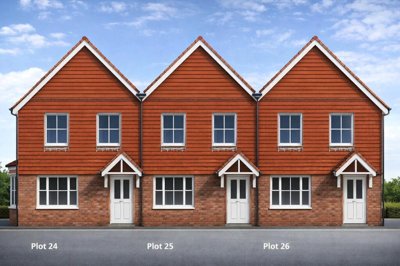
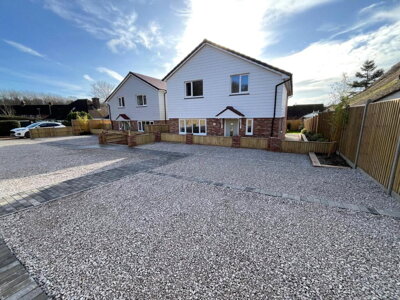
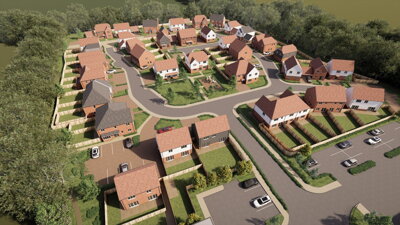
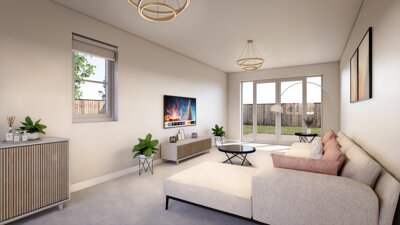
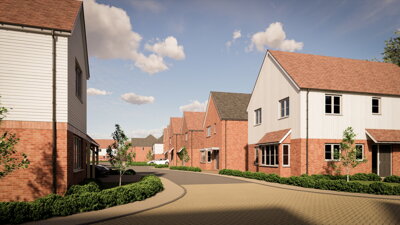
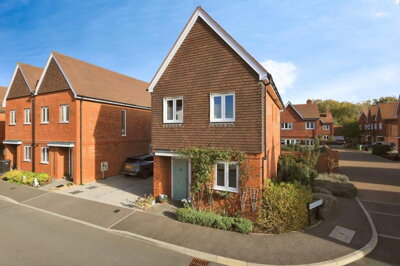
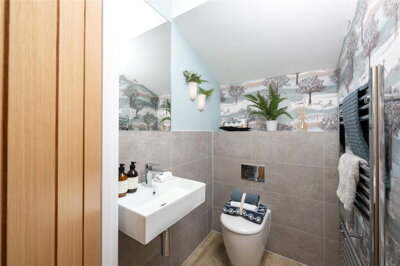
Browse 7 homes new builds in Barcombe, Lewes from local developer agents.
The Barcombe property market offers detached, semi-detached, and terraced houses spanning various price ranges and neighbourhoods. Each listing includes detailed property information, photographs, and direct contact with the marketing agent.
£550k
12
1
105
Source: home.co.uk
Showing 12 results for Houses new builds in Barcombe, Lewes. 1 new listing added this week. The median asking price is £550,000.
Source: home.co.uk
Detached
6 listings
Avg £806,667
Terraced
5 listings
Avg £439,000
Semi-Detached
1 listings
Avg £360,000
Source: home.co.uk
Source: home.co.uk
homedata.co.uk records show a market that is still moving, just at a steadier pace than a few years back. An average price of £510,045 is higher than many people expect for a village, which says a lot about demand in Barcombe for houses with land, gardens and a little more breathing room. Detached sales reach well into the top end, with deals logged at £930,000, £895,000 and even £2,665,000, and that upper limit is usually driven by plot size, setting and condition. It also means buyers can compare anything from a modest terrace to a standout country home.
Semi-detached homes play a big part in the local market, often hitting the point where families gain extra space without stepping up to detached-house values. Over the last year, terraced homes averaged £368,772, which can make them a more reachable way into the village for first-time buyers and downsizers. There has also been a 34% drop from the 2021 peak, so the market is cooler than it was at its hottest and buyers have a better chance to weigh up quality properly. In a place as small as Barcombe, condition, plot, outlook and access often matter more than bedroom count alone.

Barcombe feels like a proper Sussex village, with a rural parish layout and a landscape shaped by the Ouse valley. For many buyers, that is the point. They come here for quieter streets, countryside walks and homes that sit naturally in the local setting rather than in a busy commuter base. Period houses and cottages do appear, which suits people who want character as well as practicality, and familiar rural Sussex details such as brick, flint and timber-style finishes add to the draw, even where build dates differ from one street to the next.
That setting comes with a few checks that catch out buyers used to town property. Plots near the River Ouse and Barcombe Mills may need closer scrutiny for flood risk, so the exact site and nearby drainage routes matter. Ground conditions across East Sussex can vary as well, and clay-rich patches in the wider region sometimes raise shrink-swell concerns for older homes. In practical terms, we would treat the survey and the viewing as part of buying well here, not as box-ticking.
Day to day, village amenities shape the rhythm of Barcombe, but plenty of residents still turn to nearby Lewes for a wider range of services, shopping and dining. That mix works well, village quiet on one side, county-town convenience on the other. Buyers who like walking, cycling and being close to open land often warm to it quickly. For anyone after space, outlook and a strong sense of place, Barcombe fits neatly.
Families moving here often start with the village and then widen the net across Lewes and the wider East Sussex schools network. Because Barcombe is a small parish, school choice is usually shaped more by catchment boundaries, transport links and the child’s age than by a long list of schools in the village itself. We always suggest checking admissions maps early if a particular primary or secondary route matters to you. A mortgage agreement in principle can also strengthen your position in a popular school area, as sellers often want to see that a buyer is ready to proceed.
There is no single best school in a move like this, only the one that suits the family’s route, timetable and catchment position. For primary years, the daily run is often the main concern. By secondary stage, buyers are more likely to focus on bus links, travel time and sixth-form options across the district. It is sensible to read Ofsted reports and admissions pages alongside the map, because a village address can sit near one catchment and still fall outside it. If education is driving the move, Barcombe rewards careful searching before we line up viewings.
Our advice is straightforward, keep the school run in mind while you look at the floor plan. A family house in the right spot can feel far more valuable if it saves ten or fifteen minutes each morning. That matters in rural East Sussex, where roads, bus timetables and seasonal traffic can affect the trip more than the postcode suggests. Buyers who check the route as carefully as the house usually make stronger long-term decisions.

Barcombe makes more sense as a road-led village than as a rail-first commuter spot. Most everyday journeys begin on the surrounding lanes and then head out towards larger centres, with Lewes usually acting as the main hub for onward links. Because of that, the exact address carries weight, access to main routes, parking at home and the condition of local roads all feed into the routine. Anyone working fixed hours should try the journey at the time they would actually travel, not only on a quiet Saturday.
Public transport still has a place, but rural timetables are rarely as frequent as urban ones. Bus services can help with school runs and occasional trips, while most rail journeys are planned from Lewes rather than from within Barcombe itself. Some local cycling journeys work well too, though country lanes call for confidence and good visibility. For buyers with commuting high on the list, the village tends to suit those who are comfortable with a calmer rhythm and a little forward planning.
Parking is one of those details we would check properly at viewing stage. Village houses can come with narrow drives, limited on-street space or access that feels fine until more than one car is involved. Looking at evening and weekend parking often tells you more about real-life practicality than a daytime visit does. For plenty of buyers, it matters every bit as much as the bedroom number.
We would start by comparing Barcombe homes with stock in nearby Lewes and the surrounding villages, so you can judge where the value sits and which property type matches your budget.
Before we book serious viewings, it makes sense to have a mortgage agreement in principle in place, because sellers in a smaller market often favour buyers who can move quickly.
Take time over plot size, access, parking, noise from nearby roads and the age of the property, as those points can make a real difference to day-to-day comfort in a rural village.
For older cottages, period homes and properties that might need roof, damp or structural checks, a RICS Level 2 survey is often especially useful.
We would choose a conveyancer early, so searches, title checks and questions around flood risk, rights of way or boundaries can begin without delay.
Once the legal side is complete, the next step is to agree the exchange date, organise removals and have the deposit and funds ready for completion day.
Within Barcombe itself, location is the first thing we would pin down. Homes near the river, the lower ground and older drainage routes can feel very different from houses on higher or better-drained plots. Near the River Ouse and Barcombe Mills, fluvial flooding is the main environmental issue to review, so ask for the seller’s forms, the solicitor’s search results and any flood history available. With older homes, we would also watch for damp, roof wear, timber issues and signs of movement, all common inspection points in period village stock. A RICS Level 2 survey can easily pay for itself if it picks up problems before they become expensive repairs.
Planning and legal points need proper attention as well, particularly where a property sits in a conservation setting, includes listed features or has been altered over time. The research pack does not confirm a named conservation area in Barcombe, so we would check with the agent and the local authority rather than assume the position is simple. For flats and converted buildings, lease length, ground rent and service charge all need reviewing, while houses may still raise questions around boundaries, shared access and unadopted roads. In a small rural market, details like these can influence resale value as much as the building itself.
Construction is another area worth slowing down for, because East Sussex homes can sit on very different ground conditions from one lane to the next. Clay content, older foundations and past extensions can all affect how a property performs over time. If we were buying a character cottage, we would want the surveyor to look carefully at ventilation, chimney breasts, pointing and rainwater goods. Buyers who stay focused on these practical points often end up in a home that works for them for longer.

homedata.co.uk records put the average house price in Barcombe over the last year at £510,045. Semi-detached homes averaged £538,300, and terraced homes came in at £368,772. Prices were also 15% lower than the previous year and 34% below the 2021 peak of £774,188, which points to a market that has eased back from its highest point. For buyers, that can mean a clearer chance to compare condition and value with a bit more care.
Council tax bands differ by property, since the band follows the home itself rather than the village name. Barcombe falls within the Lewes district, so the final charge depends on the exact address and on the local council precepts attached to it. We would always check the band shown on the listing and then confirm it with the local authority before setting a budget. That is particularly helpful when comparing a cottage, a family house and a converted flat.
The right school choice here usually comes down to age, catchment and transport, because Barcombe is a small village and there are only a limited number of schools immediately nearby. Many families begin with village primary options and then broaden the search to Lewes and the surrounding East Sussex secondary schools. Before making an offer, check the current admissions map and recent Ofsted reports, as boundaries can alter the answer from one street to the next. If schooling is the main driver, a local agent can help test the route from the exact house.
Travel in Barcombe is more about roads and practical local journeys than dense rail provision. Lewes is the main nearby hub for wider rail links, and bus services are generally thinner than they are in town centres. So journey times can shift more than buyers expect, especially outside the main commuter peak. Anyone relying on public transport each day should try the route before committing to a purchase.
It can be a good buy, especially for people drawn to lifestyle demand, village character and a long-term ownership horizon. The average price is down from the 2021 peak, which may give buyers a better entry point than they had a few years ago. Even so, small village markets are usually slower and more selective than larger towns, so this is often better suited to patient buyers than to quick-flip plans. Homes with good gardens, parking and strong presentation are usually the easiest to hold and resell.
At the current average price of £510,045, a standard purchase by an existing buyer would usually bring a stamp duty bill of about £13,002.25 under the 2024-25 thresholds. On that same price, first-time buyers who qualify for relief could pay about £4,252.25, because the first £425,000 is taxed at 0% and the remainder at 5%. A second home or investment purchase is different again, so we would want a solicitor or mortgage adviser to run the exact figures. It is best to build the tax into the budget before offers start going in.
Yes, particularly for properties closer to the River Ouse and Barcombe Mills. The research points to higher fluvial flood risk in those lower-lying areas, so the exact plot matters just as much as the postcode. We would always review the property forms, the searches and the survey comments before exchange. A house can look ideal during a viewing and still call for closer due diligence if it sits near watercourses.
Semi-detached homes and characterful village houses tend to suit this market well, while terraced homes can provide the lower entry point. Detached houses reach much higher prices where they come with land, a strong setting or particularly polished presentation. Buyers often place real value on space, gardens, parking and period detail, especially when they are moving out of town. If that sounds familiar, Barcombe offers a solid mix to weigh up.
Stamp duty is one of the largest costs to plan for, and once the price band is clear the current thresholds make the calculation fairly direct. For 2024-25, the rate is 0% up to £250,000, 5% from £250,001 to £925,000, 10% from £925,001 to £1.5 million and 12% above that level. First-time buyers get relief up to £425,000, then pay 5% on the portion between £425,001 and £625,000, with no relief above £625,000. So at Barcombe’s average price, the asking price is only part of the purchase budget.
Using the average sold price of £510,045 as a guide, an existing owner-occupier would usually pay about £13,002.25 in stamp duty. A first-time buyer who qualifies for relief would usually pay about £4,252.25 on the same figure. Once mortgage fees, survey costs, solicitor charges and removals are added, the full cost of moving is much easier to see. We find that planning those numbers early keeps a search realistic and helps buyers act with more confidence when the right Barcombe home comes up.
Properties New Builds In London

Properties New Builds In Plymouth

Properties New Builds In Liverpool

Properties New Builds In Glasgow

Properties New Builds In Sheffield

Properties New Builds In Edinburgh

Properties New Builds In Coventry

Properties New Builds In Bradford

Properties New Builds In Manchester

Properties New Builds In Birmingham

Properties New Builds In Bristol

Properties New Builds In Oxford

Properties New Builds In Leicester

Properties New Builds In Newcastle

Properties New Builds In Leeds

Properties New Builds In Southampton

Properties New Builds In Cardiff

Properties New Builds In Nottingham

Properties New Builds In Norwich

Properties New Builds In Brighton

Properties New Builds In Derby

Properties New Builds In Portsmouth

Properties New Builds In Northampton

Properties New Builds In Milton Keynes

Properties New Builds In Bournemouth

Properties New Builds In Bolton

Properties New Builds In Swansea

Properties New Builds In Swindon

Properties New Builds In Peterborough

Properties New Builds In Wolverhampton

Enter your details to see if this property is within your budget.
Loans, cards, car finance
Estimated property budget
Borrowing + deposit
You could borrow between
Typical borrowing
Monthly repayment
Est. at 4.5%
Loan-to-value
This is an estimate only. Your actual budget may vary depending on interest rates, credit history, and personal circumstances. For an accurate affordability assessment, speak to one of our free mortgage advisors.
This calculator provides estimates for illustrative purposes only and does not constitute financial advice. Your home may be repossessed if you do not keep up repayments on your mortgage. Estimates based on 4.5% interest rate, repayment mortgage. Actual rates depend on your circumstances.
Homemove is a trading name of HM Haus Group Ltd (Company No. 13873779, registered in England & Wales). Homemove Mortgages Ltd (Company No. 15947693) is an Appointed Representative of TMG Direct Limited, trading as TMG Mortgage Network, which is authorised and regulated by the Financial Conduct Authority (FRN 786245). Homemove Mortgages Ltd is entered on the FCA Register as an Appointed Representative (FRN 1022429). You can check registrations at NewRegister or by calling 0800 111 6768.

We use cookies to show you personalised content and improve your experience of our website. Find out more in our Privacy policy and Cookie policy.