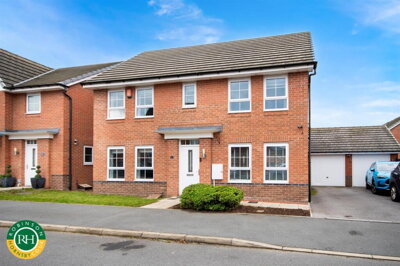
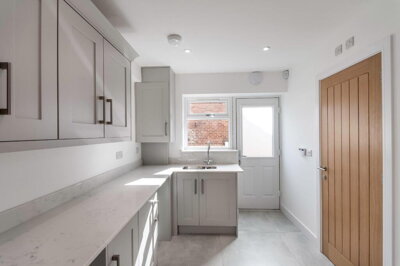
Browse 2 homes new builds in Austerfield, Doncaster from local developer agents.
The Austerfield property market offers detached, semi-detached, and terraced houses spanning various price ranges and neighbourhoods. Each listing includes detailed property information, photographs, and direct contact with the marketing agent.
£502k
6
1
121
Source: home.co.uk
Showing 6 results for Houses new builds in Austerfield, Doncaster. 1 new listing added this week. The median asking price is £502,000.
Source: home.co.uk
Detached
5 listings
Avg £639,800
Terraced
1 listings
Avg £165,000
Source: home.co.uk
Source: home.co.uk
£317,500
Average Property Price
7%
Annual Price Growth
551
Village Population
30.3%
Properties with 4+ Bedrooms
Austerfield's property market gives buyers plenty of choice, whatever their budget or wish list. Our data puts the overall average house price at £450,900 from recent transactions, with detached homes sitting at around £586,500. Semi-detached properties are more accessible at approximately £182,500, while terraced homes average £250,000, which suits the village's traditional housing stock. That mix makes Austerfield appealing to buyers who want good space without paying the higher prices seen in larger regional centres.
Across the wider Bawtry and Austerfield area, the housing stock is dominated by whole houses or bungalows, which make up 90.9% of homes, and 30.3% have four or more bedrooms, double the Doncaster average of 16%. That points to a market built around larger family properties. In the wider Doncaster area, the split is 31.5% semi-detached, 23.2% detached, 23.2% terraced and 21.7% flats or maisonettes, although flats in Austerfield itself average around £250,000 according to Liveable data.
Market activity has stayed fairly lively in this South Yorkshire village. homedata.co.uk records an average sold price of £450,900 in Austerfield over the past twelve months, which suggests buyers continue to value the area. Village character, older buildings and access to nearby employment centres have helped support prices through changing market conditions. Looking ahead, Albemarle Homes is planning a major scheme on the former Bawtry Carbon Plant site, with approximately 267 energy-efficient homes ranging from two to five bedrooms, plus a 66-bed care home and community facilities.
For anyone weighing up an investment here, the Albemarle Homes scheme is a meaningful boost to local supply and may shape demand patterns in the years ahead. The public consultation ran from May 7 to May 30, 2025, and the finished 32-acre brownfield site will bring modern homes that should appeal to a broad mix of buyers. We can see why that would matter to families looking for new-build options without leaving the village setting.

It helps to know what sort of homes Austerfield has before starting a search. The village includes properties from several eras, from houses dating to the 16th and 17th centuries through to post-war builds and newer schemes. Nationally, properties built before 1919 account for 23% of the older stock, and Austerfield's 11th-century buildings and manor houses from the late 1500s and early 1600s show there is a substantial heritage presence here.
Austerfield's construction styles reflect the village's long history. Older homes such as The Manor House were built with timber frames and later brick infill, a method widely used in Yorkshire during the 16th and 17th centuries. Late Victorian buildings, including the village primary school built in 1882, tend to have solid brick walls and period details such as sash windows and original fireplaces. Homes built post-1980 bring more modern materials and methods, so their upkeep needs differ from the older stock.
On inspections in Austerfield, our surveyors often find a familiar set of issues linked to the local housing stock. Traditional brick homes built before modern building regulations can show penetrating damp, especially where original lime mortar has been replaced with cement, which stops walls breathing properly. Timber-framed properties need close attention for woodworm and rot in structural timbers, particularly where later extensions have reduced ventilation. Roofs on older homes also need careful checking, as ridge tiles and flashings may have worn down after years of South Yorkshire weather.
Life in Austerfield centres on community spirit and the calmer pace that comes with rural South Yorkshire. Austerfield Village Primary School, built in 1882, still serves local families and helps keep the village close-knit, with neighbours often knowing one another. The wider Bawtry and Austerfield area is relatively affluent compared with much of Doncaster, and larger family homes with four or more bedrooms are a noticeable feature. The village pub gives residents a traditional meeting point, while local events through the year draw people together around the area's heritage.
Doncaster offers a good spread of amenities within easy reach, from shopping and healthcare to leisure facilities. The town has changed a great deal since coal mining declined in the 1970s and 1980s, and its economy is now much more service-led. Horse racing and the railways still shape its identity, while places such as the Frenchgate Centre provide modern retail options. For people living in Austerfield, that makes the village a strong base, quiet at home, but still close to work, education and entertainment.
The British Geological Survey notes that clay-rich soils are common across the region, and that has long influenced local building practice as well as present-day property risk. Clay expands in wet weather and shrinks when it dries out, which can lead to movement in homes with shallow or poor foundations. That shrink-swell behaviour is a serious geohazard across the UK, and climate change forecasts suggest the risk will rise as weather becomes more extreme. We always advise buyers commissioning surveys in Austerfield to ask specifically about foundation conditions, especially in properties built before 1950. The village sits away from major flood zones, with GOV.UK indicating very low flood risk for the area, though surface water risk should still be checked with the local council before any purchase.

Austerfield Village Primary School sits at the centre of local education, with roots going back to 1882. It offers primary education for children in the village and nearby rural areas, and families often value the small-community feel that comes with a local school. That makes the village especially appealing to buyers with young children, since the school runs close to home rather than requiring a long daily commute. Parents thinking about a move should check current performance data and catchment boundaries directly, because both can affect house values and admission prospects.
For secondary education, families usually look to nearby towns, with Doncaster offering a mix of grammar schools and comprehensive options. The town's secondary school landscape includes several long-established institutions, each with different strengths and performance profiles. Doncaster College, along with other further education providers, serves older students looking for vocational routes or higher education. South Yorkshire also gives families access to faith schools and schools with particular academic or vocational specialisms.
Families moving to Austerfield should look closely at admission rules and transport arrangements, since daily travel to secondary schools in surrounding towns needs to be built into family life and household routines. School buses may be available, although some households will need to organise private transport. Depending on the part of the village and the policies of nearby schools, properties can fall into different catchment areas. We would always check Ofsted ratings alongside admission criteria when assessing homes for families with school-age children.

Austerfield benefits from transport links that make commuting to major employment centres realistic while still living in a village. The village sits close to the A1(M) corridor, giving straightforward road access to Leeds, Sheffield and Nottingham. The M18 is also close by, linking the area to the wider motorway network and making journeys to Robin Hood Airport Doncaster Sheffield simpler, with both domestic and international flights available. That connectivity has helped Austerfield appeal to commuters who want access to regional business hubs without moving into a town or city.
Bus services link Austerfield with nearby towns and villages, while railway stations in the area connect to the national network. Doncaster railway station runs direct trains to major cities including London, Edinburgh, Birmingham and Bristol, and frequent services to London King's Cross take around two hours. The station has seen major redevelopment in recent years, which has improved both facilities and the passenger experience. For flights, Robin Hood Airport is an easy drive away and offers domestic and European routes from its site near Doncaster.
For day-to-day commuters, it is worth remembering that the quality of those links still depends on journey times and train or bus schedules. Traffic on the A1(M) and M18 shifts through the day, and peak periods can add a fair amount of time to a trip. We recommend that buyers with regular commuting plans test the route at normal working hours before they commit. Road, rail and air links together make Austerfield well connected for work and leisure, which is a big part of its appeal.

Start by looking at current listings in Austerfield and getting a feel for what recent sales have achieved. With average prices around £450,900 and annual growth of 7%, local figures give a useful benchmark for setting expectations. It also helps to compare the different property types, from terraced cottages to detached family homes, while keeping in mind the amenities that matter most to your household. homedata.co.uk data showing properties averaging £450,900 in recent sales gives a clear sense of where the market sits.
Before booking viewings, speak to a lender and get a mortgage agreement in principle. It shows estate agents and sellers that you are financially ready, which can strengthen an offer. In the Doncaster area, current RICS Level 2 survey costs range from £395 to £1,250 depending on value and size, so that needs to sit alongside your mortgage, deposit and legal fees. Having finances sorted early also means you can move fast if the right home comes up.
After you have shortlisted homes that fit, arrange viewings and see each property in person. Look closely at the condition, because older village homes may include timber framing or period details that need upkeep. Check for damp, roof wear and any signs of structural concern that might need a building survey. Our inspectors also suggest visiting at different times of day, so you can judge natural light and any noise or traffic issues properly.
For homes over 50 years old, which make up a large part of Austerfield's stock, a RICS Level 2 Homebuyers Survey is strongly advised. Because clay soils are common in the area, the survey should pay particular attention to any shrink-swell movement affecting foundations. Survey costs for a typical three-bedroom home in the Doncaster area average around £375,000, while four-bedroom properties usually cost approximately £436,333. Pre-1919 homes may attract extra charges of 20-40% because their construction is more complex.
After your offer is accepted, instruct a solicitor with South Yorkshire property experience to deal with the legal side of the purchase. They will carry out searches with Doncaster Metropolitan Borough Council, check the title and manage the transfer of ownership. Budget for conveyancing costs of approximately £499 or more, with extra charges likely for leasehold properties or purchases involving a mortgage. If the property is listed, any planned changes need proper consent checked carefully.
Your solicitor will work with the seller's legal team to exchange contracts, and at that point the deposit becomes legally binding. On completion day, the rest of the money is transferred and the keys to your new Austerfield home are handed over. If you are buying a listed building such as The Farmhouse or The Manor House, we would want all necessary consents for planned renovations checked first. Specialist heritage assessments for listed buildings usually add £150-400 on top of standard survey fees.
Buying in Austerfield means weighing up a few area-specific points that can affect the value and use of a property. The village includes listed buildings such as the Grade II* Church of St Helena, The Farmhouse and The Manor House, so nearby homes may sit within the setting of those heritage assets, with possible consequences for permitted development rights and planning. If you are buying a listed building yourself, specialist surveys and Listed Building Consent will be needed for alterations, and heritage assessments may add £150-400. Homes next to listed buildings can also face closer planning scrutiny for external changes.
Because clay soils are so common in South Yorkshire, foundations deserve close attention in Austerfield. The British Geological Survey says clay-rich soils swell and shrink as moisture levels change, and that can lead to subsidence in older homes. When viewing, look for diagonal cracking from window and door frames, floors that slope or bounce, and doors or windows that stick or will not close cleanly, as these can point to movement in the ground. Trees close to a property can make the problem worse, since they draw moisture from the soil, particularly in summer.
Our inspectors often come across the same kinds of defects in Austerfield homes. Damp and moisture issues are common in traditional brick properties where modern cement mortar has replaced original lime pointing and trapped moisture in the walls. Roof problems, including slipped tiles, worn ridge mortar and failing flashings, also turn up regularly in older homes that have not been maintained as they should. Electrical systems in homes built before the 1970s may fall short of current standards and should be checked by a qualified electrician. Timber decay, including rot and woodworm, can affect structural elements where ventilation has been reduced.
We recommend commissioning a RICS Level 2 survey before you commit to buying, especially for properties over 50 years old, which form a sizeable part of Austerfield's housing stock. The survey gives a detailed view of condition, highlights defects that need attention and can help buyers negotiate repairs or a price change with the seller. It is also worth checking drainage and guttering during viewings, since faults there can lead to penetrating damp, which is a familiar issue in traditional brick properties across the region. If the home has a loft, check the insulation, because older houses often have too little and it can be costly to put right.

Austerfield's average house price is currently around £450,900, based on recent sales data from home.co.uk. Detached homes average £586,500, semi-detached properties cost approximately £182,500, terraced homes sell for around £250,000, and flats average £250,000 according to Liveable data. Values have risen by 7% over the last year and sit 13% above the 2022 peak of £281,707, which points to steady demand in this South Yorkshire village. homedata.co.uk reports an average sold price of £450,900 over the most recent twelve-month period, which suggests buyers continue to compete for homes here.
Austerfield properties fall under Doncaster Metropolitan Borough Council for council tax. The band depends on value and is set by the Valuation Office Agency, running from Band A for homes valued up to £40,000 through to Band H for those above £320,000. To check the exact band for any home, you can use the Council Tax band service on the Gov.uk website or ask during conveyancing through local authority searches. The council also provides online tools to check bands and estimated annual charges for properties in the borough.
Austerfield Village Primary School serves the village and nearby areas, and it has been in place since 1882 as a traditional community school for children aged 5-11. It is part of a village education story that stretches back over a century, and many families value the convenience of local schooling in a small setting. For secondary education, residents usually look to Doncaster, where options include grammar schools and comprehensive schools such as Hall Cross Academy and Danum Academy. Doncaster College and other further education providers serve older students. School performance figures and catchment information should be checked directly with schools or on Ofsted's website before making plans.
Local bus routes link Austerfield with nearby towns including Bawtry and Doncaster, which matters for residents without a car. Doncaster railway station gives broad national rail access, with direct services to London King's Cross taking approximately two hours, as well as Leeds, Sheffield, Edinburgh, Birmingham and Bristol. Robin Hood Airport Doncaster Sheffield is also within easy driving distance and offers domestic and European flights. With the village sitting near the A1(M) and M18, road access to Leeds, Sheffield and Nottingham is straightforward, so commuting by car is practical too.
Austerfield has a few points that may interest property investors, not least the planned development of 267 new homes at the former Bawtry Carbon Plant site by Albemarle Homes. That scheme could lift demand as new residents and community facilities arrive. House prices have also shown steady growth at 7% a year, and the village is close to major employment centres in South Yorkshire. Compared with Leeds and Sheffield, prices are relatively affordable, while transport links remain strong, so the area may suit commuters looking for lower property costs. Homes with four or more bedrooms command a premium here, which reflects family demand for space.
From April 2025, Stamp Duty Land Tax is charged at 0% on the first £250,000 of residential property, 5% on £250,001 to £925,000, 10% on £925,001 to £1.5 million and 12% above £1.5 million. First-time buyers get relief on properties up to £625,000, paying 0% on the first £425,000 and 5% from £425,001 to £625,000. With Austerfield's average price at around £450,900, most buyers would pay no stamp duty, which adds to its appeal for first-time purchasers. At that average price, only £200,900 falls into the 5% band, leaving stamp duty at £10,045 for standard buyers.
A major development is planned for Austerfield, with Albemarle Homes proposing to turn the former Bawtry Carbon Plant site into approximately 267 energy-efficient homes, ranging from two to five bedrooms, together with a 66-bed care home and community facilities. The public consultation ran from May 7 to May 30, 2025, and construction is expected to start once planning approval is in place. In neighbouring Beckingham, Willow Paddocks by Albemarle Homes also offers 15 four-bedroom executive homes, giving buyers another new-build option nearby. New-build homes usually need less maintenance and are more energy efficient than older stock, although they often come with a premium.
Clay soils in South Yorkshire mean foundations deserve particular care in Austerfield. The British Geological Survey says clay-rich soils shrink and swell as conditions move from wet to dry, and that can cause subsidence in homes with shallow or weak footings. Diagonal cracks from windows and doors, uneven floors, and sticking doors or windows can all point to movement. Traditional brick homes may show penetrating damp where cement mortar has replaced lime pointing, while timber-framed properties need checks for woodworm and rot in structural timbers. We recommend a RICS Level 2 survey to pick up possible structural issues before you go ahead, especially on homes over 50 years old.
From 4.5%
We provide expert mortgage advice and competitive rates for Austerfield buyers.
From £499
Our conveyancing solicitors know Doncaster property transactions well.
From £395
We arrange a professional survey covering major defects and construction issues.
From £60
We can provide an energy performance certificate for your new Austerfield home.
Getting a clear picture of the full cost of buying in Austerfield is vital for sensible budgeting. On a property priced at the current average of £450,900, most buyers benefit from the standard SDLT threshold of £250,000, so only £200,900 is taxed at 5%, which comes to £10,045. First-time buyers purchasing homes up to £425,000 pay no stamp duty at all, which makes Austerfield's prices especially attractive for anyone taking that first step onto the ladder. Those thresholds can mean very sizeable savings compared with higher-value areas, where homes often exceed £625,000.
There are several other costs to account for when buying in South Yorkshire. RICS Level 2 survey fees in the Doncaster area range from £395 to £1,250 depending on property value and bedroom count, with a typical three-bedroom home attracting costs of approximately £375,000, while larger four-bedroom homes average around £436,333. Properties built before 1919 may attract extra survey charges of 20-40% because of their construction complexity and the chance of hidden defects. Conveyancing fees usually start from £499 for simple transactions, although listed buildings or leasehold purchases can cost much more.
Mortgage arrangement fees of around 0.5% of the loan amount are common, though some lenders do offer fee-free products. Specialist heritage assessments for listed buildings add £150-400 to survey costs, while searches with Doncaster Metropolitan Borough Council usually cost £200-300. Removal costs vary depending on how much needs moving and how far it is going. On a property purchase of £317,500, total additional costs excluding the mortgage and deposit typically fall between £1,500 and £3,000, which keeps the overall transaction reasonably affordable compared with many other parts of the country. We recommend getting quotes from more than one provider so you can compare survey and legal fees properly.

Properties New Builds In London

Properties New Builds In Plymouth

Properties New Builds In Liverpool

Properties New Builds In Glasgow

Properties New Builds In Sheffield

Properties New Builds In Edinburgh

Properties New Builds In Coventry

Properties New Builds In Bradford

Properties New Builds In Manchester

Properties New Builds In Birmingham

Properties New Builds In Bristol

Properties New Builds In Oxford

Properties New Builds In Leicester

Properties New Builds In Newcastle

Properties New Builds In Leeds

Properties New Builds In Southampton

Properties New Builds In Cardiff

Properties New Builds In Nottingham

Properties New Builds In Norwich

Properties New Builds In Brighton

Properties New Builds In Derby

Properties New Builds In Portsmouth

Properties New Builds In Northampton

Properties New Builds In Milton Keynes

Properties New Builds In Bournemouth

Properties New Builds In Bolton

Properties New Builds In Swansea

Properties New Builds In Swindon

Properties New Builds In Peterborough

Properties New Builds In Wolverhampton

Enter your details to see if this property is within your budget.
Loans, cards, car finance
Estimated property budget
Borrowing + deposit
You could borrow between
Typical borrowing
Monthly repayment
Est. at 4.5%
Loan-to-value
This is an estimate only. Your actual budget may vary depending on interest rates, credit history, and personal circumstances. For an accurate affordability assessment, speak to one of our free mortgage advisors.
This calculator provides estimates for illustrative purposes only and does not constitute financial advice. Your home may be repossessed if you do not keep up repayments on your mortgage. Estimates based on 4.5% interest rate, repayment mortgage. Actual rates depend on your circumstances.
Homemove is a trading name of HM Haus Group Ltd (Company No. 13873779, registered in England & Wales). Homemove Mortgages Ltd (Company No. 15947693) is an Appointed Representative of TMG Direct Limited, trading as TMG Mortgage Network, which is authorised and regulated by the Financial Conduct Authority (FRN 786245). Homemove Mortgages Ltd is entered on the FCA Register as an Appointed Representative (FRN 1022429). You can check registrations at NewRegister or by calling 0800 111 6768.

We use cookies to show you personalised content and improve your experience of our website. Find out more in our Privacy policy and Cookie policy.