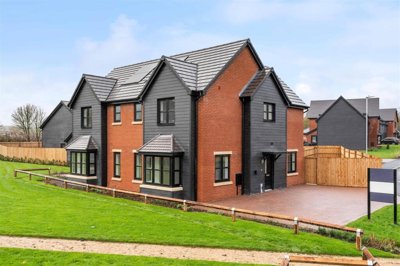
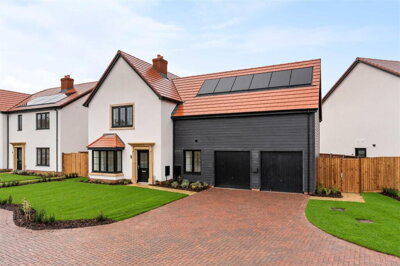
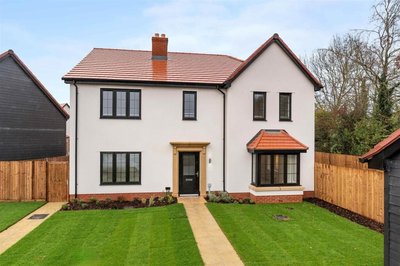
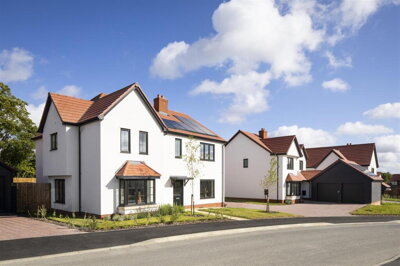
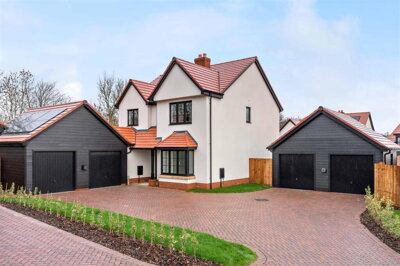
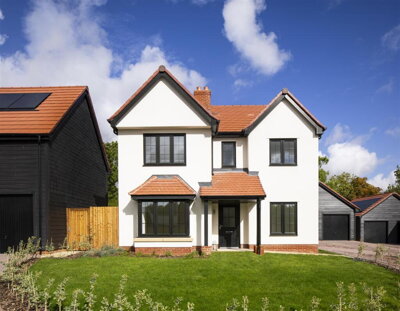
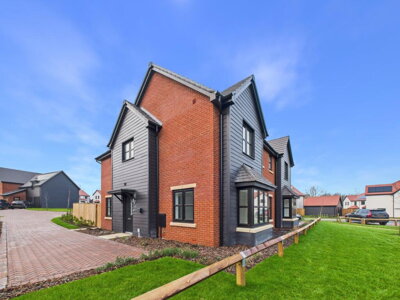
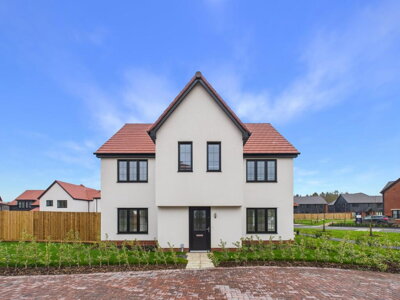
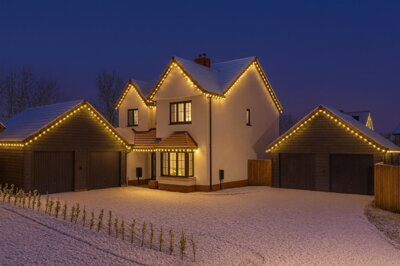
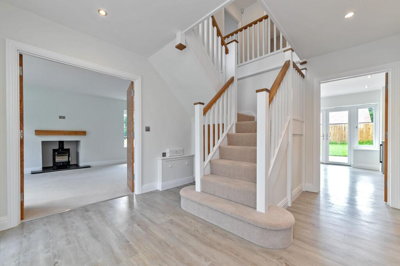
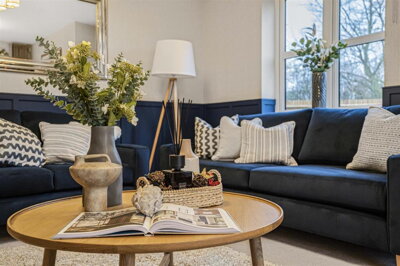
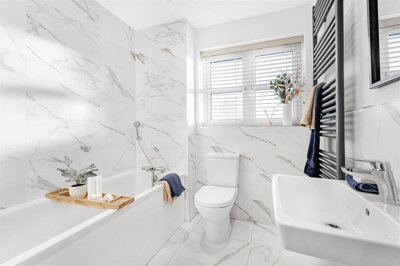
Browse 13 homes new builds in Ashwell, North Hertfordshire from local developer agents.
£625k
37
1
111
Source: home.co.uk
Source: home.co.uk
Detached
14 listings
Avg £1.01M
Semi-Detached
11 listings
Avg £599,091
Terraced
4 listings
Avg £394,999
Cottage
2 listings
Avg £400,000
Park Home
2 listings
Avg £220,000
Apartment
1 listings
Avg £225,000
Barn Conversion
1 listings
Avg £625,000
Flat
1 listings
Avg £190,000
Village House
1 listings
Avg £875,000
Source: home.co.uk
Source: home.co.uk
Ashwell's property market is shaped by the village's sought-after setting and the steady pull of character homes in North Hertfordshire. homedata.co.uk records show an average house price of £554,088 over the last twelve months, and detached homes sit at the top end with an average of £777,333. Semi-detached properties generally change hands at around £501,889, while terraced homes average approximately £499,256. Taken together, those figures point to the premium buyers attach to Ashwell's period housing, and to the appeal of getting space and character without stepping up to the pricing seen in larger towns.
New build choice in Ashwell is still fairly limited, but there are a few schemes worth knowing about. On Station Road, Senuna Park by Matthew Homes includes 3, 4, and 5 bedroom houses starting at £825,000, and First Garden Cities Homes offers shared ownership from £132,125 for a 35% share of a two-bedroom home. Smaller sites are also coming through the planning system, including Land North of Ashwell Street and Green Lane, which points to gradual growth in the village's housing stock. Price movement over the last year has not been one-way, some reporting suggests rises of around 11%, while other reporting shows a correction from earlier highs, which looks more like a market settling after recent volatility.

Life in Ashwell has a very particular feel, rooted in heritage, a sociable community, and amenities that cover the practical day-to-day. The historic High Street forms the centre, lined with timber-framed buildings from medieval times and elegant 17th-century brick houses. St Mary, a Grade I listed flint and stone church dating from the 14th century, gives the village one of its defining landmarks. For everyday needs, there is a nursery, doctors surgery, dental practice, pharmacy, general store, butchers, bakers, coffee shop, and several public houses, so residents do not need to rely on larger towns for the basics.
Ashwell sits on the spring line at the base of the chalk scarp, and that geology has done a lot to shape both the landscape and the way the settlement grew. To the north are broad, level farmed fields. To the south, the chalk escarpment rises and gives the village its backdrop as well as good walking country. The local Neighbourhood Plan describes Ashwell as a thriving parish and supports incubator and flexible start-up business space, which helps maintain a measure of economic self-sufficiency alongside its residential appeal. Growth has been steady too, with the village increasing by 9.2% between 2011 and 2019, and 116 units built or granted planning permission in the previous decade.
Village life in Ashwell is kept busy by a long list of clubs, societies, and annual events, so there is usually something drawing people together. For many families, the primary school is a natural focal point. The Ashwell Museum on Swan Street adds another layer, keeping the village's history visible and well told. Footpaths spread out from the centre into the surrounding countryside, making the most of the varied geology and chalk scenery, and for anything beyond the village itself, Royston offers extra shops, supermarkets, and rail services, while Baldock and Hitchin widen the choice again within a short drive.

Primary education in the village revolves around Ashwell Primary School, a community school for children from Reception to Year 6. It sits within Ashwell itself and serves a defined catchment that covers the surrounding rural parishes. For many households, that means the school is within walking distance of most village homes, which can remove the need for daily school transport. There is also nursery and childcare provision in the village, giving families with very young children a local option from the outset.
For secondary schooling, most Ashwell families look towards Baldock, Royston, and Hitchin, with school bus services linking the village to those nearby market towns. We always suggest checking each school's performance, Ofsted ratings, and admissions arrangements carefully before deciding what best suits a child's needs. The Ashwell Neighbourhood Plan also highlights the value of keeping educational facilities in place for the local community. After that, sixth form and further education generally mean travelling to Baldock, Hitchin, or Cambridge, and the available public transport links help with those trips.

Getting in and out of Ashwell is relatively straightforward, which is one reason the village remains attractive to commuters. The closest mainline station is at Royston, roughly 3 miles from the village centre, with regular trains reaching Cambridge in about 20 minutes and London King's Cross in approximately 45 minutes. That makes daily travel workable in both directions, whether work is in Cambridge's academic and technology base or in London's financial and professional services core. Stagecoach bus routes also connect Ashwell with Baldock, Royston, and nearby villages, offering an alternative to the car for commuting and shopping.
By road, Ashwell is served by the A507, which runs through the village and links onwards to the A10 at Royston and the A1(M) at Baldock. That network puts Cambridge, Stevenage, and the wider London commuter belt within reach. Cyclists have plenty of choice too, both for leisure rides across the surrounding countryside and, for the more committed, journeys into nearby towns. Parking in the village is usually reasonable for a settlement of this size, although spaces can be tighter at busy times and during village events.

The Ashwell Conservation Area was first designated in 1968, then extended in 1978 and 1986, and it covers most of the historic village core. Its boundary runs from Hinxworth Road and Newnham Way in the west across to Station Road in the east, including properties on Back Street and Silver Street and curving around the primary school and Ashwell Street. Inside that area are 78 listed buildings, from the Grade I listed Church of St Mary, built in 14th-century flint and stone, to many Grade II buildings scattered through the older lanes. Notable examples include Guild House on the High Street, the Grade II* Rose and Crown Public House, and Town House on Swan Street, now home to the Ashwell Museum.
The village's building fabric tells its history clearly. Timber-framed houses dominate parts of the High Street, often with exposed close studding and jettied upper floors, while brick buildings begin to appear from the 17th century onwards, commonly in short terraces on High Street and Mill Street. Later 19th-century brick terraces are especially noticeable on Back Street, Silver Street, and the northern end of Kingsland Way. Across Ashwell, roofs are usually ceramic tile or slate, though some older buildings still retain thatch. Within the Conservation Area, alterations need planning permission from North Hertfordshire District Council, and listed buildings also require Listed Building Consent.
Heritage in Ashwell goes well beyond the better-known buildings. The parish contains seven scheduled monuments, including the Iron Age hillfort at Arbury Banks, and Ashwell Bury is recognised as a Registered Park and Garden. Anyone buying here is not just choosing a house, they are stepping into the care of a place with real archaeological, architectural, and historic importance.
Ashwell's position on the chalk escarpment has left a strong mark on both its scenery and its built form. The village lies on the spring line, where water filtered through porous chalk emerges at the foot of the slope as springs. On Claybush Hill, boulder clay laid down at the end of the Ice Age reaches 99.1 metres, creating a clear contrast in soil conditions across the parish. The escarpment soils are light, free-draining, and easy to work, whereas Claybush Hill carries wetter, heavier ground. All soils in Ashwell are alkaline, which has a bearing on planting choices in gardens and on how building materials weather over time.
Across the South East, including North Hertfordshire, clay soils can create real issues because of shrink-swell behaviour. As moisture levels rise and fall, clay-rich ground expands in wet conditions, causing heave, and contracts in dry periods, causing subsidence. Homes on Claybush Hill, where boulder clay is present, may be more exposed to that kind of movement. Climate change is expected to increase shrink-swell hazards in susceptible locations. Signs we look out for include large diagonal cracks, sloping or uneven floors, and doors or windows that stick or fail to close properly, and a thorough survey should show whether there is evidence of past or continuing movement.
Surface water flooding is a known issue in parts of Ashwell, especially the western end of the High Street and West End. Back Street, Bear Lane, Church Lane, and Hodwell have also experienced flooding from time to time. The Environment Agency flood maps, together with the Ashwell Neighbourhood Plan, show areas falling within Flood Zones 2 and 3, where flood hazard is classed as moderate to high. Homes in those areas can face added planning considerations and may not find standard insurance as straightforward to obtain. We recommend checking the Environment Agency online flood risk maps against any specific address and allowing for any flood resilience work in both the purchase decision and renovation budget.
Before starting a search in Ashwell, we recommend speaking to a mortgage broker or direct lender and securing an agreement in principle. It gives estate agents and sellers evidence that finances are in order when an offer goes in, and it also helps frame the search around a realistic borrowing limit in a village where average values are above £500,000.
It pays to do the groundwork early. We suggest reviewing recent sales data from different sources to get a feel for pricing, spending time in different parts of the village from the historic High Street to newer schemes such as Senuna Park, and checking practical local issues too, including Environment Agency flood risk areas and any Conservation Area controls that could affect a purchase or later alterations.
Once a shortlist is taking shape, viewings are the point where we can really assess both the property and its setting. Notes and photographs help when comparing homes later, and in Ashwell it is sensible to pay close attention to damp, the condition of the roof, and any cracking that could hint at structural movement linked to the local clay geology.
Before exchange, we strongly advise arranging either a RICS Level 2 or Level 3 survey so any structural issues or defects are identified properly. In Ashwell, that matters even more because there are so many period houses, timber-framed buildings, and homes inside the Conservation Area. Properties more than 50 years old often come with issues such as damp, ageing electrics, and possible subsidence, and a professional survey is the best way to bring those into the open.
We also recommend choosing a solicitor with experience of local transactions to deal with searches, contracts, and title registration. Familiarity with North Hertfordshire District Council requirements and the obligations that come with the Conservation Area can make the process smoother, particularly for homes inside Ashwell's designated boundaries.
Once the legal work is complete and mortgage funds are ready, contracts are exchanged and a completion date is fixed. On the day of completion, the keys to the new Ashwell home are released. Buildings insurance should already be in place from exchange, and that is especially important with period property where structural risks can call for more specialist cover.
Buying in Ashwell means looking beyond the asking price and taking a view on several local issues that can affect both suitability and long-term costs. Flooding is one of the main ones. The western part of High Street, West End, and sections of Back Street, Bear Lane, Church Lane, and Hodwell have all seen periodic surface water flooding, and both the Environment Agency flood maps and the Ashwell Neighbourhood Plan identify land within Flood Zones 2 and 3. That can bring planning implications and insurance complications, so we advise reviewing those sources carefully and allowing for any resilience work before committing.
Most of Ashwell sits inside the Conservation Area, first designated in 1968 and extended later, and that status places controls on alterations, extensions, demolition, and even certain forms of external paintwork. Anyone thinking ahead to future works should expect to seek planning permission and, in some cases, Listed Building Consent from North Hertfordshire District Council. There are 78 listed buildings in the village, from Grade I St Mary's Church to a wide spread of Grade II properties, and each can come with its own requirements for maintenance methods and approved materials.
Ashwell's geology is another factor we would weigh carefully. Its position on the chalk escarpment, combined with boulder clay deposits, means some homes may face risks linked to ground movement. The South East is well known for shrink-swell issues in clay soils, where changing moisture levels make the ground expand and contract, which can affect foundations and structural stability over time. A detailed survey from a qualified RICS surveyor should pick up signs of movement or subsidence, while the solicitor can check whether earlier problems have been recorded. That matters because Ashwell's housing stock is so varied, spanning medieval timber-framed buildings, 19th-century brick terraces, and post-war homes, each with its own typical defects and maintenance demands.

Ashwell's housing stock is notably mixed, from medieval timber-framed cottages to 19th-century brick terraces and post-war estates, so defect patterns vary a lot from one street to the next. On the High Street, timber-framed properties often show the effects of age-related movement as the frame has settled and adjusted over centuries, and exposed timbers need checking for rot or beetle attack. Many of these buildings have close studding and jettied upper floors, and those structural features can sometimes deflect over time, leaving uneven floors or walls that run slightly out of line, points a surveyor will need to judge in context.
Later 19th-century brick terraces on Back Street, Silver Street, and Kingsland Way tend to bring a different set of concerns, many of them typical of Victorian construction. Insulation is often poor, electrics may be dated, sometimes with aluminium wiring or older fuse boards, and original cast iron or lead drainage can also become an issue. Damp is common where an original damp-proof course has failed or was never installed, leading to penetrating or rising damp in the walls. Roofs are usually slate or tile, and after 80-100 years of service they may be approaching the point where renewal is needed.
Post-war and later homes need their own reading as well. The Dixies Close development, for example, used the Airey construction system, and Airey houses can usually be recognised by their pre-cast concrete columns and timber cladding. Those properties are known to have potential vulnerabilities, including issues with the concrete columns and with the strength of the connections. We would want any buyer considering one to use a surveyor who knows these construction types well. Homes added from the 1980s onwards often show fewer structural concerns, though they can still present issues tied to the building standards of their period.
Recent pricing gives a fairly clear sense of where Ashwell sits in the local market. home.co.uk listing data puts the average at about £513,345, while homedata.co.uk records a slightly higher average of £554,088 over the last twelve months. Detached homes lead the market at around £777,333 according to homedata.co.uk, with semi-detached properties averaging roughly £501,889 and terraced homes around £499,256. Those values reflect a combination of North Hertfordshire location, period housing with genuine heritage character, and commuter demand from both Cambridge and London, with the strongest premiums often attached to original features and Conservation Area positions.
For council tax, homes in Ashwell fall within the North Hertfordshire District Council banding system from Band A to Band H, based on 1991 values. Many family houses sit in the middle range, typically C through E, although larger detached homes, properties with substantial extensions, or especially desirable spots on the historic High Street can push into higher bands. The exact band can be checked using the property address or council tax reference number on the Valuation Office Agency website.
Education is a practical strength for the village. Ashwell Primary School covers Reception through to Year 6 and is the main school within Ashwell itself, with a catchment that also serves the surrounding rural parishes. That gives the village a clear centre for younger families. For secondary places, most households look towards Baldock, Royston, and Hitchin, reached by school transport services, and we would always advise comparing Ofsted ratings, exam results, and admissions criteria before making a decision. Nursery and childcare provision is also available locally for pre-school children.
Despite its rural setting, Ashwell connects well. Royston station, about 3 miles away, is the nearest mainline stop, with direct trains to Cambridge in around 20 minutes and London King's Cross in approximately 45 minutes. Through the day, Stagecoach buses link the village with Baldock, Royston, and surrounding settlements. By car, the A507 gives straightforward access to the A10 at Royston and the A1(M) at Baldock, tying Ashwell into Cambridge, Stevenage, and the wider region.
From an investment angle, Ashwell has a lot working in its favour, a desirable North Hertfordshire location, dependable links to Cambridge and London, and a limited supply of period homes inside the Conservation Area. Its heritage setting, useful local amenities, and established community atmosphere keep it attractive to owner-occupiers, which tends to support long-term demand. Investors do need to balance that against the realities of listed buildings and Conservation Area controls, since maintenance obligations and planning restrictions can affect day-to-day management and may call for specialist trades. Senuna Park also widens the range a little, with homes across different price levels and shared ownership options for buyers bringing smaller deposits.
For 2024-25, Stamp Duty Land Tax on residential purchases is charged at 0% on the first £250,000, 5% on the portion from £250,001 to £925,000, 10% from £925,001 to £1.5 million, and 12% on anything above £1.5 million. With an average Ashwell property price of about £513,345, many buyers will be paying 5% on the part above £250,000, which works out at roughly £13,167. First-time buyers may be eligible for relief on purchases up to £625,000, with 0% on the first £425,000 and 5% from £425,001 to £625,000. We would still check the final calculation carefully, either with HMRC's online calculator or through the solicitor before completion.
We strongly recommend a RICS Level 2 or Level 3 survey before any Ashwell purchase goes through. In a village with so many period homes, including timber-framed buildings and Victorian brick properties, defects often show up in a professional inspection that would never be picked up by a standard mortgage valuation. Damp, deteriorating roofs, older electrics needing replacement, and movement linked to local clay soils are all common findings. Where a home is listed or built using non-standard construction, a Level 3 Building Survey is usually the better choice. Costs are often around £400 for a straightforward Level 2 on a smaller property, rising to £550 or more for larger or more complex period houses.
Insurance needs extra attention in Ashwell where flood exposure is higher. Homes on the western High Street, West End, Back Street, Bear Lane, Church Lane, and Hodwell may need specialist flood cover or may attract increased premiums, particularly where they sit in Flood Zones 2 and 3. Standard buildings and contents policies do not always offer straightforward cover in those cases, so it makes sense to obtain quotes before completion. Listed buildings can also require specialist insurers familiar with traditional construction, and premiums may be higher because repairs to heritage details often need appropriate materials and methods. We would also want the solicitor to raise enquiries about any previous flood claims affecting the property.
The overall cost of buying in Ashwell goes well beyond the agreed price, so we would budget for stamp duty, legal fees, survey charges, and removals from the outset. Current SDLT rates for residential purchases are 0% on the first £250,000, then 5% up to £925,000, 10% up to £1.5 million, and 12% above £1.5 million. First-time buyers purchasing up to £625,000 may qualify for relief, with the nil-rate threshold increased to £425,000. Given an average Ashwell price of around £513,345, plenty of buyers will fall into the 5% band on the slice above £250,000.
There are a few other costs we would factor in as standard. Mortgage arrangement fees often fall between £500 and £2,000 depending on the lender and the deal, while a RICS Level 2 survey usually costs about £400 to £600, with a larger or more complicated Ashwell property sometimes calling for a Level 3 survey at £550 or more. Conveyancing fees covering legal work, local searches, and title registration commonly start at around £500, then rise for leasehold homes or more complex titles. On top of that come removal charges, mortgage valuation fees, and any renovation budget needed for a period property.

Properties New Builds In London

Properties New Builds In Plymouth

Properties New Builds In Liverpool

Properties New Builds In Glasgow

Properties New Builds In Sheffield

Properties New Builds In Edinburgh

Properties New Builds In Coventry

Properties New Builds In Bradford

Properties New Builds In Manchester

Properties New Builds In Birmingham

Properties New Builds In Bristol

Properties New Builds In Oxford

Properties New Builds In Leicester

Properties New Builds In Newcastle

Properties New Builds In Leeds

Properties New Builds In Southampton

Properties New Builds In Cardiff

Properties New Builds In Nottingham

Properties New Builds In Norwich

Properties New Builds In Brighton

Properties New Builds In Derby

Properties New Builds In Portsmouth

Properties New Builds In Northampton

Properties New Builds In Milton Keynes

Properties New Builds In Bournemouth

Properties New Builds In Bolton

Properties New Builds In Swansea

Properties New Builds In Swindon

Properties New Builds In Peterborough

Properties New Builds In Wolverhampton

Enter your details to see if this property is within your budget.
Loans, cards, car finance
Estimated property budget
Borrowing + deposit
You could borrow between
Typical borrowing
Monthly repayment
Est. at 4.5%
Loan-to-value
This is an estimate only. Your actual budget may vary depending on interest rates, credit history, and personal circumstances. For an accurate affordability assessment, speak to one of our free mortgage advisors.
This calculator provides estimates for illustrative purposes only and does not constitute financial advice. Your home may be repossessed if you do not keep up repayments on your mortgage. Estimates based on 4.5% interest rate, repayment mortgage. Actual rates depend on your circumstances.
Homemove is a trading name of HM Haus Group Ltd (Company No. 13873779, registered in England & Wales). Homemove Mortgages Ltd (Company No. 15947693) is an Appointed Representative of TMG Direct Limited, trading as TMG Mortgage Network, which is authorised and regulated by the Financial Conduct Authority (FRN 786245). Homemove Mortgages Ltd is entered on the FCA Register as an Appointed Representative (FRN 1022429). You can check registrations at NewRegister or by calling 0800 111 6768.

We use cookies to show you personalised content and improve your experience of our website. Find out more in our Privacy policy and Cookie policy.