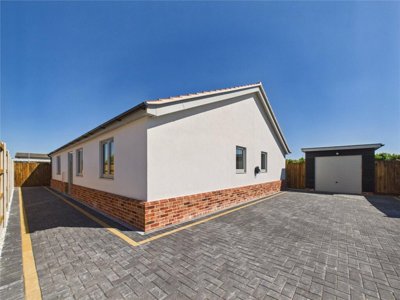
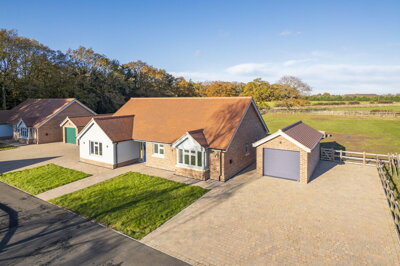
Browse 2 homes new builds in Ardleigh, Tendring from local developer agents.
The Ardleigh property market offers detached, semi-detached, and terraced houses spanning various price ranges and neighbourhoods. Each listing includes detailed property information, photographs, and direct contact with the marketing agent.
£650k
18
1
139
Source: home.co.uk
Showing 18 results for Houses new builds in Ardleigh, Tendring. 1 new listing added this week. The median asking price is £650,000.
Source: home.co.uk
Detached
13 listings
Avg £751,154
Semi-Detached
5 listings
Avg £364,000
Source: home.co.uk
Source: home.co.uk
Ardleigh's property market has shown real resilience over recent years, with house prices holding steady even as the national picture has shifted around it. Our data puts the overall average at £563,167, a figure that points to a settled market rather than sharp swings. For buyers wanting long-term value in an established village, that sort of consistency is hard to ignore.
Detached homes sit at the top of the tree in Ardleigh, averaging £685,419 and often coming with generous gardens and the period detail that suits the village so well, from exposed timber frames to red brick façades and original fireplaces. Semi-detached houses average £333,636, which makes them a strong option for families who want space without the heavier outlay attached to detached property. End of Terrace homes come in at around £312,500, and that level of pricing keeps character cottages within reach for buyers who want to be close to the village centre and its day-to-day amenities.
A few developments have left their mark on modern Ardleigh. The Picotts scheme on the former Ardleigh Hall site introduced a fresh run of homes, while Station Road and Picotts Place also include newer residential pockets. At the Colchester edge of the village, the former Betts factory site is one of the larger redevelopment projects, adding more housing as Ardleigh continues to draw people who want village life with easy access to the town. Those newer homes sit comfortably alongside the older stock, so buyers are not short of choice.
Most homes sold in Ardleigh over the past year have been detached, which is no surprise given the appetite for family-sized houses with gardens. That mix of period and modern property gives buyers a proper choice, historic character on one side, contemporary convenience on the other, and prices still sit well against Colchester. Investment here is usually a patient game rather than a quick turn, and that steady approach is part of why the market feels so settled.

Ardleigh has the feel of a village with deep roots. It had a population of 2,758 residents according to the 2021 Census, rising to an estimated 3,218 by 2024. Its story stretches back to medieval times, and much of the built form still gathers around the old crossroads where the Church of St Mary has stood since 1460. That gives the centre real architectural weight, with Georgian and Victorian houses sitting beside earlier timber-framed buildings, many now within the Conservation Area first established in 1981.
Ardleigh's character is shaped by its Essex countryside setting and its working past. Older buildings often pair exposed timber framing with red brick, while puddingstone and flint show up in the church and some of the village's oldest homes. The Lion Inn, a 17th-century coaching inn, still plays a central role in village life. Pink render and roughcast appear on a number of cottages too, adding variety to the streetscape, and Phoenix Mill, once a steam-powered mill and now occupied by a construction consultancy, sits alongside Spring Valley Mill, where the Georgian water mill workings survive, both reminders of the village's manufacturing history.
Gravel pits nearby still support the building trade and provide work for engineering firms, while Colchester is only four miles away and brings retail, cultural, and employment options within easy reach. The village sits on the A137 between Colchester and Ipswich, so commuters have a straightforward route without losing the calmer pace of countryside living. There are local pubs, village hall events, and access to walks across the Tendring peninsula farmland. The Conservation Area appraisal, updated in April 2025, helps keep the village centre's heritage in view.
Life here in the evenings and at weekends tends to centre on the traditional pub, village hall activities, and walks through the surrounding countryside. With the Essex landscape staying flat, cycling makes sense for short trips and for the run into Colchester. Market days and cultural venues in the town are close enough for an easy outing, so leisure options do not mean a long drive.

Families moving to Ardleigh have access to schooling choices at several levels. The village falls within the Tendring local authority area, with primary schools available in neighbouring villages and Colchester about four miles away. We would always suggest checking current Ofsted ratings and admissions catchments before committing to a purchase, as places can be competitive in well-liked villages. Secondary options in Colchester include both comprehensive and grammar school routes, depending on testing and family circumstances.
For primary education, children from Ardleigh usually travel to nearby places such as Highwoods or Lawford, where local schools serve the surrounding communities. It is wise for buyers to register an interest with preferred schools early in the process, since catchment areas and places can shift with demand and intake numbers. Ardleigh's growing population points to continued pressure on school places, so the position of a property relative to strong schools matters. School transport and journey times are worth checking during viewings too.
Private education is within reach as well, with Colchester Grammar School and Colchester High School both offering established alternatives not far from the village. Colchester Royal Grammar School, one of the oldest schools in England dating back to ancient foundation, caters for academically selective pupils through to sixth form. Colchester Institute provides further education and vocational courses for students from across the area, including Ardleigh and the surrounding villages. For younger children, nurseries, childminders, and pre-schools operate in nearby communities.
That school provision is a big part of Ardleigh's draw for families, especially when it is paired with the village's quiet setting and strong community feel. Sixth form places are available at Colchester Royal Grammar School and Colchester Institute, so older students do have options close by. Anyone weighing up a move should still check the latest performance data and remember that catchment boundaries can change, which makes an early enquiry a sensible first step.

Transport links do a lot of the heavy lifting for Ardleigh's appeal. The village sits on the A137, giving a direct route northeast into Colchester, roughly four miles away. From there, the A12 opens up travel towards Chelmsford and London, with the capital reachable in approximately ninety minutes by car depending on traffic. It means people can live in the countryside and still stay connected to major employment centres in London, Chelmsford, and Ipswich.
Public transport is centred on Colchester, where direct rail services reach London Liverpool Street in around fifty-five minutes. Colchester railway station has frequent trains throughout the day, and the morning and evening peaks work well for daily commuters. Bus routes connect Ardleigh with Colchester and neighbouring villages, which matters for anyone without a car. That rail link in particular makes the village appealing for people working in London or across the wider southeast.
For local and coastal travel, the A137 gives access to Manningtree and the Essex coast, opening the way to days out along the Suffolk and Essex shoreline. Stansted Airport is about forty minutes away by car, which is handy for business trips and holidays. Cyclists have a network of country lanes to work with, and the flat terrain means the bike is a practical choice for local journeys. Parking is generally straightforward too, with driveways and garages common across the village.
Being close to the main road network also works for people employed in Colchester's expanding sectors, including social work, quantity surveying, construction, and education. Many residents feel Ardleigh gives them a better balance than town living, less commuting stress, but still direct access when they need it. Even weekend trips to Frinton, Walton, and the Suffolk coast are easy enough from here.

Browse Ardleigh homes online and the price spread is easy to see, detached properties averaging £685,419, semi-detached homes at £333,636, and End of Terrace cottages at around £312,500. It is worth comparing new build schemes on Station Road and the former Betts factory site with period property inside the Conservation Area. We would also look closely at the village's Conservation Area designation and over seventy listed buildings, since both can affect how a particular home is altered or maintained.
Before viewing, speak to lenders or use our mortgage comparison tool so you have an agreement in principle ready. That puts you in a stronger position with sellers and gives you a clearer idea of what you can spend in this market. With the average price sitting at £563,167, most buyers will need a sizeable mortgage, so rate comparison matters for the long haul.
A visit at different times of day and on different days of the week will tell you a lot about Ardleigh, from the feel of the village to traffic on the A137 and access to local services. Think about where individual streets sit in relation to the village centre, Church of St Mary, and everyday facilities. If you are looking at a period home, check the Conservation Area boundaries as well, because restrictions on changes can shape what you are able to do.
Given Ardleigh's stock of older buildings, including medieval homes and over seventy listed structures, a proper survey is not optional, it is part of the job. Our platform can put buyers in touch with qualified surveyors who know local timber frame, puddingstone, and flint construction. That experience matters when you are buying a character property, because traditional methods need a trained eye.
We would also appoint a solicitor who knows Essex village property inside out, especially where Conservation Area rules and listed building implications are involved. They can handle the searches with Tendring District Council and manage the transfer work from start to finish. That sort of local knowledge brings real value to an Ardleigh purchase.
Once surveys come back well, searches are complete, and the money is in place, your solicitor can move on to exchange of contracts, with a typical completion period of four weeks. Transactions in Ardleigh usually run smoothly, helped by the established market and good transport links. Final checks should cover any relevant planning permissions and the fixtures and fittings listed in the sale.
Buying in Ardleigh does need a careful eye, because the village has a high proportion of older buildings and a Conservation Area designation. Over seventy listed buildings are spread through the village, and any home inside the Conservation Area may face limits on alterations, extensions, or changes to the exterior. We would ask Tendring District Council for Listed Building Consent information before going ahead, especially where historic features may need specialist care. With the 2025 Conservation Area appraisal update now in place, the latest requirements should always be checked with the local planning authority.
Ardleigh's building materials tell the story of the place, and they are closely tied to local geology. Exposed timber frame, red brick, puddingstone, and flint all need proper understanding from both a maintenance and a survey point of view. The local clay geology, seen in the Roman pottery production at Martells Pit, can be linked to shrink-swell ground movement, so foundations on older homes deserve a careful look. That is why our RICS Level 2 survey recommendations matter so much for character property here.
Property age varies widely in Ardleigh, from medieval structures and Georgian and Victorian homes through to post-war semi-detached houses and modern schemes from the last fifty years. A fair amount of building has also taken place in the western extension of the village, the redevelopment of Ardleigh Court, and infilling between the crossroads and the Station. Buyers therefore come across different construction standards and different risks depending on the era, from timber frame deterioration in historic buildings to insulation issues in post-war homes.
Flood risk checks should still be part of any purchase, even though no significant flood zones were identified in the available research for Ardleigh. Drainage and surface water management are worth reviewing during surveys, particularly for homes with larger gardens or those close to the gravel pit areas. Leasehold flats and conversions need close attention for service charges and lease terms, while freehold houses with generous gardens make up most of the local market. Energy Performance Certificates also deserve a look, because period homes can carry higher heating costs alongside their character.

The average house price in Ardleigh is £563,167 based on recent transaction data covering the past year. Detached homes average £685,419, semi-detached properties £333,636, and End of Terrace houses around £312,500. Prices have stayed fairly steady over recent years, which points to a market that has found its level. For buyers after a predictable village market in Essex, that stability is part of the appeal.
Council tax for Ardleigh properties falls under Tendring District Council. Bands run from A through to H, with the band set by the property's assessed value at the time of the 1991 valuation. Band D is common for mid-value village homes, while some older period properties may sit in lower bands depending on size and features. We would always check the band through the official government council tax valuation service before a purchase is completed.
Primary provision in Ardleigh itself is limited, so children often attend schools in places such as Highwoods or Lawford, or travel into Colchester, which is about four miles away. The area gives access to both comprehensive and grammar school routes, with Colchester providing most of the secondary school options, including Colchester Royal Grammar School and Colchester High School. Current Ofsted ratings and catchment areas should be checked carefully, as they can have a big impact on admissions in popular parts of the Colchester area. Registering early with preferred schools is usually the sensible move.
Public transport links from Ardleigh largely run through Colchester, about four miles away, where mainline services reach London Liverpool Street in around fifty-five minutes. Colchester station has frequent daily trains, and the morning and evening peaks suit commuters heading into London or elsewhere in the southeast. Bus services connect the village with Colchester and surrounding communities, giving useful options for residents without a car. The A137 gives direct access to Colchester and joins the A12 for wider travel across Essex and beyond, while Stansted Airport can be reached in approximately forty minutes by car.
Ardleigh offers sound investment fundamentals, with village character, close links to Colchester, and decent transport connections into London and the wider region. The average price of £563,167 keeps it competitive within Essex, and the recent price stability suggests measured growth rather than speculation. Homes inside the Conservation Area or with listed status may hold extra long-term value because supply is limited, though older buildings can bring higher maintenance bills. The rise from 2,758 residents in 2021 to an estimated 3,218 by 2024 also points to continuing demand for housing in a sought-after location.
Stamp Duty Land Tax applies to all property purchases in England, with zero percent on the first £250,000, five percent on the slice from £250,001 to £925,000, ten percent from £925,001 to £1.5 million, and twelve percent above £1.5 million. First-time buyers get a higher relief threshold on the first £425,000, then pay five percent on the portion between £425,001 and £625,000. On Ardleigh's average price of £563,167, a standard buyer would pay roughly £15,658 in SDLT, while a first-time buyer could save around £5,410 under the higher threshold.
Period homes in Ardleigh call for close attention to the materials that define the village, including exposed timber frame, puddingstone, flint, and red brick. The local clay geology, which also fed Roman pottery production at Martells Pit, can be linked to shrink-swell movement in the ground, so foundation checks matter on older buildings. Buyers should confirm Conservation Area restrictions with Tendring District Council and find out whether listed building consents are needed for any planned work. A thorough survey from our RICS-certified surveyors helps pick up issues tied to traditional Essex village construction.
New build activity in Ardleigh includes the Picotts development on the former Ardleigh Hall site, modern residential schemes along Station Road and Picotts Place, and the former Betts factory site redevelopment on the village's Colchester edge. These schemes add contemporary homes to the village's much larger stock of older property. Any specific developer names, live availability, and exact pricing should be checked directly with selling agents, because current plot information changes often. Compared with period homes, new builds usually bring warranties and better insulation too.
Planning the real cost of buying in Ardleigh means looking well beyond the asking price. Stamp Duty Land Tax, legal fees, survey costs, and moving expenses all have to be added in. SDLT is the biggest extra outlay for many buyers, and the typical Ardleigh home falls into the five percent band for the slice between £250,001 and £925,000. On a property priced at the village average of £563,167, a standard buyer would pay about £15,658 in SDLT after the £250,000 nil-rate threshold.
First-time buyers in Ardleigh have the benefit of enhanced relief, with zero percent on the first £425,000 and five percent on the part between £425,001 and £625,000. That can save around £5,410 compared with the standard rates, although homes above £625,000 do not qualify for the relief. Because the village average sits at £563,167, many homes do fall within the threshold, which makes Ardleigh a more realistic first step onto the property ladder in Essex.
Conveyancing usually costs from £499 to £1,500, depending on the property and the level of work involved, and there are also search fees for local authority searches with Tendring District Council, environmental checks, and drainage enquiries. Those searches matter in Ardleigh because of the spread of property ages and the local clay and gravel pit areas. A RICS Level 2 survey starts from £350 for smaller homes and rises for larger ones, and that money is well spent in a village where older buildings, timber frame, flint, and period features need proper assessment.
We would also factor in removal costs, mortgage arrangement fees, and any renovation work that a character property might need in Ardleigh. Older homes can call for electrical upgrades, better heating efficiency, or specialist care for historic details. Buildings insurance should be in place from exchange of contracts, and specialist insurers are available for listed buildings and period homes. Careful budgeting is what keeps the move on track and avoids unwelcome surprises before completion.

Properties New Builds In London

Properties New Builds In Plymouth

Properties New Builds In Liverpool

Properties New Builds In Glasgow

Properties New Builds In Sheffield

Properties New Builds In Edinburgh

Properties New Builds In Coventry

Properties New Builds In Bradford

Properties New Builds In Manchester

Properties New Builds In Birmingham

Properties New Builds In Bristol

Properties New Builds In Oxford

Properties New Builds In Leicester

Properties New Builds In Newcastle

Properties New Builds In Leeds

Properties New Builds In Southampton

Properties New Builds In Cardiff

Properties New Builds In Nottingham

Properties New Builds In Norwich

Properties New Builds In Brighton

Properties New Builds In Derby

Properties New Builds In Portsmouth

Properties New Builds In Northampton

Properties New Builds In Milton Keynes

Properties New Builds In Bournemouth

Properties New Builds In Bolton

Properties New Builds In Swansea

Properties New Builds In Swindon

Properties New Builds In Peterborough

Properties New Builds In Wolverhampton

Enter your details to see if this property is within your budget.
Loans, cards, car finance
Estimated property budget
Borrowing + deposit
You could borrow between
Typical borrowing
Monthly repayment
Est. at 4.5%
Loan-to-value
This is an estimate only. Your actual budget may vary depending on interest rates, credit history, and personal circumstances. For an accurate affordability assessment, speak to one of our free mortgage advisors.
This calculator provides estimates for illustrative purposes only and does not constitute financial advice. Your home may be repossessed if you do not keep up repayments on your mortgage. Estimates based on 4.5% interest rate, repayment mortgage. Actual rates depend on your circumstances.
Homemove is a trading name of HM Haus Group Ltd (Company No. 13873779, registered in England & Wales). Homemove Mortgages Ltd (Company No. 15947693) is an Appointed Representative of TMG Direct Limited, trading as TMG Mortgage Network, which is authorised and regulated by the Financial Conduct Authority (FRN 786245). Homemove Mortgages Ltd is entered on the FCA Register as an Appointed Representative (FRN 1022429). You can check registrations at NewRegister or by calling 0800 111 6768.

We use cookies to show you personalised content and improve your experience of our website. Find out more in our Privacy policy and Cookie policy.