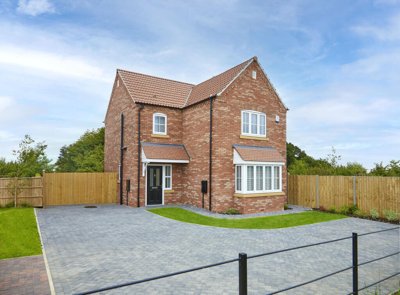
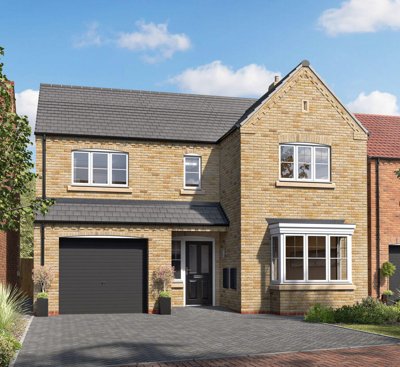
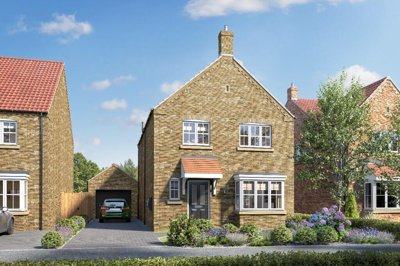
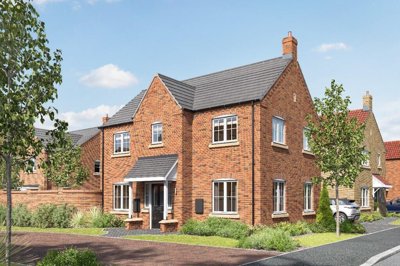
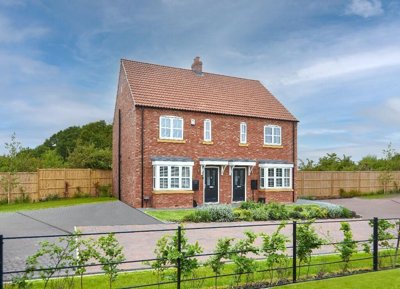
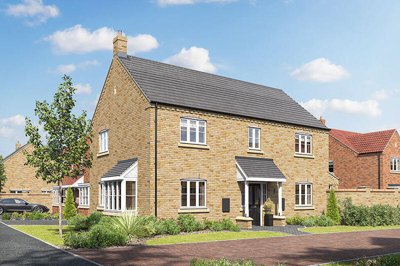
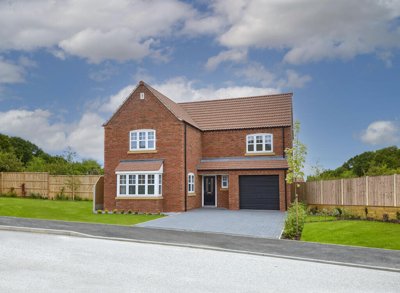
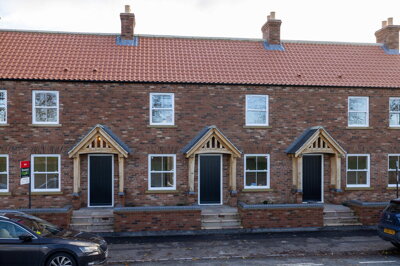
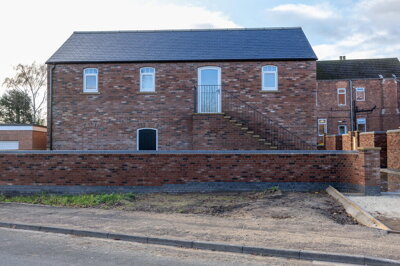
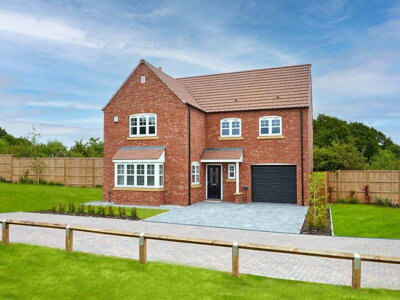
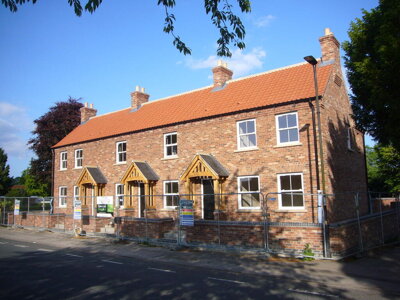
Browse 11 homes new builds in Airmyn, East Riding of Yorkshire from local developer agents.
£355k
11
0
116
Source: home.co.uk
Source: home.co.uk
Detached
7 listings
Avg £361,786
Cottage
1 listings
Avg £340,000
Semi-Detached
1 listings
Avg £550,000
Terraced
1 listings
Avg £225,000
detached
1 listings
Avg £500,000
Source: home.co.uk
Source: home.co.uk
In Airmyn, detached homes have recently averaged £385,750, up 24.8% on 2024, a clear sign that larger family houses are still drawing strong demand in this popular village setting. Semi-detached properties have climbed too, rising 20.6% to an average of £400,000, which points to buyers searching for a more affordable route into the village without losing its appeal. Terraced homes remain the lowest-priced way in, with recent sales at around £205,000, although they do not come up especially often.
Recent figures point to a market that has not moved in a straight line. homedata.co.uk records an overall decline across the past 12 months, yet that comes after a 9% rise in the year before and leaves values close to the 2023 high of £315,222. Planning activity also hints at what may come next, including an application for six new dwellings on land south east of Tanglewood Bridge Close, along with extensions to local hospitality sites. Approved plans at the Premier Inn Rawcliffe Road and The Old Vicarage Residential Home at 75 High Street add extra bedrooms, which suggests continued investment in local infrastructure. For buyers, that mix of price movement and new planning proposals may open up opportunities in a village that still attracts attention despite wider uncertainty.
Airmyn's Conservation Area status plays a part in supporting values, as it restricts additional development and helps hold on to the character buyers come for. The village also sits close to the M62 corridor, so commuters can reach Leeds, Hull, Sheffield, and Manchester while still buying at prices that compare favourably with those bigger urban centres. homedata.co.uk shows that local prices have broadly moved in step with the regional market, with the 2025 median of £302,500 marking a return to the levels seen in the early 2020s after the sharper peaks of the past few years.

High Street gives Airmyn much of its identity. Running parallel to the River Aire, it creates the unusual arrangement of homes on one side facing straight towards the water. Even now, the village keeps much of its older feel, with many surviving buildings dating from the 19th century or later, and some along High Street going back to around 1700. One local detail still stands out, the traditional Airmyn door, made with narrow arches of applied wooden strips set vertically, once common on estate cottages and still easy to recognise. Much of this is covered by the Conservation Area, which includes most of the historic core and helps protect that character into the future.
Airmyn has the kind of close community feel many people expect from rural East Yorkshire, and places such as the Percy Arms public house still act as a social anchor. Around it, the landscape stays remarkably flat, never rising above 25 feet, which opens up long views across the flatlands of the Humber Estuary region and adds to the quiet, open feel of the parish. The 2015 Parish Plan did record concerns about M62 traffic noise and the sewage works, a reminder that village life here comes with a mix of rural calm and modern infrastructure. Even so, residents still get the benefits of living by the river, with the River Aire shaping both the scenery and the village's past as a former port community.
Airmyn's main heritage buildings tell a long story in a fairly small place. Airmyn Hall, an early 18th-century country house now split into three residences, sits alongside the Church of St David, dating from 1676 with later alterations in 1858 and 1884, and the Clock Tower, which is also Grade II listed. Those designations matter, because planning controls can affect what owners are able to change. Sweet Echoes and Westfield House are Grade II listed as well, and both reflect the red brick construction with ashlar dressings seen across much of the village's older fabric. Living here means being surrounded by buildings that still show Airmyn's path from medieval port to quiet residential village.

School provision in the village begins with Airmyn First School, first established as a Sunday school in 1834 and now serving younger children from Airmyn and nearby areas. The building itself is part of the appeal, built in brick with sandstone ashlar dressings under a Welsh slate roof, and holding Grade II listed status because of its architectural and historic importance. For families considering a move, it offers local primary education, while secondary schooling means travelling beyond the village. Its small scale can suit parents looking for closer community involvement and potentially smaller classes, although we would always suggest checking current Ofsted ratings and available places before making a decision.
Secondary pupils usually travel out of Airmyn. Goole and other East Riding towns provide the main options, and the village's position near the M62 corridor gives fairly direct access to schools in places such as Goole, Selby, and Hull, though transport planning can be a real issue for working parents. Further education is available at colleges in Doncaster, Hull, and York through the wider regional network. For families, journey times matter here, especially with the village's rural setting and the more limited public transport used for daily school runs.
The old school building is part of Airmyn's character, but it can raise practical questions too, because listed buildings often come with limits on alterations and modern upgrades. We would advise parents to visit in person and ask staff how the historic setting works for day-to-day education, including PE, dining, and outdoor learning arrangements. Airmyn First School has been part of village life for nearly two centuries, and that long history often feeds into a supportive local environment for children at the start of their education.

North of the village, the M62 motorway gives Airmyn one of its main practical advantages, with direct road links towards Leeds, Hull, Sheffield, and Manchester. That access is one reason the village appeals to commuters who want the character and pace of village life without giving up larger employment centres. There is a trade-off, though. The 2015 Parish Plan flagged M62 traffic noise as an issue for some residents, especially in homes with northern aspects or those closer to the motorway corridor. Because the surrounding land is so flat, sound can travel a fair way across open ground in certain weather conditions.
Rail users generally head to Goole for the nearest stations, where services connect into routes towards Leeds, Sheffield, and further afield, although frequencies are lighter than at the main city stations. The River Aire, while now mostly a scenic part of daily life, also reflects the village's older transport history. Bus links do connect Airmyn with nearby towns, but rural timetables can be sparse, so we always suggest checking current services carefully. Walkers and cyclists benefit from the level East Yorkshire terrain, even if the same open geography can make riding into prevailing winds hard work in some seasons.
The wider growth of this part of Yorkshire has been shaped in no small part by the M62 corridor, which has improved both connectivity and access to jobs, helping villages like Airmyn remain realistic choices for commuters. Travelling by car to Leeds or Hull is usually straightforward, although rush-hour pressure on motorway approaches can lengthen the trip. There is another local point to keep in mind, Airmyn sits on slightly elevated ground at the edge of the River Aire meander, so routes in and out may be affected when river levels run high. Lower-lying approaches to the village can be vulnerable to flood-related road closures.

We suggest starting with the live market, because current listings quickly show what is actually available in Airmyn and where different homes sit on price. Our platform currently lists 20 properties, from terraced homes at around £205,000 through to detached houses above £385,750. It also helps to compare today's median asking prices with longer-term averages before deciding what a realistic budget looks like in this riverside village.
Before booking viewings, we recommend getting a mortgage agreement in principle from a lender so you know exactly what you can borrow. In a place like Airmyn, where price points vary quite a bit between property types, that can make a real difference once you are ready to offer. We can also put you in touch with our mortgage partners to compare rates and look for the strongest option for your circumstances.
Once you begin viewing, focus on homes that genuinely fit your needs and pay close attention to flood risk because Airmyn sits on the River Aire floodplain. Condition matters too, particularly in the older historic houses that make up a large part of the local stock. We would take notes on the basics and the less obvious points, including proximity to the river, drainage arrangements, and any evidence of past flooding, damp, or moisture in older buildings.
For most homes in Airmyn, our team would usually suggest a RICS Level 2 HomeBuyer Report before you commit. With so many older properties in the village, and with local flood history in the background, this type of survey can pick up damp, roof defects, and possible structural concerns. Typical costs sit between £380 and £629, depending on the size and value of the property.
After an offer is accepted, the next step is to instruct a solicitor to deal with the legal side of the purchase. In Airmyn, that will normally include East Riding of Yorkshire searches, with flood risk and drainage checks especially relevant for homes close to the River Aire. We can arrange quotes through our conveyancing partners, with transparent pricing starting from £499.
The last stage is completion. At that point, all legal documents are finalised, stamp duty is paid, and the funds are transferred. Your solicitor will agree the completion date and work with the seller's legal team so everything lines up properly. On the day itself, you receive the keys to your new Airmyn home.
Flood risk is the biggest environmental issue for buyers in Airmyn. The village stands directly beside the River Aire and has seen several major events in recent years, including the tidal surge of 2013, the Boxing Day floods of 2015, and the widespread flooding of the Lower Aire washlands in February 2020. Our research shows that Bridge Road, High Street, Park Road, and Parsons Walk sit within the Flood Warning Area, with property flooding becoming possible once the river reaches 6.00 metres. A £4 million riverbank reinforcement scheme finished in August 2023, using rock armour and sheet piles to protect more than 170 properties, but we would still urge buyers to check a home's own flood history, level, and any resilience measures before going ahead.
Because Airmyn includes a Conservation Area as well as several Grade II listed buildings, we would always check whether a property falls within either designation before purchase. That can affect permitted development rights and what renovation work is possible. Notable examples include Airmyn Hall, an early 18th century house now divided into three residences, the Church of St David from 1676, the Clock Tower, Sweet Echoes, and Westfield House. Buying within the Conservation Area, or buying a listed building, can mean extra surveys and planning consent for certain works, which may add cost and complication. Local traditional materials also matter, with red brick, ashlar dressings, and pantile or Welsh slate roofs often calling for specialist upkeep and careful insurance cover.
The age of Airmyn's housing stock makes a careful inspection important. Damp is one obvious concern, especially given the flood history, but we would also look closely at roof condition, older electrics, and the state of traditional windows and doors. At 63, 65, and 67 High Street, homes date to around 1700, showing just how long some buildings here have stood, and why ongoing maintenance can be more involved. The well-known Airmyn door, with its narrow vertical wooden strips, is full of character but may need specialist work if repairs or replacement are required. Drainage and sewage should be checked as well, particularly in such a flat area and in light of the Parish Plan concerns about local sewage infrastructure. A full RICS Level 2 or Level 3 survey can help uncover these points before you commit.

Budgeting properly means looking beyond the purchase price, and stamp duty is a key part of that in Airmyn where the median sits around £302,500. For a standard buyer paying the current average of £346,275, the calculation is 0% on the first £250,000 and 5% on the remaining £96,275, giving a total bill of £4,813.75. First-time buyers get a different outcome, because purchases up to £425,000 attract no stamp duty on the first £425,000. On a property worth £346,275, that means no stamp duty to pay under first-time buyer relief.
There are a few other costs to allow for. Mortgage arrangement fees often run at 0-0.5% of the loan amount, then there are valuation charges and survey fees, with a RICS Level 2 HomeBuyer Report generally costing £380-£629 depending on value and size. In Airmyn, where properties can be historic and flood risk is often relevant, a good survey is money well spent and may highlight issues worth raising with the seller. Conveyancing fees start from £499 for a standard transaction, although listed buildings or extra flood risk checks can make matters more involved. Buildings insurance also needs to be active from completion, and for flood-risk locations such as Airmyn we would strongly suggest checking policies carefully, including flood resilience cover, because previous flooding can push premiums up.
Buyers looking at the upper end of the Airmyn market should allow for extra purchase costs as values rise. A detached home at the average £385,750 will attract stamp duty on the part above £250,000, and at this level it often makes sense to budget for more detailed surveys as well. That is especially true where a property is listed or has unusual construction details that may call for specialist reports. Even so, many buyers will see those costs against a market where values have held up over time, with the current average of £346,275 sitting close to longer-term norms.

Recent figures put the average Airmyn property at £346,275, while current listings show a median asking price of £302,500. Detached homes are the priciest on average at £385,750. Semi-detached properties have reached around £400,000, and terraced homes have sold at about £205,000. It is a small village market, so movement can look uneven, and that helps explain why different snapshots point to either a 9% rise or a decline across separate periods.
In Airmyn, council tax falls under East Riding of Yorkshire Council, the unitary authority covering this part of Yorkshire. The band for any individual home depends on its assessed value, and buyers can confirm details through the Valuation Office Agency or ask for the information during conveyancing. Support schemes and exemptions are available in some cases, including reductions for single occupants and relief for properties undergoing renovation. With values in the village stretching from terraced cottages around £205,000 to detached houses above £385,750, it follows that council tax bands will differ across Airmyn.
Parents looking at schools in the village will find Airmyn First School as the main primary option. It began in 1834 as a Sunday school and now occupies a Grade II listed building built in traditional brick with sandstone construction. Because it is a small village school, we would check current Ofsted ratings along with admission rules and available places before making plans. For secondary education, most pupils travel to nearby towns such as Goole, where several schools can be reached either via the M62 corridor or through school transport arrangements.
Public transport in Airmyn is fairly limited. Local bus services do link the village to nearby towns, but they are generally less frequent than routes in urban areas. For rail travel, most residents use the station in Goole, which provides onward connections towards Leeds, Sheffield, and other major cities. The village's closeness to the M62 motorway offsets some of that, which is why car travel tends to be the practical choice for many people, though those working from home or with more flexible routines may find the rural setting easier to manage.
Airmyn can appeal for a few reasons at once, historic character, a riverside setting, and prices that still compare well with larger places nearby. Its Conservation Area status and restricted scope for major development help preserve character and may support values, although recent applications, including six dwellings at Tanglewood Bridge Close, show that some new supply could still come forward. Buyers and investors do need to weigh flood exposure carefully, because homes on the River Aire floodplain can face higher insurance costs and longer-term climate risk, with property flooding possible when the river reaches 6.00 metres. The village is also small, with a population of around 800 and a limited amenity base, which may restrain rental demand compared with busier locations.
For 2024-25, stamp duty is charged at 0% up to £250,000, 5% on the portion from £250,001 to £925,000, 10% from £925,001 to £1.5 million, and 12% above £1.5 million. First-time buyers get relief on purchases up to £625,000, paying 0% up to £425,000 and 5% on the part between £425,001 and £625,000. Applied to the average Airmyn price of £346,275, a standard buyer would pay £4,813.75, while a first-time buyer would pay £0 on the first £425,000.
Older homes in Airmyn need a careful eye. Many date from the 17th and 18th centuries and use traditional red brick with ashlar dressings, so damp is a common point to inspect, especially given the River Aire flood history. The Airmyn door, recognised by its narrow vertical wooden strips, is a distinctive local feature but may need specialist attention if repairs are needed. Any property inside the Conservation Area, or one that is Grade II listed, may come with limits on alterations, so extra survey and planning costs should be part of the budget. At addresses such as 63, 65, and 67 High Street, where buildings date to around 1700, it is also sensible to check electrics, plumbing, and insulation against modern standards.
Any purchase in Airmyn starts with the flood question. The village lies on the River Aire floodplain and has been affected by major events including the tidal surge of 2013, the Boxing Day floods of 2015, and flooding across the Lower Aire washlands in February 2020. Protection has improved through the £4 million riverbank reinforcement completed in August 2023, covering more than 170 properties, but we would still investigate each home's elevation, recorded flood history, and any flood resilience work already in place. Bridge Road, High Street, Park Road, and Parsons Walk are within the Flood Warning Area, and insurance can cost more where there is previous flood history. For that reason, we strongly recommend a thorough RICS survey in Airmyn, with close attention to moisture ingress and any flood-related defects.
From £350
We recommend a comprehensive survey for conventional properties so defects are identified before purchase. In Airmyn, that is especially important with the village's older homes.
From £600
For older, listed, or more complex homes in Airmyn's Conservation Area, we would usually advise a detailed building survey.
From £75
An energy performance certificate is required on all property sales.
From £499
We can arrange legal services for your purchase, including local searches covering East Riding of Yorkshire.
Properties New Builds In London

Properties New Builds In Plymouth

Properties New Builds In Liverpool

Properties New Builds In Glasgow

Properties New Builds In Sheffield

Properties New Builds In Edinburgh

Properties New Builds In Coventry

Properties New Builds In Bradford

Properties New Builds In Manchester

Properties New Builds In Birmingham

Properties New Builds In Bristol

Properties New Builds In Oxford

Properties New Builds In Leicester

Properties New Builds In Newcastle

Properties New Builds In Leeds

Properties New Builds In Southampton

Properties New Builds In Cardiff

Properties New Builds In Nottingham

Properties New Builds In Norwich

Properties New Builds In Brighton

Properties New Builds In Derby

Properties New Builds In Portsmouth

Properties New Builds In Northampton

Properties New Builds In Milton Keynes

Properties New Builds In Bournemouth

Properties New Builds In Bolton

Properties New Builds In Swansea

Properties New Builds In Swindon

Properties New Builds In Peterborough

Properties New Builds In Wolverhampton

Enter your details to see if this property is within your budget.
Loans, cards, car finance
Estimated property budget
Borrowing + deposit
You could borrow between
Typical borrowing
Monthly repayment
Est. at 4.5%
Loan-to-value
This is an estimate only. Your actual budget may vary depending on interest rates, credit history, and personal circumstances. For an accurate affordability assessment, speak to one of our free mortgage advisors.
This calculator provides estimates for illustrative purposes only and does not constitute financial advice. Your home may be repossessed if you do not keep up repayments on your mortgage. Estimates based on 4.5% interest rate, repayment mortgage. Actual rates depend on your circumstances.
Homemove is a trading name of HM Haus Group Ltd (Company No. 13873779, registered in England & Wales). Homemove Mortgages Ltd (Company No. 15947693) is an Appointed Representative of TMG Direct Limited, trading as TMG Mortgage Network, which is authorised and regulated by the Financial Conduct Authority (FRN 786245). Homemove Mortgages Ltd is entered on the FCA Register as an Appointed Representative (FRN 1022429). You can check registrations at NewRegister or by calling 0800 111 6768.

We use cookies to show you personalised content and improve your experience of our website. Find out more in our Privacy policy and Cookie policy.