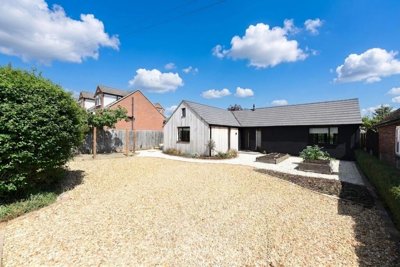
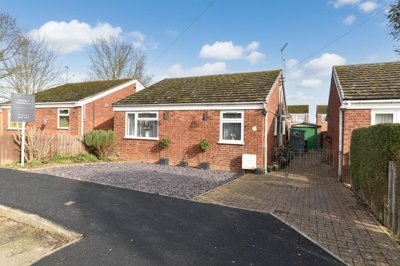
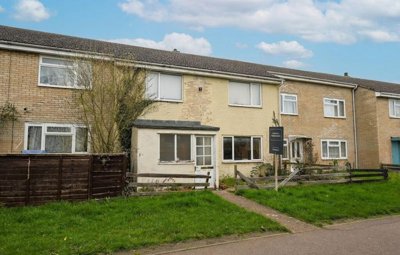
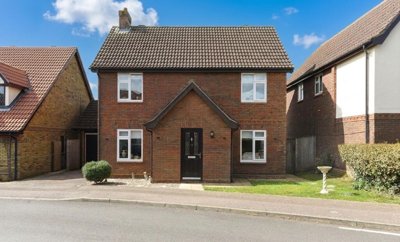
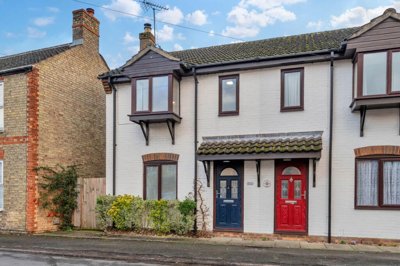
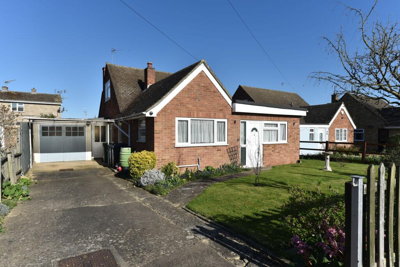
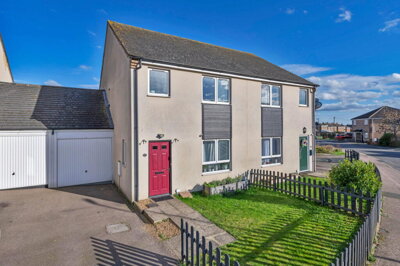
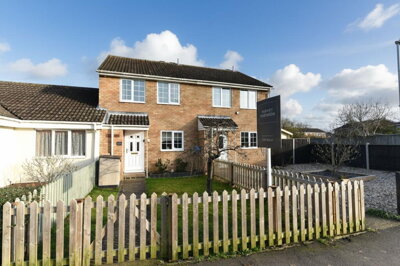
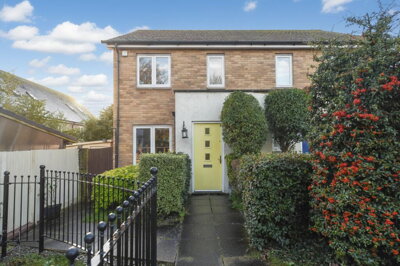
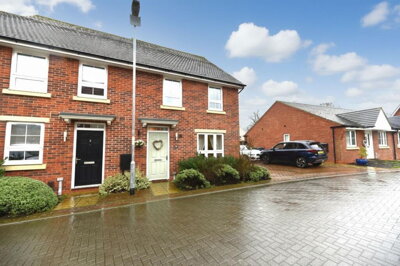
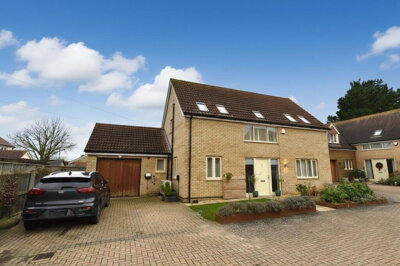
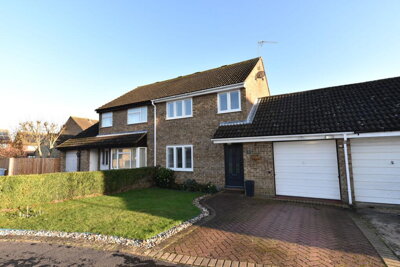
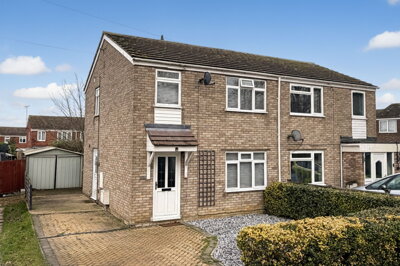
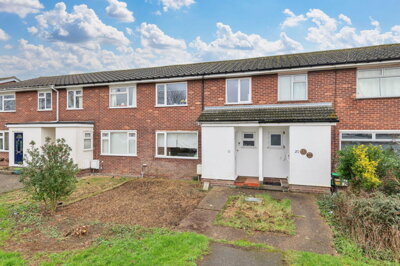
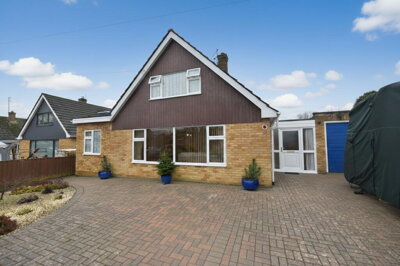
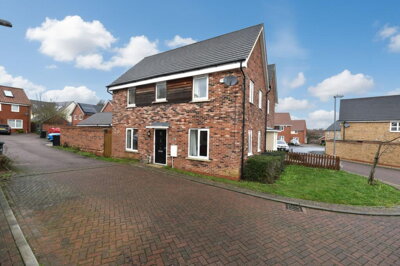
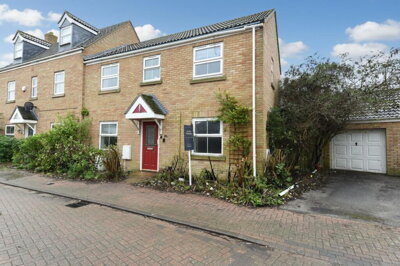
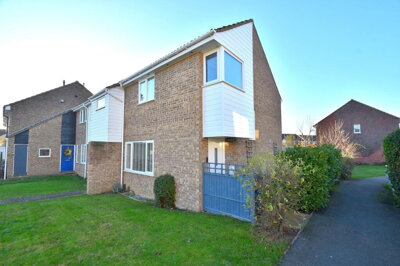
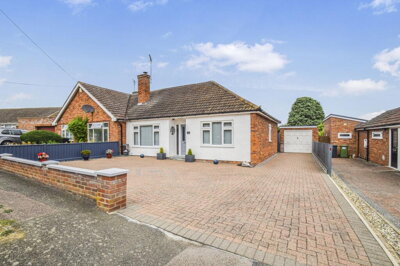
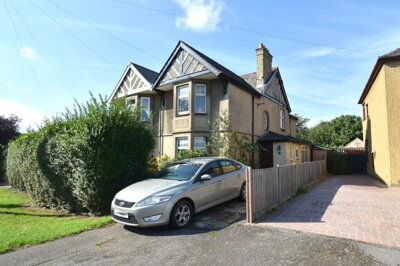
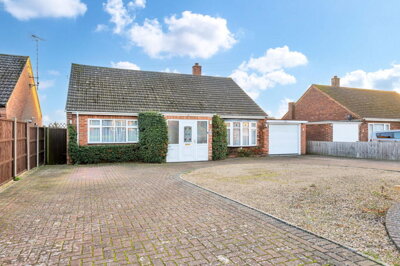
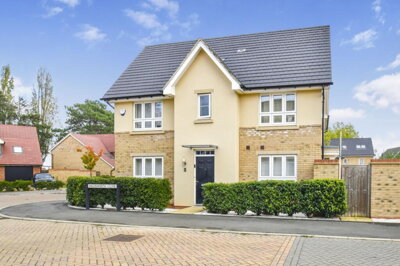
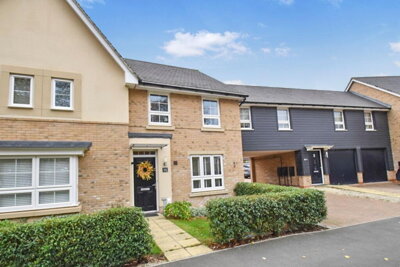
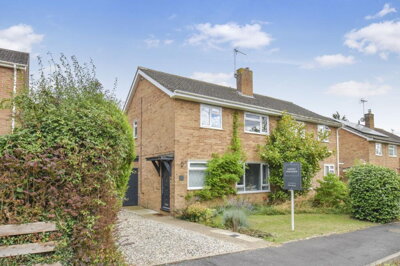
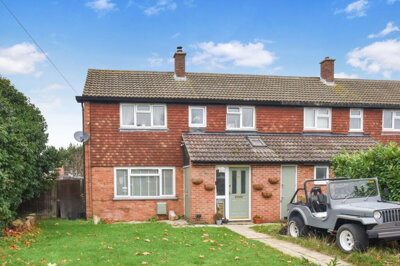
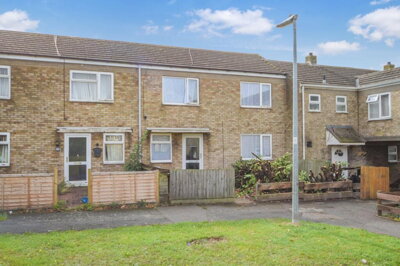
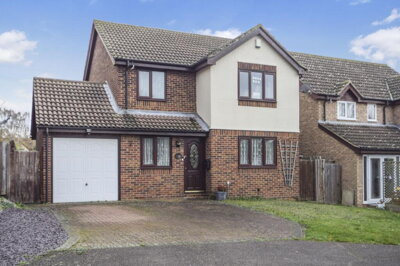
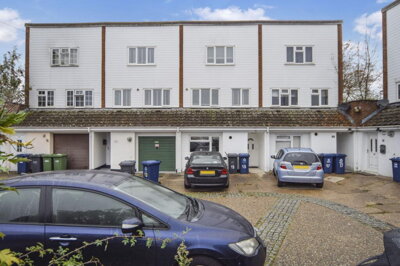
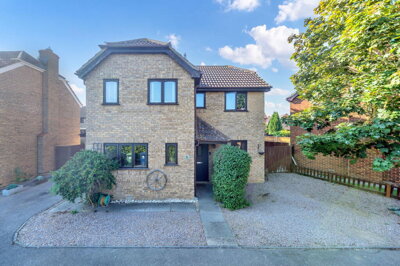
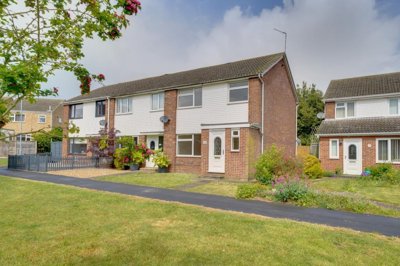
Browse 133 homes for sale in Wyton-on-the-Hill from local estate agents.
Three bedroom properties represent a significant portion of the Wyton On The Hill housing market, offering space for families with multiple reception rooms and gardens in many cases. Browse detached, semi-detached, and terraced options ranging from period character homes to contemporary developments.
Wyton-on-the-Hill sits a little more affordably than Cambridge city itself, while still giving residents access to decent infrastructure and transport links across Cambridgeshire. Recent data shows the village housing mix is roughly 55% detached properties, 24% semi-detached homes, 8% terraced houses, and 14% other types, including bungalows and apartments. That split, with so many family-sized homes and gardens, suits buyers who want space and a settled residential feel.
Prices in Wyton-on-the-Hill have eased over the past year, with some measures showing a fall of around 8%. homedata.co.uk puts values at about 19% below the 2022 peak of £401,479, which points to a market that has settled after the post-pandemic surge. For buyers, that can open the door to a more accessible entry point, especially for terraced homes averaging around £237,000-£243,000. The village still draws interest from people working in Huntingdon, Cambridge, and Peterborough.
Flats and maisonettes are thin on the ground in the village, because the stock is mostly houses rather than apartments. Where flats do appear, prices tend to sit around £151,000-£189,000, which gives investors and buyers after lower-maintenance living a route in. That scarcity fits Wyton-on-the-Hill’s character as a house-led community, so anyone set on apartment-style living may find Huntingdon town offers a broader choice.

A quieter pace is part of the appeal in Wyton-on-the-Hill. This is a traditional Cambridgeshire village, surrounded by rolling farmland, country lanes, and the sort of community spirit that many people miss in busier places. It still links into local services and the wider Huntingdonshire area, so larger supermarkets, healthcare, and leisure facilities are not far away.
On the map, the village falls within the Huntingdon constituency and comes under Huntingdonshire District Council for local governance. Huntingdon is only around five miles away, which gives residents extra shopping, dining, and entertainment options without losing the village setting. Footpaths and bridleways cut through the agricultural landscape, the Great Ouse River valley offers scenic walks, and the wider Cambridgeshire area is well known for nature reserves and protected green spaces.
Village life here tends to revolve around local events, the village hall, and the neighbourly ties that larger towns rarely match. Wyton-on-the-Hill keeps essentials close, including a primary school and a local shop, while more extensive retail, medical, and leisure choices sit in nearby towns. For families, that mix of a close community and decent schooling nearby makes it an appealing place for a long-term home.

School options are available in the surrounding area for families planning a move to Wyton-on-the-Hill. Primary places are served by schools in neighbouring villages and in Huntingdon, and several of those schools have good Ofsted ratings. Catchment areas and admission arrangements are worth checking carefully, because school places are allocated by proximity and catchment criteria, and that can affect values on particular streets. Cambridgeshire local education authority publishes the performance tables and admission policies for all state-funded schools locally.
For secondary education, Huntingdon has several established schools covering the 11-16 and 16-18 age ranges. Families wanting independent schooling will find a number of notable private schools within a reasonable commute across Cambridgeshire. Higher education is close enough too, with Cambridge colleges approximately 20 miles away and offering world-renowned academic programmes. That range of options makes Wyton-on-the-Hill attractive to households with children at every stage, from primary school through to university plans.
We have helped many families buy in Wyton-on-the-Hill specifically for a particular school catchment, so we know how much those boundary lines matter. Popular catchments can lift demand on certain streets, and homes inside them often command a premium. We always suggest buyers check the latest arrangements directly with Cambridgeshire County Council, because boundaries shift and postcode assumptions do not always match reality.

Road links are one of the village’s stronger points. Wyton-on-the-Hill sits close to the A14 trunk road, giving direct access to Cambridge to the south-east and the A1/M1 motorway network towards the north. That makes commuting to Cambridge, Peterborough, and Milton Keynes realistic for people working in larger commercial centres, while still keeping a village base. Huntingdon also provides regular bus services to nearby towns and villages throughout Cambridgeshire.
From Huntingdon station, London Kings Cross is directly reachable in approximately 50-60 minutes, which makes the village a workable base for some commuters. That rail connection opens the door to London jobs without giving up more affordable housing and a quieter Cambridgeshire setting. Cambridge railway station adds further services, including routes to Stansted Airport, handy for business and leisure travel. By car, Cambridge city centre is usually 30-40 minutes away, traffic depending, and Peterborough is around 45 minutes.
Bus travel is a practical fallback for day-to-day journeys, with daily services linking Wyton-on-the-Hill and Huntingdon. The Stagecoach network covers the local area and connects through to Cambridge, while local routes help residents reach essential amenities without relying entirely on a car. Cycling works too, especially for shorter trips, since the Cambridgeshire terrain is flat and some villages are linked to nearby towns by dedicated cycle routes.

Anyone buying in Wyton-on-the-Hill should spend a little time getting to know the housing stock and the property-specific points that can come with it. The village is mainly made up of traditional construction homes, including detached and semi-detached houses from different eras. Before committing, arrange a full property survey to look for structural issues, roof conditions, or signs of damp that might need attention or affect negotiations. A Level 2 RICS survey usually suits most conventional properties well.
Planning history is worth checking before you proceed. If a home has had extensions or alterations, the Cambridgeshire local authority records should show whether those works were properly approved. Tenure also matters, because flats and some houses may be leasehold, with ground rent and service charge obligations attached. Properties beside agricultural land can also pick up occasional noise from farming operations, especially during harvest seasons, so those local factors need to sit comfortably with your lifestyle.
Our inspectors see a lot of the same construction patterns across Cambridgeshire villages, and Wyton-on-the-Hill is no exception. Many homes here use traditional brick and block methods with pitched roofs, although the age and style of properties vary around the village. Roof condition gets close attention, because the Cambridgeshire climate, with wet winters and dry summers, can wear roofing materials down over time. We also look for settlement or movement, especially where clay deposits prone to shrink-swell behaviour during dry periods may affect the ground.

The housing stock in Wyton-on-the-Hill follows the development pattern seen across Huntingdonshire, with most family homes built between the mid-twentieth century and more recent decades. Detached properties make up approximately 55% of the local mix, and they usually come with generous gardens and off-street parking, which suit families needing outdoor space. These homes range from modest three-bedroom designs to larger five-bedroom houses, often with detached garages sized for the car ownership levels common in rural Cambridgeshire villages.
Semi-detached homes account for roughly 24% of the village stock, and they strike a practical balance between detached space and terraced efficiency. Because they share a wall with next door, buyers sometimes need to think about shared structural elements or party wall matters. Terraced houses make up about 8% of local housing, and they are often the more affordable route into the market, especially for first-time buyers or people downsizing from a larger home.
Solid floor construction is fairly common in Cambridgeshire villages like Wyton-on-the-Hill, and it can sometimes lead to damp penetration or lower insulation levels by modern standards. During inspections, our surveyors check floor levels closely and look for timber deterioration or subsidence that might point to foundation problems. The landscape is generally stable, but clay soils in parts of Cambridgeshire expand and contract with changes in moisture, so that risk stays on our radar throughout the village.
Age, build type, and local weather all play a part in the defects we see in Wyton-on-the-Hill properties. Roof covering issues turn up often, and properties in this area can suffer from slipped or missing tiles after periods of bad weather. We always suggest checking the roof structure during viewings and making sure any survey includes the loft space, where leaks, poor insulation, or timber problems may show up.
Damp and condensation are another regular issue in Cambridgeshire homes, particularly where original single-glazed windows are still in place or ventilation has been reduced through later modernisations. Our surveyors inspect walls, floors, and joinery for moisture ingress, rising damp, or condensation damage that may need remedial work. In some older homes, modern decoration hides underlying structural issues, which is why a professional survey gives an objective read that a simple viewing cannot.
Electrical and plumbing systems in village properties may come from several different periods of renovation and upgrade, so our inspectors assess their visible condition and apparent age during surveys. A home that has been partly modernised can still contain older wiring or pipework in areas that were left alone, and that can lead to future maintenance costs. We record the condition of consumer units, visible wiring, plumbing materials, and heating systems, and we flag anything that appears to fall below current safety standards or needs attention.
A quick price check is the sensible place to start in Wyton-on-the-Hill. Work out what you can afford, then get a mortgage agreement in principle from a lender before making offers. It also helps to think about school catchments, commute times, and the condition of homes at different price points, so the search stays focused on realistic options.
Use home.co.uk to browse all available properties for sale in Wyton-on-the-Hill. Property alerts are useful here, especially if you set them for the right property type, number of bedrooms, and price range. Listings can move slowly in a village like this, but competitive homes may still go quickly, so regular checking is sensible.
Once a shortlist is in place, arrange viewings through the estate agents named on the listing. Give yourself time to walk the village, look at local amenities, and get a feel for the neighbourhood character before making a decision. If you can, visit at different times of day so you can judge traffic, noise, and the general atmosphere properly.
A formal offer comes next. Put it through the estate agent and be ready to negotiate on price, particularly now that values have adjusted from earlier peaks. It is also sensible to include any conditions in the offer paperwork, such as a mortgage offer deadline or a request for repairs.
We would then bring in a conveyancing solicitor to handle the legal work on the purchase. A RICS Level 2 home survey should also be booked, especially for older properties where hidden defects may not be obvious. Our surveyors know the local housing stock well and can spot issues linked to Cambridgeshire construction methods.
Once the searches are clear and the surveys are complete, contracts are exchanged and a deposit is paid. Completion usually follows within 2-4 weeks, and that is when the keys are handed over and ownership of the new Wyton-on-the-Hill home transfers. Buildings insurance and utility connections should already be sorted before completion day arrives.
Budgeting matters just as much as the purchase price when buying in Wyton-on-the-Hill. On a typical £300,000 property, stamp duty land tax would be £2,500 for a standard buyer. First-time buyers purchasing homes up to £625,000 may qualify for relief, which can reduce that bill sharply or remove it altogether on lower-priced purchases. The current SDLT thresholds mean most homes in Wyton-on-the-Hill sit in the 0-5% bands, so Cambridgeshire remains relatively affordable compared with London and the South East.
There are a few more costs to pin down as well. Solicitor conveyancing fees usually run from £500-£1,500 depending on complexity, mortgage arrangement fees can be £0-£2,000 depending on the lender, and valuation fees are often £200-£500. A RICS Level 2 survey starts at around £350-£600 depending on property size, and a mortgage broker can help secure the right rate. Removal costs, land registry fees, and any remedial works identified by the survey should also be included in the budget.
Our team can talk through typical survey costs for Wyton-on-the-Hill properties and explain what the survey process usually involves. We are clear about the full buying bill, including searches, registration fees, and moving logistics that are sometimes missed at the start. A buffer above the estimated cost is wise, because survey findings or conveyancing delays can bring extra expense.
homedata.co.uk shows average house prices in Wyton-on-the-Hill currently ranging from about £243,000 to £320,000, depending on the data source and property type. Detached properties average around £420,000-£436,000, semi-detached homes around £272,000-£300,000, and terraced houses about £237,000-£243,000. Flats and maisonettes, though rare in the village, sit around £151,000-£189,000. Values have adjusted over the past year, with prices down by around 8%, which has made the market more accessible for buyers looking for value in Cambridgeshire.
For council tax, properties in Wyton-on-the-Hill fall under Huntingdonshire District Council and Cambridgeshire County Council. Bands run from A through to H, although most family homes in the village usually sit in bands B to E. The exact band depends on the assessed value of the property, and buyers can check it on the Valuation Office Agency website using the address. Council tax helps fund services such as education, waste collection, and road maintenance across the Huntingdonshire area.
Primary schooling is covered by nearby schools in the surrounding area, and several of them in Huntingdon and the neighbouring villages have good and outstanding ratings. Secondary education in Huntingdon gives options for students aged 11-16, along with sixth form provision. Parents should keep an eye on current Ofsted ratings and catchment boundaries, since both can influence school allocation and property desirability on specific streets. For families thinking long term, that access to Huntingdon’s schools is a major part of the village’s appeal.
Public transport is decent rather than brilliant, with local bus services linking Wyton-on-the-Hill to Huntingdon and surrounding villages. Huntingdon railway station runs direct services to London Kings Cross, with journey times of approximately one hour. The A14 gives east-west access to Cambridge and Peterborough, while the A1(M) is reachable for journeys north. Daily bus services to Cambridge and Huntingdon also run on regular schedules, although anyone relying fully on public transport should check the exact frequencies before buying.
Wyton-on-the-Hill has real investment appeal because it sits in an affordable part of Cambridgeshire and still has major employment centres within reach. Good transport links, quality schools, and a traditional English village character all help keep it desirable. Prices have settled after the post-pandemic peak, but demand for family housing along the Cambridge-Huntingdon corridor still supports the local market. As with any investment purchase, it pays to look closely at the individual circumstances and the long-term plan before going ahead.
Stamp duty land tax can still bite, even in a relatively affordable village market. For standard buyers, the current thresholds are zero rate up to £250,000, then 5% from £250,001 to £925,000, 10% from £925,001 to £1.5 million, and 12% above £1.5 million. First-time buyers get relief on purchases up to £625,000, with zero duty on the first £425,000 and 5% on the rest. Anyone buying an additional property pays a 3% surcharge across all bands. Most homes in Wyton-on-the-Hill fall into the lower SDLT bands, which keeps the village comparatively tax-efficient versus higher-value areas.
A viewing is the moment to slow down and check the details. Look over roofs, windows, and external walls for wear or damage, then watch for damp or condensation, especially in older homes that have not been brought up to modern standards. It is also worth inspecting garden boundaries and noting any trees close to the property, since they can affect foundations or need ongoing maintenance. The garden’s orientation and the privacy offered by the layout will tell you a lot about how the home might work day to day.
Wyton-on-the-Hill is inland, so it is not in a high-risk coastal flooding zone. Even so, buyers should always check the Environment Agency flood risk maps for the specific address, because surface water flooding can still happen in places not normally thought of as flood-prone. Ground stability across Cambridgeshire is generally good, although homes built on clay soils can be vulnerable to subsidence during extended dry periods. Our surveyors look for movement or settlement during assessments and can talk through any concerns they uncover.
Competitive rates for Cambridgeshire buyers
From 4.5% APR
Legal services for your property purchase
From £499
Detailed condition assessment for Wyton-on-the-Hill properties
From £350
Energy performance certificate for your new home
From £60
Properties for Sale In London

Properties for Sale In Plymouth

Properties for Sale In Liverpool

Properties for Sale In Glasgow

Properties for Sale In Sheffield

Properties for Sale In Edinburgh

Properties for Sale In Coventry

Properties for Sale In Bradford

Properties for Sale In Manchester

Properties for Sale In Birmingham

Properties for Sale In Bristol

Properties for Sale In Oxford

Properties for Sale In Leicester

Properties for Sale In Newcastle

Properties for Sale In Leeds

Properties for Sale In Southampton

Properties for Sale In Cardiff

Properties for Sale In Nottingham

Properties for Sale In Norwich

Properties for Sale In Brighton

Properties for Sale In Derby

Properties for Sale In Portsmouth

Properties for Sale In Northampton

Properties for Sale In Milton Keynes

Properties for Sale In Bournemouth

Properties for Sale In Bolton

Properties for Sale In Swansea

Properties for Sale In Swindon

Properties for Sale In Peterborough

Properties for Sale In Wolverhampton

Enter your details to see if this property is within your budget.
Loans, cards, car finance
Estimated property budget
Borrowing + deposit
You could borrow between
Typical borrowing
Monthly repayment
Est. at 4.5%
Loan-to-value
This is an estimate only. Your actual budget may vary depending on interest rates, credit history, and personal circumstances. For an accurate affordability assessment, speak to one of our free mortgage advisors.
This calculator provides estimates for illustrative purposes only and does not constitute financial advice. Your home may be repossessed if you do not keep up repayments on your mortgage. Estimates based on 4.5% interest rate, repayment mortgage. Actual rates depend on your circumstances.
Homemove is a trading name of HM Haus Group Ltd (Company No. 13873779, registered in England & Wales). Homemove Mortgages Ltd (Company No. 15947693) is an Appointed Representative of TMG Direct Limited, trading as TMG Mortgage Network, which is authorised and regulated by the Financial Conduct Authority (FRN 786245). Homemove Mortgages Ltd is entered on the FCA Register as an Appointed Representative (FRN 1022429). You can check registrations at NewRegister or by calling 0800 111 6768.

We use cookies to show you personalised content and improve your experience of our website. Find out more in our Privacy policy and Cookie policy.