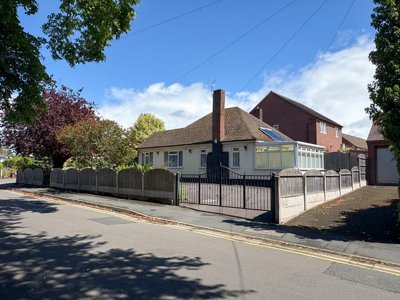
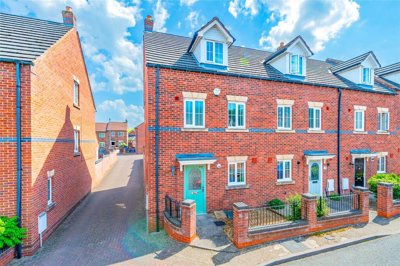
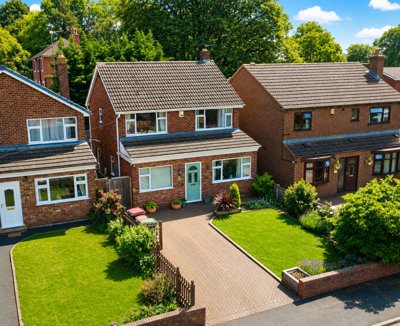
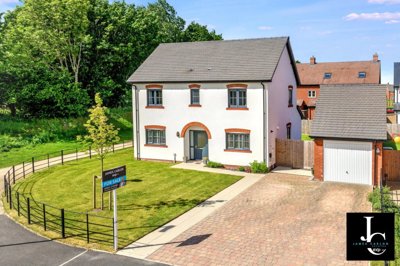
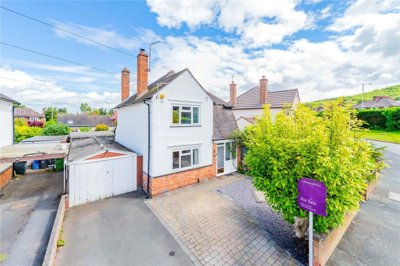
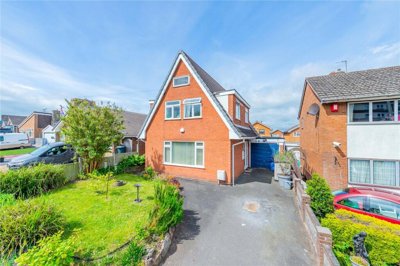
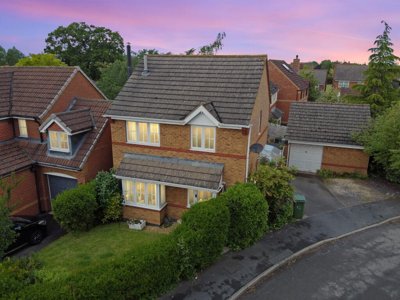
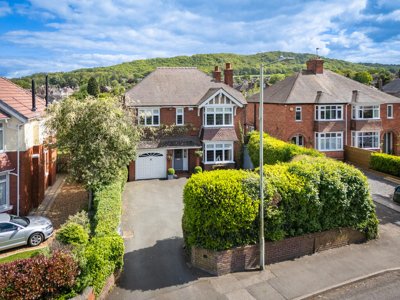
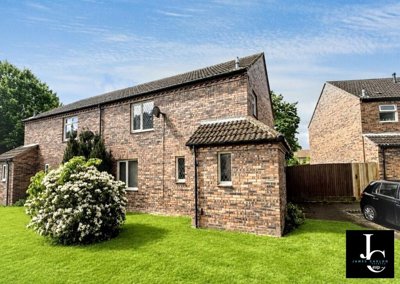
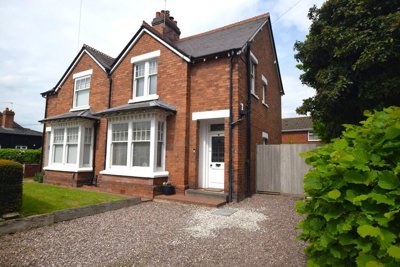
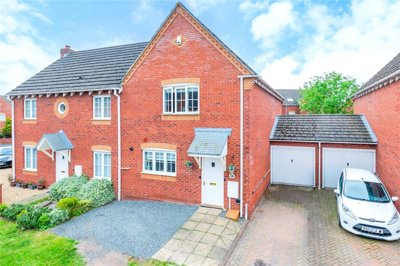
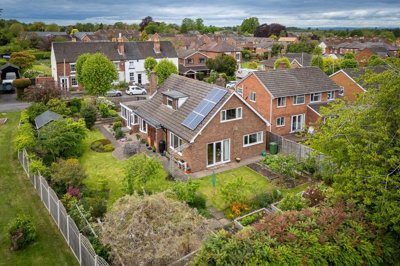
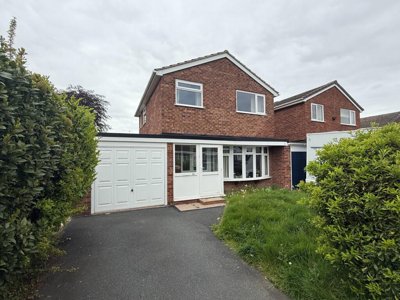
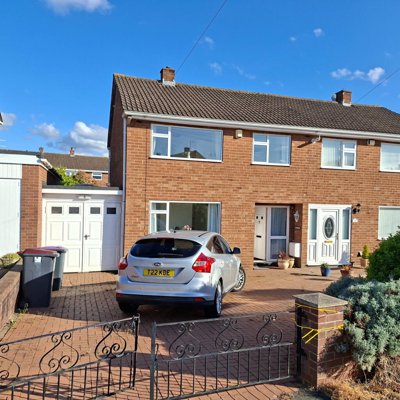
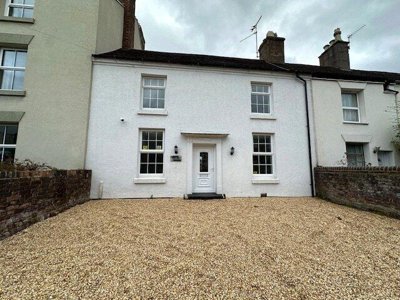
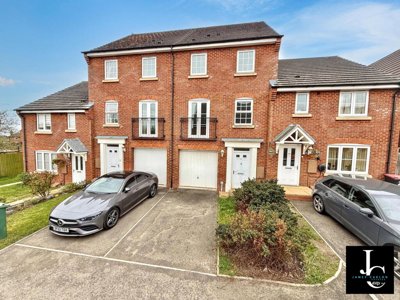
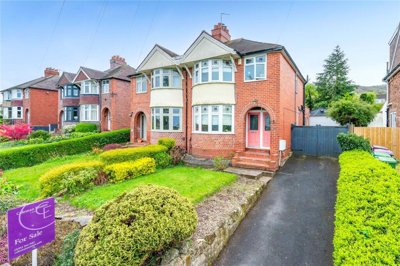
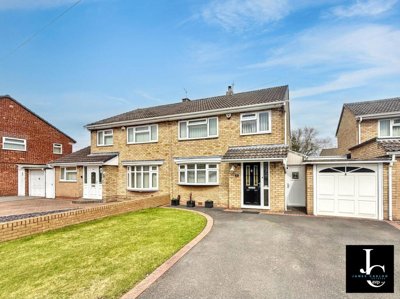
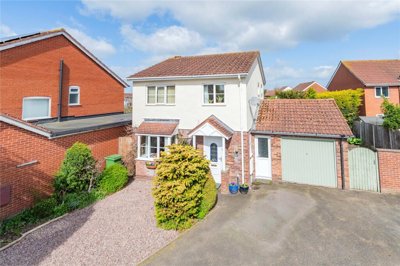
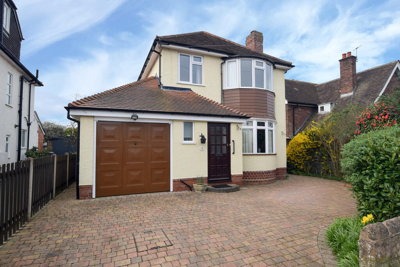
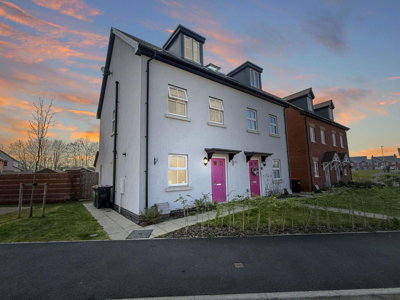
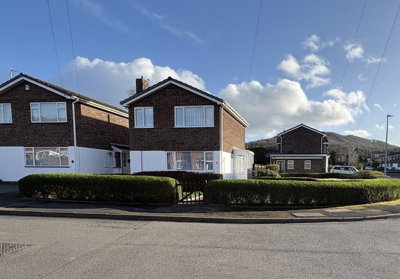
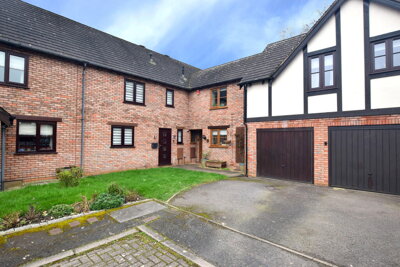
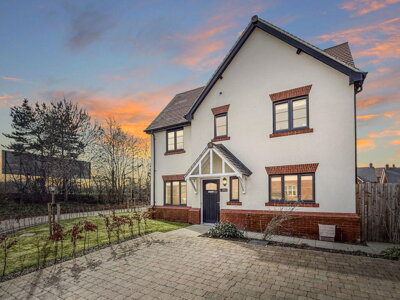
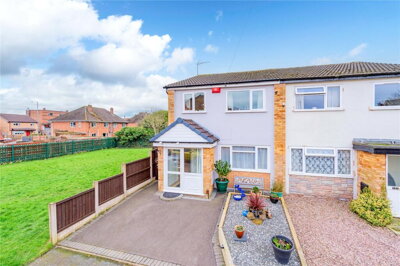
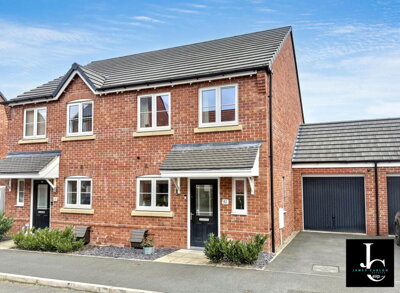
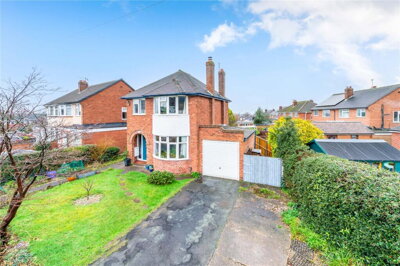
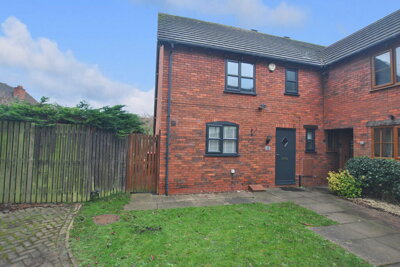
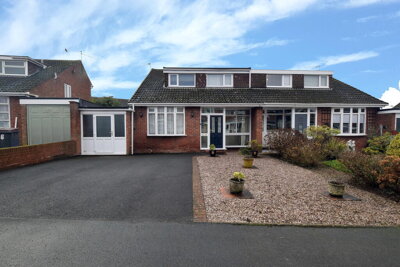
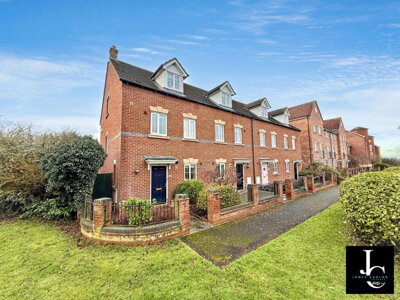
Browse 161 homes for sale in Wrockwardine, Telford and Wrekin from local estate agents.
Three bedroom properties represent a significant portion of the Wrockwardine housing market, offering space for families with multiple reception rooms and gardens in many cases. Browse detached, semi-detached, and terraced options ranging from period character homes to contemporary developments.
£293k
14
0
101
Source: home.co.uk
Showing 14 results for 3 Bedroom Houses for sale in Wrockwardine, Telford and Wrekin. The median asking price is £292,500.
Source: home.co.uk
Semi-Detached
9 listings
Avg £289,444
Detached
4 listings
Avg £500,875
Terraced
1 listings
Avg £253,000
Source: home.co.uk
Source: home.co.uk
Wrockwardine’s property market brings together heritage homes and modern family houses, and the prices reflect a location on the edge of the Shropshire countryside that plenty of buyers want. Over the last decade, approximately 807 properties have changed hands within the Wrockwardine parish boundary, which says a lot about steady demand in this sought-after village. The latest recorded sale in the Wrockwardine TF6 postcode area completed in September 2025 at £318,000, so values have held up well even as wider conditions have moved around. For Wrockwardine Wood in TF2, the average sold price over the past twelve months is £181,679 according to home.co.uk, a helpful yardstick for anyone looking across the wider market.
Across Wrockwardine and the nearby villages, the housing stock runs from traditional Victorian and Edwardian terraced cottages at around the £230,000 mark to sizeable semi-detached family homes averaging £176,300. Detached properties sit higher again, with the average reaching approximately £231,500 in Wrockwardine Wood over the past year. Over the twelve-month period, prices are up 4% on the previous year, although values are still about 7% below the peak of £210,872 recorded in 2023. That cooling from the top has left sensible buyers with a chance to pick up homes at more grounded prices, while the long-term outlook remains strong.
New build activity in the immediate Wrockwardine TF6 postcode is still limited, and most recent development has taken place in neighbouring areas rather than inside the village conservation area. Wrockwardine Parish Council has supported proposals before, including schemes at Wrockwardine Farm, while the Telford and Wrekin local plan points to around 385 net new homes across the wider council area through 2040. Those allocations are aimed at larger strategic sites elsewhere, not villages like Wrockwardine, which helps protect the character that draws buyers looking for period properties in a preserved setting.

Set against the rolling Shropshire landscape, Wrockwardine has an easygoing charm that has pulled in families and countryside lovers for generations. Its name comes from the Old English "Wroc" meaning crooked and "worthing" meaning estate or settlement, a reminder of its ancient roots on higher ground above the River Severn plain. The Wrockwardine Conservation Area, established in April 1999, keeps the village’s character intact, with Victorian red brick farmhouses, timber-framed cottages, and tall brick and stone boundary walls lining the lanes. St Peter’s Church sits at the centre of village life, while Orleton Hall, a Grade II* listed stuccoed brick manor house, speaks to the area’s aristocratic past.
Wrockwardine civil parish is surrounded by productive farmland, gentle valleys, and traditional hedgerows that support a wide range of wildlife. Walking routes link the village with nearby communities including Wrockwardine Wood, where local amenities cover convenience shopping, primary schooling, and community facilities. Across the wider Telford and Wrekin area, residents have access to major supermarkets, healthcare, leisure centres, and retail parks, all within a short drive. The local pubs do their bit too, serving hearty Shropshire food and giving newcomers an easy place to settle in.
Village life is kept active by regular events organised through the parish council and village hall, which gives the area the kind of neighbourly feel many families want from rural living. The hall hosts everything from parish council meetings to community activities, and the nearby Apley Estate adds golf and countryside walks into the mix. For families moving to Wrockwardine, those links matter. In a village of this size, people tend to know one another, and newcomers are usually folded into local groups and societies without much fuss.

For commuting, Wrockwardine is placed well enough to work for people travelling to jobs across the West Midlands and further afield. The A442 Queensway runs close by, giving direct access to Telford town centre, about 5 miles to the north, and on to the M54 motorway at Telford. From there, Wolverhampton and Birmingham are within reach, with Birmingham city centre generally reachable in under an hour by car in normal traffic. Rail users have Telford Central and Wellington stations, both on the West Coast Main Line, with direct trains to Birmingham New Street taking roughly 35-40 minutes and London Euston available via a change at Wolverhampton or Birmingham.
Arriva and other operators run local bus services linking Wrockwardine with Telford, Shrewsbury, and nearby villages, although weekends and evenings can be thin on frequency. Anyone without a car should bear that in mind when choosing where to live in the parish. Cycling has improved too, with some dedicated routes along the main roads and quieter country lanes that suit leisure rides and shorter trips. Parking in Wrockwardine village centre is usually straightforward, which is a welcome contrast to the congestion found in larger towns. Birmingham Airport is about 45 minutes by car, so international trips for work or holidays remain practical.

We recommend looking through property listings and recent sales information for Wrockwardine and the neighbouring TF2 and TF6 postcode areas. It helps to understand price movement, the kinds of homes available, and how long properties normally take to sell before the search begins. The contrast between the conservation village of Wrockwardine itself and the larger Wrockwardine Wood settlement is worth keeping in mind, because prices and property styles differ even though the two areas sit close together.
Speak to a mortgage broker early on and get an agreement in principle in place. Wrockwardine attracts families and commuters, so demand is steady and financial preparation matters before offers start going in on homes that everyone wants. Having the mortgage side sorted before viewings also puts us in a stronger position where a village market can bring out multiple interested buyers.
Arrange viewings for properties that match the brief, and make time to see the village and surrounding area at different points in the day. Older homes in the conservation area deserve close attention, especially Victorian properties and anything earlier that carries period features and the usual maintenance questions. We would also walk the country lanes and talk to local residents about village life, facilities, and any planning applications or developments that could alter the feel of the area.
Before a purchase goes any further, a qualified surveyor should inspect the property condition. With so many historic and listed buildings in Wrockwardine, a RICS Level 2 or Level 3 survey is strongly recommended so that structural or maintenance issues linked to older construction can be picked up. Timber-framed buildings and Victorian brick homes can hide problems that a basic valuation will miss, and a proper building survey can save a buyer a fair amount in repair bills later on.
We would appoint a solicitor who knows rural Shropshire property transactions well enough to handle the legal side properly. Conveyancing for homes in conservation areas or with listed building status needs close attention to planning permissions, alterations, and any encumbrances on the property. That solicitor should also carry out searches covering local authority planning history, building regulations compliance, and any environmental or mining concerns tied to the location.
Once the searches, surveys, and legal enquiries are all satisfied, contracts are exchanged and the deposit is paid. Completion usually follows within weeks, when the keys are handed over and life in Wrockwardine can begin. On completion day, there is usually time to celebrate the move and start getting to know the neighbours and the wider village community that makes this part of Shropshire such a special place to live.
Homes in Wrockwardine need careful checking because the village has such a strong heritage character and so many older building methods are still in evidence. Buildings within the Wrockwardine Conservation Area are usually brick and tile, with Victorian red brick farmhouses and timber-framed cottages among the most common property types. Many of the 56 listed buildings across the parish use traditional timber framing, which can mean specialist maintenance and building insurance issues. Buyers should check whether any works to listed properties have had the right planning consents from Telford and Wrekin Council, because unauthorised changes can turn into legal and financial headaches. St Peter’s Church, with sandstone walls and a tile roof, and Orleton Hall, with stuccoed brick, show just how varied the traditional materials are here.
The wider Wrockwardine Wood area has a history of former coal mining, and some parts of the locality needed ground remediation during housing development. For TF6, a mining search is still sensible, and buyers of older buildings should have their surveys and valuations take possible ground movement into account. The former Wrockwardine Wood Arts College site was redeveloped by Trident Housing Association in 2018, bringing bungalows, houses, and apartments with the ground conditions dealt with as part of the works. Even so, other parts of the locality may still carry mining legacy issues that need professional investigation.
Flood risk in Wrockwardine itself appears limited from the available data, although a standard drainage and water search will still confirm whether any surface water or watercourse flooding affects a particular plot. If a property comes with a large garden or agricultural boundary, we would check rights of way, public footpaths, and any agricultural tenancy arrangements that might limit how the land can be used. The gentle valleys and farmland around the village make for lovely views, but any farmland attached to a purchase needs to be understood properly.
Leasehold and freehold tenure both need careful reading in Wrockwardine, especially for apartments or bungalows that began life in former social housing developments. The Trident Housing Association scheme in Wrockwardine Wood, completed in 2018, included a mix of tenures, with affordable housing alongside private sale properties. Service charges and ground rent on leasehold homes should be examined closely before any commitment is made. Freehold houses with generous gardens make up a large share of the local stock and are often the first choice for families looking for permanence and low ongoing costs.

For the Wrockwardine TF6 postcode area, the latest recorded sale completed in September 2025 at £318,000. In nearby Wrockwardine Wood, TF2, the average sold price over the past twelve months is approximately £196,812 according to home.co.uk, while homedata.co.uk reports a slightly lower average of £181,679 for the same stretch. Semi-detached homes in the wider area average around £176,300, terraced houses fetch about £230,000, and detached properties sit higher at an average of £231,500. Prices have risen by 4% over the previous year, although they are still roughly 7% below the 2023 peak of £210,872. Wrockwardine’s conservation area status and heritage stock can push values around compared with newer developments, and period homes usually command a premium from buyers who want that village architecture.
Properties in Wrockwardine sit within Telford and Wrekin Council administration. Council tax bands range from Band A for smaller terraced cottages and flats right through to Band H for substantial period homes and country houses. The band reflects the property’s assessed value as of April 1991, so traditional two-bedroom cottages in the conservation area often fall into Bands A or B, while larger detached family homes and converted farm buildings may land in Bands E through H. Individual bands can be checked on the Valuation Office Agency website with the address or council tax reference number. Telford and Wrekin Council sets the annual charges against those bands, and residents receive the details with the council tax bill each spring.
Primary education around Wrockwardine is provided by village schools in surrounding communities, with several primary schools within easy driving distance rated Good or Outstanding by Ofsted. We always advise parents to check catchment boundaries and admissions criteria with Telford and Wrekin Council, because those can change and may affect access from particular addresses in the Wrockwardine parish. For secondary education, pupils usually go to schools in Telford such as Charlton School or The Phoenix School, both serving designated catchment areas that include parts of the locality. Several faith schools and grammar schools across the wider Telford and Shrewsbury area also draw families from Wrockwardine, giving more options for those looking for a particular educational route.
Public transport in Wrockwardine is limited, though it does function. Arriva and other operators run bus services linking the village with Telford town centre, Wellington, and Shrewsbury, but frequencies fall away on weekends and in the evenings. The X95 and 44 bus routes cover the surrounding area, giving access to Telford’s shopping centres and healthcare facilities. Rail users can get to Telford Central and Wellington stations for West Coast Main Line services to Birmingham, Manchester, and London via Wolverhampton. The M54 motorway is reachable within about 10-15 minutes by car, tying Wrockwardine into the wider motorway network. Those without a car should factor transport availability into day-to-day life, especially if commuting means weekend or late evening travel that needs advance planning.
For buyers and investors looking long term, Wrockwardine has several things going for it. Conservation area status gives some protection from unsuitable development, and the limited supply of new homes in the immediate area keeps demand for existing properties ticking along. Over 800 properties have changed hands within the Wrockwardine parish boundary over the past decade, so there is no shortage of market activity. Historic houses and period homes tend to hold their value well, though maintenance costs on older construction need to be budgeted for. The Telford and Wrekin local plan points to around 385 net new homes across the wider council area through 2040, with development focused on larger strategic sites elsewhere rather than villages like Wrockwardine, which should help protect the character that appeals to buyers wanting a rural setting with proper safeguards.
Stamp Duty Land Tax, or SDLT, applies to all purchases in Wrockwardine. Under the standard rules there is no SDLT on homes up to £250,000, then 5% on the slice from £250,001 to £925,000, 10% up to £1.5 million, and 12% above that. Since average prices in Wrockwardine sit mainly within the first band, a typical semi-detached home at £176,300 or a terraced property at £230,000 would attract no SDLT, while the most recent sale at £318,000 would incur about £3,400. First-time buyers purchasing homes up to £425,000 can claim relief, paying 5% SDLT only on the portion between £425,001 and £625,000, so many local properties fall outside the relief thresholds given current price levels.
Homes in the Wrockwardine Conservation Area bring extra planning considerations alongside the usual rules. Any external alterations, extensions, or major works to buildings in the conservation area need consent from Telford and Wrekin Council, even where those works might count as permitted development elsewhere. The aim is to preserve the village’s distinctive feel, which comes through in the Victorian red brick farmhouses, timber-framed cottages, and tall brick and stone boundary walls that shape the streets. Listed buildings, of which there are 56 across the parish and 24 within the conservation area itself, can also need listed building consent for work affecting character or appearance. Anyone thinking about renovation or extension should build those requirements into the budget and planning from the outset, and check the listed status and conservation implications with the local planning authority before committing.
Wrockwardine’s story goes back to the Anglo-Saxon period, with the village name coming from Old English terms for a crooked settlement on higher ground. It developed over centuries as an agricultural community, and many of the historic buildings still visible today date from the medieval period through to the Victorian era. St Peter’s Church, a Grade I listed building, has served the community for centuries and remains the spiritual centre of village life. The Victorian period brought significant development, especially the red brick farmhouses and associated buildings that now shape much of the conservation area. More recently, growth spread into neighbouring Wrockwardine Wood, where the former arts college site was redeveloped in 2018 by Trident Housing Association into bungalows, houses, and apartments. That mix of old heritage and careful modern development is a big part of Wrockwardine’s appeal.
From 4.5%
Expert mortgage advice for Wrockwardine property purchases
From £499
Local solicitor services for Shropshire property transactions
From £350
Condition report ideal for standard properties in Wrockwardine
From £600
Detailed building survey recommended for period properties
Buying in Wrockwardine brings a number of costs beyond the purchase price, and it is worth setting them out clearly before moving ahead. SDLT is the biggest extra item, with standard rates of 0% on the first £250,000 of a purchase, 5% on the portion between £250,001 and £925,000, and higher rates for more expensive homes. A typical semi-detached property in Wrockwardine at £176,300 would attract no SDLT, and a detached home at £231,500 would also sit below the threshold. By contrast, a substantial period home or country house at £318,000 would incur around £3,400 on the amount above £250,000.
First-time buyers purchasing homes up to £425,000 can claim relief, paying 5% SDLT only on the portion between £425,001 and £625,000, which means many Wrockwardine homes sit outside first-time buyer relief thresholds. Even terraced houses in the area average around £230,000 and period homes often go beyond £300,000, so most buyers here need to allow for SDLT above the £250,000 nil-rate point. Conveyancing fees for a Wrockwardine property usually fall between £499 and over £1,500, depending on the value, whether the title is freehold or leasehold, and how complex the transaction is.
Because the village has so many listed buildings and conservation area properties, searches covering planning permissions, building regulations compliance, and heritage designations can add to normal legal costs. A RICS Level 2 survey starts from £350, while a more detailed Level 3 building survey starts from £600, and the latter is strongly recommended for period properties because of their age and construction methods. Timber-framed cottages and Victorian brick farmhouses are common in Wrockwardine, so the fuller inspection can pick up structural movement, timber decay, and other defects that a basic valuation might miss. Mortgage arrangement fees vary by lender but usually sit between 0% and 1.5% of the loan amount, and buyers should work those into the overall figures when comparing mortgage products. Surveyor and valuation fees for mortgage purposes are typically arranged by the lender and may be bundled into the mortgage deal rather than charged separately.

Properties for Sale In London

Properties for Sale In Plymouth

Properties for Sale In Liverpool

Properties for Sale In Glasgow

Properties for Sale In Sheffield

Properties for Sale In Edinburgh

Properties for Sale In Coventry

Properties for Sale In Bradford

Properties for Sale In Manchester

Properties for Sale In Birmingham

Properties for Sale In Bristol

Properties for Sale In Oxford

Properties for Sale In Leicester

Properties for Sale In Newcastle

Properties for Sale In Leeds

Properties for Sale In Southampton

Properties for Sale In Cardiff

Properties for Sale In Nottingham

Properties for Sale In Norwich

Properties for Sale In Brighton

Properties for Sale In Derby

Properties for Sale In Portsmouth

Properties for Sale In Northampton

Properties for Sale In Milton Keynes

Properties for Sale In Bournemouth

Properties for Sale In Bolton

Properties for Sale In Swansea

Properties for Sale In Swindon

Properties for Sale In Peterborough

Properties for Sale In Wolverhampton

Enter your details to see if this property is within your budget.
Loans, cards, car finance
Estimated property budget
Borrowing + deposit
You could borrow between
Typical borrowing
Monthly repayment
Est. at 4.5%
Loan-to-value
This is an estimate only. Your actual budget may vary depending on interest rates, credit history, and personal circumstances. For an accurate affordability assessment, speak to one of our free mortgage advisors.
This calculator provides estimates for illustrative purposes only and does not constitute financial advice. Your home may be repossessed if you do not keep up repayments on your mortgage. Estimates based on 4.5% interest rate, repayment mortgage. Actual rates depend on your circumstances.
Homemove is a trading name of HM Haus Group Ltd (Company No. 13873779, registered in England & Wales). Homemove Mortgages Ltd (Company No. 15947693) is an Appointed Representative of TMG Direct Limited, trading as TMG Mortgage Network, which is authorised and regulated by the Financial Conduct Authority (FRN 786245). Homemove Mortgages Ltd is entered on the FCA Register as an Appointed Representative (FRN 1022429). You can check registrations at NewRegister or by calling 0800 111 6768.

We use cookies to show you personalised content and improve your experience of our website. Find out more in our Privacy policy and Cookie policy.