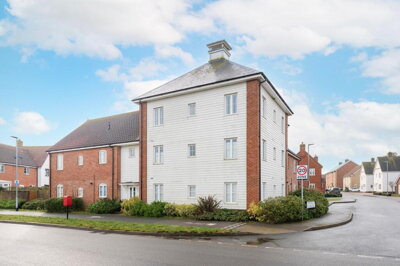
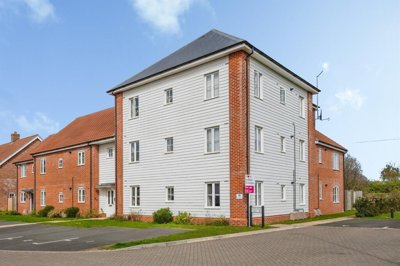
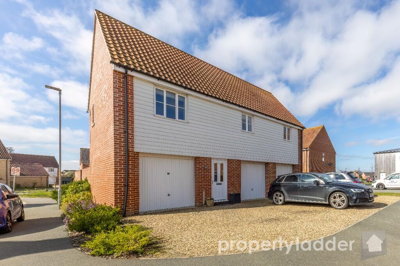
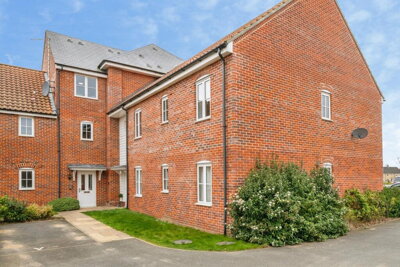
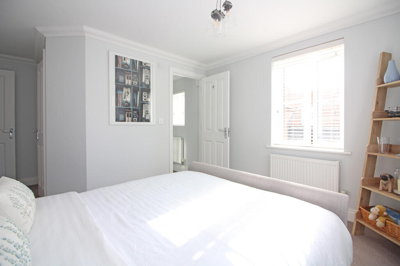
Browse 5 homes for sale in Worstead, North Norfolk from local estate agents.
The 2 bed flat sector typically includes two separate bedrooms, dedicated living areas, and bathroom facilities. Properties in Worstead span purpose-built blocks, converted period houses, and modern apartment complexes on various floors.
£0k
0
0
0
Source: home.co.uk
Showing 0 results for 2 Bedroom Flats for sale in Worstead, North Norfolk.
Worstead's property market mirrors the wider pull of North Norfolk, where buyers are looking for space, character and a better pace of life. Our current listings put detached properties at an average of £450,000, while larger period homes and farmhouses can reach higher figures. Semi-detached homes average £490,000, which still offers strong value for families wanting a village address, decent gardens and traditional features. Terraced properties in Worstead begin from around £270,000, giving an accessible route into this sought-after rural community.
Across the last 12 months, prices in Worstead have edged down by 1.2% overall, with detached homes down 1.1%, semi-detached by 1.7%, and terraced by 1.8%. That slight easing can work in buyers' favour, especially compared with the firmer seller conditions seen in earlier years. No major new-build developments have been verified within the NR12 8 postcode area, so the market is mostly made up of existing homes, including many pre-1919 properties from the days when Worstead was an agricultural centre.
Because supply is limited, a good home in Worstead rarely sits around for long. Our agents see that well-presented period cottages and houses with original features tend to move quickly, even when the broader market has cooled. Anyone looking for homes for sale in Worstead should be ready to act, while still using current conditions to negotiate sensibly.
A sizeable slice of Worstead's housing stock dates from before 1919, especially in the Conservation Area around St Mary's Church and the village green. These older homes often show classic Norfolk building methods, with brick and flint detailing, timber framing and clay tile roofs. Knowing the local stock helps narrow the search, especially for buyers weighing modern convenience against period charm.

Worstead has around 872 residents across 379 households, so it feels like a village where people recognise one another and local events are well supported. The Conservation Area protects the historic setting around St Mary's Church and the village green, and it keeps new development in step with Worstead's traditional layout and architecture. Grade I and Grade II listed buildings, including St Mary's Church and Worstead Hall (Grade II*), add real depth to the village's story. Living here means joining a place that values its heritage but still has an active present.
Agriculture still shapes much of the local economy, alongside small businesses and the tourism linked to the Norfolk Broads. The Worstead Estate and the surrounding farmland continue to define the landscape, while artisan workshops and craft businesses give the village a more creative edge. There is a village pub, a community shop, and the annual Worstead Festival, which celebrates the village's wool and textile heritage with local food, music and craft producers. For time outdoors, residents walk the countryside, cycle the quiet lanes and head to the Broads for sailing, kayaking and wildlife watching.
The Norfolk Broads National Park is only a short distance from Worstead, so residents have one of Britain's most distinctive landscapes close by. The river network opens up boating holidays, birdwatching at reserves and slow walks along the waterways. Many local people keep boats at nearby Martham or Wroxham, or hold season tickets for Broadland fishing. The Bure Valley Railway, which runs between Wroxham and Aylsham, also passes through the area and gives families an easy day out.
Several active groups and organisations keep community life in Worstead busy, and new residents are usually welcomed in quickly. The village hall hosts everything from quiz nights to craft fairs, while the local pub becomes a natural meeting place, especially in summer when the garden fills with village gatherings. For families, that close-knit feel is a major draw. Children grow up in a safe environment where local families tend to look out for one another.

Families thinking of moving to Worstead have a reasonable choice of primary and secondary schools within travelling distance. Local primary schools in nearby villages serve the area, while secondary education is available in North Walsham and Cromer. Those schools cover the NR12 postcode area and are well used by Worstead families. Norwich also offers several respected grammar schools, reached by good road and rail links from the village. That range of options makes Worstead appealing at different stages of family life.
North Walsham High School is the secondary school many Worstead families use. It offers a broad curriculum and sixth form provision, and parents say standards have improved in recent years with stronger exam results and better facilities, including sports amenities used by the wider community. The catchment includes the NR12 villages, so for many students from Worstead it is the obvious choice.
For early years and nursery care, families usually turn to childminders and preschool groups in the surrounding villages, which gives working parents a flexible mix of options. Several Ofsted-registered childcare providers operate within a 5-mile radius of Worstead, and some collect children from local primary schools. Places can be limited in rural areas, so parents are well advised to book nursery places early.
Independent schooling is available too, with Norfolk homes to Norwich High School for Girls and the King's School in Norwich. Both provide strong academic provision, though daily transport from Worstead has to be arranged. Many parents compare the appeal of the independent sector with the convenience of state schooling before deciding where to settle in the village.

Worstead is well placed for access to both the Norfolk coastline and Norwich, yet it keeps its rural character. The village sits around 4 miles from North Walsham, where direct trains to Norwich take about 30 minutes. From Norwich, commuters can reach London Liverpool Street on the East Anglian rail network in approximately 2 hours. The A149 coast road is nearby for scenic trips to Cromer and Great Yarmouth, while the A47 links Worstead with Norwich and the wider Norfolk road network.
Bus links are provided by First Norfolk and local operators, connecting Worstead with nearby villages and towns, though the service is much thinner than an urban route. The 33 bus route runs to North Walsham and Cromer, but it is usually hourly or even less frequent, particularly at weekends. Anyone planning to commute by bus should check the latest timetables carefully, because rural services have changed after reduced funding in Norfolk.
For day-to-day commuting and errands, many residents simply drive, helped by the village's position away from the worst congestion. Norwich is usually a 35-40 minute drive via the A1151 and A47, with the outer ring road helping to avoid the busiest city-centre traffic. Those travelling to London often prefer the direct train from Norwich to Liverpool Street, and there is car parking at Norwich station.
Cyclists tend to like the quiet country lanes that define the local road network, although the narrower stretches call for care. National Cycle Route 1 passes through North Norfolk, so keen riders have longer-distance routes to use. Norwich International Airport offers domestic and European destinations, and it is reachable in roughly 30 minutes' drive from Worstead.

Before starting a property search, we always suggest getting a mortgage agreement in principle from a lender. It shows estate agents and sellers that your buying position is real, and it gives a clear budget of around £475,000 for Worstead's average-priced property, or more depending on circumstances. Stamp duty, solicitor fees and survey costs all need to be added in. Our mortgage partners can help find competitive rates for Norfolk property purchases.
Have a look through our current listings to get a feel for what is available at different price points. With around 10 sales annually in the village, the market moves slowly, so knowing the area, the property types and the recent sale prices helps you spot value when it appears. It is also sensible to visit the village at different times of day to take in the atmosphere. Property age and construction type matter as well, because they have a direct effect on maintenance costs and renovation potential.
Once a property catches your eye, arrange a viewing through our platform or directly with the listed estate agent. During the visit, look closely at the building materials common in Norfolk homes, such as brick with flint detailing, clay tile roofs and the signs of age that older houses often show. Ask about any flooding history, given the local geology and the River Bure. We would recommend viewing at least twice before making an offer, with one visit at a different time of day.
Before you commit, a RICS Level 2 Survey, or HomeBuyer Report, is strongly recommended so the property's condition can be properly assessed. For a typical Worstead home, costs usually sit between £450-£700. With older properties, damp, timber defects and subsidence risk on boulder clay soils are all possibilities, so this survey gives important protection for your investment. Our team works with qualified surveyors who understand the specific issues found in North Norfolk properties.
We also advise appointing a solicitor who knows Norfolk property transactions well. They will handle searches, review the contracts and deal with your mortgage lender. Conservation Area status in Worstead, along with any Listed Building considerations, may mean extra checks and specialist advice during conveyancing. Our conveyancing partners offer fixed-fee packages for Worstead property purchases.
Once the survey is satisfactory and the contract terms are agreed, contracts are exchanged and the deposit is paid. Completion usually follows within 2-4 weeks, then the keys are handed over and the move into Worstead can begin. Our team stays in touch throughout, answering questions and keeping the process moving.
The local geology brings some specific issues for Worstead buyers. Boulder clay soils across North Norfolk have moderate to high shrink-swell potential, so foundations can be affected by moisture changes, especially where mature trees are nearby. Older homes built before modern foundation standards may show movement or cracking, which is why a thorough survey matters. Keep an eye out for large trees near the building, uneven floors and crack patterns that could point to historical or ongoing subsidence issues needing foundation work.
Flood risk varies around the village. Properties close to the River Bure and its tributaries have river flooding potential, while low-lying spots can suffer surface water flooding during heavy rainfall. Our research shows medium to high surface water flood risk in some parts of Worstead, so the Environment Agency flood maps should be checked for each property, and insurance needs to be allowed for in the budget. The positive point is that Worstead sits inland and has no direct coastal flood risk from the North Sea.
Buying a Listed Building, or a home within the Worstead Conservation Area, brings extra planning controls. Listed Building Consent can be needed for changes such as window replacements, extensions and even some internal alterations. Properties of this kind often call for specialist surveyors and contractors who understand traditional materials and methods. Upkeep can cost more, but the character and architectural importance make them highly appealing to the right buyers.
In Worstead's older homes, the defects we most often see are damp from poor or missing damp-proof courses, timber problems such as woodworm and wet rot in floor joists and roof structures, and old electrical systems that need bringing up to current standards. Our surveyors regularly come across these issues in pre-1919 properties in the village, which is why we strongly recommend a RICS Level 2 Survey before purchase. Any repair costs should be allowed for in both the offer price and the renovation budget.

The average house price in Worstead is currently £472,188, based on recent sales data. Detached properties average £450,000, semi-detached homes £490,000, and terraced properties around £270,000. Over the last 12 months, prices have fallen by 1.2%, so buyers may find some room for negotiation in a market where conditions can be kinder than in previous years. With limited supply and strong demand for North Norfolk village homes, it makes sense to move quickly when the right property appears.
For council tax, properties in Worstead sit within North Norfolk District Council. Bands range from Band A for the lower-value homes through to Band H for the most valuable properties. Most traditional village houses, including period cottages and farmhouses, usually fall between Bands B to E. To check the exact band, use the Valuation Office Agency website or the property listing details. Council tax in the NR12 8 area is generally in line with other rural North Norfolk villages.
Worstead does not have its own primary school, but the surrounding villages provide the local primaries that serve the community. Secondary education is available in North Walsham and Cromer, with further education options in Norwich. Families should confirm current catchment areas with Norfolk County Council, as these can affect school allocations. Norwich also gives access to grammar school options for secondary students, and the transport links from Worstead make that a workable choice for families looking for academic selective education. The village's closeness to good schools in nearby towns keeps it popular with families at different stages of school life.
Public transport from Worstead is limited, with buses linking the village to neighbouring towns but running less often than urban services. The nearest railway station is in North Walsham, about 4 miles away, and it offers direct services to Norwich in around 30 minutes, plus onward connections to London and other major cities. Most residents depend on private cars for commuting and everyday errands, although cycling is common on the quiet country lanes. The village's position on the A149 coast road and its proximity to the A47 also give good road access to Norwich and the wider region.
Several things make Worstead appealing for property investment. The Conservation Area status and the concentration of Listed Buildings help protect values by curbing over-development and preserving the village character. Demand for North Norfolk village homes remains steady, driven by buyers who want rural living, access to the Broads and an easy route to the coast. Limited new-build supply means existing period properties should keep their appeal. Even so, investors need to remember the small market size, around 10 sales annually, and the premium that comes with heritage status when weighing rental yields and capital growth potential.
Stamp duty on Worstead purchases follows the standard England rates. For residential purchases, the rate is 0% on the first £250,000, 5% on £250,001 to £925,000, 10% on £925,001 to £1.5 million, and 12% on anything above £1.5 million. First-time buyers get relief on the first £425,000 at 0%, with 5% due on £425,001 to £625,000. At Worstead's average price of £472,188, a first-time buyer would pay no stamp duty, while a buyer who already owns property would pay £11,100.
Because Worstead has a high proportion of older homes built before modern construction standards, the usual defects include damp issues, rising damp, penetrating damp and condensation, timber problems such as woodworm and wet or dry rot, and outdated electrical wiring that no longer meets current regulations. Homes on boulder clay soils can show subsidence or foundation movement, particularly where large trees are nearby. Our surveyors also often find roof deterioration, ageing plumbing systems and inadequate insulation in pre-1970s properties. A thorough RICS Level 2 Survey will pick up these problems before you commit to purchase.
Flood risk is not the same everywhere in Worstead. Properties close to the River Bure face the highest river flood risk, while low-lying areas can suffer surface water flooding in heavy rain. Our research points to medium to high surface water flood risk in parts of the village, so the Environment Agency flood maps should be checked for each specific property. Homes near river tributaries and in topographic low points deserve particular attention. The useful part is that Worstead sits inland and has no coastal flood risk from the North Sea, unlike some North Norfolk villages nearer the shoreline.
From 4.5% APR
Competitive mortgage rates for Worstead property purchases
From £499
Expert solicitors for Norfolk property transactions
From £450
Comprehensive survey for Worstead properties
From £85
Energy performance certificate required for sale
Buying in Worstead involves a number of costs beyond the purchase price. The biggest is Stamp Duty Land Tax, or SDLT, which applies to all property purchases above £250,000. At the current average price of £472,188, someone who already owns property would pay £11,100 in stamp duty, worked out at 5% on the amount above £250,000. First-time buyers at the average price would pay no SDLT because of the relief available up to £425,000. Properties priced above £625,000 do not qualify for first-time buyer relief, so movers looking at higher-value Worstead homes should budget with care.
On top of stamp duty, buyers should allow for solicitor conveyancing fees of roughly £500 to £1,500, depending on how complex the transaction is, plus search costs of around £300-£400 for local authority, drainage and environmental checks. A RICS Level 2 Survey usually costs £450-£700 for typical Worstead properties, while an Energy Performance Certificate, which is mandatory, costs from £85. Mortgage arrangement fees vary by lender but often sit between 0% and 1.5% of the loan amount. If the property is a Listed Building, there may also be specialist survey costs and the need for suitable materials and contractors for any renovation work, which can increase both upfront and ongoing maintenance costs compared with standard homes.
For a typical Worstead property at the average price of £472,188, the total buying bill, including stamp duty, survey, conveyancing and mortgage fees, usually comes to between £12,000 and £20,000 for buyers who already own property. First-time buyers can expect total buying costs of around £7,000 to £12,000. Our team can give a full breakdown of the likely costs based on the property you choose and your own circumstances.

Properties for Sale In London

Properties for Sale In Plymouth

Properties for Sale In Liverpool

Properties for Sale In Glasgow

Properties for Sale In Sheffield

Properties for Sale In Edinburgh

Properties for Sale In Coventry

Properties for Sale In Bradford

Properties for Sale In Manchester

Properties for Sale In Birmingham

Properties for Sale In Bristol

Properties for Sale In Oxford

Properties for Sale In Leicester

Properties for Sale In Newcastle

Properties for Sale In Leeds

Properties for Sale In Southampton

Properties for Sale In Cardiff

Properties for Sale In Nottingham

Properties for Sale In Norwich

Properties for Sale In Brighton

Properties for Sale In Derby

Properties for Sale In Portsmouth

Properties for Sale In Northampton

Properties for Sale In Milton Keynes

Properties for Sale In Bournemouth

Properties for Sale In Bolton

Properties for Sale In Swansea

Properties for Sale In Swindon

Properties for Sale In Peterborough

Properties for Sale In Wolverhampton

Enter your details to see if this property is within your budget.
Loans, cards, car finance
Estimated property budget
Borrowing + deposit
You could borrow between
Typical borrowing
Monthly repayment
Est. at 4.5%
Loan-to-value
This is an estimate only. Your actual budget may vary depending on interest rates, credit history, and personal circumstances. For an accurate affordability assessment, speak to one of our free mortgage advisors.
This calculator provides estimates for illustrative purposes only and does not constitute financial advice. Your home may be repossessed if you do not keep up repayments on your mortgage. Estimates based on 4.5% interest rate, repayment mortgage. Actual rates depend on your circumstances.
Homemove is a trading name of HM Haus Group Ltd (Company No. 13873779, registered in England & Wales). Homemove Mortgages Ltd (Company No. 15947693) is an Appointed Representative of TMG Direct Limited, trading as TMG Mortgage Network, which is authorised and regulated by the Financial Conduct Authority (FRN 786245). Homemove Mortgages Ltd is entered on the FCA Register as an Appointed Representative (FRN 1022429). You can check registrations at NewRegister or by calling 0800 111 6768.

We use cookies to show you personalised content and improve your experience of our website. Find out more in our Privacy policy and Cookie policy.