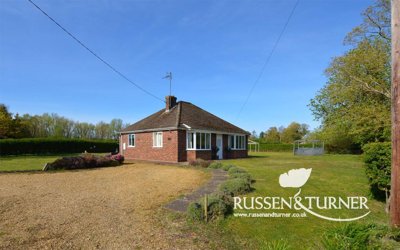
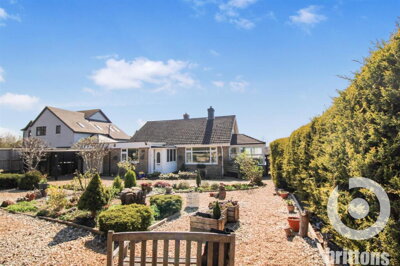
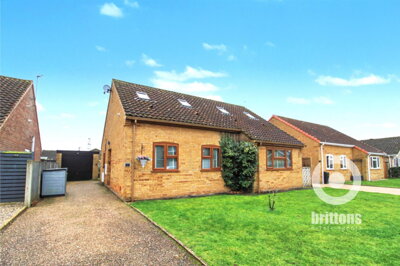
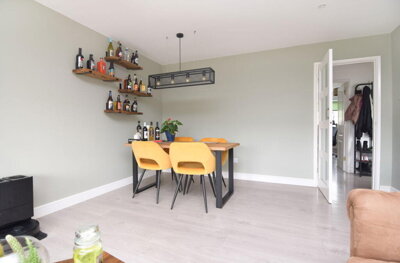
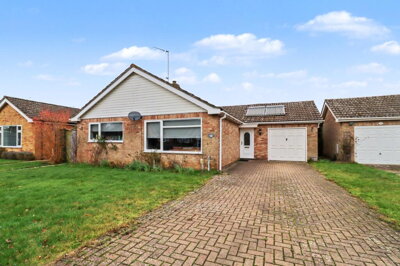
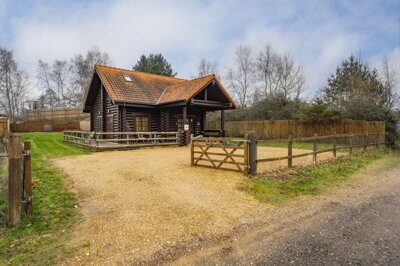
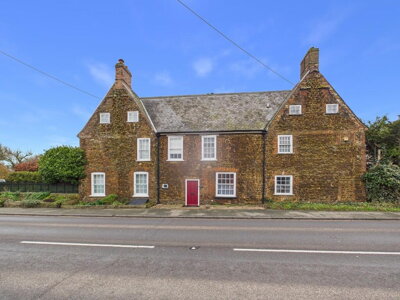
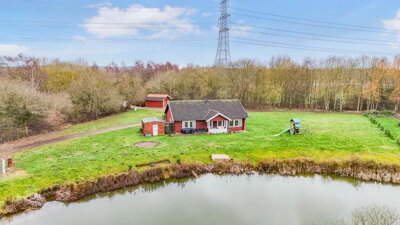
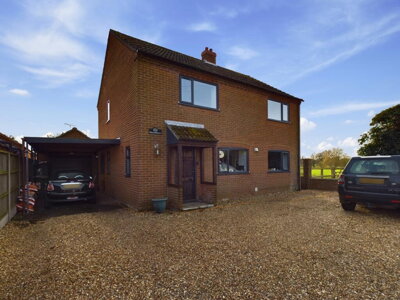
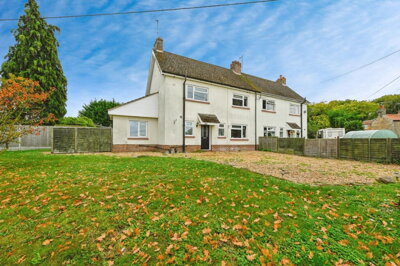
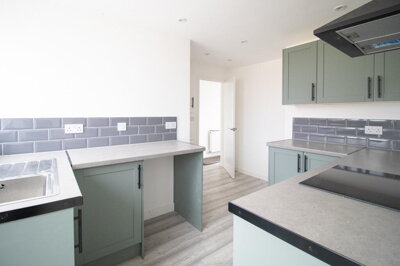
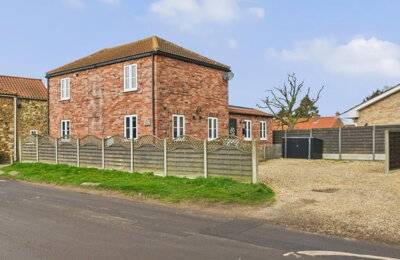
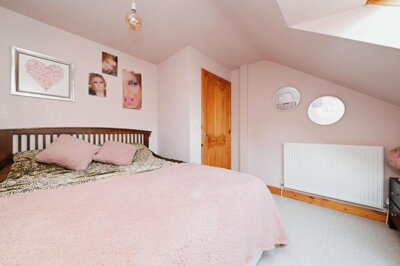
Browse 13 homes for sale in Wormegay, King's Lynn and West Norfolk from local estate agents.
Three bedroom properties represent a significant portion of the Wormegay housing market, offering space for families with multiple reception rooms and gardens in many cases. Browse detached, semi-detached, and terraced options ranging from period character homes to contemporary developments.
£0k
0
0
0
Source: home.co.uk
Showing 0 results for 3 Bedroom Houses for sale in Wormegay, King's Lynn and West Norfolk.
Wormegay’s property market has a useful spread of homes for different budgets. Detached houses sit at the top end, averaging £558,333, which reflects the value placed on space, privacy and the larger plots usually tied to standalone homes in rural Norfolk. Semi-detached properties offer a cheaper route in, at around £180,000 on average, while terraced homes have changed hands between £183,000 and £222,500, bringing a bit of character at prices that still make sense for first-time buyers and downsizers.
Character is a strong thread here. Listings regularly mention period homes and chocolate box cottages, the sort of places that suit buyers drawn to traditional English village life. Much of the stock dates from between 1800 and 1911, and that historical spread gives Wormegay much of its look and feel. We have not identified any active new-build schemes in the village itself, but older homes can still offer room for renovation or extension, and the year-on-year price growth points to healthy demand from people who want to settle in this community.
Castle Road tells a slightly different story. Over the last year, homes there averaged £437,500, which is 78% above the previous year but still 12% below the 2022 peak. That kind of variation is why street-by-street research matters in a village market, because value can shift quite a bit from one road to the next. Recent sales there have been dominated by detached homes, underlining Wormegay’s pull for families and for buyers who put space and privacy ahead of town-centre convenience.

Daily life in Wormegay follows the quieter pace of rural Norfolk, with strong local ties and open countryside on the doorstep. The village sits within the King’s Lynn and West Norfolk borough, which stretches from the coast near Hunstanton through to the agricultural land around Wormegay. Farming remains a visible part of the area’s identity and economy, and the surrounding fields add to the wider district’s appeal. Although the village is small, it still has the essentials people need for day-to-day living without constant trips to a larger town.
Wormegay sits within the PE33 postcode area alongside several neighbouring villages, so it forms part of a wider rural cluster rather than standing alone. Around PE33 0SB, the main property type is period houses built between 1800 and 1911, which speaks to the depth of settlement in this part of Norfolk. Homes described as character properties or chocolate box cottages usually point to Victorian and Edwardian influences, with brickwork, pitched roofs and details that belong to earlier building eras. The setting also gives easy access to countryside walks, wildlife and the sort of rural scenery that keeps drawing buyers back to Norfolk villages.
Wormegay has the benefit of being small enough to feel intimate, yet close enough to larger places to stay connected. Village halls, local events and casual get-togethers give the area its social rhythm, and long-standing residents often value that as much as the houses themselves. The surrounding countryside opens up footpaths, cycling routes and other outdoor options across West Norfolk’s flat landscape. For buyers weighing up the Wormegay market, the lifestyle blend is fairly straightforward, rural character on one side, reasonable access to work, services and culture in nearby towns on the other.

Families looking at Wormegay will find schools within a practical travelling distance across King’s Lynn and West Norfolk. Nearby villages provide primary education, and several Ofsted-rated good and outstanding schools are only a short drive away. Those smaller schools often bring strong community links and a more personal approach to teaching, which is one of the main reasons parents choose them. Being in Norfolk also gives families a choice between local community primaries and more specialised provision, depending on catchment and preference.
Secondary choices across West Norfolk include King’s Lynn’s grammar schools and a number of secondary schools serving Wormegay and the villages around it. Because the county uses a selective admissions system, grammar places depend on exam performance, so catchment areas and entry rules are worth checking carefully before buying. King’s Lynn itself has several schools offering GCSE and A-Level routes, and some have sixth form provision too, which can save older pupils from having to travel farther for advanced study.
For younger children, there are nurseries and pre-school settings in nearby villages, giving working parents a bit of flexibility. Further education is available at colleges in King’s Lynn, where students can choose vocational courses, apprenticeships and academic programmes if they do not want to follow the usual A-Level route. Access to these options matters for families looking at rural homes like Wormegay, and we would suggest visiting prospective schools before committing to a purchase so the educational offer matches the family’s needs.

Road travel does most of the heavy lifting in Wormegay, which is exactly what you would expect from a rural village. The A10 is within a reasonable distance and gives a direct line north to King’s Lynn and south towards Ely and Cambridge. For commuters, the road network also links to Norwich, around 40 miles to the east, and to Peterborough in the southwest. The A47 runs through the wider West Norfolk area too, giving access towards Norwich and connections to the national motorway network via the A1 at nearby junctions.
Public transport is available, but it is modest rather than frequent. Local bus services link Wormegay with market towns and larger settlements nearby, which means residents can reach shops, healthcare and other facilities without relying entirely on a car. That said, journeys tend to take more planning than they would in a city, especially for appointments or shopping trips with fixed return times. Some residents make a workable routine out of buses, with the odd taxi journey when needed, and that can keep day-to-day costs lower than running a second vehicle.
King’s Lynn railway station is about 10 miles from Wormegay and connects the area to Cambridge, London Liverpool Street via Ely, and Norwich. The trip to London Liverpool Street takes roughly two and a half hours, so it is possible for people with flexible or hybrid working patterns. For flights, Norwich Airport handles domestic and international routes, while London Stansted and London Luton give broader options, both within a driving time of around 90 minutes for those heading further afield.

A good starting point is to look at current listings in Wormegay so you can see what is actually on the market, what prices are being asked, and which kinds of homes are available. With an average price of £463,750, and homes ranging from terraced properties at around £180,000 to detached houses above £550,000, it helps to set a budget and a shortlist early. We would also register with several estate agents and property portals, so alerts land as soon as new Wormegay properties match your criteria.
After you have a shortlist, book viewings through the estate agents listing homes in Wormegay. It is sensible to visit at different times of day, so you can get a proper sense of the village, traffic and general atmosphere. Note the condition of each property, the size of the garden and anything that may need repair or updating. Seeing several homes side by side quickly shows which ones are fairly priced and which are simply pitched too high.
Before putting in an offer, get a mortgage agreement in principle from a lender. Sellers and estate agents see that as a sign you are ready to proceed, which can help when negotiations start. It is worth speaking to a few lenders, or using a mortgage broker, to compare rates and find the product that suits your situation. Having that finance in place before you offer shows that you are serious and can move without unnecessary delay.
Many of Wormegay’s homes, including period houses built between 1800 and 1911, are old enough to justify a Level 2 survey before completion. A homebuyer report can pick up defects, structural concerns and maintenance needs, giving buyers the information needed to make a sensible decision and, if necessary, to ask for a price change. Our inspectors know older Norfolk properties well and understand the recurring issues that tend to show up in rural villages like Wormegay.
It is sensible to appoint a solicitor or licensed conveyancer to handle the legal side of the purchase. They will carry out searches, review the contract and deal with the seller’s representatives so the process keeps moving. Local knowledge can be useful in Norfolk, especially where drainage, rights of way or planning restrictions might affect a home in Wormegay. We work with conveyancing partners who understand the local market and can keep the transaction moving in the right direction.
Once the searches come back clean and the money is in place, your solicitor will arrange exchange of contracts and agree a completion date. On completion day, the final funds go to the seller’s solicitor and the keys to your new Wormegay home are handed over. It is wise to leave room for the practical bits too, moving arrangements, utility transfers and any immediate maintenance flagged during the survey.
Buyers in Wormegay should pay close attention to age and construction, because much of the village housing stock comes from earlier periods. Homes built between 1800 and 1911 need a careful look at roofs, timber frames and original windows, all of which can carry hidden wear. Many of these properties have also been altered over time, so it helps to understand what has been improved, when, and how well it was done. Our surveyors often come across period-house issues that are easy to miss at a viewing, including structural problems, outdated services and long-running maintenance backlogs.
The rural setting also brings a few practical checks that should not be skipped. Some homes rely on private water supplies, septic tanks or oil heating, all of which come with different running costs and upkeep from a house connected to mains services. Broadband availability and capacity are worth checking as well, since rural connections can affect working-from-home arrangements. Outbuildings, boundary fences and driveways can look minor during a viewing, but replacing or repairing them can be expensive.
Energy performance varies widely in these period properties. Some older homes need investment in insulation, heating systems or double glazing before they come close to modern standards. Where a property has solid walls rather than cavity wall construction, heating bills can be higher and improvements may be harder to carry out without changing the character of the house. When viewing the Wormegay market, it is sensible to ask about recent boiler work, roof insulation and window replacement, because those upgrades make a real difference to both comfort and running costs.
Flood risk should be checked carefully in rural Norfolk, where waterways and low-lying ground create different levels of exposure from one area to another. A flood risk report, together with Environment Agency maps, helps clarify the position for specific Wormegay properties. Homes close to water features or in lower positions deserve extra scrutiny, including any history of flooding or water damage mentioned in surveys or by the seller.

Based on sales data, the average house price in Wormegay over the last year was £463,750. Detached homes average £558,333, semi-detached properties sold for around £180,000, and terraced houses have gone through at £183,000 to £222,500. Activity has been strong too, with 71 properties sold in the past year, up 89% on the previous year, although prices are currently about 7% below the 2022 peak of £500,000. On Castle Road, homes have averaged £437,500 and sit 12% below their 2022 peak.
Homes in Wormegay fall under the King’s Lynn and West Norfolk Council tax band system, with bands from A through to H based on the property’s assessed value as of April 1991. In rural Norfolk villages, most period cottages and terraced homes usually sit in bands A to C, while larger detached houses and newer conversions are more likely to be in higher bands. A band D property in the borough currently comes in at around £1,800 per year, though that changes with banding and the annual review. Buyers should check the exact band for any property they are considering, because it is part of the ongoing cost of owning a home in Wormegay.
Primary schooling for Wormegay is provided by nearby Norfolk villages, and several of those schools have positive Ofsted ratings within easy travelling distance. In West Norfolk, village primaries often serve small catchments, so living close to a particular school can carry weight in admissions alongside the other criteria. The wider King’s Lynn and West Norfolk area also gives access to more primary and secondary options, including grammar schools through the county’s selective admissions process. Parents should check current catchment areas and entry arrangements, as these can change and affect where places are allocated.
Bus services serving Wormegay link the village with nearby towns and larger settlements across West Norfolk. Services to King’s Lynn usually run several times each day, although timings and frequency should be checked nearer to moving day because rural routes can change. King’s Lynn is also the nearest railway station, with trains to Cambridge, London Liverpool Street via Ely, and Norwich, and the London journey taking about two and a half hours. For everyday commuting, owning a car is still a clear advantage in a rural setting, though some buyers in the Wormegay property market may travel less often if they work flexibly.
The Wormegay property market has seen healthy activity and price growth, with year-on-year increases of 89% showing strong demand for homes in this part of rural Norfolk. The village sits within the King’s Lynn and West Norfolk district, and limited new-build supply nearby is likely to keep interest steady from buyers who want village living but still need access to larger towns. Period homes with character may appeal to investors looking for improvement opportunities, although any purchase should still be tested against local market conditions, holding costs and likely rental demand before a decision is made.
Stamp duty Land Tax on a Wormegay property follows the standard England rates unless first-time buyer relief applies. For standard purchases, the rate is 0% on the first £250,000, 5% from £250,001 to £925,000, and 10% on amounts between £925,001 and £1.5 million. First-time buyers get relief on the first £425,000, then pay 5% between £425,001 and £625,000, with no relief above that level. On a typical Wormegay home at the village average of £463,750, a standard buyer would pay £10,687 in stamp duty, while a first-time buyer would pay £1,937.
From 4.5% APR
Compare mortgage deals from leading lenders
From £499
Expert solicitors handling your legal work
From £350
Professional survey by RICS qualified inspectors
From £80
Energy performance certificate for your property
There is more to budget for than the purchase price itself when buying in Wormegay. Stamp duty Land Tax is one of the bigger costs, with the standard rates kicking in above £250,000. On a typical property at £463,750, a buyer on the standard rate would pay £10,687, while a first-time buyer using the relief would pay £1,937 on the same home. Getting those figures right from the start helps avoid a funding gap that could slow, or even undo, the purchase at a crucial stage.
Conveyancing fees usually sit somewhere between £500 and £1,500, depending on how complex the transaction is and whether the property is freehold or leasehold. Searches ordered by the solicitor, including local authority, drainage and environmental checks, tend to cost £250 to £400, although some rural homes need extra specialist searches. Survey charges depend on the property and the level of inspection chosen, with a RICS Level 2 survey starting from about £350 for standard houses. Because period homes are so common in the Wormegay market, our inspectors often suggest a detailed RICS Level 3 survey for older houses, where structural issues may not show up in a standard inspection.
There are still more costs to factor in, including mortgage arrangement fees, valuation fees and broker charges. Mortgage arrangement fees can be anywhere from £0 to £2,000, depending on lender and product, while valuation fees change with the property value and the lender’s requirements. Moving to Wormegay from another area can also bring removal charges, storage costs if needed, and utility connection fees at the new property. Buildings insurance needs to start from ownership, usually on completion day, when legal responsibility for the property passes over.
After completion, the ongoing bills are council tax, utilities and a sensible reserve for maintenance. Setting aside money equal to roughly 10% of your purchase price for those extra costs makes the move into a Wormegay home far more comfortable. Many buyers do not fully allow for the way these expenses build up, especially with older houses that may need prompt attention to issues found in the survey. An emergency fund covering several months of mortgage payments gives a useful buffer if repairs crop up or circumstances change after the purchase.

Properties for Sale In London

Properties for Sale In Plymouth

Properties for Sale In Liverpool

Properties for Sale In Glasgow

Properties for Sale In Sheffield

Properties for Sale In Edinburgh

Properties for Sale In Coventry

Properties for Sale In Bradford

Properties for Sale In Manchester

Properties for Sale In Birmingham

Properties for Sale In Bristol

Properties for Sale In Oxford

Properties for Sale In Leicester

Properties for Sale In Newcastle

Properties for Sale In Leeds

Properties for Sale In Southampton

Properties for Sale In Cardiff

Properties for Sale In Nottingham

Properties for Sale In Norwich

Properties for Sale In Brighton

Properties for Sale In Derby

Properties for Sale In Portsmouth

Properties for Sale In Northampton

Properties for Sale In Milton Keynes

Properties for Sale In Bournemouth

Properties for Sale In Bolton

Properties for Sale In Swansea

Properties for Sale In Swindon

Properties for Sale In Peterborough

Properties for Sale In Wolverhampton

Enter your details to see if this property is within your budget.
Loans, cards, car finance
Estimated property budget
Borrowing + deposit
You could borrow between
Typical borrowing
Monthly repayment
Est. at 4.5%
Loan-to-value
This is an estimate only. Your actual budget may vary depending on interest rates, credit history, and personal circumstances. For an accurate affordability assessment, speak to one of our free mortgage advisors.
This calculator provides estimates for illustrative purposes only and does not constitute financial advice. Your home may be repossessed if you do not keep up repayments on your mortgage. Estimates based on 4.5% interest rate, repayment mortgage. Actual rates depend on your circumstances.
Homemove is a trading name of HM Haus Group Ltd (Company No. 13873779, registered in England & Wales). Homemove Mortgages Ltd (Company No. 15947693) is an Appointed Representative of TMG Direct Limited, trading as TMG Mortgage Network, which is authorised and regulated by the Financial Conduct Authority (FRN 786245). Homemove Mortgages Ltd is entered on the FCA Register as an Appointed Representative (FRN 1022429). You can check registrations at NewRegister or by calling 0800 111 6768.

We use cookies to show you personalised content and improve your experience of our website. Find out more in our Privacy policy and Cookie policy.