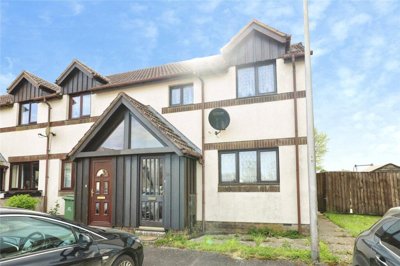
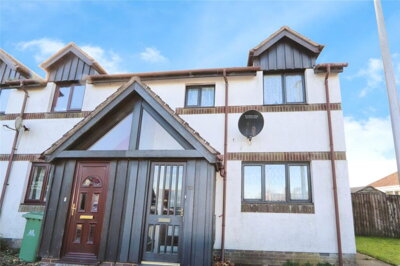
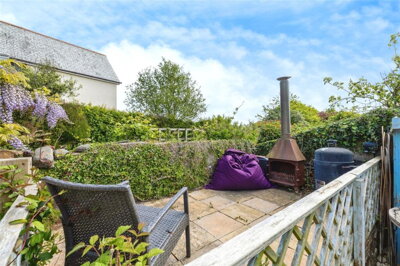
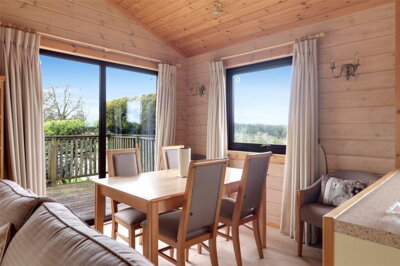
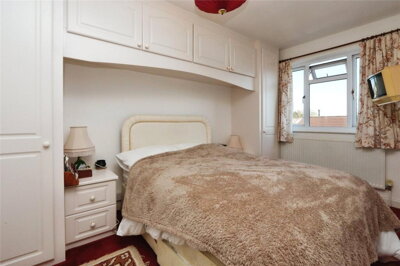
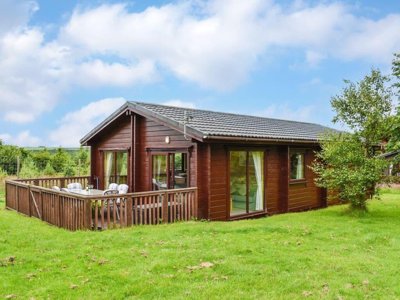
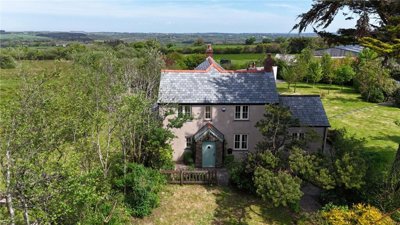
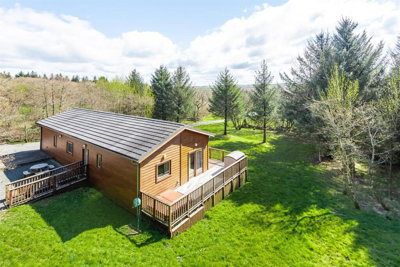
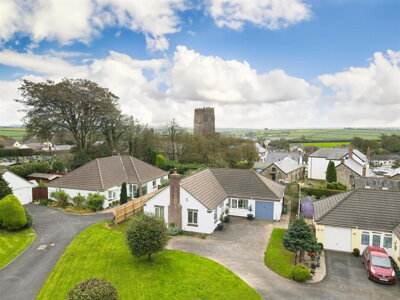
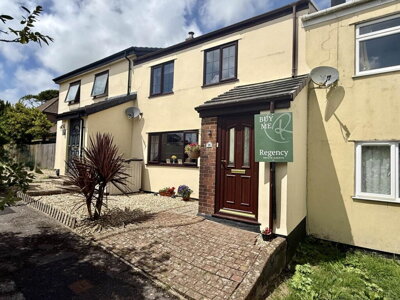
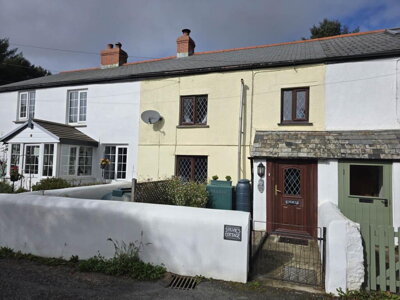
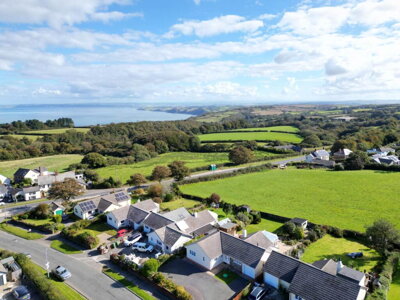
Browse 17 homes for sale in Woolfardisworthy, Torridge from local estate agents.
Three bedroom properties represent a significant portion of the Woolfardisworthy housing market, offering space for families with multiple reception rooms and gardens in many cases. Browse detached, semi-detached, and terraced options ranging from period character homes to contemporary developments.
£233k
2
0
155
Source: home.co.uk
Showing 2 results for 3 Bedroom Houses for sale in Woolfardisworthy, Torridge. The median asking price is £232,500.
Source: home.co.uk
Terraced
2 listings
Avg £232,500
Source: home.co.uk
Source: home.co.uk
Woolfardisworthy's property market offers a strong option for buyers after characterful homes at sensible prices. Detached homes sit at the top end of the local market, with current listings averaging £375,000. They tend to come with generous gardens, traditional local stone and slate construction, and flexible layouts that suit families or people working from home. That premium reflects both the rural setting and the limited number of larger homes in this compact village. Census data shows that approximately 45% of properties in Woolfardisworthy are detached, so this is the main housing type in the village and a clear sign of the preference for spacious family accommodation in rural Devon.
Semi-detached homes in Woolfardisworthy average around £275,000, which makes them good value beside similar houses in more urban parts of Devon. Many date from the mid-20th century, with a large number built between 1945 and 1980 using traditional methods that have stood the test of time. They account for approximately 30% of the local housing stock and sit neatly between affordability and village living. Terraced properties offer the lower entry point at approximately £200,000 and make up about 15% of available homes, while flats are still rare at around £150,000, a reflection of the village's mainly houses-only character.
Flats are thin on the ground, so anyone after ground-floor living or a retirement move needs to be ready to move fast when one appears. With only around 10% of the housing stock made up of flats, apartments attract strong interest whenever they come to market. Most sales in Woolfardisworthy are for houses, helped by the generous plot sizes and garden space that are so typical here. The steady 2.5% annual price increase shows that demand continues to run ahead of supply, which makes the current market a sensible moment to buy before values climb again.

Woolfardisworthy has the easy-going feel that many people look for in rural Devon, where life moves at a gentler pace and neighbours know one another. The housing mix is part of that appeal, with approximately 35% of properties built before 1919 using traditional materials such as local stone, cob, and slate. Those older homes give the village its distinct look, while the 30% built between 1945 and 1980 bring more modern layouts for today's buyers. The rest of the stock is spread across the post-war decades, so the streetscape tells the story of more than a century of building in North Devon. That variety adds interest and gives buyers a wider spread of styles, sizes, and budgets to choose from.
Agriculture and tourism sit at the centre of the local economy, and many residents happily combine rural life with commuting to larger towns for work. Bideford and Barnstaple act as the main employment hubs, reached by country roads that cut through some of Devon's best scenery. Village life gathers around the historic centre, where the Grade I listed Church of St Mary anchors centuries of local heritage. Day to day needs are met by a village shop, local pub, and community facilities that host regular events across the year, and the village hall plays a big part too, with craft groups, fitness classes, seasonal celebrations, and meetings all finding a place there.
For anyone who likes the outdoors, Woolfardisworthy is a fine base for exploring the North Devon countryside. There are plenty of public footpaths and bridleways nearby, threading through farmland and woodland for dog walks, hikes, and cycling routes. Exmoor National Park is close enough to open up moorland scenery and coastal paths, while the River Torridge and its tributaries bring fishing and wildlife watching into easy reach. The rural setting also means dark skies are common, so stargazing is possible without the light pollution that comes with urban living.

The village primary school serves the local community with early years and Key Stage 1 provision right in Woolfardisworthy itself. Parents often point to the quality of primary education and the supportive atmosphere as major reasons for making the move. Class sizes are small by comparison with urban schools, which gives teachers room to offer individual attention and helps children build solid reading, writing, and numeracy skills. There is also strong parental involvement and community backing, and that shared effort creates a positive setting where teachers and parents work closely together around each child's development.
For secondary education, families usually look to nearby Bideford or Barnstaple, where pupils move on for Key Stages 3 and 4. Those schools bring broader subject choices, specialist facilities, and a fuller extracurricular offer to support classroom learning. Bideford College and other local secondaries have developed good reputations for academic standards and pastoral care, and eligible pupils can use transport arranged through Devon County Council. In the wider Torridge area, sixth-form colleges and school-based provision give access to A-level and vocational routes, so it is worth checking catchment areas and admissions policies before moving, as they can have a real impact on options.
Beyond the primary school, early years and childcare support is available through nurseries and childminders in the surrounding area. These settings suit working families well, and many offer longer hours to fit around commuting patterns. Good schools nearby add to Woolfardisworthy's appeal for families after a complete place to put down roots. The village is also safe and traffic-free enough for children to explore more independently as they grow older, which helps confidence without leaving parents feeling out of touch.

Car travel is the main way in and out of Woolfardisworthy, which fits its rural setting. Barnstaple sits approximately 15 miles away and is Devon's largest town, with shopping, healthcare, and work opportunities all within reach. The journey takes around 35 minutes via the A39, a scenic route through North Devon countryside. Bideford, the administrative centre of Torridge, is approximately 12 miles away and can be reached in about 25 minutes for extra shops, cafés, and leisure facilities. For longer trips, the M5 at Tiverton gives access to Bristol, Exeter, and the wider motorway network in approximately an hour's drive.
Bus services do run from Woolfardisworthy to nearby towns, but the timetable is limited compared with what urban areas expect. The 21 service and similar routes provide useful links for anyone without a car, although journey planning needs to take account of modest frequencies and earlier evening finishes than people might be used to elsewhere. Rail users generally head to Barnstaple or Exeter, with Exeter St David's offering trains to major UK destinations including London Paddington, which is approximately 2.5 hours away. Barnstaple station connects to Exeter Central and Exmouth, while those working from home will find the rural setting calm and the broadband increasingly dependable.
Quiet country lanes around Woolfardisworthy suit cyclists, although the hills mean a reasonable level of fitness is needed for longer rides. Electric bikes have become more popular here, making the rolling terrain easier for both commuters and leisure riders. The Tarka Trail, a traffic-free route for walking and cycling across North Devon, offers another good option for getting to nearby towns and villages. Most residents still find that a car is essential for full day-to-day life, even if the distances to amenities are manageable enough for occasional trips without too much fuss.

Even with its modest size, Woolfardisworthy still covers the basics without forcing residents into long drives for everyday needs. The village shop is an important local asset, stocking fresh groceries, day-to-day essentials, and local produce, usually with traders who know their customers by name. Post office services sit alongside the shop, adding banking, bill payments, and postal work to the mix. For a wider range of shops, most people head to Bideford or Barnstaple, where supermarkets and high street retailers offer far more choice.
The local pub gives the village its social centre, with traditional ales and hearty pub food served in a warm, welcoming setting. Places like this matter in a village community, and they do a lot of quiet work through quiz nights, charity fundraisers, and similar events that keep people connected. The Grade I listed Church of St Mary remains active as well, with regular services and community occasions for both regular worshippers and occasional visitors. Then there is the village hall, a useful all-round space for yoga classes, art groups, meetings, and private celebrations, all of which help shape daily life here.
Healthcare in Woolfardisworthy includes a local GP surgery that serves the village and the wider surrounding area, with appointments available for both routine and urgent needs. The surgery works with the NHS community nursing team, which helps with home visits and ongoing care for patients living with long-term conditions. For hospital treatment, emergencies, and specialist services, residents use North Devon District Hospital in Barnstaple, which provides a wide range of care including accident and emergency. Dental practices, pharmacies, and other health services are found in nearby towns, usually within the standard 25-35 minute drive that shapes most journeys to larger places.

Traditional construction in Woolfardisworthy makes more sense once you look at the local geology and the materials it provided. The area is mainly underlain by Devonian slates and sandstones, and that shaped what local builders could use for generations. Local stone was the obvious choice for walls, while slate quarried from nearby formations became the standard roofing material for Devon builders. Those materials are a big part of the village's appeal, and they create the harmonious look people notice straight away, though they do need the right care if they are going to last.
Many of the village's heritage properties use cob construction, the old earth-and-straw method mixed with water and built into solid walls. Cob has excellent thermal mass, so it helps keep temperatures steadier through the year, but it needs breathable insulation if modern upgrades are going to avoid moisture problems. Older homes often rely on lime mortar too, which allows slight movement in the walls, whereas modern cement mortar can trap damp and lead to damage. Render, usually white or cream, protects the brick or cob beneath from driving rain and keeps the village's Devon vernacular intact within the Conservation Area.
Older homes in Woolfardisworthy usually have traditional cut timber roofs with slate covering fixed to timber battens. The structural timbers, often oak or elm depending on the age of the house, can carry the slate for centuries if the roof is kept dry. Lead flashings around chimneys and at roof junctions need regular checks, since deterioration there can let water into the roof space. Original slate roofs may show slipped or broken slates after severe weather, so roof condition should always be part of any survey. The mix of old materials and old methods gives these homes their charm, but buyers should still budget for the upkeep that comes with them.

A few environmental points need attention in Woolfardisworthy, from geology to flood risk and energy use. The Devonian slates and sandstones beneath the village generally create stable ground, and the shrink-swell clay risk is rated low to moderate across most of the area. Even so, localised movement can happen where clay deposits are heavier or where shallow foundations are affected by tree roots or moisture changes. Subsidence is not widespread, but large trees close to a property can cause problems, and a thorough survey is the best way to spot any historic or current movement.
Some parts of Woolfardisworthy face surface water flood risk, especially homes near minor watercourses or in low-lying spots where drainage gathers after heavy rain. The village is not on a major river or the coast, so those sources reduce the risk, but they do not remove it entirely. Places with superficial deposits such as head and alluvium near watercourses can see more pooling in extreme weather. Before committing to a purchase, buyers should check Environment Agency flood maps and speak to insurers about the likely implications, since flood exposure can affect premiums and mortgage availability.
Energy efficiency is one of the trickier parts of buying older property in Woolfardisworthy, because approximately 80% of homes were built before 1980 and pre-date modern insulation standards. Solid walls, single-glazed windows, and uninsulated lofts are common in traditional houses, and that often means higher heating bills and a larger carbon footprint. Sensible improvements using breathable materials can lift performance without harming the building fabric. Planning controls in the Conservation Area, and for listed buildings, may restrict some external changes, so specialist advice is wise before starting work. Solar panels, air source heat pumps, and similar renewable systems can still work well on older homes, cutting running costs while keeping the village's historic character intact.
Start by looking through property listings and getting a feel for price trends in Woolfardisworthy before you begin viewing. With average prices around £326,900 and a limited amount of stock, it helps to know the market so you can move quickly when the right place appears. Keep an eye on local portals, set alerts for new listings, and build a clear picture of what your budget buys in this market.
We would suggest contacting lenders for an agreement in principle before you start viewing. It gives you a stronger position when you make an offer and shows sellers that you are serious and financially ready. In a village market where stock is limited, having your finance lined up helps prove that you can proceed quickly.
We'd also visit several homes in Woolfardisworthy to compare position, condition, and layout. Construction materials, garden sizes, and proximity to amenities all matter when you weigh one property against another. Viewing at different times of day can reveal how the light changes and whether the roads get busy at peak times.
Because approximately 80% of properties in Woolfardisworthy were built before 1980, a full survey is well worth doing. A Level 2 survey usually costs £400-£700 and will check common issues such as damp, timber defects, and roof condition. For listed buildings or homes with more complex defects, a RICS Level 3 Building Survey may be the better choice.
Choose a conveyancing specialist to deal with the legal side of the purchase. Our solicitor will carry out searches, go through the contracts, and handle the transfer of ownership through to completion. Local experience can help too, especially where the solicitor knows the search process for Torridge District Council and Devon County Council.
Once searches come back and every condition is satisfied, contracts are exchanged and the deposit is paid. Completion usually follows within days or weeks, at which point the remaining money is transferred and the keys are handed over. In a village like this, meeting neighbours and finding out where the local facilities are often starts on moving day itself.
Homes in Woolfardisworthy need a close look because older building methods and traditional materials are so common. Approximately half of all homes in the village were built before 1945, which means they may not have modern damp-proof courses, may rely on solid walls rather than cavity insulation, and may still have older electrical systems. When viewing, watch for damp on walls and floors, check the condition of original slate roofs, and ask about any renovation work that has updated older systems. Rendered homes should also be checked for cracks or bulges, since those can point to structural movement or moisture getting in.
The village's Conservation Area designation brings planning rules that buyers need to factor in from the outset. Homes within the protected area can face restrictions on alterations, extensions, and exterior changes that would normally be straightforward elsewhere. Listed buildings need consent for more significant works because of their heritage status. Before making an offer, we would speak to the Torridge District Council planning department about any planned changes, since consent requirements can have a big effect on budgets and timescales.
A few defects crop up often in Woolfardisworthy properties, so they deserve careful attention during viewings and surveys. Rising damp is common in older homes without modern damp-proof courses, usually showing as tide marks on ground-floor walls and worn skirting boards. Penetrating damp can come from failed render, faulty flashings, or damaged guttering, and it often appears as staining or mould on walls and ceilings. Timber problems such as rot and woodworm can undermine structure if ignored, particularly in roof timbers, floor joists, and window frames. Slate roofs in the village may have slipped or broken slates after storms, and lead flashings can need replacement after decades of North Devon weather. Electrical systems in pre-1980 homes also often fall short of current safety standards and may need updating before anyone moves in. Our inspectors are used to assessing traditional Devon construction and can pick up defects that less experienced surveyors might miss.
The average property price in Woolfardisworthy (EX39) stands at £326,900 as of February 2026, according to home.co.uk listings data and Plumplot data. Detached homes average £375,000, semi-detached properties around £275,000, terraced homes approximately £200,000, and flats around £150,000. Prices have risen by 2.5% over the past 12 months, which points to steady demand in this North Devon village. Compared with many coastal Devon locations, the average price remains relatively affordable, so the area has real appeal for buyers looking for value in a rural setting.
Woolfardisworthy falls within Torridge District Council, and council tax bands run from A to E depending on the value and size of the property. Most detached homes sit in band D or E, while smaller terraces and cottages are usually in bands A to C. Torridge District Council's rates are competitive beside many urban authorities, which helps make the village an economical place to live. Before budgeting for ongoing costs, buyers should check the exact band of any property through the Valuation Office Agency website.
There is a primary school in Woolfardisworthy serving the village and its surrounding catchment, with education from early years through Key Stage 2. Parents often praise the small class sizes and the level of community involvement. Secondary education in nearby Bideford and Barnstaple includes several well-regarded schools with good Ofsted ratings. Families should look carefully at catchment areas and admissions criteria, as these can shape what is available. School transport to out-of-village secondaries is usually available through Devon County Council, although journey times of 20-30 minutes need to be built into family routines.
Public transport in Woolfardisworthy reflects the rural location, with limited bus services linking the village to nearby towns including Bideford and Barnstaple. Timetables are modest, usually with several weekday journeys and reduced services at weekends. The nearest railway stations are Barnstaple, with links to Exeter, and Exeter St David's, where direct trains reach London Paddington in approximately 2.5 hours. Most residents depend on private car travel for commuting and daily errands, so a vehicle is essential for full participation in village life. Anyone thinking about moving without one should check the village at different times of day to see whether the transport provision really works for them.
Woolfardisworthy has a few things in its favour for buyers thinking about long-term value. The rural setting, Conservation Area protection, and limited new-build supply all help support property prices over time. That 2.5% annual price increase shows steady demand, while the average price point is still accessible beside coastal Devon alternatives. Rental demand comes from local workers, retired residents, and people wanting countryside living within commuting distance of employment centres. Renovation projects can also offer scope for added value because so much of the stock is older. Even so, smaller rural markets can be less liquid, and that is something to keep in mind when planning an exit.
Stamp Duty Land Tax, or SDLT, for standard purchases in Woolfardisworthy is 0% on the first £250,000 of property value, 5% on £250,001 to £925,000, 10% on £925,001 to £1.5 million, and 12% on amounts above £1.5 million. First-time buyers benefit from higher thresholds, paying 0% on the first £425,000 and 5% on £425,001 to £625,000. With the average property price sitting at £326,900, most standard purchases in Woolfardisworthy attract no stamp duty at all, and first-time buyers buying at or below the average price would also pay nothing. We would still suggest checking your tax position with a financial adviser, based on your own circumstances.
Broadband in Woolfardisworthy has improved a great deal in recent years, and superfast service is now available to many homes in the village. Some of the more remote properties still rely on slower connections or satellite broadband, though. Mobile coverage varies by network and location, with 4G available in parts of the village but with the occasional dead spot that is typical of rural areas. Before committing to a purchase, buyers should check the coverage maps for the exact property and think about whether the speed is good enough for work or streaming.
It helps to understand the full cost of buying in Woolfardisworthy so you can budget properly and avoid surprises later. The good news for most buyers is that the average property price of £326,900 sits entirely within the zero-rate SDLT band for standard purchases. That means a buyer at around the average price will not pay any SDLT, leaving more money for the other costs that come with a move. First-time buyers purchasing properties up to £425,000 also pay no stamp duty, which makes the entry point to the Woolfardisworthy market especially attractive for those getting started.
Other costs to allow for include solicitor fees, which usually fall between £500 and £1,500 depending on how complex the transaction is and whether a conveyancing comparison service is used. A RICS Level 2 Survey costs between £400 and £700 for homes in Woolfardisworthy, while larger or older houses may need a more detailed assessment. An Energy Performance Certificate comes in at around £80 to £120 if one is not already in place. Mortgage arrangement fees, where they apply, usually sit at 0% to 2% of the loan amount. Surveying older homes in Woolfardisworthy is particularly useful because 50% of the housing stock dates from before 1945, and there may be damp, timber defects, or outdated systems that a proper inspection can flag up before you commit.
Removal costs depend on how much you are moving and how far you are travelling, with local firms in North Devon often able to offer competitive quotes for village moves. Buildings insurance needs to be in place from exchange of contracts, while contents cover can usually be arranged nearer completion. Land registry fees, search fees, and the other administrative bits normally come to £300-£500. We would also set aside a contingency fund of 10% of the property price to cover the unexpected costs that often arise when buying older homes in established village locations.
Properties for Sale In London

Properties for Sale In Plymouth

Properties for Sale In Liverpool

Properties for Sale In Glasgow

Properties for Sale In Sheffield

Properties for Sale In Edinburgh

Properties for Sale In Coventry

Properties for Sale In Bradford

Properties for Sale In Manchester

Properties for Sale In Birmingham

Properties for Sale In Bristol

Properties for Sale In Oxford

Properties for Sale In Leicester

Properties for Sale In Newcastle

Properties for Sale In Leeds

Properties for Sale In Southampton

Properties for Sale In Cardiff

Properties for Sale In Nottingham

Properties for Sale In Norwich

Properties for Sale In Brighton

Properties for Sale In Derby

Properties for Sale In Portsmouth

Properties for Sale In Northampton

Properties for Sale In Milton Keynes

Properties for Sale In Bournemouth

Properties for Sale In Bolton

Properties for Sale In Swansea

Properties for Sale In Swindon

Properties for Sale In Peterborough

Properties for Sale In Wolverhampton

Enter your details to see if this property is within your budget.
Loans, cards, car finance
Estimated property budget
Borrowing + deposit
You could borrow between
Typical borrowing
Monthly repayment
Est. at 4.5%
Loan-to-value
This is an estimate only. Your actual budget may vary depending on interest rates, credit history, and personal circumstances. For an accurate affordability assessment, speak to one of our free mortgage advisors.
This calculator provides estimates for illustrative purposes only and does not constitute financial advice. Your home may be repossessed if you do not keep up repayments on your mortgage. Estimates based on 4.5% interest rate, repayment mortgage. Actual rates depend on your circumstances.
Homemove is a trading name of HM Haus Group Ltd (Company No. 13873779, registered in England & Wales). Homemove Mortgages Ltd (Company No. 15947693) is an Appointed Representative of TMG Direct Limited, trading as TMG Mortgage Network, which is authorised and regulated by the Financial Conduct Authority (FRN 786245). Homemove Mortgages Ltd is entered on the FCA Register as an Appointed Representative (FRN 1022429). You can check registrations at NewRegister or by calling 0800 111 6768.

We use cookies to show you personalised content and improve your experience of our website. Find out more in our Privacy policy and Cookie policy.