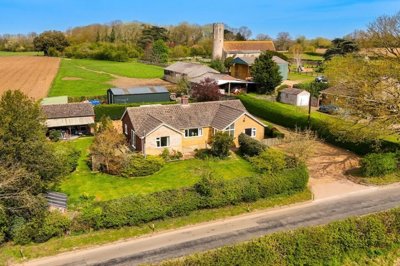
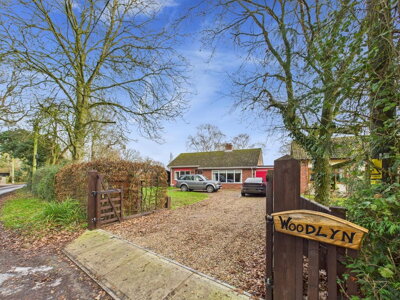
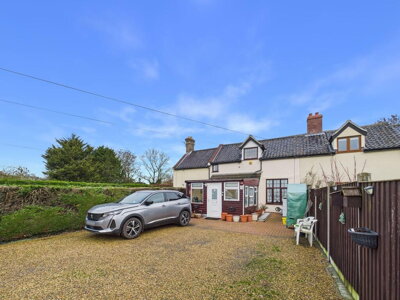
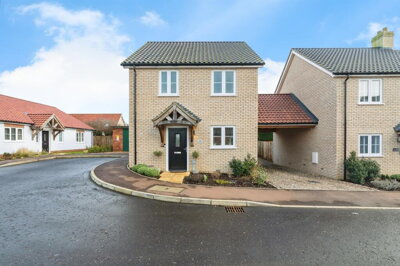
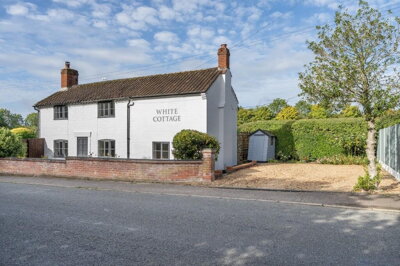
Browse 9 homes for sale in Woodton, South Norfolk from local estate agents.
Three bedroom properties represent a significant portion of the Woodton housing market, offering space for families with multiple reception rooms and gardens in many cases. Browse detached, semi-detached, and terraced options ranging from period character homes to contemporary developments.
£480k
1
1
2
Source: home.co.uk
Showing 1 results for 3 Bedroom Houses for sale in Woodton, South Norfolk. 1 new listing added this week. The median asking price is £480,000.
Source: home.co.uk
Detached
1 listings
Avg £480,000
Source: home.co.uk
Source: home.co.uk
Woodton's property market still shows the pull of South Norfolk village life, with an average house price of £373,750 according to home.co.uk listings data, while homedata.co.uk reports slightly higher averages around £532,000 reflecting recent sale prices. Over the last 12 months, prices have climbed by 14% year-on-year. Even so, they remain about 25% below the 2022 peak of £496,250, so buyers who stepped in during the correction may now be seeing their position improve as the market recovers. Across Norfolk as a whole, property prices fell by 2% over the twelve months to December 2025, yet Woodton has moved against that wider trend thanks to solid local demand.
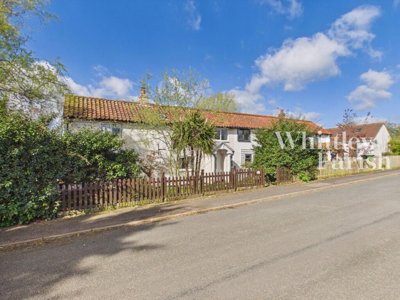
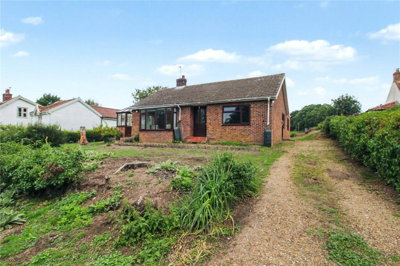
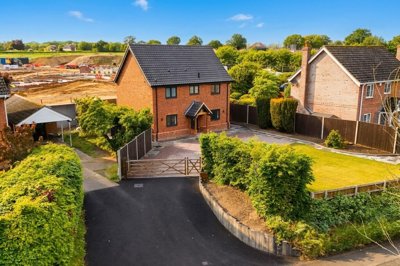
Detached homes are the mainstay in Woodton, and recent sales show an average of £462,500. Semi-detached properties usually sit around £320,000, while terraced homes give buyers a lower entry point at approximately £250,000. The stock ranges widely too, from period cottages dating back to 1845, to 1970s houses and contemporary new build homes. Local agents list executive four-bedroom detached family homes in exclusive small village developments, alongside character properties that suit buyers after traditional Norfolk architecture.
Being close to the Norfolk-Suffolk border means buyers often weigh up homes on both sides, although Woodton's South Norfolk position keeps it in England for stamp duty and planning. Recent home.co.uk listings mention brand new high specification family homes in the area, and older properties with period features still appeal to those who want genuine Norfolk character. The NR35 postcode covers several surrounding villages, so it is sensible to check the exact location of any home before getting too far into a search.

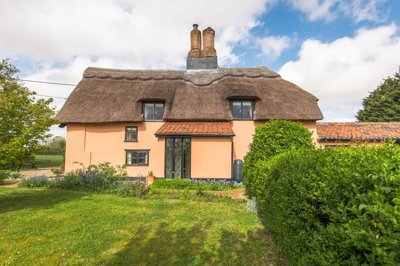
Woodton is a village and civil parish that captures the feel of rural South Norfolk, set northwest of Bungay and within easy reach of the Norfolk-Suffolk border. It also sits within the attractive Norfolk Broads landscape, with public footpaths, open countryside and the calm waterways that shape this part of the county. The community retains a clear village atmosphere, and brick, timber and thatched roofs are part of the everyday scene across the conservation areas. Grade II listed thatched houses add to the historical appeal, which is a big part of why buyers are drawn to places like Woodton.
Housing in Woodton follows the familiar South Norfolk pattern, with a mix of pre-1919 period cottages, 1970s homes and modern new build developments. The village has long been shaped by the agricultural economy of the area, although many residents now travel to Bungay, Beccles and Norwich for work. Nearby villages and market towns provide the usual day-to-day amenities too, from shops and traditional pubs to community facilities, along with extra services, restaurants and leisure options.
It is the mix of rural calm, historic buildings and a close-knit community that makes Woodton appealing to families, retirees and anyone wanting a break from busier urban centres. The village keeps its own identity, but larger towns are still within reach, which is a balance many buyers value. There are good walking routes through the surrounding countryside, and the Norfolk Broads brings extra opportunities for boating and wildlife watching.

Families looking at Woodton will find schools within a reasonable distance at both primary and secondary level. Around South Norfolk, several primary schools serve village communities, and there are more in nearby Bungay and the wider district for children up to age 11. Catchment areas and admission arrangements need checking carefully, because they can affect which schools children from Woodton are likely to get priority for. In rural Norfolk, many primary schools are also well regarded for pastoral care and smaller class settings, alongside solid academic outcomes.
For secondary education, residents can look to schools in nearby towns such as Bungay, where King Edward VII School serves the area, as well as other secondary schools in South Norfolk District. Grammar school options are available across Norfolk too, although the entrance tests are demanding and preparation matters for families considering selective education. For sixth form and further education, students usually travel on to Norwich, which offers the University of East Anglia and a broad choice of colleges.
Anyone searching for a home in Woodton should still check the latest school performance data, Ofsted ratings and admission zone boundaries, because they do change and can make a real difference to whether a property suits a family buyer. The rural setting also means transport to school needs thinking through, as some households will rely on a private car or local bus services to reach schools in nearby towns.

Road travel is the main way around Woodton, which is exactly what you would expect in a South Norfolk village. The A144 runs nearby and provides links to Bungay in the southeast, as well as connections into the wider Norfolk road network. Norwich, the regional capital, lies to the north and can usually be reached in around 30-40 minutes by car, depending on traffic. Being close to the Norfolk-Suffolk border also keeps towns in both counties within a sensible drive, opening up more employment and day-to-day options for residents.
Bus services do serve Woodton and link it with nearby towns and villages, although rural routes tend to run less often than those in urban areas. The nearest railway stations are in larger towns, with Norwich station offering trains to London Liverpool Street and the wider rail network. For people commuting to Norwich or other employment centres, the car is still the most practical choice for many households, although quieter country lanes make cycling a popular option for shorter trips.
Because the village is in a rural position, it is worth checking transport links carefully for any particular property, especially if regular commuting is part of the plan. Homes closer to the A144 may give easier road access, while more tucked-away properties can mean a bit more planning for everyday travel. Weekend and evening bus services are generally more limited than weekday ones, so households without private transport need to keep that in mind.

Knowing how Woodton's houses were built helps buyers understand both the character of a home and the maintenance it may need. The older properties, including period cottages dating back to 1845, usually use traditional methods that are quite different from modern construction. Brick, timber frame and thatch all appear here, each bringing its own traits and, in many cases, its own quirks. Our team inspects these traditional homes regularly, so we know how they tend to perform in the climate and ground conditions of South Norfolk.
Thatched homes are a noticeable part of Woodton's heritage, and Grade II listed thatched houses bring specialist maintenance and insurance into the picture. Thatch roofing needs contractors with the right experience, and buyers should allow for higher upkeep costs than they would with a modern roof. Insurance can also be more expensive, and specialist cover may be needed. When we survey these homes, we pay close attention to the thatch itself, the structure beneath it, and any hint of water penetration or pest activity.
There are also houses from the 1970s boom period in Woodton's stock, and many of those were built with cavity wall construction and brick facing. They can bring their own issues, from insulation upgrades to checks on windows and roofing that may be original. New build homes on exclusive village developments tend to follow current building standards, although the finish and specification can still vary from one developer to another. Whatever the age, we always recommend a proper survey, because each building era comes with its own set of likely defects.
Our surveyors have worked across South Norfolk for years, including the different construction types found in villages like Woodton. Older period cottages often come with damp penetration issues, especially where original details have been altered or maintenance has been put off. Properties from before 1919 are usually best served by a full survey that looks at structural timbers, solid walls and traditional floors. Clay subsoil conditions in parts of Norfolk can also affect older foundations, so that is always something we keep in mind.
Roof condition is another area where we often find defects in Woodton. Traditional pitched roofs on period cottages may have worn ridge tiles, failing flashings or deteriorating underfelt, and the rafters and purlins need a careful look too. Thatched roofs need a separate specialist assessment, not just a standard survey. With housing stock of this age, some roofs may need replacement or major repair in the next few years, and that should be built into both negotiations and future maintenance budgets.
Some of Woodton's older buildings are timber framed, and those can be vulnerable to woodworm and wet rot if moisture gets into the structure. Our surveys look for active infestation and check the condition of exposed and hidden timbers throughout the property. Older electrics may also need upgrading to current standards, so we note the age and condition of consumer units, wiring and fixtures during every inspection. Renovated homes should also be checked carefully to make sure any work was done properly and with the right permissions, especially in listed buildings where consent is needed for alterations.
The Grade II listed buildings in Woodton mean that parts of the village fall within, or sit beside, designated conservation areas where extra planning controls apply. Anyone looking at a listed property should understand that South Norfolk District Council consent is needed for alterations, extensions and some maintenance work. These rules are there to protect the village's historic character, but they can also limit what owners are able to change. We advise buyers of listed homes in Woodton to speak to the local planning authority early on, so they know exactly what is involved.
Conservation areas can also bring extra rules for changes to the outside of a building, including replacement windows, doors and roofing materials. The planning authority may expect traditional materials and methods to be used so the area's character is retained. That can make renovation more involved, but it also helps protect the value of the property by keeping the village's distinctive look intact. Our team has surveyed homes in conservation areas across Norfolk and we know the sort of issues that tend to crop up.
Listed building consent is separate from planning permission, and in some cases it is needed even where planning approval is not. If the proper consents are missed for listed building works, enforcement action can follow, along with requirements to put the property back to its original condition. Anyone buying a listed home should have a solicitor with specific experience of historic properties, because they can check any existing consents, planning conditions or outstanding issues that affect the building.
Start with the current listings for Woodton properties and get a feel for local price trends. With average prices ranging from £250,000 for terraced homes to £462,500 for detached properties, a clear budget helps narrow the search to realistic options. It also pays to talk to local estate agents who know the village market properly. Buyers are drawn here from across Norfolk and further afield, mostly for the rural lifestyle and the decent links to larger towns.
Before booking viewings, we suggest getting a mortgage agreement in principle from a lender. That shows sellers and agents that the finances are in place, which can strengthen a buyer's position. Woodton homes can move quickly because demand is there, so having money lined up matters. A mortgage broker can compare deals across several lenders and help identify the most suitable product for the circumstances.
Visit homes that match the brief, and pay close attention to condition, age of construction and any listed building issues. Period cottages and thatched homes will need different upkeep from modern houses. Taking notes and photographs helps when comparing properties later. It can also be useful to return at different times of day to judge lighting, noise and the feel of the surrounding neighbourhood.
Once the right property is in sight, arrange a RICS Level 2 Survey, which is especially important for older homes that make up a large part of Woodton's housing stock. It will pick up structural problems, damp, roof condition and other defects that could affect the purchase or the negotiation. For listed buildings or thatched properties, we would also suggest additional specialist surveys to look at those construction types in more detail.
Choose a conveyancing solicitor to deal with the legal side of the purchase. They will carry out searches, review the contracts and work with the mortgage lender. Because Woodton has listed buildings and possible conservation areas, the solicitor should be experienced with older properties and any planning restrictions that come with them. Ask for a quote at the outset and make sure you understand exactly what is included before going ahead.
Once the searches come back satisfactorily and the finance is confirmed, contracts are exchanged and the deposit is paid. Completion usually follows soon after, when the keys to the new Woodton home are handed over. The solicitor then deals with the transfer of funds and registration of ownership with the relevant property register. Buildings insurance should already be in place from the contract date.
Buying in Woodton means keeping an eye on a few local factors that can shape both the purchase and life in the property afterwards. Grade II listed buildings and possible conservation areas mean that some homes will face planning restrictions and may need special permission for alterations or extensions. For a listed property, higher maintenance costs and specialist survey work should be built into the budget. Older homes here often use brick, timber frame and thatch, and those materials bring their own upkeep compared with modern construction.
For newer homes, check the specification, warranties and any service charges attached to shared facilities. New build homes in exclusive small village developments can carry annual charges for communal upkeep. We always advise checking what the charge covers, how much it has risen each year, and whether major works are planned that might lead to extra assessments. When viewing any property, look into local authority search results for flooding, although specific flood risk data for Woodton was not detailed in available records. Houses from different eras may also differ quite a lot in energy efficiency, with older period cottages often needing upgrades to meet modern standards.
A thorough RICS Level 2 Survey can highlight construction and condition issues before you commit to buying. Our inspectors know the usual defect patterns in South Norfolk properties, and that helps us provide a detailed assessment that supports informed decisions. For thatched homes, we recommend a separate specialist inspection from a contractor who knows traditional roofing, because the condition of thatch needs proper expertise to judge. Survey findings should feed directly into budget discussions, and our reports give the evidence needed to back those conversations.
Average house prices in Woodton vary between property portals, with home.co.uk showing about £373,750 and homedata.co.uk indicating around £532,000 based on recent transactions. Prices have risen by 14% over the last year, although they are still roughly 25% below the 2022 peak of £496,250. Detached homes average £462,500, semi-detached houses around £320,000 and terraced properties approximately £250,000. The difference between portals comes down to methodology and the mix of homes sold during the reporting periods.
For council tax purposes, properties in Woodton fall under South Norfolk District Council. Specific band distributions for Woodton were not set out in the available data, although council tax bands in Norfolk run from A to H based on property value. Buyers should check the band directly with the local authority or in the property details, because it will affect annual running costs. Bands can also be looked up online using the property address through the Valuation Office Agency website.
Primary schools serving Woodton can be found in nearby villages and in Bungay, while secondary education includes King Edward VII School in Bungay. Parents should look at the latest Ofsted ratings, catchment zones and grammar school options available in Norfolk if selective education is part of the plan. Norwich also offers a wide range of further and higher education, including the University of East Anglia. Admission policies can be competitive in popular areas, so checking catchment areas before buying is a sensible step for families with school-age children.
Public transport is limited in Woodton, which reflects its rural village setting. Bus routes do link the village with surrounding towns and villages, but they run less often than urban services. The nearest railway stations are in larger towns, with Norwich providing the mainline link to London. Road travel via the A144 and A146 gives access to nearby towns, and Norwich is roughly 30-40 minutes away by car. Buyers without vehicles should check bus timetables closely, especially as weekend and evening services are particularly thin on the ground in rural Norfolk.
Woodton suits buyers who want village living with South Norfolk countryside on the doorstep. The 14% rise in prices over the last year points to a strong market, even though values still sit below earlier peaks. Period homes and newer properties both attract interest, from families and commuters to retirees. Rural village homes can rise in value over time, especially where they have character features or sit in conservation areas, but liquidity is often lower than in towns and sales can take longer.
Stamp duty land tax applies to purchases in England, with standard rates of 0% on the first £250,000, 5% on £250,001 to £925,000, 10% on £925,001 to £1.5 million, and 12% on amounts above £1.5 million. First-time buyers get relief on the first £425,000, with 5% on the part from £425,001 to £625,000. Given Woodton's average prices, most buyers would fall into the lower bands. A terraced property at around £250,000 would attract no stamp duty for standard buyers, while a detached home at £462,500 would mean roughly £10,625 in stamp duty.
Woodton includes Grade II listed buildings, among them thatched properties, which shows the village has architecture worth protecting. The presence of listed buildings also suggests that conservation area designation may apply in parts of the village. Buyers thinking about listed homes should allow for specialist maintenance, possible planning restrictions on alterations and the need for listed building consent for certain works. Insurance often costs more for listed buildings too, and specialist insurers may be needed.
There is a broad property mix in Woodton, from detached family homes and semi-detached houses to terraced cottages. Property ages range from period cottages dating back to 1845, through 1970s builds, to contemporary new homes on small exclusive developments. The village has no meaningful flat supply, and houses dominate the market in line with its residential character. Executive four-bedroom detached homes and traditional cottages both appear in current listings, giving buyers a choice across different budgets and preferences.
When viewing properties in Woodton, we always advise checking the construction type and the age of the building, because those two things often point to future maintenance needs and possible defects. For period homes, look for damp, roof condition and the state of original features. Thatched properties need specialist assessment of the roofing material. It is also important to confirm whether the home is listed or within a conservation area, since that affects what changes can be made. Energy efficiency varies a great deal between old and new homes, so upgrade costs should be considered too.
A RICS Level 2 Survey is something we recommend for any property you are thinking of buying in Woodton, whatever its age or condition. The village's older housing stock means many homes will have age-related issues that are not always obvious during a standard mortgage valuation. A proper survey identifies defects, assesses condition and gives detailed information that can support price negotiations or highlight repairs needed before completion. For thatched homes, extra specialist inspections are a sensible addition.
Understanding the full cost of buying in Woodton means looking beyond the purchase price to stamp duty, legal fees, survey costs and moving expenses. The current stamp duty land tax thresholds for England (2024-25) set the zero-rate band at £250,000 for standard buyers, so terraced homes around £250,000 would attract no stamp duty. Semi-detached properties averaging £320,000 would mean 5% on the £70,000 above the threshold, which comes to £3,500. Detached homes at the village average of £462,500 would attract stamp duty on £212,500 at 5%, giving £10,625.
First-time buyers get enhanced relief, with the zero-rate threshold lifted to £425,000 and the 5% rate applying up to £625,000. That means qualifying first-time buyers purchasing at or below £425,000 would pay no stamp duty at all. For homes above £625,000, first-time buyer relief does not apply. Other buying costs include solicitor fees, usually £500 to £1,500 depending on complexity, a RICS Level 2 Survey from about £350 depending on property size, and an Energy Performance Certificate from around £60.
Mortgage arrangement fees, valuation fees and removals costs should also go into the budget when calculating the total investment needed for a Woodton home. Local authority searches usually cost around £250-300 and provide important information about the property and surrounding area. Listed homes may need extra specialist surveys, which adds to the overall cost. Buildings insurance should also be in place from the date of contract exchange, because the property needs to be covered from that point even if completion is still weeks away.

From 3.85%
Compare mortgage deals from leading lenders
From £499
Expert solicitors handling your property purchase
From £350
Thorough property survey for Woodton homes
From £60
Energy performance certificate for your new home
Properties for Sale In London

Properties for Sale In Plymouth

Properties for Sale In Liverpool

Properties for Sale In Glasgow

Properties for Sale In Sheffield

Properties for Sale In Edinburgh

Properties for Sale In Coventry

Properties for Sale In Bradford

Properties for Sale In Manchester

Properties for Sale In Birmingham

Properties for Sale In Bristol

Properties for Sale In Oxford

Properties for Sale In Leicester

Properties for Sale In Newcastle

Properties for Sale In Leeds

Properties for Sale In Southampton

Properties for Sale In Cardiff

Properties for Sale In Nottingham

Properties for Sale In Norwich

Properties for Sale In Brighton

Properties for Sale In Derby

Properties for Sale In Portsmouth

Properties for Sale In Northampton

Properties for Sale In Milton Keynes

Properties for Sale In Bournemouth

Properties for Sale In Bolton

Properties for Sale In Swansea

Properties for Sale In Swindon

Properties for Sale In Peterborough

Properties for Sale In Wolverhampton

Enter your details to see if this property is within your budget.
Loans, cards, car finance
Estimated property budget
Borrowing + deposit
You could borrow between
Typical borrowing
Monthly repayment
Est. at 4.5%
Loan-to-value
This is an estimate only. Your actual budget may vary depending on interest rates, credit history, and personal circumstances. For an accurate affordability assessment, speak to one of our free mortgage advisors.
This calculator provides estimates for illustrative purposes only and does not constitute financial advice. Your home may be repossessed if you do not keep up repayments on your mortgage. Estimates based on 4.5% interest rate, repayment mortgage. Actual rates depend on your circumstances.
Homemove is a trading name of HM Haus Group Ltd (Company No. 13873779, registered in England & Wales). Homemove Mortgages Ltd (Company No. 15947693) is an Appointed Representative of TMG Direct Limited, trading as TMG Mortgage Network, which is authorised and regulated by the Financial Conduct Authority (FRN 786245). Homemove Mortgages Ltd is entered on the FCA Register as an Appointed Representative (FRN 1022429). You can check registrations at NewRegister or by calling 0800 111 6768.

We use cookies to show you personalised content and improve your experience of our website. Find out more in our Privacy policy and Cookie policy.