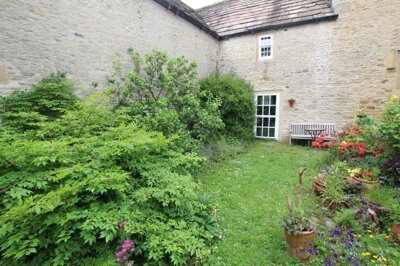
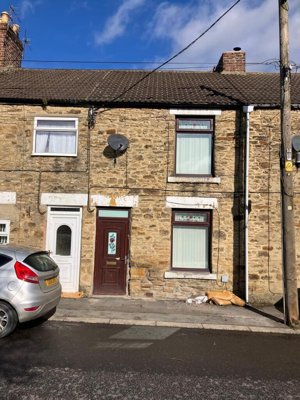
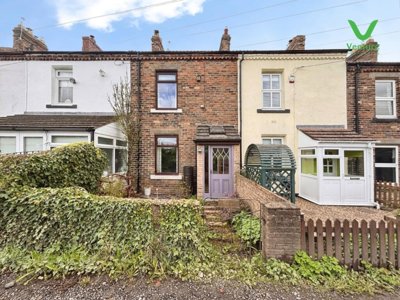
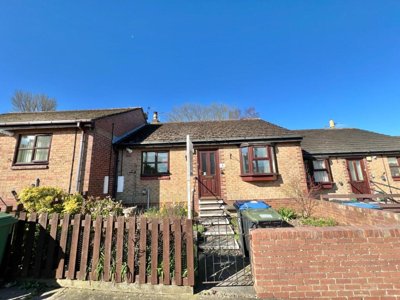
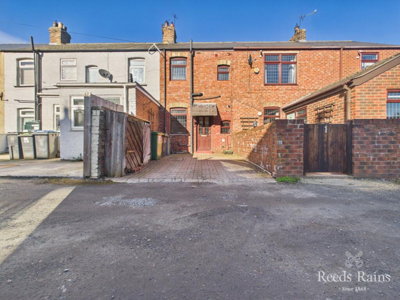
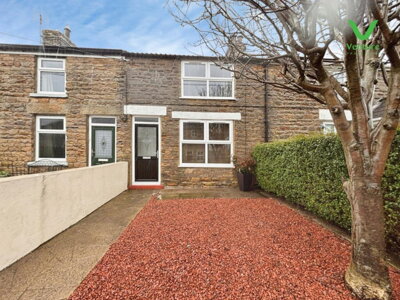
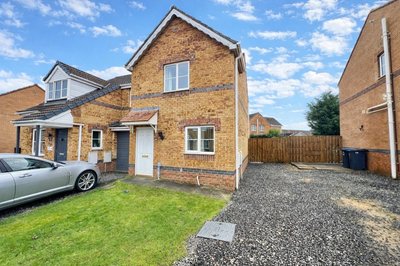
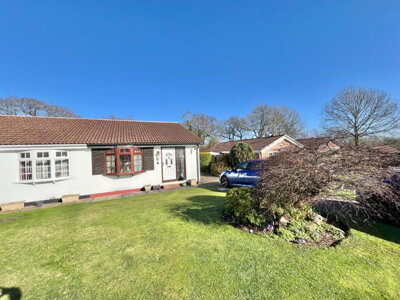
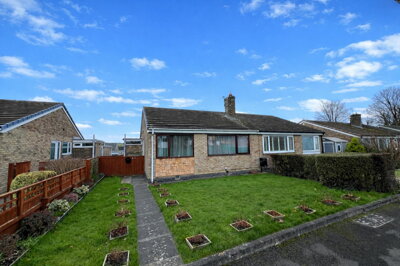
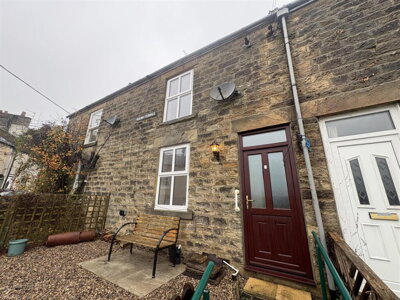
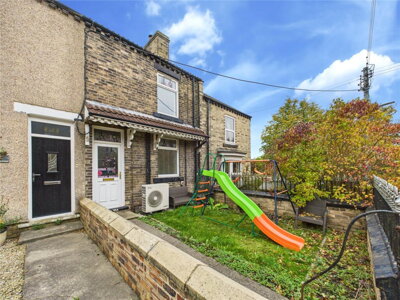
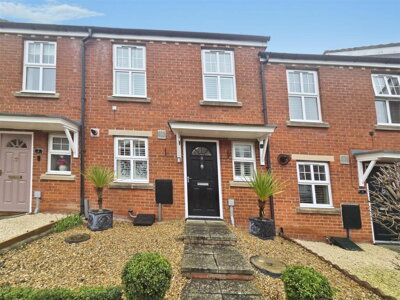
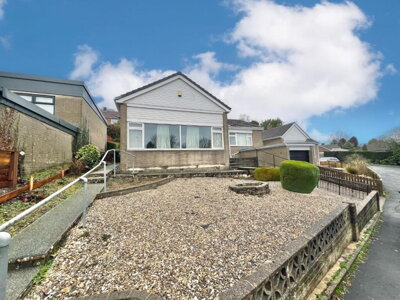
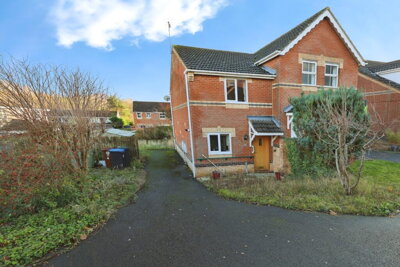
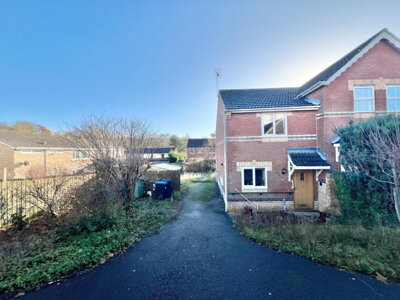
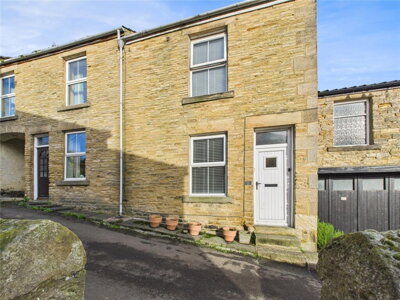
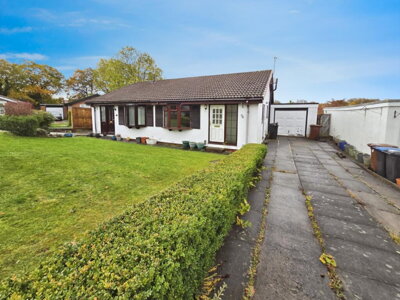
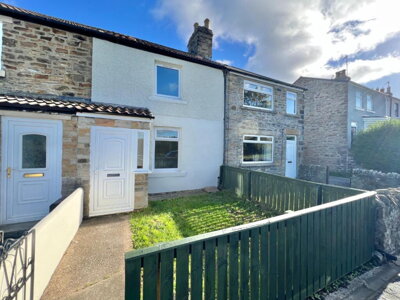
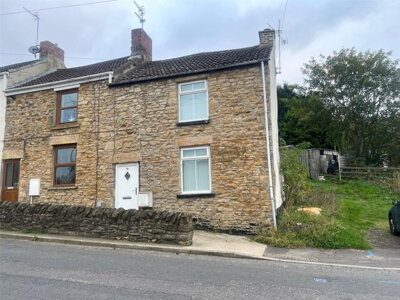
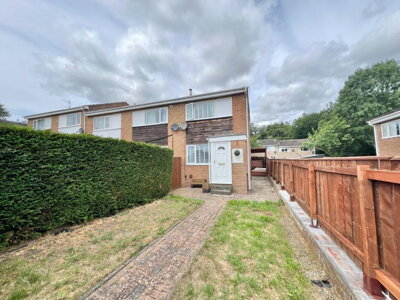
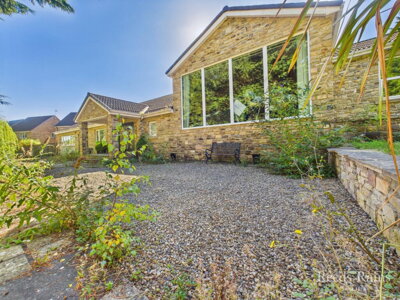
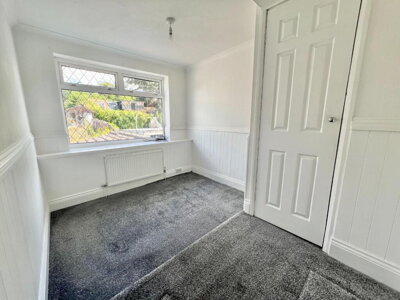
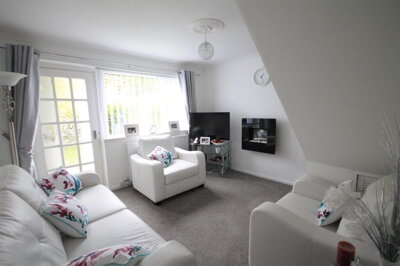
Browse 24 homes for sale in Witton-le-Wear from local estate agents.
The 2 bed house market features detached, semi-detached, and terraced properties with two separate bedrooms plus living spaces. Properties in Witton Le Wear range from Victorian and Edwardian period homes to modern new builds, with pricing varying across different neighbourhoods.
The market in this village is driven more by individual homes than by a large stream of listings, which is typical for a rural settlement of this size. homedata.co.uk shows that prices over the last year were 38% down on the previous year, so buyers are seeing a softer market than they would in a high-turnover town. That does not mean every street behaves the same way. In the DL14 0AX part of Witton-le-Wear, which includes stretches of High Street, values have reportedly risen by 7.8% over the past year.
Street-level variation matters here because a small number of sales can change the averages quickly. Wear Terrace has seen a 53% fall from its 2020 peak, which is a reminder to compare each home on its own merits rather than relying on one headline figure. The latest sold data points to terraced homes at £125,334, flats at £185,500 and semi-detached homes at £265,000, with the overall average at £154,417. We have not verified a live new-build development within the village boundary, so most buyers will be comparing established homes with older character and individual plots.

The village has a distinctly County Durham feel, with countryside on the doorstep and the River Wear shaping the landscape around it. That setting tends to attract buyers who want a quieter pace, more sky and green views, and a home base that feels separate from the busier parts of the district. The housing stock is not dominated by uniform modern estates, so individual plots, older terraces and converted homes can all appear in the search. For many movers, that mix is part of the appeal because each street can feel slightly different.
Daily life is usually centred on nearby service hubs rather than a dense local centre, which is normal for a place of this scale. Shops, larger supermarkets, healthcare and broader leisure choices are usually found in nearby Bishop Auckland or Crook, while the village offers the calmer residential backdrop. Buyers who like walking routes, country lanes and a smaller community often find that balance attractive. If you want a quieter home without losing access to bigger towns, this part of the Wear Valley can be a strong fit.
Families moving into a small village like Witton-le-Wear usually look across the wider Bishop Auckland and Crook area for schooling, because the local choice is shaped by village catchments and the broader County Durham network. That means the right home is not just about bedrooms and garden size, but also about which primary and secondary schools sit within reach of your chosen address. Catchment lines can change between villages and even between streets, so it pays to check the latest admissions maps before you offer. An estate agent can help, but the final confirmation should always come from the school or local authority.
Post-16 choices are broader in the surrounding area, so older pupils are not limited to one village option. Families often compare secondary schools, sixth-form provision and further education colleges in the wider district as part of the move. That makes Witton-le-Wear practical for buyers who want village living while keeping education pathways open. When you are comparing homes, ask how the school run will work in winter, whether there is a safe walking route, and how close the nearest bus stop sits to the front door.

This is the kind of place where car access usually matters more than a station on the doorstep. Road connections into nearby Bishop Auckland, Crook and the rest of Wear Valley are the main commuting routes for most residents, while buses provide local links for those travelling without a car. For rail travel, buyers normally look to the wider Bishop Auckland area or other nearby stations in County Durham rather than expecting a village station. That makes the area well suited to flexible commuters who do not mind mixing driving with public transport.
Parking is often more forgiving than in a town centre, but older village streets can still be narrow, so it is worth checking turning space and on-street availability when you view. If you own more than one car, ask whether there is a driveway, garage or shared parking arrangement before you commit. Cyclists may enjoy the quieter roads, although rural lanes can be less forgiving after dark or in poor weather. Test the route at the time of day you would normally travel, because a journey that feels easy at 10am can feel very different at school-run or rush hour times.
Secure a mortgage agreement in principle before you start viewings. In a small village market, the best homes can attract attention quickly, and sellers want proof that you can proceed.
Look beyond the village name and study each road, plot position and outlook. In Witton-le-Wear, value can shift street by street, so the right side of the Wear Valley can matter as much as the postcode.
Visit at different times of day if you can, then check light, parking, noise and access. Rural homes can feel very different in winter evenings than they do on a bright afternoon.
Older village homes deserve a proper inspection, especially if you are looking at stonework, roofs, damp signs or alterations. A RICS Level 2 survey is often the right choice for a conventional property in reasonable condition.
Ask your conveyancer to run local searches, check title details and review any issues around access, boundaries or drainage. That is especially useful if the home sits near older lanes or shared boundaries.
Once the paperwork is in place, agree a completion date that gives you time for removals and utilities. Keep your mortgage offer, deposit and insurance lined up so the final step is smooth.
Older village homes often reward careful checking, because small defects can be easy to miss when a house has charm and character. Look closely at roofs, chimneys, pointing, windows, damp patches and the condition of any outbuildings, especially if the home has been adapted over time. In a place close to the River Wear, it also makes sense to ask your solicitor for the usual flood and drainage searches, even where no obvious issue is visible. That gives you a clearer picture of the plot before you commit.
Flats and conversions need a slightly different review, particularly around service charges, reserve funds, lease length and repair responsibilities. Freehold houses are simpler on paper, but boundary lines, access rights and parking arrangements can still cause problems if they are not checked early. We have not found a confirmed conservation area or a concentration of listed buildings for the village boundary, so the key is to ask about the individual property rather than assume every street has the same rules. If the home is older, get clarity on any past work, planning consent and building regulations before you exchange.

homedata.co.uk records show an average sold price of £154,417 over the last 12 months. That figure sits in a small market, so it can move if only a few homes sell in a given period. The latest sold data also shows terraced homes at £125,334, flats at £185,500 and semi-detached homes at £265,000. That spread is one reason why street and property type matter so much in this village.
There is no single council tax band for the whole village, because the band depends on the individual property. Homes here fall under Durham County Council, so the bill is set using the specific dwelling rather than the settlement name. Ask the agent for the current band before you budget, especially if you are comparing a terrace, a larger semi-detached home or a converted flat. The difference can affect your monthly running costs just as much as the mortgage payment.
Families usually compare schools in the wider Bishop Auckland and Crook area, together with the nearest primary and secondary options inside County Durham. Because catchment areas can change by street, the best school for one address may not be the same for another. Check the latest admissions maps, Ofsted reports and transport options before you decide. If education is a priority, ask your agent to show you homes that sit within the schools you want to target.
The village is more car-friendly than rail-led, so public transport planning matters if you commute every day. Buses provide the local links, while rail users usually look to nearby Bishop Auckland or other stations in the wider county for longer journeys. That setup works well for buyers who are happy to mix driving, buses and trains. If you need to commute at a fixed time, check the timetable from the exact bus stop or station you would use.
It can be, but only if you are comfortable with a smaller and less liquid market than a town centre. homedata.co.uk shows prices were 38% down on the previous year overall, yet the DL14 0AX pocket that includes parts of High Street has risen by 7.8% over the past year. That split tells you there is value in careful street selection and property condition. Investors should focus on realistic entry prices, local demand and the likelihood of holding the home for the longer term.
On a standard purchase, SDLT is 0% up to £250,000, 5% from £250,000 to £925,000, 10% from £925,000 to £1.5 million and 12% above £1.5 million. First-time buyers pay 0% up to £425,000 and 5% from £425,000 to £625,000, with no relief above £625,000. At the village’s current average sold price of £154,417, many buyers would pay no standard SDLT at all. You should still budget for legal fees, surveys, removals and mortgage charges.
We have not verified an active new-build development within the village boundary. That means most buyers will be looking at established homes rather than a large new-home estate. If you want a brand-new property, widen the search to nearby parts of County Durham and compare travel time rather than just postcode. For many buyers, the character of the existing housing stock is part of the appeal here.
Start with a mortgage agreement in principle so you can move quickly if the right home appears. Then compare plots, parking, condition and access rather than assuming every house in the village will feel the same. Older homes can be excellent purchases, but they deserve a survey and a close look at running costs. If you are buying your first home, build in enough room for solicitor fees, survey costs and moving expenses as well as the deposit.
A home at the village’s average sold price of £154,417 sits below the current standard SDLT threshold of £250,000, so many buyers would pay no stamp duty on a main home purchase. First-time buyers are also in the 0% band up to £425,000, which gives extra breathing room if you are stepping onto the ladder here. That means the cost of moving is often shaped more by your deposit, mortgage fees and legal bills than by SDLT itself. It is one of the reasons a realistic mortgage agreement in principle is so useful before you begin.
Even when stamp duty is low or nil, the rest of the budget still needs careful planning. Solicitor fees, survey costs, local searches, removals, buildings insurance and mortgage arrangement charges can all add up quickly, especially if you are buying an older house that needs a little work. If the property price moves above £250,000, SDLT is charged at 5% on the portion above that threshold, so a higher offer can change the numbers fast. We always suggest running the figures early so you know exactly what you can afford before you fall in love with a house.
Properties for Sale In London

Properties for Sale In Plymouth

Properties for Sale In Liverpool

Properties for Sale In Glasgow

Properties for Sale In Sheffield

Properties for Sale In Edinburgh

Properties for Sale In Coventry

Properties for Sale In Bradford

Properties for Sale In Manchester

Properties for Sale In Birmingham

Properties for Sale In Bristol

Properties for Sale In Oxford

Properties for Sale In Leicester

Properties for Sale In Newcastle

Properties for Sale In Leeds

Properties for Sale In Southampton

Properties for Sale In Cardiff

Properties for Sale In Nottingham

Properties for Sale In Norwich

Properties for Sale In Brighton

Properties for Sale In Derby

Properties for Sale In Portsmouth

Properties for Sale In Northampton

Properties for Sale In Milton Keynes

Properties for Sale In Bournemouth

Properties for Sale In Bolton

Properties for Sale In Swansea

Properties for Sale In Swindon

Properties for Sale In Peterborough

Properties for Sale In Wolverhampton

Enter your details to see if this property is within your budget.
Loans, cards, car finance
Estimated property budget
Borrowing + deposit
You could borrow between
Typical borrowing
Monthly repayment
Est. at 4.5%
Loan-to-value
This is an estimate only. Your actual budget may vary depending on interest rates, credit history, and personal circumstances. For an accurate affordability assessment, speak to one of our free mortgage advisors.
This calculator provides estimates for illustrative purposes only and does not constitute financial advice. Your home may be repossessed if you do not keep up repayments on your mortgage. Estimates based on 4.5% interest rate, repayment mortgage. Actual rates depend on your circumstances.
Homemove is a trading name of HM Haus Group Ltd (Company No. 13873779, registered in England & Wales). Homemove Mortgages Ltd (Company No. 15947693) is an Appointed Representative of TMG Direct Limited, trading as TMG Mortgage Network, which is authorised and regulated by the Financial Conduct Authority (FRN 786245). Homemove Mortgages Ltd is entered on the FCA Register as an Appointed Representative (FRN 1022429). You can check registrations at NewRegister or by calling 0800 111 6768.

We use cookies to show you personalised content and improve your experience of our website. Find out more in our Privacy policy and Cookie policy.