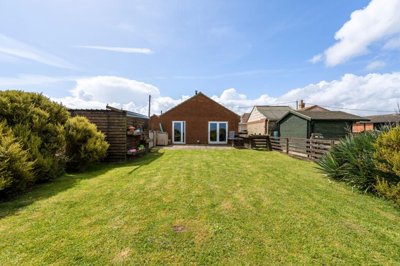
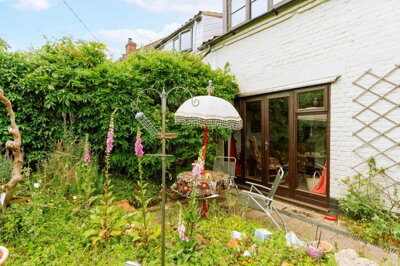
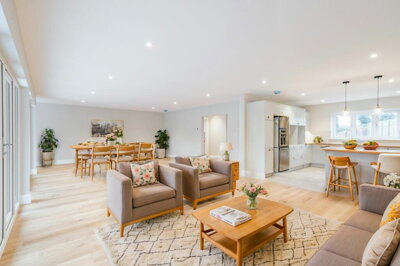
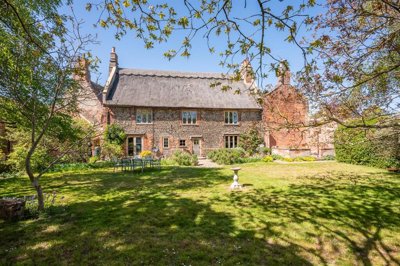
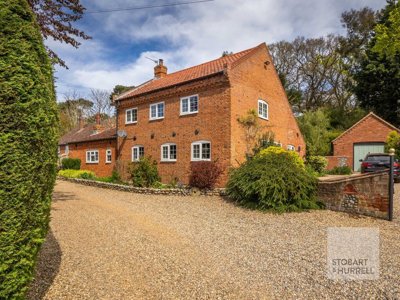
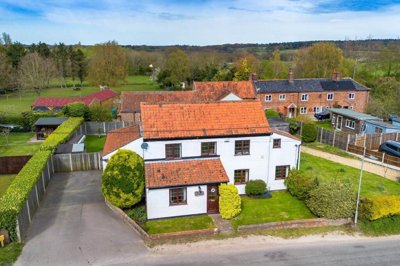
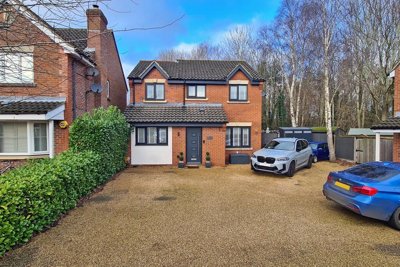
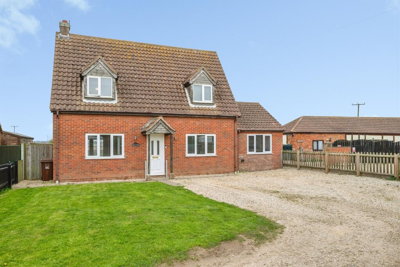
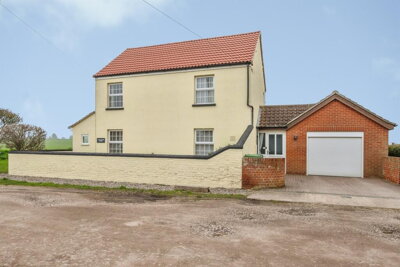
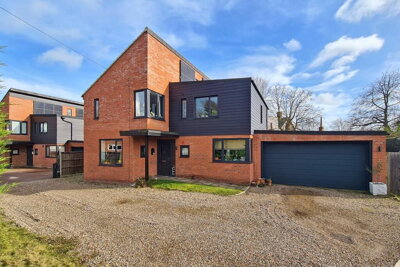
Browse 22 homes for sale in Witton and Ridlington from local estate agents.
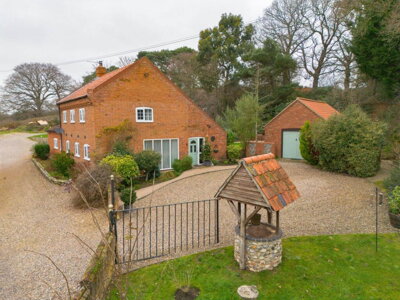
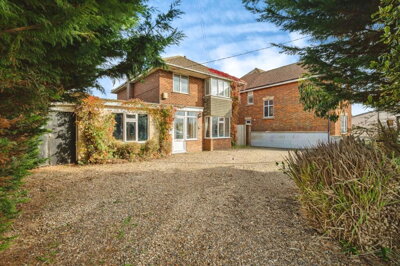
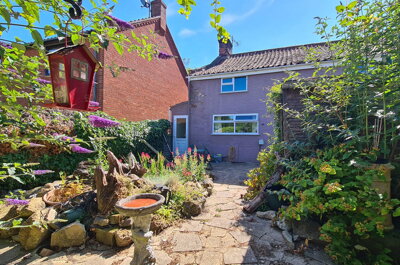
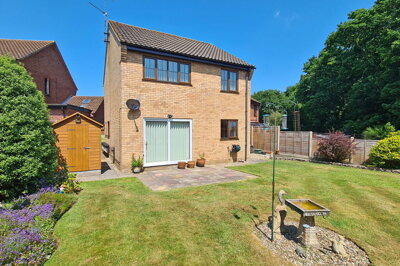
The larger property sector typically features multiple bathrooms, substantial reception space, and private gardens or off-street parking. Four bedroom houses in Witton And Ridlington span detached, semi-detached, and occasionally terraced configurations, with styles ranging from period properties to modern executive homes.
Across Witton and Ridlington, the property picture broadly follows the wider NR28 postcode district, where growth has stayed steady despite national economic uncertainty. home.co.uk listings data shows average property prices in the district are up by 4% on the previous year, and homedata.co.uk records a 1.93% rise over the last 12 months. That points to continued buyer appetite for North Norfolk villages, particularly where character homes and rural settings are in short supply.
Over the past 12 months, 189 residential property sales were recorded in the NR28 postcode district. That is 79 fewer than the previous year, a 41.80% drop in sales volume, which may say more about restricted stock in popular village locations than any fall in demand. For anyone sizing up the area, the split by property type gives a clearer guide to likely price expectations.
At the top end of the local market, detached homes reach average prices of about £369,780, showing the premium buyers place on space and privacy in this well-liked rural setting. Semi-detached houses come in at around £269,974 and often appeal to families wanting generous room without paying village centre premiums. Terraced homes, at an average of £238,853, are usually the most accessible route into the market, and period cottages often carry the traditional brick and flint construction associated with the area's vernacular architecture. Flats are still unusual here, as the housing stock is mainly made up of freehold houses with gardens.

Witton and Ridlington sit in a distinctive part of the North Norfolk Area of Outstanding Natural Beauty, combining rural calm with striking natural surroundings. The parish population rose from 298 in 2001 to 330 by the 2021 Census, so there has been growth, but not at the expense of the small-scale village feel. An active Parish Council deals with local conservation matters and helps protect the area's heritage, while day-to-day community life centres on the village hall on Stonebridge Road, which also acts as the information point for the Norfolk Offshore Wind Zone development.
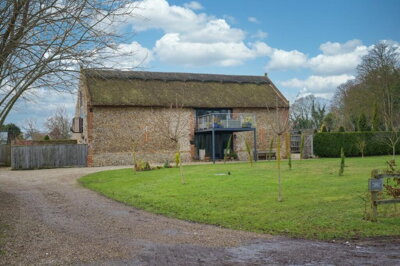
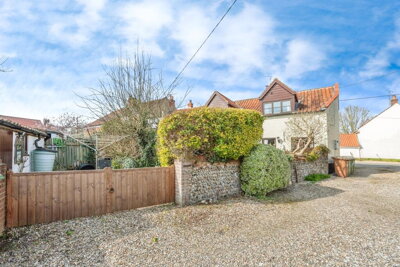
The look and feel of Witton and Ridlington comes from traditional Norfolk building styles, especially the use of local brick and flint seen throughout the villages. The churches are central to that identity. St. Margaret's in Witton has one of Norfolk's well-known round towers, dating from the Saxon or Norman periods, while St. Peter's in Ridlington, built mainly in the 14th and 15th centuries, is notable for its rare thatched chancel roof. It is an unusual detail, and one that sets it apart from most English parish churches.
Farming still shapes the landscape around the parish, with productive agricultural land all around, although newer renewable energy projects are now part of the picture too. The Norfolk Offshore Wind Zone is the clearest example, and its local information point is based at Witton & Ridlington Village Hall on Stonebridge Road. There has been no significant new-build residential development here, so homes that come to market are more often established properties with character than houses on modern estates.

For families moving into Witton and Ridlington, schools are typically found within a sensible drive elsewhere in North Norfolk rather than in the parish itself. Nearby village primaries include several schools rated Outstanding and Good, but the right option depends on catchment boundaries. We would always suggest checking those details directly with Norfolk County Council before committing to a purchase, as rural Norfolk catchments can vary more than buyers expect.
Secondary provision is generally centred on the market towns of North Walsham and Stalham, both of which serve the wider catchment that includes Witton and Ridlington. North Walsham High School is the nearest straightforward option for comprehensive secondary education, while other surrounding towns offer different curricula and specialisms. Norfolk also has selective provision in certain areas, with entry tied to the Kent Test or a similar selection process, and Norfolk County Council's education department provides preparation resources.
Some of the region's primary schools are especially well regarded for early years support and their strong ties to the local community, which fits the village character of North Norfolk. Older students looking beyond school age have further education choices in Norwich and King's Lynn, where colleges offer A-levels and vocational qualifications. Norwich also brings the University of East Anglia within reach, giving older children a practical higher education option if they stay at home while studying for an undergraduate or postgraduate degree.

Rail links from Witton and Ridlington are shaped by the area's rural Norfolk location, so most journeys start with a drive to a nearby market town station. North Walsham station is the closest useful rail connection and sits on the Bittern Line, with services to Norwich taking about 35 minutes. From there, the national network opens up, including direct trains to London Liverpool Street in around two hours, which helps make village life workable for people commuting into Norwich.
The A149 coast road runs through the area and gives access to neighbouring towns and villages, though journeys can be slower despite the scenery. For most residents, road travel is the main form of transport, and the A149 links communities from Cromer to Great Yarmouth. The nearest major road is the A140 through North Walsham, which connects onwards to Norwich about 20 miles south via the A1067. Bus services are limited in the way that is typical across rural Norfolk, so in practice most households need a car.
Out on the quieter country lanes, cycling is a popular way to get around, and the nearby Norfolk Coast Path adds another draw for walkers and outdoor-minded residents. The land is relatively flat, which makes cycling manageable for a wide range of fitness levels, while the coast path brings visitors from across the region to enjoy the landscape. For flights, Norwich Airport covers a number of European destinations, and Birmingham and Stansted are both within reasonable driving distance for a wider choice of international routes.

Before we book viewings in earnest, it makes sense to secure a mortgage agreement in principle from a lender. That gives a clear idea of what is affordable in the NR28 market and shows sellers that a buyer is serious. It can also speed up the full mortgage application later on. North Norfolk has several mortgage brokers who know local values well and can help with products suited to rural properties.
Start by looking closely at current listings in Witton and Ridlington and the wider NR28 villages, so the available stock at each price point becomes clearer. We also recommend registering with local estate agents, as they often know village properties in more detail and may hear about off-market opportunities before they are widely advertised. In a small parish where only a limited number of homes are available at any one time, being on the books of multiple agents can make a real difference.
During viewings, it helps to look beyond room sizes and focus on the materials and features that are typical here. Period homes may have traditional brick and flint walls, older cottages can carry thatched roofs, and the round church towers are part of the local backdrop. We would also take time to walk or drive around at different times of day, because practical points such as A149 road noise and patchy mobile signal coverage can matter just as much as the house itself.
After an offer is accepted, we would usually advise instructing a qualified RICS surveyor for a Level 2 Homebuyer Report before moving to completion. The survey can pick up structural defects, maintenance issues and other concerns that could affect the purchase, and costs are typically between £416 and £639 depending on the property's value and size. That step is especially useful with older homes built in brick and flint or covered by thatched roofs, where maintenance needs can be more specialised.
A solicitor with experience of rural Norfolk property is well worth having in place once the purchase is under way. They will handle the legal transfer, carry out local authority searches, check for planning restrictions linked to the AONB, and deal with the paperwork needed to complete. In an area with conservation considerations and listed buildings, searches should also cover any historic consents or restrictions that may limit how a property can be altered or used.
The last stage is coordinated through the solicitor, who will arrange exchange of contracts once the legal work is finished and the mortgage has been formally approved. Completion then usually follows within days or weeks, at which point the keys are released for the new home in Witton and Ridlington. Because property transactions in the village are relatively few, good local relationships with agents and solicitors can be helpful later, especially if further advice or a future sale is on the horizon.
Buying in Witton and Ridlington is not quite the same as buying in a town, and a few local factors deserve extra attention. Listed buildings are common enough to matter, and conservation issues within this AONB location can mean tighter planning controls than buyers may be used to elsewhere. We would want to check early on whether a property is listed, and what that means for future renovations, extensions or other changes that might need consent from North Norfolk District Council.
Traditional building materials need close inspection in this village, particularly in period homes. Brick and flint construction is part of the local character, but flint walls, although very durable, can weather over time and often need specialist repairs rather than standard masonry work. Thatched roofs also need careful thought for upkeep and insurance, and the Church of St Peter's chancel is one notable local example. A RICS Level 2 survey is especially useful with older properties because it can highlight issues affecting original windows, traditional joinery and the wider historic building fabric found in Norfolk homes.
Flood risk is still worth checking, even though there are no documented flood zones specifically recorded for the parish. Surface water flooding can affect rural areas in periods of heavy rainfall, and the surrounding agricultural land means drainage arrangements may not match what buyers are used to in urban locations. We would also want to confirm tenure, because leasehold property is uncommon here and freehold ownership is the norm. For wider local guidance, the Parish Council office on Stonebridge Road can help with issues that affect property owners in the area.

Because annual sales numbers in Witton and Ridlington parish are small, parish-level evidence can be thin, so the wider NR28 postcode district is often the most useful benchmark. home.co.uk listings data puts the overall average property price at about £298,651. Within that, detached homes average roughly £369,780, semi-detached properties about £269,974, and terraced houses close to £238,853. Recent home.co.uk analysis also shows 4% year-on-year growth, which suggests demand for North Norfolk village homes has held up despite the 41.80% fall in transaction volumes over the past year.
For council tax, Witton and Ridlington falls under North Norfolk District Council. Banding is based on the assessed value of the property, and many village homes sit somewhere between Band A and Band D, with more substantial period houses and cottages with large gardens often at the upper end of that range. Buyers should confirm the exact band through the Valuation Office Agency or the government council tax website, because it affects yearly running costs. At present, Band D property in North Norfolk is charged at around £1,800 a year.
Schooling for children in Witton and Ridlington generally means using nearby villages for primary provision and market towns for secondary education. North Walsham is the nearest obvious base for comprehensive secondary schooling, and a number of local primary schools hold Good or Outstanding Ofsted ratings. Even so, performance varies from school to school, and eligibility is shaped by catchment areas, so we would check admission policies and school data directly with Norfolk County Council. In rural areas, postcode and catchment do not always line up neatly.
Getting around without a car can be difficult here. Bus routes do serve Witton and Ridlington and nearby villages, but services are limited, reflecting the parish's rural Norfolk position. North Walsham station, on the Bittern Line, is the nearest rail option and gives access to Norwich, with onward travel to London Liverpool Street in approximately two hours. For air travel, Norwich Airport handles regional international connections, while Birmingham and Stansted offer broader flight choices for those willing to drive.
Price growth across the North Norfolk market, including Witton and Ridlington, has remained fairly consistent, with NR28 recording annual rises of 1.93% to 4% depending on the source used. A mix of factors helps support values here, including the Area of Outstanding Natural Beauty designation, infrastructure spending tied to the Norfolk Offshore Wind Zone, and the limited supply of new housing in the village. Period homes in rural settings with decent access to the coast continue to attract buyers, which is why the area appeals both to owner-occupiers and to those considering holiday let investment.
Anyone buying in Witton and Ridlington will need to factor in Stamp Duty Land Tax at the standard England rates of 0% on the first £250,000, 5% on £250,001 to £925,000, 10% on £925,001 to £1.5 million, and 12% above £1.5 million. Using the average NR28 price of around £298,651, the SDLT bill at standard rates would be about £2,433, made up of 0% on the first £250,000 and 5% on the remaining £48,651. First-time buyers may qualify for relief on the first £425,000, so at average price levels many would pay no SDLT.
From 4.5% APR
Compare competitive mortgage rates from trusted lenders
From £499
Our expert legal services for your Witton and Ridlington property purchase
From £416
Comprehensive survey for your new North Norfolk home
From £85
Energy performance certificate for your property
Budgeting properly for a move to Witton and Ridlington means looking at the full buying costs, not just the agreed price. Under the 2024-25 Stamp Duty Land Tax rules, the zero rate applies to the first £250,000 of residential purchases in England. So, on a typical property valued at the NR28 average of £298,651, the expected SDLT charge would be about £2,433 at the standard rate, with 0% due on the first £250,000 and 5% charged on the remaining £48,651.
First-time buyers have more generous relief, with a nil-rate band up to £425,000 and a 5% charge between £425,001 and £625,000. In practical terms, that means many first-time buyers purchasing around average local price levels would pay no SDLT at all, although the relief disappears entirely above £625,000. For higher-value homes, the calculation becomes less straightforward, and any portion above £925,000 is charged at 10% up to £1.5 million, which can affect larger period houses and family properties with extensive gardens.
Stamp duty is only part of the picture. Buyers should also allow for solicitor conveyancing fees, usually between £500 and £1,500 depending on how complex the matter is and whether listed building consent or AONB planning restrictions are involved. A RICS Level 2 Homebuyer Report in the NR28 area generally costs £416 to £639, with price varying by value and size, while homes below £200,000 average about £384 and those above £500,000 average around £586. Other expenses can include mortgage arrangement fees of £500 to £1,000, local authority search fees of roughly £250 to £350, Land Registry charges, and removal costs. Altogether, these can add £2,000 to £5,000 to the overall budget for a typical Witton and Ridlington purchase.

Properties for Sale In London

Properties for Sale In Plymouth

Properties for Sale In Liverpool

Properties for Sale In Glasgow

Properties for Sale In Sheffield

Properties for Sale In Edinburgh

Properties for Sale In Coventry

Properties for Sale In Bradford

Properties for Sale In Manchester

Properties for Sale In Birmingham

Properties for Sale In Bristol

Properties for Sale In Oxford

Properties for Sale In Leicester

Properties for Sale In Newcastle

Properties for Sale In Leeds

Properties for Sale In Southampton

Properties for Sale In Cardiff

Properties for Sale In Nottingham

Properties for Sale In Norwich

Properties for Sale In Brighton

Properties for Sale In Derby

Properties for Sale In Portsmouth

Properties for Sale In Northampton

Properties for Sale In Milton Keynes

Properties for Sale In Bournemouth

Properties for Sale In Bolton

Properties for Sale In Swansea

Properties for Sale In Swindon

Properties for Sale In Peterborough

Properties for Sale In Wolverhampton

Enter your details to see if this property is within your budget.
Loans, cards, car finance
Estimated property budget
Borrowing + deposit
You could borrow between
Typical borrowing
Monthly repayment
Est. at 4.5%
Loan-to-value
This is an estimate only. Your actual budget may vary depending on interest rates, credit history, and personal circumstances. For an accurate affordability assessment, speak to one of our free mortgage advisors.
This calculator provides estimates for illustrative purposes only and does not constitute financial advice. Your home may be repossessed if you do not keep up repayments on your mortgage. Estimates based on 4.5% interest rate, repayment mortgage. Actual rates depend on your circumstances.
Homemove is a trading name of HM Haus Group Ltd (Company No. 13873779, registered in England & Wales). Homemove Mortgages Ltd (Company No. 15947693) is an Appointed Representative of TMG Direct Limited, trading as TMG Mortgage Network, which is authorised and regulated by the Financial Conduct Authority (FRN 786245). Homemove Mortgages Ltd is entered on the FCA Register as an Appointed Representative (FRN 1022429). You can check registrations at NewRegister or by calling 0800 111 6768.

We use cookies to show you personalised content and improve your experience of our website. Find out more in our Privacy policy and Cookie policy.