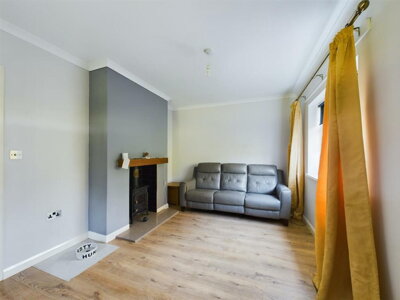
Browse 1 home for sale in Withcall, East Lindsey from local estate agents.
The larger property sector typically features multiple bathrooms, substantial reception space, and private gardens or off-street parking. Four bedroom houses in Withcall span detached, semi-detached, and occasionally terraced configurations, with styles ranging from period properties to modern executive homes.
£0k
0
0
0
Source: home.co.uk
Showing 0 results for 4 Bedroom Houses for sale in Withcall, East Lindsey.
Withcall's property market mirrors its place as a small, desirable rural hamlet in the Lincolnshire Wolds. Detached homes sit at the top of the pile, with the current average for this type standing at £450,000, while semi-detached houses give a more reachable entry point at around £280,000. Terraced properties average £220,000 and flats, which are rare in this mainly rural setting, begin at approximately £160,000. Because flats and terraced stock are both thin on the ground, buyers looking in Withcall should expect most available homes to be detached or semi-detached properties along the hamlet's country lanes.
Large-scale new build schemes are almost unheard of in Withcall, which is no surprise for a hamlet of this size within the AONB. What little new build activity does appear tends to be a single self-build plot or a small infill scheme that sits comfortably within the local character. Planning controls across the Lincolnshire Wolds AONB keep a tight grip on new construction in order to protect the landscape, so buyers who want a newly built home may need to look to nearby villages or to Louth and Horncastle for brand new stock. That lack of fresh supply helps keep existing values steady and adds to the sense that a home here is something a bit special.

Withcall still runs at an unhurried pace, shaped more by farming than by modern commuter habits. The surrounding countryside is given over to arable land and livestock grazing, and the local economy reflects that. There is a strong community feel here too, with parish meetings, local events, and a shared interest in the land helping neighbours keep in touch. There are no major commercial employers in the hamlet itself, so most residents travel out to nearby market towns for work, although home working has become more common for those making use of rural broadband.
One of Withcall's biggest draws is the landscape around it, with the Lincolnshire Wolds offering miles of walking, cycling, and riding across a protected area. The chalk geology gives the Wolds its soft rolling hills, while ancient dry valleys, species-rich grasslands, and thick hedgerow networks support a wide range of wildlife. St Martin's Church, a Grade II* listed building dating from medieval times, gives the hamlet a clear historic centre and a reminder of how long the settlement has been here. Homes in Withcall are mostly built in traditional materials, with local brick, render, and natural stone used for walls, and clay or slate tiles on the roofs.
Most homes in Withcall are older builds, and many are likely to be more than 50 years old, especially with listed buildings such as St Martin's Church and Withcall House in the picture. That age profile means buyers need to keep a close eye out for the sorts of defects that often come with traditional rural properties. Damp is one of the main issues we see, from rising damp caused by failed or missing damp-proof courses, to penetrating damp linked to weathered pointing or damaged render, and condensation where solid walls built before modern standards do not have enough ventilation.
Roofs deserve close attention too, because older tiled or slated coverings can show slipped or broken materials, tired mortar joints, and failing lead flashings around chimneys and valleys. Our inspectors often pick up timber defects in Withcall properties, with wet rot, dry rot, and woodworm affecting roof timbers, floor joists, and window frames where damp has got in or ventilation has not been good enough. In a rural setting like this, large trees near older homes also need a careful look, as root systems can affect foundation stability and overhanging branches can leave roof surfaces holding moisture for longer than they should.
Older buildings can move a little, but that movement should always be checked by a qualified surveyor, especially where the geology across the Lincolnshire Wolds changes from plot to plot. Homes built where boulder clay sits over the chalk bedrock may face a moderate to high shrink-swell risk, particularly if large trees are close to the foundations or if old drainage problems have changed the moisture levels in the soil. Cracks in walls, distorted door and window openings, or uneven floors can all point to that kind of ground movement. Many older Withcall properties also still have outdated wiring, plumbing, and heating systems that do not meet current safety standards and may need serious investment to bring them up to modern expectations.
The construction methods used in Withcall tell us a lot about both the charm and the likely upkeep of homes in this Lincolnshire Wolds hamlet. Traditional solid wall construction is common in the older stock, with local brick, render, or natural stone usually set in lime mortar rather than modern cement. That kind of build allows the walls to breathe, which matters for the health of historic buildings, although it does mean maintenance works need a different approach from modern cavity wall homes.
Homes built before the 1930s generally have solid walls around 225mm thick, together with lime-based mortars and renders that are softer and more flexible than Portland cement alternatives. This type of construction is more vulnerable to rain penetration and rising damp if the render or pointing starts to fail, or if cement-based repairs have been used badly and trapped moisture inside the wall. From the 1930s onwards, cavity wall construction became more common and brought better thermal performance and moisture resistance, though houses of that age are still relatively uncommon in Withcall because new build activity has been so limited. Timber roof structures are found on every property age in Withcall, usually with cut rafters, purlins, and often original oak or softwood timbers that should be inspected for decay or insect activity.
For families, schooling sits outside the hamlet rather than within it. Primary places are usually found through village schools in the surrounding area, and several Ofsted-rated good or outstanding primary schools lie within a sensible driving distance. These smaller rural schools often have close community links and give pupils plenty of individual attention, although class sizes and extracurricular choices may differ from those in larger urban schools. Parents should check catchment areas carefully, because admission policies in Lincolnshire can be competitive for popular rural schools.
Secondary education is available in Louth, Horncastle, and nearby towns, with several schools in the East Lindsey district serving the wider area. Families interested in grammar school education will find that Lincolnshire uses a selective testing system, and grammar schools in larger towns may be reachable for secondary-aged children. Post-16 options include sixth forms at secondary schools and further education colleges in nearby towns, giving older students a route onwards. Because the hamlet is rural, school transport needs thinking through properly, as bus services may be needed to reach schools beyond the immediate area.

Transport is very much car-led here, as you would expect in a rural hamlet. Withcall sits on country lanes that link into the wider road network, and the A16 gives access to the market towns of Louth to the north and Spilsby to the south. Horncastle, around 8 miles away, adds more shopping, services, and road connections towards larger centres such as Lincoln and Boston. For anyone commuting further afield, the roads connect onwards to the A1 trunk road and the motorway network, although journeys will naturally take longer than they would from a more urban base.
Bus links are sparse in this part of the countryside, so scheduled public transport is limited to the local bus network for those without a private vehicle. Services run to surrounding villages and market towns on a reduced timetable compared with urban routes, so anyone considering a move should check exact frequencies and timings. Rail access comes via the nearest stations in the larger towns, where East Midlands Railway and other operators run services to places including Lincoln, Nottingham, and Peterborough. For those working from home, broadband has improved a great deal across rural Lincolnshire in recent years, although buyers should still check the speed and availability at the exact spot they are looking at in the hamlet.

A visit on the ground tells you more than a map ever will, so spend time in Withcall and the surrounding villages before you commit to a purchase. Go at different times of day and talk to residents if you can, because that gives a proper feel for daily life in this Lincolnshire Wolds hamlet. Think through the practical side of rural living too, from transport and broadband to schools and essential services in the nearby market towns.
We would suggest speaking to local and national mortgage lenders early, then getting an agreement in principle before you start viewing homes. Withcall's rural setting means some lenders may apply different criteria to properties in smaller settlements or AONB locations. A specialist rural mortgage broker can often guide buyers through finance options for traditional or non-standard construction homes that sit outside the usual lending box.
Once a property catches our eye, we book viewings through Homemove and, for older homes, often suggest a RICS Level 2 Survey. Houses over 50 years old are common in Withcall, and a professional survey will highlight the kinds of issues often seen in traditional buildings, such as damp, roof condition, timber defects, or structural movement. For listed buildings, or for properties showing clear signs of deterioration, a more detailed RICS Level 3 Building Survey may be the better choice to show the full extent of any defects.
We would choose a conveyancing solicitor to deal with the legal side of the purchase, including local searches, property checks, and registration of ownership at the national land register. It helps if the solicitor already has experience with rural property and understands any AONB planning matters that may affect the transaction. Local knowledge is especially useful when it comes to rights of way, access arrangements, or agricultural obligations that can apply to homes in the countryside.
After the searches come back satisfactorily and the finance is confirmed, the solicitor can move ahead with exchange of contracts and set a completion date. In a rural area like this, moving logistics need a bit of planning, because removal firms may be travelling from larger towns and access on country lanes should be confirmed beforehand. It is also worth thinking about whether any furniture or larger items can be delivered and assembled before completion, which can make the first few days far less hectic.
Geology matters here. Properties built on areas where boulder clay overlies chalk bedrock may face moderate to high shrink-swell risk, especially if large trees sit close to the foundations or drainage has been compromised. That can show itself as subsidence or heave, so a thorough structural survey is essential for any home showing signs of movement. The chalk bedrock itself is usually stable and carries a low shrink-swell risk, but the superficial deposits vary across the area and need to be judged on a property-by-property basis.
Listed status can shape almost every decision on a sale in Withcall. Homes with listed status need consent from the local planning authority for alterations, and any work has to respect the historic character of the building. Even unlisted homes within the AONB may fall under planning controls aimed at protecting the landscape character. Buyers should also look at service charges and maintenance arrangements for any shared facilities, and check the tenure, because leasehold arrangements may apply to some properties and affect future saleability or renovation plans. Flood risk is not a primary issue for Withcall because it sits inland, but the right searches should still be done, given the chance of localised surface water flooding during heavy rainfall.

Recent sales put the average house price in Withcall at approximately £350,000, with values having risen by 3.5% over the past twelve months. Detached properties average around £450,000, semi-detached homes cost approximately £280,000, terraced homes average £220,000, and flats start from around £160,000. That steady pattern points to a healthy market in this Lincolnshire Wolds location, although the limited number of available homes means strong competition can still build for well-presented properties.
For council tax, Withcall falls under East Lindsey District Council, and the band for any property depends on its valuation as of April 1991. Rural homes in the Lincolnshire Wolds often sit in Band B to Band E, with larger detached houses potentially ending up in higher bands. Prospective buyers should check the exact band for any address through the East Lindsey District Council website or the Valuation Office Agency, because that forms part of the standard conveyancing searches.
Primary education near Withcall is covered by good and outstanding rated village schools within a sensible driving distance, with several choices reachable by car from the hamlet. Secondary schools sit in nearby market towns including Louth and Horncastle, with several options serving the wider East Lindsey area. Lincolnshire grammar schools are available through the selective testing process for secondary-aged children, and parents should look into catchment areas and admission policies well ahead of time, as places at popular rural schools can be limited.
Withcall's transport links remain limited, which fits its role as a small rural hamlet in the Lincolnshire Wolds AONB. Bus services connect the village with surrounding settlements and market towns, although frequencies are much lower than in urban areas, and some routes only run on certain days of the week. The nearest railway stations are in larger towns, where East Midlands Railway services link into the national rail network towards Lincoln, Nottingham, and Peterborough. Most residents depend on private cars for day-to-day travel, so prospective buyers should have a workable transport plan before they move to this rural spot.
Investors are often drawn to the AONB setting in Withcall, which helps protect the area from overdevelopment and keeps its character intact. The limited supply of homes in this small hamlet, together with steady demand from buyers looking for a rural lifestyle, has historically supported stable values through wider market swings. Still, the market is small, with only approximately 15 sales annually, so liquidity is lower than in bigger towns, and anyone buying here should think carefully about their long-term plans.
England's stamp duty (Land Transaction Tax) rates apply to purchases in Withcall, with standard bands starting at 0% for properties up to £250,000, then 5% on the portion from £250,001 to £925,000, 10% from £925,001 to £1.5 million, and 12% above £1.5 million. First-time buyers can benefit from relief on homes up to £625,000, with 0% on the first £425,000 and 5% on the portion between £425,001 and £625,000. At the average price of £350,000 in Withcall, a standard rate buyer would pay £5,000 in stamp duty, while a qualifying first-time buyer would pay nothing because the full price sits within the relief threshold.
We strongly recommend a RICS Level 2 Survey for any purchase in Withcall, because most properties are likely to be over 50 years old and built in traditional ways that can hide defects. For a typical three-bedroom detached property in this area, survey costs range from £500 to £750, and that is usually money well spent when set against the cost of finding structural issues, damp problems, or roof defects after completion. Listed homes, or properties showing more serious deterioration, may need the more detailed RICS Level 3 Building Survey, which gives a fuller view of construction, condition, and repair needs.
From 4.5%
We compare competitive mortgage rates from leading lenders for a Withcall property purchase.
From £499
Expert property solicitors handling your legal requirements
From £500
Professional survey for properties in Withcall
From £80
Energy performance certificate for your property
Budgeting needs more than the asking price. Buyers in Withcall should also allow for stamp duty Land Transaction Tax, solicitor fees, survey costs, and removal expenses. At the current average price of £350,000, a standard rate buyer would pay stamp duty of 5% on the amount above £250,000, which comes to £5,000 on a property at this price point. First-time buyers buying at this level would benefit from relief, which could reduce their stamp duty liability to zero if the price stays within the first-time buyer threshold.
Survey costs should not be the only line in the spreadsheet. For a typical three-bedroom detached property in Withcall, RICS Level 2 survey costs usually sit between £500 and £750, reflecting the size and likely complexity of traditional rural homes. Because most properties in Withcall are likely over 50 years old, and because traditional construction can bring issues such as damp, roof condition, or timber defects, a professional survey is especially valuable. Conveyancing costs for rural homes can vary depending on the complexity of the title and any AONB planning considerations, with average costs starting from around £499 for straightforward transactions. Removal costs also need to account for the practicalities of moving to a rural location, since access routes and distances from the nearest towns can affect the quotes from removal companies.

Properties for Sale In London

Properties for Sale In Plymouth

Properties for Sale In Liverpool

Properties for Sale In Glasgow

Properties for Sale In Sheffield

Properties for Sale In Edinburgh

Properties for Sale In Coventry

Properties for Sale In Bradford

Properties for Sale In Manchester

Properties for Sale In Birmingham

Properties for Sale In Bristol

Properties for Sale In Oxford

Properties for Sale In Leicester

Properties for Sale In Newcastle

Properties for Sale In Leeds

Properties for Sale In Southampton

Properties for Sale In Cardiff

Properties for Sale In Nottingham

Properties for Sale In Norwich

Properties for Sale In Brighton

Properties for Sale In Derby

Properties for Sale In Portsmouth

Properties for Sale In Northampton

Properties for Sale In Milton Keynes

Properties for Sale In Bournemouth

Properties for Sale In Bolton

Properties for Sale In Swansea

Properties for Sale In Swindon

Properties for Sale In Peterborough

Properties for Sale In Wolverhampton

Enter your details to see if this property is within your budget.
Loans, cards, car finance
Estimated property budget
Borrowing + deposit
You could borrow between
Typical borrowing
Monthly repayment
Est. at 4.5%
Loan-to-value
This is an estimate only. Your actual budget may vary depending on interest rates, credit history, and personal circumstances. For an accurate affordability assessment, speak to one of our free mortgage advisors.
This calculator provides estimates for illustrative purposes only and does not constitute financial advice. Your home may be repossessed if you do not keep up repayments on your mortgage. Estimates based on 4.5% interest rate, repayment mortgage. Actual rates depend on your circumstances.
Homemove is a trading name of HM Haus Group Ltd (Company No. 13873779, registered in England & Wales). Homemove Mortgages Ltd (Company No. 15947693) is an Appointed Representative of TMG Direct Limited, trading as TMG Mortgage Network, which is authorised and regulated by the Financial Conduct Authority (FRN 786245). Homemove Mortgages Ltd is entered on the FCA Register as an Appointed Representative (FRN 1022429). You can check registrations at NewRegister or by calling 0800 111 6768.

We use cookies to show you personalised content and improve your experience of our website. Find out more in our Privacy policy and Cookie policy.