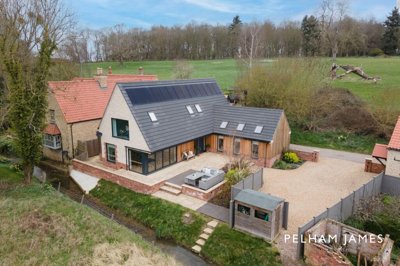
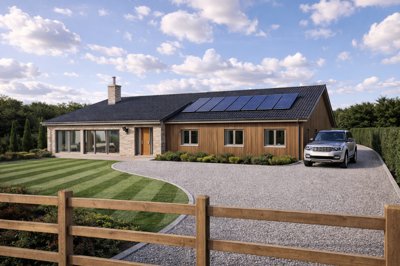
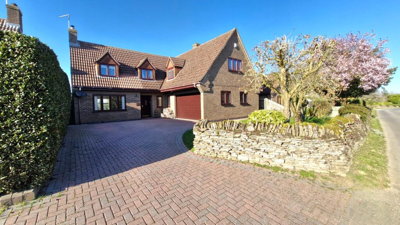
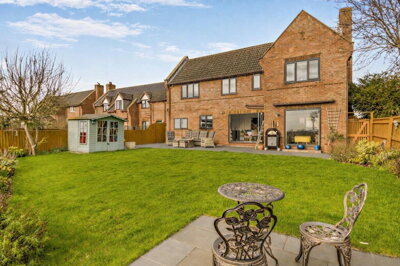
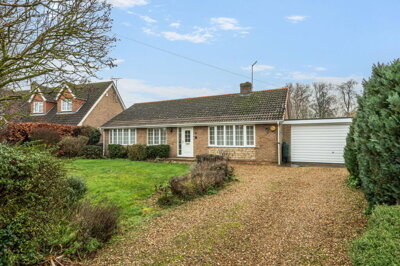
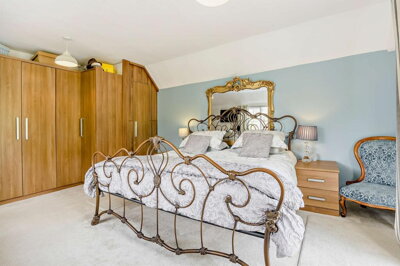
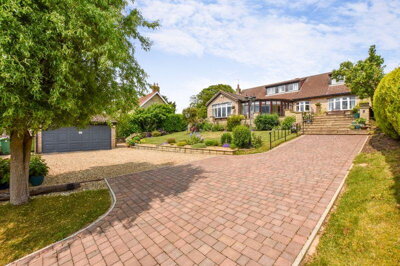
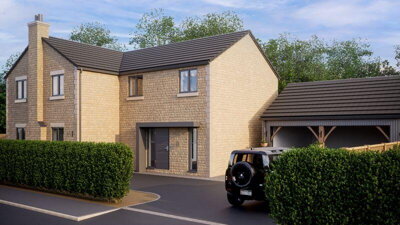
Browse 17 homes for sale in Witham on the Hill from local estate agents.
The Witham On The Hill property market offers detached, semi-detached, and terraced houses spanning various price ranges and neighbourhoods. Each listing includes detailed property information, photographs, and direct contact with the marketing agent.
Witham on the Hill sits in the more expensive end of the rural Lincolnshire market. Recent sold-price evidence puts the average sale at £687,500 across the past twelve months. That places this South Kesteven village in a higher value bracket, where buyers are often paying for setting and lifestyle as much as short-term growth. Prices have cooled, sitting around 7% below the previous year and 41% below the 2016 peak of £1,161,500, which may leave more room for value than at the market high.
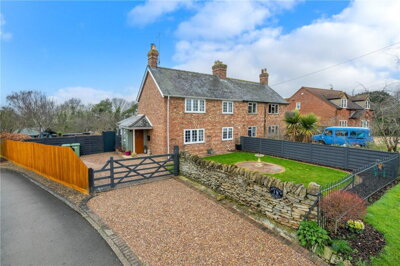
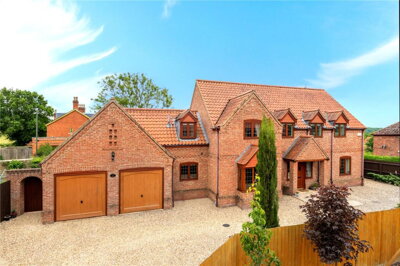
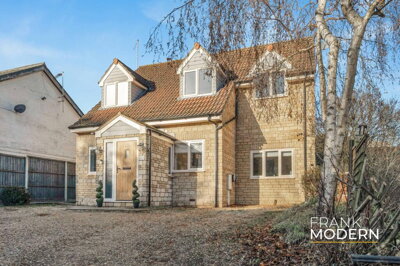
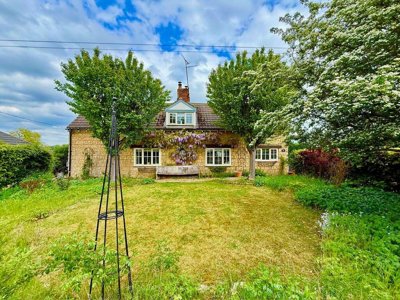
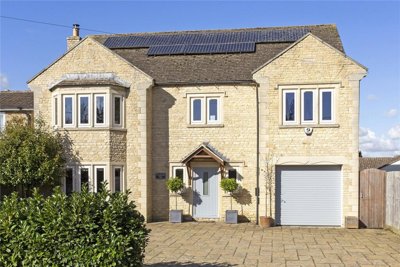
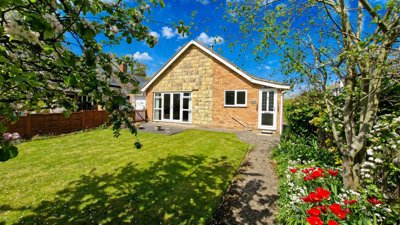
Across the village and the wider PE10 postcode area, the stock leans heavily towards detached family houses and older cottages, which fits the rural setting. We see homes here ranging from period buildings several centuries old, to mock-Tudor designs from the early twentieth century, to newer detached houses built to make the most of the village location. Nearby searches have also picked up new build schemes offering homes such as The Snowdrop, The Verbena, and The Jasmine from Ashberry, alongside The Mason and The Greenwood from Bellway, although buyers should check the precise site location with their chosen estate agent.
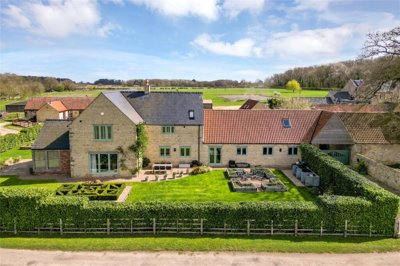
Space is a big part of the appeal here. In Witham on the Hill, larger detached houses with gardens and open views often make up much of the available stock, which suits families and buyers moving out of tighter urban accommodation. Generous plots, mature planting, and outlooks over farmland are common themes. Because villages like this do not see a constant stream of homes for sale, good properties can hold their appeal even when the wider market moves around.
Anyone buying with the medium to long term in mind will usually find the local market behaves much like other premium rural spots. Growth can be steadier than in city hotspots, but limited supply, strong lifestyle pull, and the lasting appeal of English countryside living all help support values over time.

Life in Witham on the Hill is rooted in the sort of rural village setting many buyers actively look for in South Kesteven, Lincolnshire. Traditional buildings, open countryside, and a close-knit community shape the place. Residents get the calm of country living while still relying on Bourne for day-to-day needs, with the nearest market town acting as the main service centre for surrounding villages. Around it all, this part of Lincolnshire is marked by rolling farmland, quiet lanes, and that fenland edge character that gives the area its own identity.
South Kesteven gives residents here more than just a village address. Stamford is only a short drive away and adds a wider choice of shops, places to eat, and historic interest, including its Georgian architecture and nearby Burghley House, home to the annual Burghley Horse Trials. For households thinking about a move, that balance matters, less traffic, easy access to walks, and a community atmosphere that can feel hard to find in busier places.
The area tends to draw people who value the familiar patterns of English village life, pubs, church communities, and the changing rural seasons. Day-to-day life often revolves around the church, the local inn, and footpaths linking the village to neighbouring settlements and open countryside. It does not feel staged. People generally know one another, look out for neighbours, and fold newcomers into a social fabric built up over generations.
For the basics, most residents head into Bourne. It has the shops, supermarkets, banks, and healthcare facilities needed for regular day-to-day living, so village life remains workable rather than remote. The trip only takes a few minutes by car, and there is also a bus option for those who would rather not drive.

Education for families in Witham on the Hill is centred on nearby primary schools serving the village and surrounding hamlets, with children commonly travelling into nearby villages and market towns. Families considering a move will find a choice of schools within reasonable driving distance, and Lincolnshire generally offers solid teaching standards with class sizes that remain manageable. The county has continued to support rural education, though we would still urge buyers to check current Ofsted ratings and catchment boundaries before relying on a particular primary school option.
In the Bourne area, several primary schools serve the surrounding villages, including hamlets with a similar profile to Witham on the Hill. Most cover Reception to Year 6, and because this is a rural area, families often need to plan transport carefully. One advantage is that village schools in Lincolnshire can have smaller classes than urban schools, which may allow more individual attention for pupils.
Secondary pupils from Witham on the Hill usually travel to Bourne, Stamford, or other nearby towns. That can include grammar school options for academically able students. The Stamford grammar schools are especially well regarded across South Kesteven, but entry depends on academic selection rather than simply living nearby. School transport and catchment arrangements can have a real effect on daily routines, so we always suggest checking current provision and any proposed admissions changes before committing to a purchase.
State schools are not the only route here. The wider area also has independent schooling at both primary and secondary level, with several respected schools within reasonable driving distance. For families weighing up education as part of a move, South Kesteven compares well with many other rural parts of the country.

Getting in and out of Witham on the Hill is usually straightforward enough for village living. The A151 is close by and links on to the A1, opening routes north towards Grantham and south towards Peterborough. Bourne provides bus connections to larger centres, while Grantham station gives access to the East Coast Main Line for London, Nottingham, and Edinburgh. For Peterborough commuters, the drive is often around 30-40 minutes, depending on the exact destination and traffic.
Driving here has its upsides, and a few compromises. The village is linked by country lanes to nearby communities, and while they can be pleasant to use, they also call for care because of their width and the occasional blind corner. Roads across this part of Lincolnshire are generally well maintained, but rural journey times are less predictable than in built-up areas where traffic patterns are more familiar.
London remains a realistic option from this part of Lincolnshire. From Grantham, direct trains to London Kings Cross take about 1 hour 15 minutes, which keeps regular commuting possible for some buyers. Peterborough station adds another layer of flexibility, with services towards East Anglia and further north. That mix of village living and workable transport links is one reason places like Witham on the Hill appeal to professionals who want countryside at home but still need access to major employment centres.
Cycling can work well locally because the Lincolnshire landscape is relatively flat, although narrow country lanes mean riders need to stay alert to traffic. Quiet roads and designated routes connect the village with nearby towns and villages, so shorter trips can be practical when time and weather line up. For buyers planning to work from home, the setting is certainly peaceful, but broadband speed is something we would check before purchase because rural service levels can vary.

It helps to understand how village homes here were built. In places like Witham on the Hill, older Lincolnshire properties often use locally sourced materials, with red brick commonly seen in the walls and clay pantiles or slates on the roof. Those materials have lasted well over generations, though they still need informed upkeep and a clear sense of how they behave in the local climate.
Many houses in the village come from the Georgian or Victorian periods, when regional building methods were well established. Thick walls are common and can contribute to strong thermal mass and fairly even internal temperatures through the year. Age also brings risk, of course. Subsidence, rising damp, and timber deterioration are all issues that may be present in an older home and should be checked carefully before purchase.
Some village homes still have thatched roofs, and they bring real character with them. They also bring specialist maintenance needs and insurance questions. Buyers should check that any thatched property has been properly looked after and that cover is available at a reasonable premium, since some insurers charge more for thatch. A detailed survey should flag concerns with condition and help us plan for future maintenance costs.
Newer homes in the village tend to be built to more modern standards, with features such as cavity wall insulation, efficient heating, and double glazing. They can mean lower maintenance and cheaper running costs than older houses, even if they do not offer the same character or solidity as many period properties. The market is mixed, which gives buyers a genuine choice between old and new.
We suggest starting with the basics that define Witham on the Hill. Look at recent sold prices averaging £687,500, note the 7% year-on-year movement, and get clear on the types of property actually available. It is also worth driving through the village at different times of day to judge noise, traffic, and how the place feels. A conversation with locals in the pub or shop can tell us far more about day-to-day life than a listing ever will.
Before arranging too many viewings, we recommend speaking to a lender and securing a mortgage Agreement in Principle. That sets out how much can be borrowed and shows sellers that a buyer is in a position to proceed. Having finances lined up can make a real difference when the right property appears. For homes with land or non-standard construction, specialist rural mortgage brokers can also be useful.
We can arrange viewings through our platform for properties in and around Witham on the Hill. While viewing, it helps to weigh up matters such as garden orientation, parking, general condition, and how close neighbouring homes sit. Try to visit at more than one time of day so noise and activity levels are easier to judge. With period homes, we would pay especially close attention to the roof, the structure, and the state of any original features.
After an offer is accepted, the next sensible step is to book a RICS Level 2 Survey. This report highlights defects, structural concerns, and areas that may need attention before a purchase is finalised. In a village where many homes are older, that professional advice can be crucial and may also help with price negotiations if major issues come to light.
We then advise appointing a conveyancing solicitor to deal with the legal side of the purchase. They will carry out searches, handle the contract work, and arrange the formal transfer of ownership through the official register. In Lincolnshire, searches will usually cover drainage and environmental matters linked to the fenland edge, including any flood risk associated with nearby watercourses or drainage systems.
Once the legal work is finished and both sides are ready, contracts are exchanged and a deposit is paid. Completion often follows within days or weeks, and that is the point at which the keys are released and ownership of the Witham on the Hill home passes over. Buildings insurance should be in place from the moment of completion.
Anyone buying in Witham on the Hill should look closely at how village properties have been built and how well they have aged, especially where homes date from earlier periods. Traditional Lincolnshire construction can call for specific maintenance methods. On older cottages, the condition of thatch, clay tile, or slate roofs deserves real attention, as does the standard of any past renovation or extension work. A thorough RICS Level 2 Survey is one of the best ways to spot issues linked to the building type and period.
The rural setting also brings a few practical checks that matter more here than in some towns, especially drainage, broadband, and heating. Some village homes rely on private drainage, such as septic tanks or treatment plants, rather than mains sewerage, which can affect both running costs and compliance requirements. The Environment Agency oversees private drainage systems, so buyers should be clear on current compliance and any maintenance responsibilities before completion.
Heating is another area worth understanding properly. Older village houses may depend on oil, LPG, or solid fuel instead of mains gas, and that can shape both running costs and future upgrade plans. With energy prices still high, the difference between systems can have a noticeable effect on a household budget. Where heating is dated, improvement works may be sensible, but we would want those costs built into the wider purchase figures and any negotiation.
Broadband can vary a good deal across rural Lincolnshire, so checking actual speed with providers before purchase is sensible, especially for anyone working from home or relying on strong connectivity. The village may fall within the local broadband network, but that does not always mean urban-style performance. Mobile coverage should be checked as well, because signal strength in rural areas can differ sharply from one network to another.

Buying costs go beyond the agreed price, and stamp duty land tax, SDLT, is often the biggest extra. Based on the current average value of £687,500, a standard buyer purchasing with a mortgage would usually expect SDLT of about £21,875, worked out at 5% on the portion between £250,001 and £687,500. First-time buyers may get relief if the property falls within the £625,000 maximum purchase price threshold. Knowing these figures from the start makes budgeting easier and can help avoid delays later in the transaction.
Stamp duty is only part of the picture. Buyers should also allow for solicitor conveyancing fees, usually around £500 to £1,500 depending on complexity and whether the property is freehold or leasehold. A RICS Level 2 Survey will often start from about £350 for a standard home, with larger or more complicated properties costing more. In a village market where age and character are common selling points, spending properly on a survey can be money well spent.
Search fees are another item to budget for. Through Lincolnshire County Council and South Kesteven District Council, local searches usually cost £200-400 and cover drainage, environmental matters, and planning issues tied to the specific property. They can reveal flood risk, contaminated land concerns, and nearby planning applications that may affect the home. With rural properties, extra searches on agricultural land, rights of way, and common land may also be needed.
It is also wise to leave room for the practical costs around the move itself. Removal charges, mortgage arrangement fees, and any renovation work should all sit within the overall budget for a new village home. We would also factor in utility connection costs where a property has stood empty, urgent repairs identified by the survey, and the usual expenses that come with moving into any house. A contingency above core moving costs can take the sting out of surprises.

Recent sales in Witham on the Hill average £687,500 across the past twelve months, and some market snapshots put the wider PE10 postcode area nearer £700,000. That keeps the village firmly in Lincolnshire's premium rural bracket. Values are around 7% lower than a year ago and roughly 41% below the 2016 peak of £1,161,500, which may give buyers a more attractive entry point than at the top of the market. Even so, pricing varies sharply by type, scale, land, and condition, with detached family homes and traditional cottages with land usually commanding the strongest figures.
For council tax, properties in Witham on the Hill come under South Kesteven District Council and Lincolnshire County Council. The village sits within the PE10 postcode area, and bands run from A to H according to value. Many homes fall into the middle bands, though larger detached houses and period properties can sit higher. We always recommend checking the exact band for any property under consideration, since it will form part of the annual running cost alongside energy, maintenance, and other household bills.
Primary schooling is available in nearby villages and in Bourne, and parents should check both current Ofsted ratings and catchment boundaries before making plans. Bourne Primary School, along with other local village primaries, serves the wider area, with several holding good or outstanding Ofsted ratings. At secondary level, options include Bourne Grammar School for pupils suited to that route, as well as other schools around Stamford. The Stamford grammar schools in particular have a strong reputation across South Kesteven.
Public transport is limited here, which is typical of a rural village. Bus links do connect Witham on the Hill with Bourne and other nearby centres, but services are less frequent than in towns and cities. For rail travel, most people look to Grantham, which has East Coast Main Line trains to London Kings Cross in about 1 hour 15 minutes and on north towards Edinburgh, or to Peterborough for East Anglia and wider network connections. In practice, many residents find car ownership essential.
As a place to buy, Witham on the Hill suits people looking for a settled and attractive countryside setting. Values have corrected from the 2016 peak, which may open a better buying window than before. Villages in rural Lincolnshire often keep their appeal because the supply of strong homes is limited, communities remain well established, and demand for village and country living has not gone away. The trade-off is that price growth is usually steadier than in urban markets, so it tends to suit lifestyle-led buyers more than those chasing rapid capital appreciation.
For 2024-25, SDLT rates are 0% on the first £250,000, 5% on the portion from £250,001 to £925,000, 10% on the portion from £925,001 to £1.5 million, and 12% on any amount above £1.5 million. First-time buyer relief applies at 0% on the first £425,000, then 5% between £425,001 and £625,000. Using the village average of £687,500, a standard buyer would face SDLT of about £21,875. A first-time buyer would pay £0 if the purchase price stayed below the £425,000 threshold.
Older homes in Witham on the Hill need a careful eye on several fronts. The roof covering matters, whether that is tile, slate, or thatch, because replacement costs can be substantial. Walls should be checked for cracking, damp, or movement that could point to structural trouble. We would also want the age and condition of heating, plumbing, and electrics confirmed, as upgrades can be expensive. Where a house has a thatched roof, buyers should confirm professional maintenance and the availability of buildings insurance. A RICS Level 2 Survey will usually bring these points into focus.
From £350
A detailed inspection of the property's condition, identifying defects and areas that need attention. Especially important for older village properties.
From 4.5%
Expert mortgage broking from our team to help find the best deal for a property purchase, including specialist rural mortgages.
From £499
Professional legal support for the purchase, from accepted offer right through to completion.
From £60
An energy performance certificate is required for every property sale, with energy efficiency rated from A to G.
Properties for Sale In London

Properties for Sale In Plymouth

Properties for Sale In Liverpool

Properties for Sale In Glasgow

Properties for Sale In Sheffield

Properties for Sale In Edinburgh

Properties for Sale In Coventry

Properties for Sale In Bradford

Properties for Sale In Manchester

Properties for Sale In Birmingham

Properties for Sale In Bristol

Properties for Sale In Oxford

Properties for Sale In Leicester

Properties for Sale In Newcastle

Properties for Sale In Leeds

Properties for Sale In Southampton

Properties for Sale In Cardiff

Properties for Sale In Nottingham

Properties for Sale In Norwich

Properties for Sale In Brighton

Properties for Sale In Derby

Properties for Sale In Portsmouth

Properties for Sale In Northampton

Properties for Sale In Milton Keynes

Properties for Sale In Bournemouth

Properties for Sale In Bolton

Properties for Sale In Swansea

Properties for Sale In Swindon

Properties for Sale In Peterborough

Properties for Sale In Wolverhampton

Enter your details to see if this property is within your budget.
Loans, cards, car finance
Estimated property budget
Borrowing + deposit
You could borrow between
Typical borrowing
Monthly repayment
Est. at 4.5%
Loan-to-value
This is an estimate only. Your actual budget may vary depending on interest rates, credit history, and personal circumstances. For an accurate affordability assessment, speak to one of our free mortgage advisors.
This calculator provides estimates for illustrative purposes only and does not constitute financial advice. Your home may be repossessed if you do not keep up repayments on your mortgage. Estimates based on 4.5% interest rate, repayment mortgage. Actual rates depend on your circumstances.
Homemove is a trading name of HM Haus Group Ltd (Company No. 13873779, registered in England & Wales). Homemove Mortgages Ltd (Company No. 15947693) is an Appointed Representative of TMG Direct Limited, trading as TMG Mortgage Network, which is authorised and regulated by the Financial Conduct Authority (FRN 786245). Homemove Mortgages Ltd is entered on the FCA Register as an Appointed Representative (FRN 1022429). You can check registrations at NewRegister or by calling 0800 111 6768.

We use cookies to show you personalised content and improve your experience of our website. Find out more in our Privacy policy and Cookie policy.