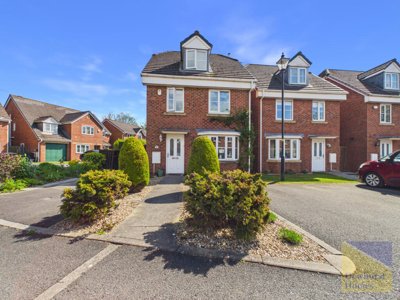
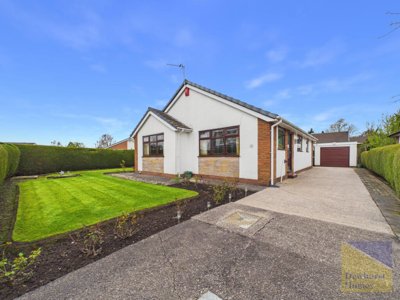
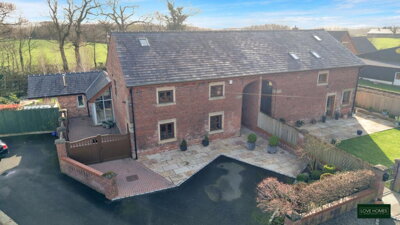
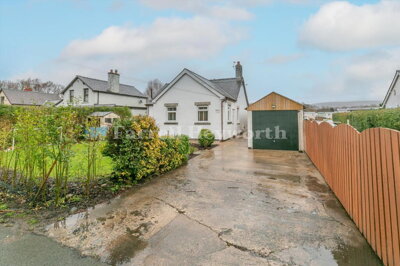
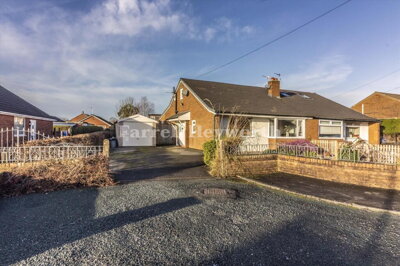
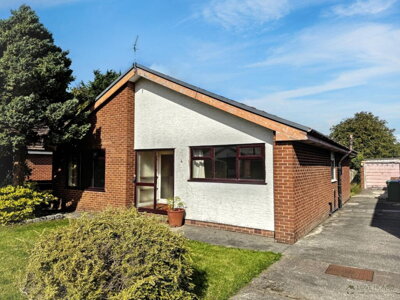
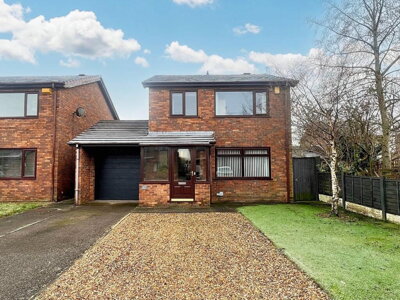
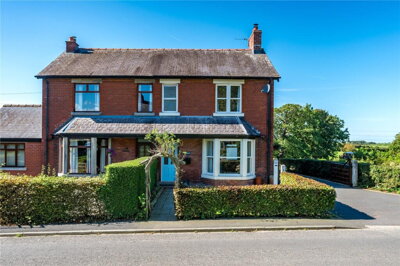
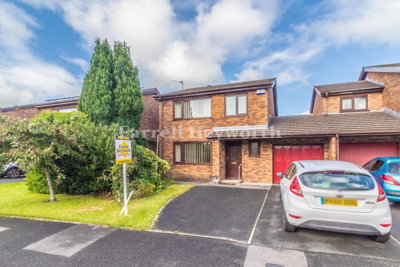
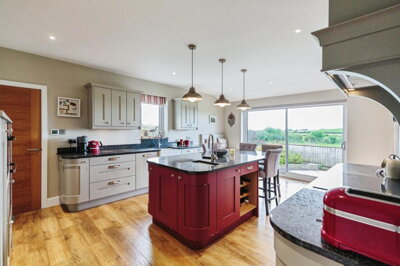
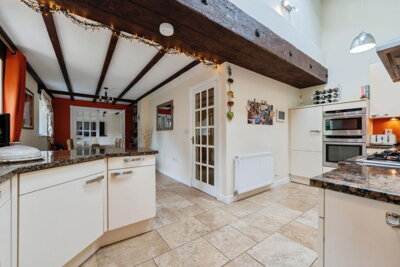
Browse 11 homes for sale in Winmarleigh, Wyre from local estate agents.
Three bedroom properties represent a significant portion of the Winmarleigh housing market, offering space for families with multiple reception rooms and gardens in many cases. Browse detached, semi-detached, and terraced options ranging from period character homes to contemporary developments.
£0k
0
0
0
Source: home.co.uk
Showing 0 results for 3 Bedroom Houses for sale in Winmarleigh, Wyre.
Winmarleigh’s property market moves at a modest pace, with around a dozen transactions completing in any twelve-month period. That suits a village that feels tightly knit and rural, not a high-volume residential hub. Prices have stayed resilient too, rising by 1.4% over the past year as buyers seeking a semi-rural lifestyle continue to support values across the local stock. The result is a market that still feels appealing, yet remains more accessible than the hotter parts of Greater Manchester or the Lake District.
Detached homes lead the way here, usually changing hands in the £475,000 range and making up approximately 65% of available housing stock. These larger family houses often come with generous plots and open countryside views, which is part of the draw for buyers who want space and a closer link to the landscape. Semi-detached properties offer a lower entry point at around £280,000, while terraced homes, although less common in a village like this, can be found from approximately £220,000. Flats are almost non-existent, and there is not enough transaction data to set a reliable benchmark for that type.
Winmarleigh’s housing mix reflects its farming roots, with homes from several periods, including pre-1919 farmhouses and workers' cottages, mid-century post-war builds, and a small number of modern developments completed after 1980. That gives buyers a choice between characterful older places that may need varying levels of modernisation and newer homes with improved insulation and updated fittings. New build activity in the PR3 postcode area is still minimal, and any recent schemes are more often found in neighbouring towns and villages.
Our inspectors have looked at homes across Winmarleigh and can say the local stock brings both opportunity and a fair few points to think about. Older farmhouses often use traditional solid-wall construction and slate roofs, while post-war homes are more likely to have cavity walls. Knowing which era a property comes from helps us judge likely maintenance needs, and it gives buyers a clearer idea of what may need spending on after purchase.

Daily life in Winmarleigh follows the rhythm of rural Lancashire, and the village remains small enough for neighbours to know one another well. Around 600 to 700 residents live here, across 250 to 300 households, which keeps the community intimate without cutting it off from the services in nearby market towns. Agriculture shaped the local economy for generations, and farming still influences both the landscape and employment, although many residents now commute to Preston, Lancaster, and further afield for work.
The River Wyre is one of the village’s defining features, adding to the landscape and giving people a reason to head out for riverside walks and wildlife watching. The Conservation Area designation protects the historic core, especially around St Luke's Church and the nearby farmsteads, so any new development has to sit comfortably with the traditional layout and architecture that give Winmarleigh its character. A number of listed buildings, including farmhouses, barns, and the parish church, still stand as clear reminders of the village’s agricultural past and its architectural history.
Red brick, slate, and tile are the main materials you see in Winmarleigh, with stone on the older farmhouses and rendered finishes on some properties. The glacial till geology beneath the area has helped shape both the countryside and the way it was built, creating the productive farmland that wraps around the settlement. Rural as it is, Winmarleigh still has reasonable links to larger centres, so residents can enjoy the calm of the countryside and still reach retail, healthcare, and cultural amenities within a sensible travelling distance.
We often tell buyers looking at Winmarleigh that the village suits people who value space, quiet, and a sense of community more than instant access to town-centre convenience. The nearest primary schools and local shops sit in neighbouring villages, so day-to-day living does call for personal transport. Even so, the feeling of belonging that comes from a community this size, together with the farmland and the River Wyre nearby, gives the village a quality of life that urban settings struggle to match.

Families moving to Winmarleigh will find a reasonable choice of schools within travelling distance, which fits the village’s small scale and rural setting. Primary education is usually accessed through schools in neighbouring villages and market towns, with several good-rated primary schools serving the wider Wyre area. Parents should check catchment boundaries and admission rules carefully, because these can change quite a lot and may affect which school a child can attend from a particular address.
Secondary education opens up further, with access to schools in Garstang, Preston, and Lancaster, each offering different specialisms and sixth form options to suit a range of academic interests and career plans. Several of these schools have built strong reputations for achievement and extracurricular provision, and they draw pupils from across the wider rural area. Transport for secondary pupils usually means a school bus or family transport, so that is something we advise families to build into their moving plans.
For higher education and further study, Lancaster University is a major plus, sitting approximately 20 miles to the north and offering strong opportunities for older students and young adults. It is a Russell Group institution with a broad spread of undergraduate and postgraduate courses, alongside a respected research profile. Preston and Lancaster also both have further education colleges, with vocational courses and A-level programmes that keep educational routes open for residents at different stages.
When we help families settle in Winmarleigh, we always suggest visiting possible schools in person and getting to grips with the daily routine before going ahead with a purchase. The drive to secondary schools in Garstang or Lancaster usually takes 15 to 25 minutes by car, and school bus services run from the village for pupils who live in the right catchment areas. Morning and afternoon travel quickly become part of everyday life, so it pays to factor them in early.

Winmarleigh sits in a useful spot within the Lancashire countryside, giving residents access to major transport routes while keeping the calm feel of rural living. The village is within easy reach of the A6 corridor, which links north towards Lancaster and the Lake District and south towards Preston, where the M6 and M65 connect to the wider motorway network. That makes it a sensible base for commuters working in Preston or Lancaster who would rather come home to a quieter village setting.
Rail links are available from nearby stations in Lancaster, Preston, and Lancaster itself, with regular services to Manchester, Liverpool, and London. From Lancaster station, direct trains to London Euston take approximately two and a half hours, while Preston gives excellent northern connections, including services to Glasgow and Edinburgh. For flights further afield, Manchester Airport is about one hour by car and opens up a full range of international routes.
Bus services do run between Winmarleigh and the surrounding villages and market towns, although frequencies are limited compared with urban routes, so private vehicle ownership is close to essential for most households. Cycling is possible on the country lanes around the village, though we would only recommend that to experienced cyclists in daylight. Parking is usually fine because traffic volumes stay low, but spaces can become tight when visitors arrive for popular events at nearby venues.
From the buyers we have helped in Winmarleigh, car ownership is usually seen as a basic part of life rather than a burden. Garstang is close enough for the weekly supermarket run, pharmacy visits, and other routine errands to stay straightforward. Preston is also within easy reach for bigger shopping trips, cinema visits, or a meal out, usually taking about 30 minutes each way. So the village gives people a proper rural setting during the week, with town amenities still within reach when needed.

Start by looking through current property listings in Winmarleigh on home.co.uk, and pay attention to what is available, the asking prices, and how each property type sits within its price band. It also helps to understand the wider market context, including the village’s Conservation Area and the prevalence of period properties, so that expectations stay realistic. We suggest building a shortlist of homes that meet your must-haves, then adding a few comparable alternatives in case the first choices are taken or priced too high.
Before arranging viewings, get a mortgage agreement in principle from a lender or broker. That financial pre-check tells estate agents and sellers that funding is already in place, which can strengthen your position if more than one buyer wants the same home in this village market. It also gives a clear budget to work from, so time is not wasted on properties outside reach.
Visit homes that fit your brief, and give extra attention to period features, roof condition, and any signs of damp or structural movement, especially with the local clay geology in mind. Make notes and take photographs at each viewing, and do not be shy about going back for a second look before making any commitment. Our team can attend viewings in Winmarleigh and talk through what to watch for in homes of different ages and build types.
For most properties in Winmarleigh, especially older farmhouses, converted barns, or homes near the River Wyre, a RICS Level 2 Survey is essential. This inspection usually costs between £550 and £750 for a typical three-bedroom detached property and should pick up structural concerns, damp problems, and any repairs that need attention before purchase goes ahead. Our RICS-registered surveyors know Winmarleigh well and understand the kinds of defects that show up repeatedly in local homes.
Once your offer is accepted, instruct a solicitor with experience in rural property transactions to deal with the legal work. They will carry out searches, manage contracts, and oversee the transfer of ownership, including any issues linked to Conservation Area restrictions or listed building rules that may affect Winmarleigh homes. We work with conveyancers who know the PR3 postcode area and can advise on planning matters that could affect the purchase.
After that, the mortgage is finalised, search results come back, and we work with your solicitor towards exchange on the agreed completion date. On completion day, the remaining funds are transferred and the keys to the new Winmarleigh home are handed over. We stay involved throughout, so any problems can be dealt with quickly and the move feels supported right through to moving day.
Buying in Winmarleigh means keeping an eye on a few area-specific issues that are different from an urban property search. Because the village sits near the River Wyre, flood risk deserves close attention, and low-lying properties or homes close to watercourses can be more exposed to river flooding and surface water during periods of heavy rain. We would always ask for flood history information and look carefully at elevation and drainage before taking any property seriously.
The clay geology across Winmarleigh can cause shrink-swell movement, which may affect foundations, particularly in older homes built before modern building regulations brought better foundation specifications. Cracking in walls or ceilings, doors and windows that stick, and gaps between walls and floors can all point to subsidence or heave. A thorough RICS Level 2 Survey should pick up these risks and suggest any further investigation or specialist inspection if it is needed.
Parts of the village centre sit within a Conservation Area, so there are extra planning considerations around permitted development rights and external alterations. Any proposal to extend, alter, or otherwise change a Conservation Area property is likely to need planning permission and may face tighter controls than a similar home outside the designated area. Listed buildings, which include several local farmhouses and agricultural buildings, bring even more demanding consent requirements and specialist materials when work is planned.
Older Winmarleigh properties need a close look at their building materials, because traditional solid wall construction and older timber framing can call for different maintenance from modern cavity walls. Electrical and plumbing systems in period homes often need updating to meet current safety standards, so that is a cost worth allowing for after purchase. Traditional slate roofs should also be checked carefully, as replacement with natural slate can be expensive.
During surveys of Winmarleigh homes, our inspectors repeatedly come across a handful of issues that buyers should keep an eye out for at viewings. Rising damp is common in many pre-1919 properties where the original damp-proof course has failed or was never installed. Roofs on older homes often show slipped or broken slates, tired leadwork around chimneys, and felt that has degraded beneath tile or slate coverings. Timber parts such as floor joists, roof rafters, and window frames also need close inspection for woodworm or wet rot, particularly where ventilation has been reduced by modern additions or poor upkeep.

The average house price in Winmarleigh is £359,500 as of early 2026, based on recent transaction data from home.co.uk and homedata.co.uk. Detached homes average around £475,000, semi-detached properties approximately £280,000, and terraced homes from £220,000. Prices have risen by 1.4% over the past twelve months, which points to a stable market with ongoing demand for rural homes in this part of Lancashire. Flats are virtually unavailable, and there is not enough transaction history to give a dependable average for that property type.
Wyre Borough Council is the local authority for Winmarleigh, and council tax bands here run from A through to H, depending on the value and type of property. Most detached family homes in the village usually sit in bands D to F, while smaller period cottages can fall into lower bands. We advise prospective buyers to check the exact band for any property through the Wyre Council website or via their solicitor during conveyancing, because council tax is part of the ongoing cost of ownership in the area.
Winmarleigh does not have its own primary or secondary school within the village boundary, so families normally use schools in nearby towns instead. Primary schools in Garstang and the surrounding villages serve the local area, while secondary choices include schools in Garstang and Lancaster. The district works well for families prepared to travel, and several schools across the wider Wyre area have achieved good or outstanding Ofsted ratings. Lancaster University, about 20 miles north, provides higher education options for local residents too.
Public transport in Winmarleigh is limited, which is only to be expected in a rural village with a population of around 600 to 700 residents. Bus services link the village with nearby towns, although the timetable is nowhere near as regular as urban routes. Most residents depend on private cars for commuting and daily errands. Rail services are available from Lancaster and Preston stations, both reachable within 30 minutes by car, with direct trains to Manchester, Liverpool, and London. Manchester Airport is about one hour away for international flights.
Winmarleigh offers moderate investment potential for buyers who care more about lifestyle than chasing high rental yields. Its rural character, Conservation Area protection, and limited new development point towards long-term value retention for good quality properties. Rental demand in the immediate area is likely to stay modest because the population is small and local employment is limited, although families wanting village life may still show interest in well-priced rentals. Capital growth has held at 1.4% annually, which suggests steady rather than speculative appreciation. Homes near the River Wyre with good access to Garstang and the A6 corridor tend to hold value well.
From April 2025, stamp duty rates begin at zero on properties up to £250,000, then rise to 5% on the portion between £250,001 and £925,000, 10% up to £1.5 million, and 12% above that. First-time buyers benefit from higher thresholds, paying nothing up to £425,000 and 5% between £425,001 and £625,000. With the average Winmarleigh price at £359,500, most standard purchases would face stamp duty of about £5,475, while first-time buyers may pay nothing depending on their circumstances and whether the property meets the relief criteria.
Our inspectors regularly pick up damp in Winmarleigh’s older properties, especially rising damp where original damp-proof courses have failed, or penetrating damp caused by worn brickwork or poor guttering. Roof faults such as slipped slates, failed felt, and tired leadwork also come up often on pre-war houses. The clay geology can lead to subsidence or heave at the foundations, particularly where trees are nearby or drainage is weak. Period homes often still have fuse boxes and galvanised steel pipes from the original build, so electrical and plumbing systems frequently need upgrading to current standards.
Properties near the River Wyre and on low-lying land in Winmarleigh do face genuine flood risk from river flooding and surface water during heavy rainfall. Environment Agency flood maps show elevated risk along the river corridor and in places with poor natural drainage. When we arrange surveys on Winmarleigh properties, we always advise checking the specific flood risk for the address and making sure buildings insurance will cover flood damage. Homes set above the floodplain or further back from watercourses usually carry less risk, although surface water can still affect any low-lying ground in exceptional weather.
Budgeting for a purchase in Winmarleigh means taking stamp duty into account alongside the other acquisition costs, and the final figure depends mainly on the purchase price and buyer status. On a typical detached property at the village average of £359,500, a standard buyer would pay around £5,475 in stamp duty, based on 5% on the amount above £250,000. First-time buyers purchasing homes up to £425,000 may qualify for full relief, which can free up money for furniture or renovation work on a new Winmarleigh home.
Beyond stamp duty, buyers should also allow for solicitor fees of about £800 to £1,500 for conveyancing work on a property at this level, covering title checks, contract drafting, and registration at completion. Survey costs for a RICS Level 2 inspection usually fall between £550 and £750 depending on the size and complexity of the home, with larger detached houses and period properties often landing towards the top of that range. An Energy Performance Certificate costs around £85 to £120 and must be in place before a property can be marketed for sale, so current owners need to sort that out early in the selling process.
Other costs to think about include mortgage arrangement fees, which range from zero to £2,000 depending on lender and product, search fees of around £300 to £500 for local authority and environmental checks, and removal costs that vary with distance and the amount of furniture being moved. Buildings insurance has to be active from completion day, while mortgage valuation fees, though often shown separately, are usually deducted from the loan rather than paid upfront. As a rule of thumb, buyers should allow for around 3% to 5% of the property price in extra acquisition costs when planning for a Winmarleigh home.
We always suggest keeping a contingency fund of at least £5,000 to £10,000 on top of the acquisition costs, especially for older Winmarleigh properties where our surveys often uncover work that needs doing. Properties built before 1919, converted agricultural buildings, and homes near the River Wyre especially deserve that extra cushion, because repairs or improvements may turn up during conveyancing searches or only become clear once the property is occupied and can be looked over properly.

Properties for Sale In London

Properties for Sale In Plymouth

Properties for Sale In Liverpool

Properties for Sale In Glasgow

Properties for Sale In Sheffield

Properties for Sale In Edinburgh

Properties for Sale In Coventry

Properties for Sale In Bradford

Properties for Sale In Manchester

Properties for Sale In Birmingham

Properties for Sale In Bristol

Properties for Sale In Oxford

Properties for Sale In Leicester

Properties for Sale In Newcastle

Properties for Sale In Leeds

Properties for Sale In Southampton

Properties for Sale In Cardiff

Properties for Sale In Nottingham

Properties for Sale In Norwich

Properties for Sale In Brighton

Properties for Sale In Derby

Properties for Sale In Portsmouth

Properties for Sale In Northampton

Properties for Sale In Milton Keynes

Properties for Sale In Bournemouth

Properties for Sale In Bolton

Properties for Sale In Swansea

Properties for Sale In Swindon

Properties for Sale In Peterborough

Properties for Sale In Wolverhampton

Enter your details to see if this property is within your budget.
Loans, cards, car finance
Estimated property budget
Borrowing + deposit
You could borrow between
Typical borrowing
Monthly repayment
Est. at 4.5%
Loan-to-value
This is an estimate only. Your actual budget may vary depending on interest rates, credit history, and personal circumstances. For an accurate affordability assessment, speak to one of our free mortgage advisors.
This calculator provides estimates for illustrative purposes only and does not constitute financial advice. Your home may be repossessed if you do not keep up repayments on your mortgage. Estimates based on 4.5% interest rate, repayment mortgage. Actual rates depend on your circumstances.
Homemove is a trading name of HM Haus Group Ltd (Company No. 13873779, registered in England & Wales). Homemove Mortgages Ltd (Company No. 15947693) is an Appointed Representative of TMG Direct Limited, trading as TMG Mortgage Network, which is authorised and regulated by the Financial Conduct Authority (FRN 786245). Homemove Mortgages Ltd is entered on the FCA Register as an Appointed Representative (FRN 1022429). You can check registrations at NewRegister or by calling 0800 111 6768.

We use cookies to show you personalised content and improve your experience of our website. Find out more in our Privacy policy and Cookie policy.