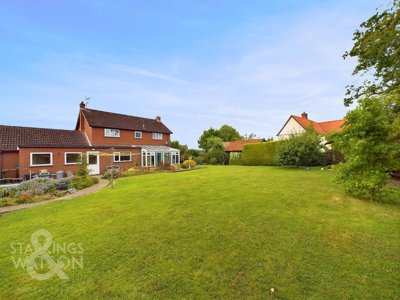
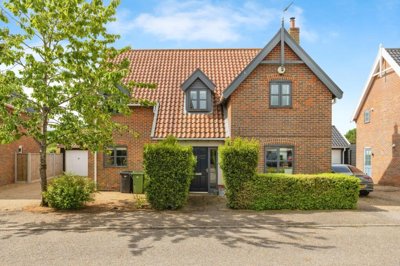
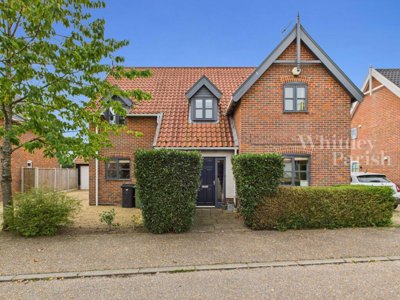
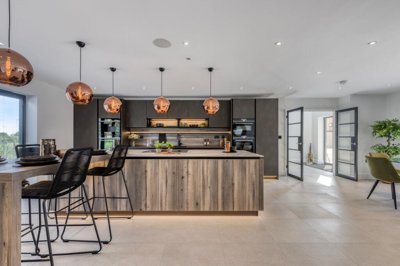
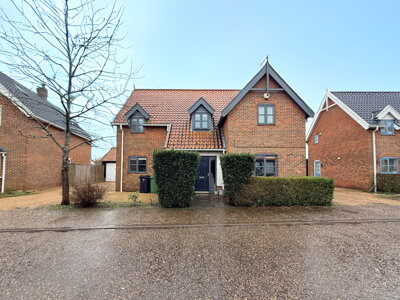
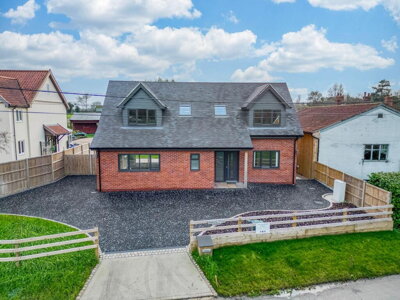
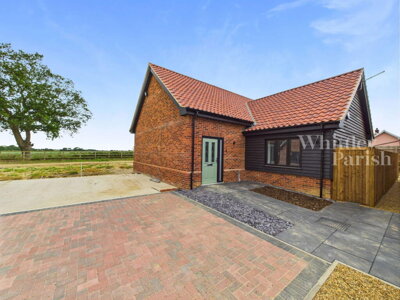
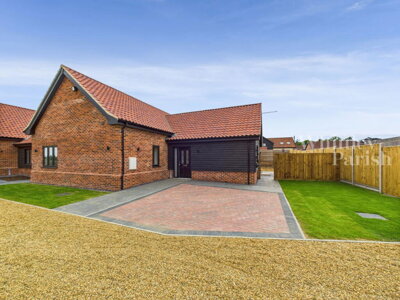
Browse 19 homes for sale in Winfarthing, South Norfolk from local estate agents.
The larger property sector typically features multiple bathrooms, substantial reception space, and private gardens or off-street parking. Four bedroom houses in Winfarthing span detached, semi-detached, and occasionally terraced configurations, with styles ranging from period properties to modern executive homes.
£450k
9
1
127
Source: home.co.uk
Showing 9 results for 4 Bedroom Houses for sale in Winfarthing, South Norfolk. 1 new listing added this week. The median asking price is £450,000.
Source: home.co.uk
Detached
9 listings
Avg £477,778
Source: home.co.uk
Source: home.co.uk
Winfarthing's property market has shifted noticeably over the past year, with average house prices down by approximately 10% according to home.co.uk listings data. homedata.co.uk puts the average sold price at £502,083 for homes sold in Winfarthing over the last 12 months, which shows plenty of movement even against wider national patterns. That puts current values back around 2017 territory, when the average was £472,500, and it may suit buyers after a rural village with a little more breathing room on price. For anyone chasing character and charm rather than peak-market figures, the reset has opened a few doors.
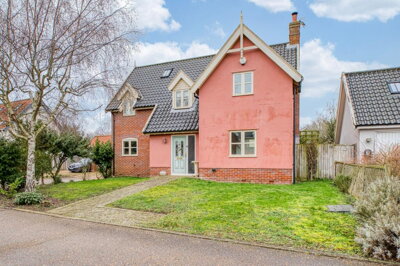
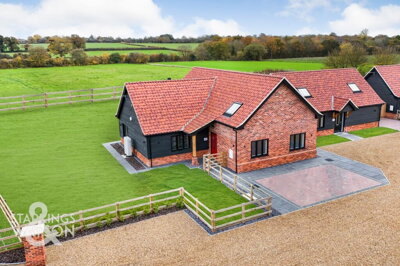
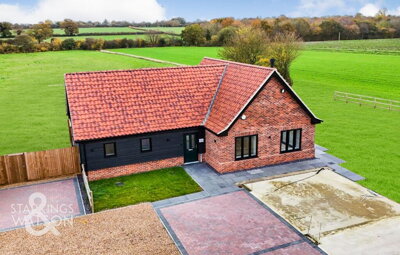
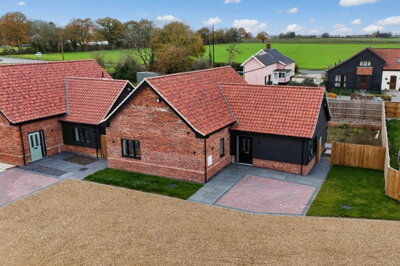
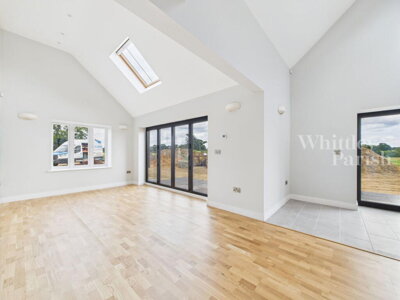
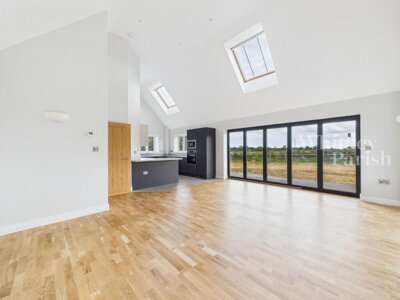
Detached houses shape much of the Winfarthing market, with prices running from roughly £325,000 for older period homes to £850,000 for top-end detached properties. New build activity is also on the map, not least Mitchells Yard on Mill Road, where brand new detached homes are guide-priced at £550,000 to £575,000. Those homes usually offer around 1,280 to 1,314 square feet, which is a decent draw for families wanting modern space in a village setting. Old and new sit side by side here, and that gives the village a wider spread of options than many places its size.
Sales activity remains healthy in Winfarthing, with home.co.uk recording 82 sales over the past year. That level of turnover points to steady buyer interest, even with prices moving around, and it says a fair bit about the village's staying power as a place to live. Semi-detached homes and bungalows are part of the mix too, so the housing stock is not limited to one sort of buyer. Different budgets, different households, same rural setting.

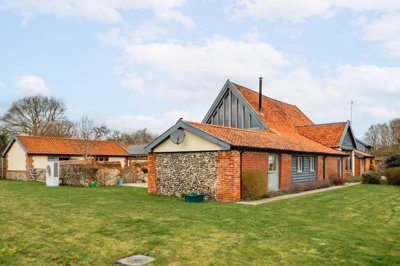
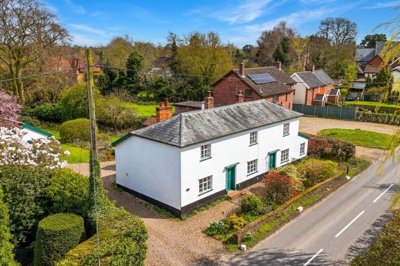
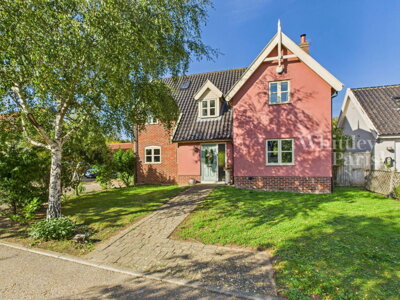
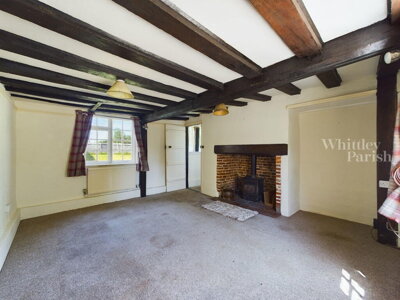
Winfarthing has the look of a classic English village, all brickwork, thatched roofs and the sort of period details people tend to remember. Converted barns add another layer, using traditional agricultural materials while giving families generous living space. Around the village there are countryside walks, open fields and the sort of close-knit feel that smaller Norfolk places often manage so well. It is quiet, but not cut off from everyday life.
Diss is only 4 miles away, and that makes daily life in Winfarthing considerably easier. The market town brings shopping, restaurants and leisure options, while also acting as a local employment hub for many residents. In the village itself there is a traditional pub and a community hall, and Diss adds a wider spread of shops and professional services. Grade II listed cottages and farmhouses also help define Winfarthing's look and give it a stronger sense of heritage.
There is a strong neighbourly feel in Winfarthing, very much in step with the wider character of South Norfolk. Families, retirees and professionals all settle here for different reasons, but the draw is similar, rural calm without complete isolation. Farming still matters across the surrounding landscape, so the village remains tied to the agricultural life of the area. That mix of tranquility, architecture and community is what keeps Winfarthing appealing.

For families, most schooling will centre on Diss, about 4 miles from the village. Primary schools there serve the local catchment areas and keep the school run manageable. Some nearby villages also take Winfarthing families, and South Norfolk local authority has several primary schools across its patch. Norfolk County Council should always be checked for the latest catchment details, as admissions depend on residential proximity and policy.
Secondary schools are available in Diss and across the wider South Norfolk area, with many offering full curricula and solid academic results. The nearest options are usually in Diss itself, which keeps journey times shorter than they would be in more remote rural spots. Sixth form choices come through nearby schools and colleges, so progression after GCSEs is not a problem. Rural does not mean limited here, and Norfolk's school standards are generally good at both primary and secondary level.
Specialist provision is available elsewhere in Norfolk for families with more specific needs. Private and independent schools can also be reached within a reasonable drive if a different educational route is preferred. Because Winfarthing sits in South Norfolk, it falls within reach of facilities spanning early years through to further education colleges. School travel, and the practicalities around it, deserve a proper look during the search, because catchment location can shape everyday routines for years.

Even with its village setting, Winfarthing is well connected thanks to Diss being only 4 miles away. Diss railway station has regular services to London Liverpool Street, making day commuting possible for people working in the capital. It also links to Norwich, Cambridge and Birmingham, which broadens the reach well beyond the immediate area. For anyone who needs that sort of access, the rail link is a real advantage.
By road, Winfarthing connects into the A1066 and the wider Norfolk network, so car travel to nearby towns and villages is straightforward. Norwich is around 30 miles away, which keeps city amenities within sensible driving distance. The A140 gives access towards Norwich and the coast, while the A11 links to Cambridge and the M11 for longer journeys. Local bus services also run to Diss and other South Norfolk villages, giving a useful back-up for those without a car.
Cyclists have plenty to work with around Winfarthing, even if dedicated cycle routes inside the village are limited. Rural lanes and bridleways make the area popular with confident riders, and there are routes towards Diss and neighbouring villages for those who prefer two wheels. Walking is pleasant too, thanks to the compact village layout and the countryside around it. Parking depends on the property, although larger homes often come with off-street space for more than one vehicle.

A sensible starting point is to look through current Winfarthing listings and get a feel for price bands and stock. With average prices around £502,083, it helps to compare detached homes from £325,000 to £850,000 alongside new build choices such as Mitchells Yard at £550,000-£575,000. From Grade II listed cottages to newer detached houses, the local mix tells us a lot about where a search might lead. home.co.uk and homedata.co.uk both give a useful read on the market and help track how it is moving.
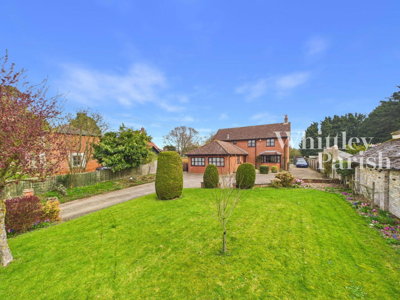
After that, the next step is to book viewings through the agents marketing homes in Winfarthing. We usually suggest seeing places at different times of day, because traffic, light and general feel can shift more than people expect. View a few homes rather than one, and the comparison often makes value clearer, especially across different styles and conditions. Whittley Parish is one of the names active in the area, and a good relationship with local agents can sometimes bring early sight of new listings.
Before an offer goes in, a mortgage agreement in principle is the sensible move. It gives a clearer picture of borrowing power and shows sellers the buyer is serious. With the recent changes in the Winfarthing market, borrowing should be checked against current values and what a surveyor might say later. A broker who knows Norfolk prices can be useful here, particularly when local lending appetite matters.
Older homes in Winfarthing, especially those with thatched roofs and traditional construction, are best approached with a Level 2 Homebuyer Report. That sort of survey picks up common issues such as damp, roof condition and ageing electrics. For Grade II listed homes or barn conversions, a fuller RICS Level 3 Survey is often the better fit because the construction is more unusual. Our team at Homemove surveys across South Norfolk regularly, so we know the quirks that come with traditional Norfolk buildings.
A solicitor with Norfolk property experience should handle the legal side of the purchase. They will deal with searches, contract review and the transfer of ownership. Listed buildings bring extra points to check, especially around permitted development rights and planning conditions. Our recommended conveyancing partners are familiar with South Norfolk local authority requirements and can move the process along from offer acceptance to completion.
Once surveys, searches and legal checks all come back clean, contracts are exchanged and the deposit is paid. Completion usually follows within days or weeks, and then the keys to the new Winfarthing home are handed over. There is still the practical side to sort, from utility transfers to changing the address with relevant organisations. We recommend buildings insurance from the point of completion and getting removals booked well ahead, particularly for moves from outside the local area.
Traditional Norfolk houses in Winfarthing, especially those with brickwork and thatched roofs, deserve close attention from buyers. Thatch is full of character, but it also brings specialist maintenance and insurance requirements that are different from those of a standard home. The age of the building, listed status and any planning restrictions all affect what can be changed later. With Grade II listed buildings scattered through the village, heritage protections are common, and our surveyors often come across the need for specialist thatch repairs and lime mortar repointing.
Flood risk in Winfarthing does not appear to be a major issue from the data available, although standard environmental searches should still be part of the conveyancing process. The village sits inland, so coastal erosion is not something buyers need to worry about in the way they might in exposed Norfolk locations. Local geology should still be checked, especially for any shrink-swell risk linked to soil conditions and nearby trees or established planting. Our team can talk through what the searches usually show for Winfarthing properties and what the results mean in practice.
Flat purchases, or homes within managed developments, bring a different set of questions, so service charges, ground rent and leasehold terms need attention before anyone commits. Freehold houses often carry fewer ongoing costs, although the maintenance responsibilities can differ. At Mitchells Yard, new build homes come with developer warranties, which give early ownership protection. Looking at total running costs, including maintenance reserves and likely repair bills, is the best way to judge affordability over the long term. Our inspectors check communal areas and the condition of the building during every survey, and we flag any maintenance issues that could affect the purchase.

According to home.co.uk listings data, the average house price in Winfarthing is approximately £502,083, while homedata.co.uk reports a slightly higher average sold price of £502,083 over the past 12 months. Detached homes sit anywhere from around £325,000 to £850,000, and Mitchells Yard new builds are guide-priced at £550,000 to £575,000. Prices have eased by approximately 10% over the last year, taking the market back to 2017 levels, when the average was £472,500. That correction may help buyers who have been waiting for a more accessible entry point after the 2021-2022 peak.
Winfarthing falls under South Norfolk Council for council tax, with Norfolk County Council also forming part of the total bill. The band depends on property value, and most rural village homes here tend to sit within bands B through E. Band D is often used as a reference for an average home, though the final annual charge is set by the combined authorities. Buyers should ask the seller for the band or check it through the Valuation Office Agency using the property address.
Primary schools in nearby Diss cover the Winfarthing catchment, and the closest one is about 4 miles from the village, taking children from reception through Year 6. Secondary education is available in Diss and across the wider South Norfolk region, with most schools offering a full route through to sixth form. Norfolk County Council should be checked for current catchment boundaries, since those can shift with demand and capacity. School performance data and Ofsted ratings are public, so each option can be checked properly against a child's needs and preferences.
Winfarthing has solid transport links for a rural village, with Diss railway station about 4 miles away and regular services to London Liverpool Street taking around 90 minutes. Bus routes connect the village to Diss and nearby settlements, which helps with daily travel and things like shopping or healthcare appointments. The A1066 links into the wider Norfolk road network, making car journeys to Norwich and other regional centres straightforward enough. For commuters, or anyone who needs regular access to larger towns, that balance of rail and road is a strong point.
For buyers looking at South Norfolk's rural market, Winfarthing brings a few investment angles worth thinking about. It offers a quiet countryside lifestyle with Diss close by, so there is a practical side as well as the rural appeal. The recent 10% drop has brought values back to 2017 levels, which may create a useful opening in a market that has often held up well in wider downturns. Mitchells Yard shows developer interest is still there, which suggests demand for quality housing has not gone away. Even so, it is a small village, so liquidity can be thinner than in towns and rental demand usually leans towards family homes rather than flats.
Stamp Duty Land Tax rates for 2024-25 apply to Winfarthing purchases, with the standard threshold at 0% for properties up to £250,000. Properties priced £250,001 to £925,000 incur
Winfarthing includes Grade II listed buildings, among them cottages and farmhouses protected for their architectural and historic importance under the Planning Listed Buildings and Conservation Areas Act. Any alteration, extension or demolition needs Listed Building Consent from South Norfolk Council, and carrying out works without consent can lead to criminal prosecution. Because many of these properties use traditional materials and methods, specialist maintenance is often needed from contractors who know historic buildings. Insurance can also be more expensive, and mortgage valuations may call for extra input from surveyors with heritage experience.
With so much pre-1919 housing stock in Winfarthing, including Grade II listed homes, the usual defects are well known. Damp can affect walls where damp-proof courses are old or damaged, roof condition needs careful checking, especially on traditional thatch, and electrics may fall short of current standards. Our surveyors often find mortar erosion in older brickwork across South Norfolk, which usually calls for repointing in the right lime mortar. Barn conversions can throw up their own issues too, from timber frame condition to insulation upgrades. A RICS Level 2 Survey is the minimum we would suggest for most homes, with Level 3 more suitable for listed properties or unusual construction.
Budgeting for a Winfarthing purchase means looking beyond the asking price to stamp duty, legal fees, survey costs and moving expenses. On a property priced at the village average of approximately £421,500, standard stamp duty at the current 2024-25 rates would be £8,575 for non-first-time buyers. First-time buyers are in a stronger position, because the zero-rate threshold rises to £425,000, which means most Winfarthing homes at average prices would not attract stamp duty at all. Once prices go above £625,000, first-time buyer relief falls away completely, so that matters for higher-value purchases here.
There are other costs too. Mortgage arrangement fees usually sit somewhere between £500 and £2,000, depending on lender and product. Survey prices depend on the property and the level of inspection, with RICS Level 2 surveys starting from around £350 for standard homes and RICS Level 3 Building Surveys from £600 for more involved properties. Conveyancing fees often begin at £499 for straightforward cases, though listed building status or leasehold arrangements can push that up. Searches ordered by the solicitor, including local authority, environmental and drainage checks, usually come to between £200 and £400 for South Norfolk properties.
Moving costs also need to be built into the budget, from removals and temporary storage to utility connection fees at the new property. Buildings insurance should be in place from completion, and contents cover is wise from the moving date. For homes at Mitchells Yard, or any other new build scheme, developer warranties or National House Building Council registration usually cover structural defects for an initial period. We recommend allowing a contingency of around 5% of the purchase price, because unexpected costs have a habit of cropping up during purchases, often from survey findings that need more investigation or a bit of negotiation.

Properties for Sale In London

Properties for Sale In Plymouth

Properties for Sale In Liverpool

Properties for Sale In Glasgow

Properties for Sale In Sheffield

Properties for Sale In Edinburgh

Properties for Sale In Coventry

Properties for Sale In Bradford

Properties for Sale In Manchester

Properties for Sale In Birmingham

Properties for Sale In Bristol

Properties for Sale In Oxford

Properties for Sale In Leicester

Properties for Sale In Newcastle

Properties for Sale In Leeds

Properties for Sale In Southampton

Properties for Sale In Cardiff

Properties for Sale In Nottingham

Properties for Sale In Norwich

Properties for Sale In Brighton

Properties for Sale In Derby

Properties for Sale In Portsmouth

Properties for Sale In Northampton

Properties for Sale In Milton Keynes

Properties for Sale In Bournemouth

Properties for Sale In Bolton

Properties for Sale In Swansea

Properties for Sale In Swindon

Properties for Sale In Peterborough

Properties for Sale In Wolverhampton

Enter your details to see if this property is within your budget.
Loans, cards, car finance
Estimated property budget
Borrowing + deposit
You could borrow between
Typical borrowing
Monthly repayment
Est. at 4.5%
Loan-to-value
This is an estimate only. Your actual budget may vary depending on interest rates, credit history, and personal circumstances. For an accurate affordability assessment, speak to one of our free mortgage advisors.
This calculator provides estimates for illustrative purposes only and does not constitute financial advice. Your home may be repossessed if you do not keep up repayments on your mortgage. Estimates based on 4.5% interest rate, repayment mortgage. Actual rates depend on your circumstances.
Homemove is a trading name of HM Haus Group Ltd (Company No. 13873779, registered in England & Wales). Homemove Mortgages Ltd (Company No. 15947693) is an Appointed Representative of TMG Direct Limited, trading as TMG Mortgage Network, which is authorised and regulated by the Financial Conduct Authority (FRN 786245). Homemove Mortgages Ltd is entered on the FCA Register as an Appointed Representative (FRN 1022429). You can check registrations at NewRegister or by calling 0800 111 6768.

We use cookies to show you personalised content and improve your experience of our website. Find out more in our Privacy policy and Cookie policy.