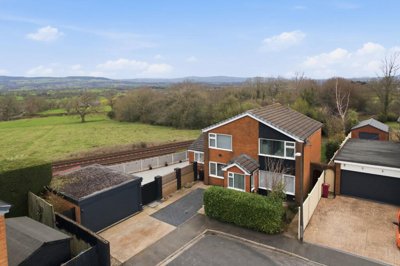
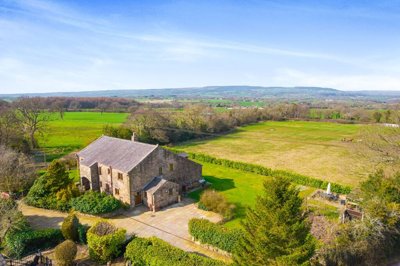
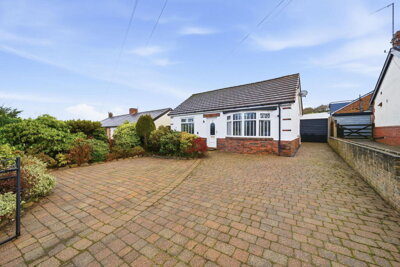
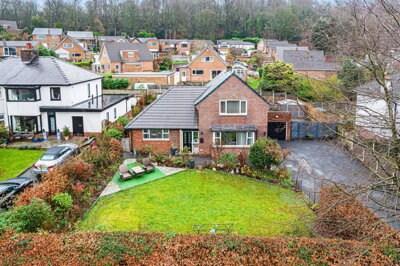
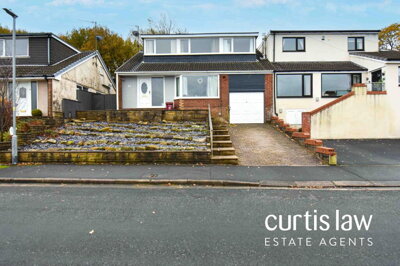
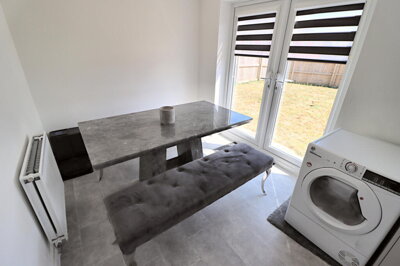
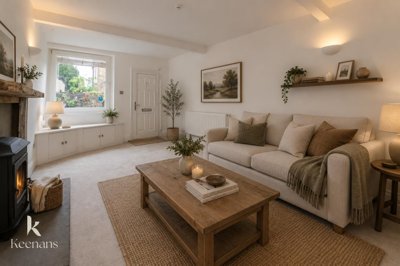
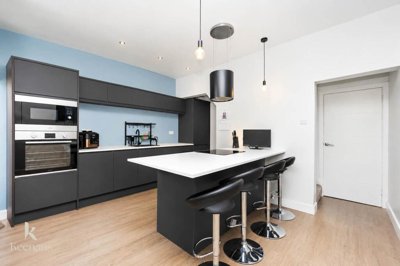
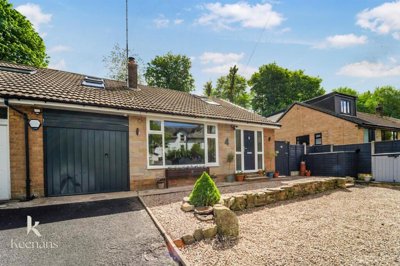
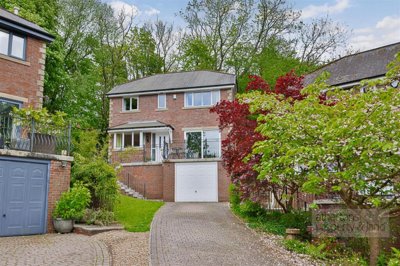
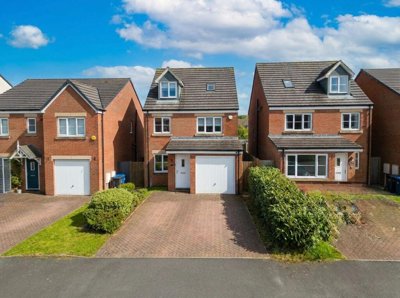
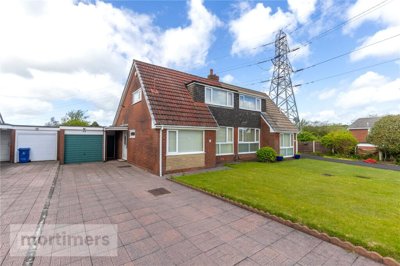
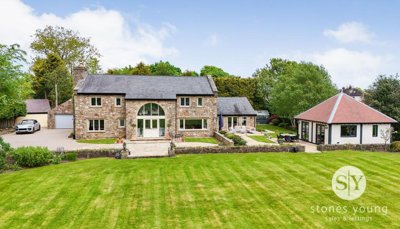
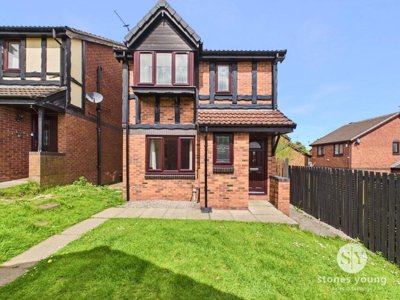
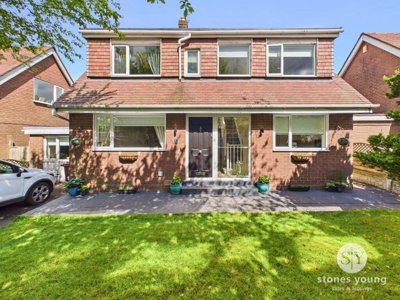
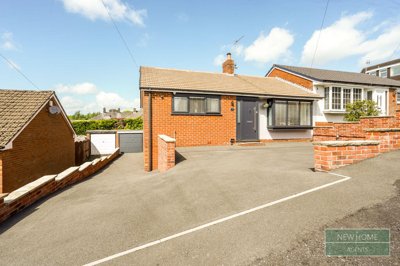
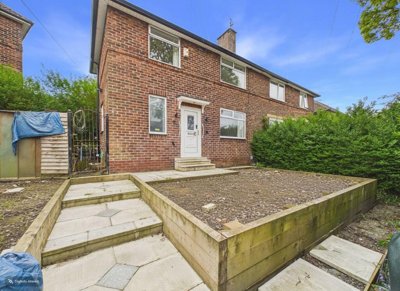
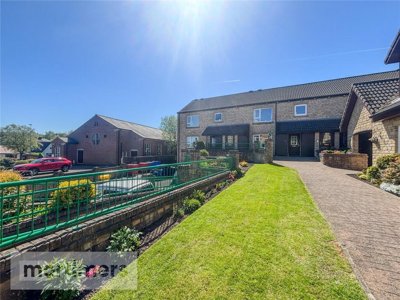
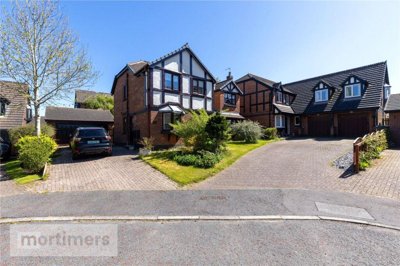
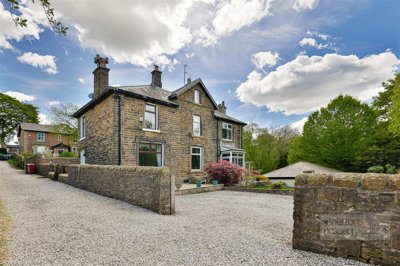
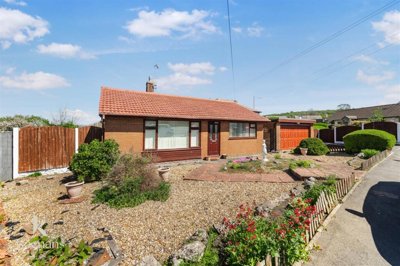
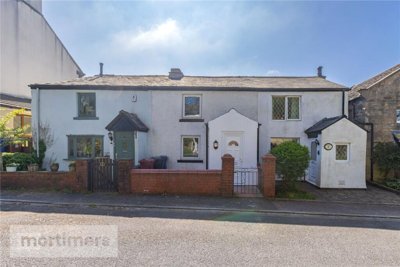
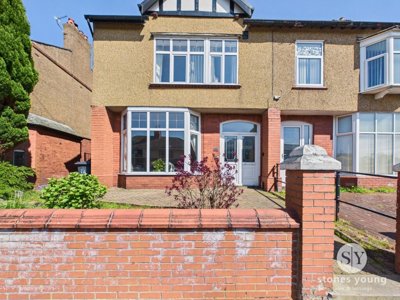
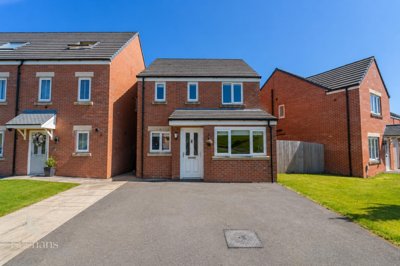
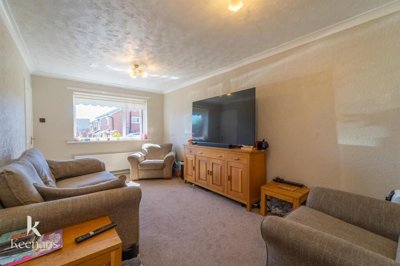
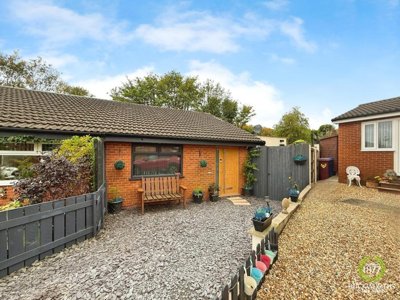
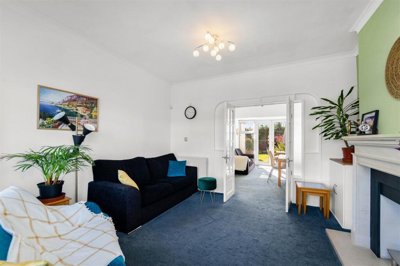
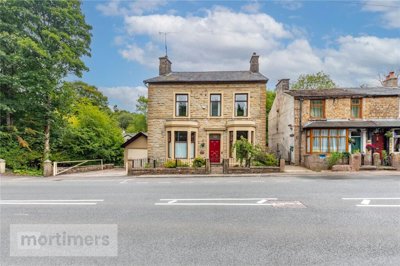
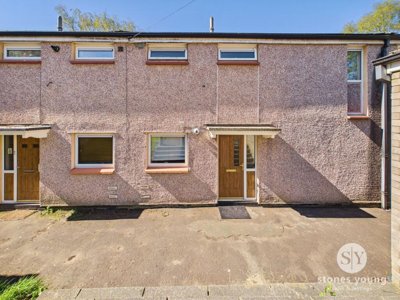
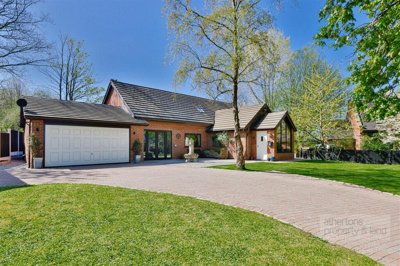
Browse 174 homes for sale in Wilpshire, Ribble Valley from local estate agents.
£438k
21
3
156
Source: home.co.uk
Source: home.co.uk
Detached
10 listings
Avg £470,495
Semi-Detached Bungalow
4 listings
Avg £289,750
Semi-Detached
3 listings
Avg £495,833
Business Park
1 listings
Avg £800,000
Detached Bungalow
1 listings
Avg £399,950
Flat
1 listings
Avg £174,950
Terraced
1 listings
Avg £309,950
Source: home.co.uk
Source: home.co.uk
Wilpshire's sales market is led by family homes, and semis appear most frequently in the recent sold data. homedata.co.uk records show that semi-detached homes averaged £293,974 over the last 12 months, which sits just below the overall average and reflects the village's strong appeal to owner-occupiers. Detached homes averaged £342,400, so the step up for more space is still meaningful rather than extreme. Buyers looking for a lower entry point can also find terraced homes at £239,317 and flats at £152,500.
The latest monthly snapshot is smaller, but it still gives a useful signal. In October 2025, eight properties sold in Wilpshire at an average of £270,031, which suggests buyers are being more selective and deal sizes can move from month to month in a small village market. homedata.co.uk also shows prices were 9% down on the previous year and 11% below the 2023 peak of £318,409. We have not found verified active new-build development details inside Wilpshire itself, so buyers chasing a new home should check the postcode carefully and compare it with nearby schemes on the village edge.

Life in Wilpshire has a distinctly residential feel, and the housing mix helps explain why. The research points to substantial Edwardian semi-detached houses, traditional homes and stone-built apartments, which gives the village more texture than a newer commuter settlement. A 24-household pocket on Mayfair Crescent, BB1 9PY, hints at the village scale buyers often notice on the ground. For buyers who prefer a quieter address with character, that scale matters as much as the headline price.
Set within Ribble Valley and close to Blackburn, Wilpshire works well for people who want a calmer base without losing access to daily essentials. The supplied research does not map out every local amenity, park or attraction, but the village setting, older housing stock and low-density streets suggest a place where the home itself is a major part of the lifestyle. Because exact geology, flood risk and conservation boundaries were not confirmed in the data, address-specific checks matter here. A conveyancer and surveyor can confirm whether the plot sits near any overlooked constraints before you commit to the purchase.
Families buying in Wilpshire usually look at the wider Ribble Valley and Blackburn educational map, because the village itself is small and school travel often reaches beyond the immediate streets. The research pack does not provide verified school names or Ofsted grades for the exact village boundary, so the safest approach is to check Lancashire County Council admissions and the latest inspection reports against the full postcode. That is especially useful if you need a primary place, are planning for secondary transfer or want a sixth-form route that fits a longer commute. A property that looks ideal on paper can be less convenient if the school run adds extra road time every day.
Catchments can also shift the way a buyer values a home, especially in villages with a limited number of available properties. In practice, parents often balance the appeal of older houses and smaller streets against the routine of drop-offs, buses and after-school activities. If you are comparing homes here, it helps to ask whether the address has historically fallen within the schools you prefer, then verify that information with the council before making an offer. A quick check is worthwhile, and it can save you from relying on assumptions that no longer match the current admissions map.

Wilpshire sits on the edge of the Blackburn travel pattern, with road access via the A666 corridor and onward routes to the wider Ribble Valley. Most commuters will think in terms of road access first and rail access second, while bus users can usually look to services running through the Blackburn corridor. The research pack does not give exact journey times, so it is better to test a typical weekday route before you choose a street. This matters especially if school runs and work commutes need to happen in opposite directions.
Parking is another practical issue worth checking at viewing stage. Older semis, terraces and apartment buildings can have limited off-street space, while some detached homes offer wider drives or garages that are better suited to multi-car households. If you need a station connection, most buyers will assess the wider Blackburn area rather than the village centre itself, then decide whether the rail link is convenient enough for regular use. A drive-by at rush hour tells you more than a map alone, particularly if you are comparing a quieter residential lane with a busier route.
Walk the streets at different times of day, because Wilpshire is small enough that traffic, parking and school-run patterns can change the feel of a road quite quickly. Compare the house type, street layout and walking access to Blackburn, then decide whether the village edge or a quieter back street suits your routine.
Arrange a mortgage agreement in principle before you book too many viewings, since sellers and agents often take buyers more seriously when funding is in place. Use that stage to set a ceiling for detached, semi-detached or terraced homes, and leave room for legal fees, survey costs and stamp duty.
Look closely at age-related features in Edwardian and other traditional homes, including roofs, pointing, windows and signs of damp around older walls. If you are viewing flats or stone-built apartments, ask about service charges, reserves and how the building is managed.
Once you are serious, choose a conveyancer who can check title issues, boundary lines and any local restrictions before you are emotionally tied to the property. That matters in a village setting where older plots can have unusual boundaries or shared access arrangements.
A RICS Level 2 survey is a strong starting point for many conventional homes here, while a more detailed Level 3 report can suit older or heavily altered properties. The local stock includes older houses, so it is sensible to understand the condition of the structure before you negotiate your final price.
Agree a realistic moving date, then stay in close contact with your lender, solicitor and estate agent so the chain does not stall. In a smaller market like Wilpshire, good coordination can make the difference between securing the house you want and watching it slip away.
Age and construction style should sit near the top of your checklist in Wilpshire. The research highlights substantial Edwardian semi-detached homes, traditional houses and stone-built apartments, so buyers should expect older fabric, older services and the occasional hidden maintenance issue. Damp, roof wear, timber decay and outdated electrics are the sort of problems a survey can pick up early, especially in homes that have been updated in stages over the years. If you are looking at a flat, ask whether the lease is long enough, how service charges are set and whether any major works are being planned.
Local environmental checks matter too, even where the data pack is limited. The supplied research does not confirm exact flood zones, shrink-swell geology or conservation area boundaries for Wilpshire, which is a strong reason to let the address, not the postcode, drive your due diligence. A solicitor can confirm title restrictions, while a surveyor can flag signs of movement or damp that need a closer look. In a place with a mix of older homes and smaller pockets of housing, those checks can be more valuable than a broad assumption that every street behaves the same way.

homedata.co.uk records show an average sold price of £309,910 over the last 12 months. Detached homes averaged £342,400, semis £293,974, terraced homes £239,317 and flats £152,500, so the mix still gives buyers a few different entry points. The market has eased from the 2023 peak of £318,409, and sold prices were 9% lower than the previous year. In a small village market like this, month-to-month figures can move around, so it helps to compare several recent sales rather than relying on one outlier.
Wilpshire sits within Ribble Valley, so the bill is collected locally, but the band is set by the valuation rules that apply to each individual property. The exact band depends on the specific address, size and assessed value, so two similar homes on different streets can still sit in different bands. Before you commit, check the listing details, ask the agent and confirm the band for the exact house with the relevant council records. That quick check gives you a more accurate monthly budget than a broad postcode estimate.
The supplied research does not name verified schools for the exact Wilpshire boundary, so the best choice depends on the address you are buying and the admissions year you need. Most families compare the wider Ribble Valley and Blackburn options, then check Lancashire County Council catchments and Ofsted reports for the current facts. If school access is a priority, ask whether the home has historically fallen inside your preferred catchment and whether walking, driving or bus travel is realistic. That approach is safer than assuming a village postcode automatically guarantees a place.
Wilpshire is best thought of as road-connected first, with Blackburn providing the main wider transport hub. The village's position on the Blackburn side of Ribble Valley makes it practical for commuting by car, and buyers usually check the A666 corridor and Blackburn station when planning regular travel. The research pack does not include exact journey times or detailed bus timetables, so a live route check is sensible before you buy. If you need a daily rail link, test the journey on the same day and at the same time you would normally travel.
It can be, especially for buyers who want a settled village setting with a mix of older homes and limited local supply. homedata.co.uk shows only a handful of sales in a recent monthly snapshot, with eight properties sold in October 2025 at an average of £270,031, which suggests the market is fairly small and owner-occupier driven. That can support long-term appeal, but it can also mean slower resale if your home is very niche or needs work. For investors, the key question is usually not just yield, but how broad the buyer pool will be when it is time to sell.
For 2024-25, standard stamp duty is 0% up to £250,000, 5% from £250,000 to £925,000, 10% from £925,000 to £1.5 million and 12% above that. On Wilpshire's average sold price of £309,910, a standard buyer would pay about £2,996 before any other factors are added. First-time buyers get 0% up to £425,000, so a typical home at that price level would usually fall within the relief. If you are buying a second home or an investment property, the surcharge rules can increase the bill, so get advice before you exchange.
Yes, especially because the local stock includes Edwardian semis, traditional houses and stone-built apartments. A RICS Level 2 survey is often a good fit for conventional homes in reasonable condition, while a Level 3 report can make sense if the property is older, altered or showing signs of wear. The point is not to find faults for the sake of it, but to understand whether the asking price still works after you factor in repair costs. That is particularly useful where a home has character features that can hide bigger maintenance issues.
From 4.5%
Compare mortgage rates and find the best deal
From £499
Expert solicitors to handle your purchase
From £350
Homebuyer report for your new property
Price on request
Check the energy rating before you buy
Stamp duty is one of the biggest upfront costs to plan for, and it depends on your purchase price rather than the village name. For 2024-25, the standard rates are 0% up to £250,000, 5% from £250,000 to £925,000, 10% from £925,000 to £1.5 million and 12% above that. First-time buyers pay 0% up to £425,000 and 5% from £425,000 to £625,000, with no relief above £625,000. So a first-time buyer in Wilpshire may pay no stamp duty at all if the agreed price stays below the relief limit.
Using Wilpshire's average sold price of £309,910 as a guide, a standard buyer would face a stamp duty bill of about £2,996 before legal fees, survey costs, mortgage fees and moving expenses are added. This gives you a useful benchmark when you are deciding whether to stretch for a detached home, stay within budget on a semi-detached, or leave a cushion for repairs in an older property. If you are buying a second home or an investment property, the surcharge rules will increase the bill, so your solicitor or mortgage adviser should run the numbers early. Building those costs into your offer strategy helps you move with confidence once you have found the right Wilpshire home.
Properties for Sale In London

Properties for Sale In Plymouth

Properties for Sale In Liverpool

Properties for Sale In Glasgow

Properties for Sale In Sheffield

Properties for Sale In Edinburgh

Properties for Sale In Coventry

Properties for Sale In Bradford

Properties for Sale In Manchester

Properties for Sale In Birmingham

Properties for Sale In Bristol

Properties for Sale In Oxford

Properties for Sale In Leicester

Properties for Sale In Newcastle

Properties for Sale In Leeds

Properties for Sale In Southampton

Properties for Sale In Cardiff

Properties for Sale In Nottingham

Properties for Sale In Norwich

Properties for Sale In Brighton

Properties for Sale In Derby

Properties for Sale In Portsmouth

Properties for Sale In Northampton

Properties for Sale In Milton Keynes

Properties for Sale In Bournemouth

Properties for Sale In Bolton

Properties for Sale In Swansea

Properties for Sale In Swindon

Properties for Sale In Peterborough

Properties for Sale In Wolverhampton

Enter your details to see if this property is within your budget.
Loans, cards, car finance
Estimated property budget
Borrowing + deposit
You could borrow between
Typical borrowing
Monthly repayment
Est. at 4.5%
Loan-to-value
This is an estimate only. Your actual budget may vary depending on interest rates, credit history, and personal circumstances. For an accurate affordability assessment, speak to one of our free mortgage advisors.
This calculator provides estimates for illustrative purposes only and does not constitute financial advice. Your home may be repossessed if you do not keep up repayments on your mortgage. Estimates based on 4.5% interest rate, repayment mortgage. Actual rates depend on your circumstances.
Homemove is a trading name of HM Haus Group Ltd (Company No. 13873779, registered in England & Wales). Homemove Mortgages Ltd (Company No. 15947693) is an Appointed Representative of TMG Direct Limited, trading as TMG Mortgage Network, which is authorised and regulated by the Financial Conduct Authority (FRN 786245). Homemove Mortgages Ltd is entered on the FCA Register as an Appointed Representative (FRN 1022429). You can check registrations at NewRegister or by calling 0800 111 6768.

We use cookies to show you personalised content and improve your experience of our website. Find out more in our Privacy policy and Cookie policy.