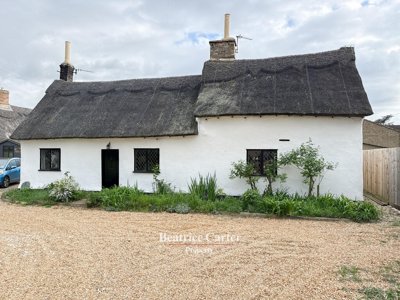
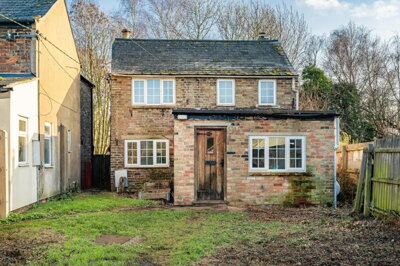
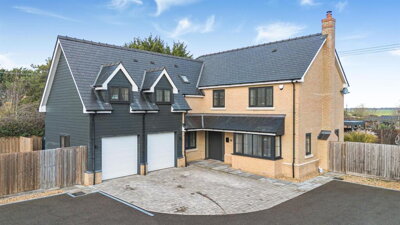
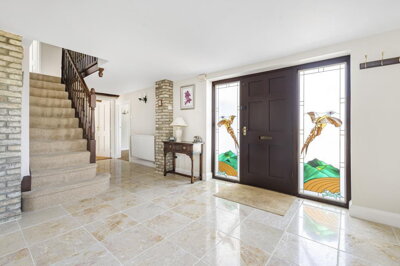
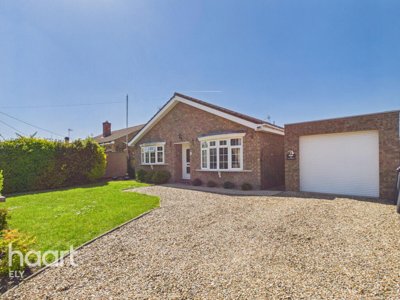
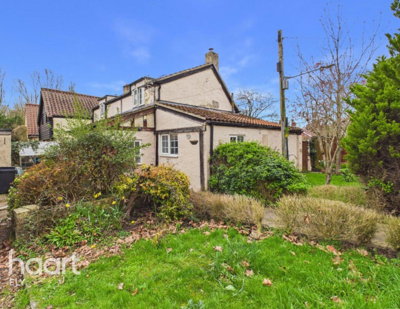
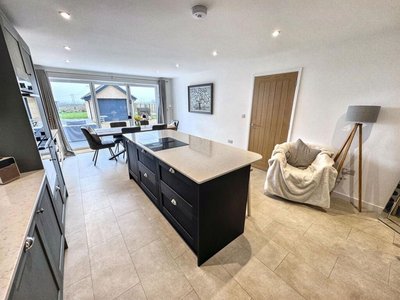
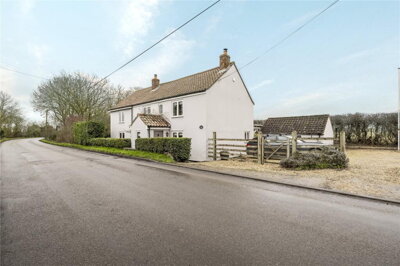
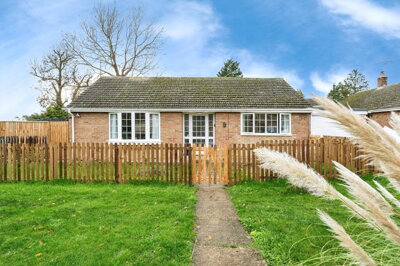
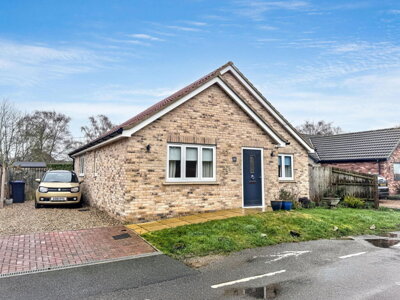
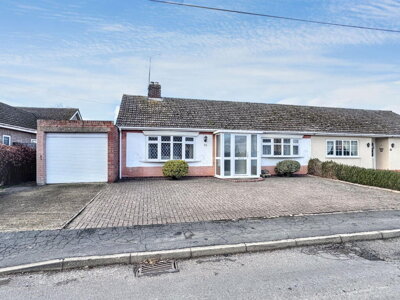
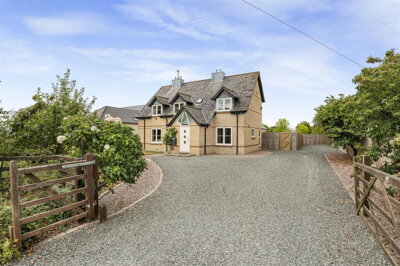
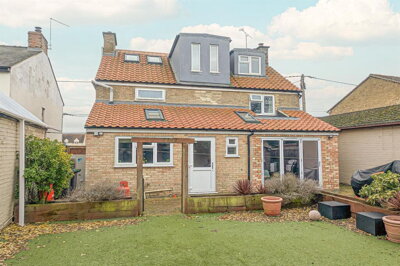
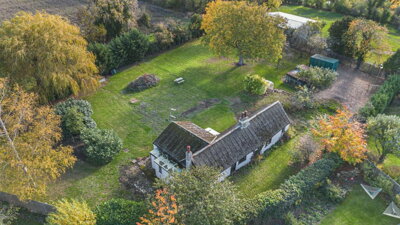
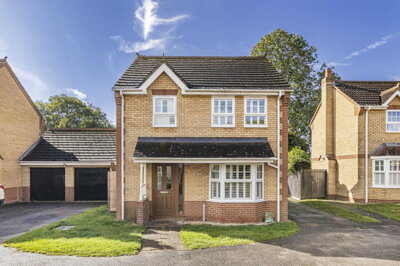
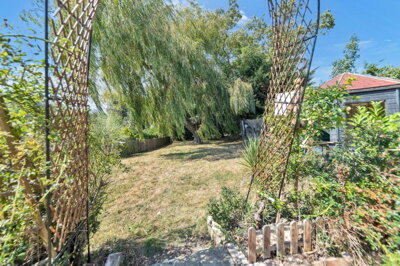
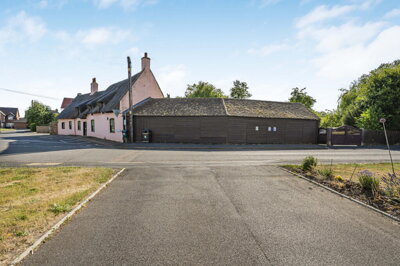
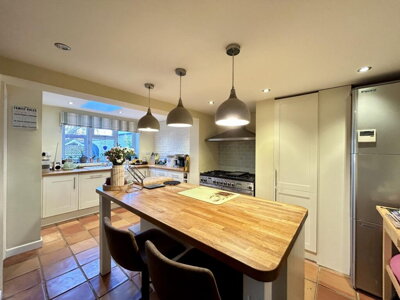
Browse 18 homes for sale in Wicken, East Cambridgeshire from local estate agents.
The Wicken property market offers detached, semi-detached, and terraced houses spanning various price ranges and neighbourhoods. Each listing includes detailed property information, photographs, and direct contact with the marketing agent.
£685k
2
0
171
Source: home.co.uk
Showing 2 results for Houses for sale in Wicken, East Cambridgeshire. The median asking price is £685,000.
Source: home.co.uk
Detached
2 listings
Avg £685,000
Source: home.co.uk
Source: home.co.uk
£388,494
Average House Price
-15%
12-Month Price Change
-24%
Below 2022 Peak
£403,738
Detached Average
Wicken’s market is currently tilted towards buyers, with house prices 15% down on the previous year and 24% below the 2022 peak of £512,312, according to homedata.co.uk. That correction opens the door for anyone looking for value in Cambridgeshire’s rural heartland. Detached homes in Wicken average £403,738, while semi-detached properties sit at £373,250, so the village can still work for families who need more room than city living usually allows. homedata.co.uk sold price data also puts the average for properties completed in the past twelve months at £365,075, which gives buyers a sensible benchmark when negotiating.
Most listings in Wicken are detached period homes and traditional cottages, which suits the village’s historic feel. New build activity is limited, although there is a notable Chapel Lane opportunity with planning permission for 7 dwellings, marketed by Ensum Brown at £695,000. The site, under planning reference 16/00024/OUT and approved by East Cambridgeshire District Council, is a rare chance to build within the village envelope. There is also another permission in place for two two-storey homes in a highly desirable residential area, although that one has not yet reached the market. Between the established stock and the occasional new scheme, buyers do at least have some choice.
Across Cambridgeshire as a whole, there were 10,100 property sales in the previous twelve months, even though transactions fell by 16.6% across the region. Some reports still show average house prices rising 5.6% year-on-year in the county, ahead of England and Wales at 3.1% growth. We keep a close eye on those shifts, because timing matters when buyers are weighing up a move to Wicken.
Wicken sits in a very distinctive corner of Cambridgeshire, right on the edge of the Fens, and that brings a real sense of open country. The village is home to the National Trust Wicken Fen, one of Britain’s oldest nature reserves, with thousands of acres of wetland habitat. Wildlife enthusiasts, walkers and families all come for the boardwalks, cycling routes and year-round events. It means birdsong in the morning and wide natural spaces just beyond the door.
In the centre of the village, a traditional 13th-century thatched public house still acts as the social hub, with meals and events drawing locals together. Nearby, a fully operational smock windmill from 1813 stands as a working landmark and a neat reminder of the area’s agricultural past. The flat Fenland landscape gives Wicken those huge skies and dramatic sunsets people go on about, and for once the cliché feels fair. Day-to-day needs are helped by Ely, only a short drive away, where shopping, healthcare and leisure facilities are more extensive.
The community in Wicken tends to be close-knit, with neighbours knowing each other and village events bringing people together through the year. Seasonal celebrations, farmers markets and conservation work at Wicken Fen all help to keep those local ties strong. For families, that can be a real plus, especially with safe streets and plenty of outdoor space for children to explore. The mix of natural beauty, historical character and genuine community spirit makes Wicken feel less like a pin on a map and more like a way of living, which is part of the appeal for buyers stepping away from urban pressure.

Families moving to Wicken will find primary schools serving both the village and the surrounding Fenland communities. Schools in this part of East Cambridgeshire generally have solid academic records and the sort of community values that fit village life. Children from Wicken usually attend primary schools in nearby villages, with school transport available for those beyond the immediate catchment areas. Because the village is small, class sizes can stay manageable, giving teachers more scope for individual attention.
Older pupils usually head to schools in Ely or Soham, both easy to reach by car or school bus. Ely in particular offers several secondary options, including Ely College, which teaches students from Year 7 through to Sixth Form. Being so close to Ely gives families access to established schools with broad curricula and strong extracurricular activity, from sport to music and drama. Parents should still check catchment areas and admission arrangements with East Cambridgeshire District Council so they know where places are likely to be available.
Once students move beyond school age, Wicken still has good links into further and higher education. Cambridge, reached via the A142 and Ely railway station, is home to Cambridge University, Anglia Ruskin University and further education colleges with vocational courses. That makes daily commuting from the family home in Wicken realistic for degree study, while the direct train from Ely to Cambridge takes about 15 minutes. It is a useful combination for households with children at different stages of education.
Getting a feel for how homes are built in Wicken helps buyers appreciate the village’s character and spot maintenance issues early. Most properties are detached period homes built using traditional methods that reflect the agricultural heritage of the Fens. Older houses often have solid brick walls, rendered exteriors and timber-framed structures, which need a different approach from modern cavity wall construction. Flint also crops up locally, and the former Clark & Butcher flint Granary is a good example of that Fenland material in use.
Much of Wicken’s housing stock predates 1919, a period when solid wall construction was standard rather than unusual. Those older homes often come with lovely details, including exposed beams, fireplaces and period joinery that are harder to find in newer builds. They can also behave differently thermally, so heating costs need to be considered carefully. Our inspectors often find that period properties in Fenland villages like Wicken benefit from energy-efficiency upgrades if they are to meet modern expectations.
Recent sales data for Cambridgeshire shows detached houses making up 35.7% of transactions, semi-detached homes 29.2%, terraced properties 25.2% and flats just 9.8%. That lines up neatly with Wicken’s character, where larger detached houses on generous plots are still the most common sight. Flats and apartments are scarce in the village, so buyers after that type of home may need to look to Ely or other larger settlements nearby. When you arrange a viewing, our team can talk through the construction details and the likely issues for each property type.
Despite its rural setting, Wicken is well placed for access to major transport routes across East Cambridgeshire. The A142 runs through nearby Ely and links directly with the A14 and A11, which give quick access to Cambridge in under 30 minutes and Bury St Edmunds in approximately 25 minutes. That makes the village appealing to commuters working in Cambridge’s technology sector or elsewhere across East Anglia. Bus services also run between Ely and the surrounding villages, which helps those without a car.
Ely station gives Wicken strong rail connections too. Direct trains reach Cambridge in around 15 minutes, London King’s Cross in approximately 1 hour 20 minutes, and Ipswich in under an hour. That level of access is one reason the village works for professionals who want a countryside base without giving up city links. The station also helps those heading for Stansted Airport, with the drive taking about 45 minutes.
Cycling is helped by the flat Fenland landscape, although longer trips usually still mean using a car. Quiet country lanes make local rides to Ely and the neighbouring villages popular. For flights, London Stansted and Cambridge Airport are both reachable in about 45 minutes by car, which opens up international travel options. We regularly talk buyers through realistic commuting times from specific Wicken homes, because the detail matters when families are trying to shape daily routines.

Buying on the edge of the Fens does come with a few geological points to think about. The underlying ground is mainly peat and alluvial deposits, and where clay is present there can be shrink-swell movement. That means some properties in Wicken may experience ground movement, especially in drought conditions or after major changes in moisture. Our inspectors pay close attention to signs of subsidence or heave in Fenland locations, because spotting those early can save a costly repair bill later on.
Flood risk in Wicken needs to be checked property by property. Wicken Fen shows that water management can work well in this wetland landscape, but the low-lying surroundings still mean surface water flooding and drainage from agricultural land can affect homes in lower positions. We advise buyers to ask for specific flood risk assessments and to look at local authority records for any history of flooding. Homes on higher ground in the village usually face less risk, though no property in the area should be treated as entirely free from flood considerations.
That is why we strongly recommend a RICS Level 2 Survey before any purchase in Wicken. Our inspectors know the signs of movement, damp and water damage that show up in Fenland properties. A proper survey can protect buyers from repair costs linked to flooding or ground instability that might not be obvious at a standard viewing. The cost of professional surveying usually falls between £350 to £800 depending on size and complexity.
Before going any further, secure a mortgage agreement in principle from a lender. It shows estate agents and sellers that you are in a position to buy, which can strengthen your hand in a competitive situation. At the current average property price of £388,494, most buyers will need a mortgage of £300,000 or more, so getting finance sorted early can make the whole process smoother. Remember to allow for stamp duty, solicitor fees and survey costs when you work out your total budget.
Take time to study the current listings in Wicken and the surrounding Cambridgeshire villages so you can get a clear feel for pricing and availability. With prices 15% down from last year and 24% below the 2022 peak, buying at the right point could bring meaningful savings. Our platform covers listings from local estate agents, so you can compare homes across the village’s price range. Local agents with strong knowledge of Wicken’s housing stock are worth speaking to as well, since they may hear about new instructions before they appear more widely.
It pays to view several homes in Wicken, from period cottages to more modern detached houses, so you can see the range properly. Try to walk the area at different times of day and speak to people already living there. Check how close each property is to Wicken Fen if access to nature matters to you, and look at the travel time to Ely if commuting is part of the plan. Our team can join you on viewings and talk through the different neighbourhoods and property types around the village.
Because Wicken has so many period homes with older construction, a Level 2 Survey is an important part of the buying process. Fenland geology can leave properties open to ground movement, which makes professional advice even more valuable. Our inspectors look for damp, subsidence, timber defects and other issues that turn up in older Fenland properties. Survey costs vary with size, but a standard home usually starts from around £350, while larger or more complicated properties can cost more.
Choose a conveyancing solicitor who has experience with Cambridgeshire transactions so the legal side is handled properly. They will carry out local authority searches, check flood risk for the Fenland area and make sure the paperwork is complete. Once the survey and searches come back satisfactory, exchange and completion usually follow a fairly straightforward timetable, with most transactions completing within 8 to 12 weeks of an accepted offer.
Flood risk is a particular issue for buyers in Wicken because the village sits on the edge of the low-lying Fens. Wicken Fen itself shows that this wetland can be managed successfully, but buyers should still investigate specific flood risk assessments for any property they are considering. Surface water flooding and drainage from nearby Fenland farmland can affect homes, especially those in lower-lying spots. The right surveys, along with checks of local flood records, provide important protection against unpleasant surprises.
Many homes in Wicken are built using traditional methods, so a careful inspection is essential. Flint work, older timber framing and solid walls are all part of the village’s historic housing stock. Those features bring plenty of charm, but they can also mean regular maintenance. Buyers should also check electrical and plumbing systems for compliance with current standards and allow for possible upgrades to heating and insulation.
Our inspectors repeatedly come across a few familiar defect types in Wicken properties. Rising damp and penetrating damp are common in older homes in the low-lying Fenland environment, where groundwater levels can be high. Roof problems also show up often, including worn tiles, damaged flashing and deteriorated felt on period properties that have not had a recent re-roof. Timber defects such as rot and woodworm can affect original timber-framed structures and timber floors. Outdated electrical systems that fall short of current regulations are another regular concern in older homes that have not been fully modernised.
Anything built or refurbished before the year 2000 may also contain asbestos in places such as artex coatings, pipe insulation or floor tiles, so specialist assessment is needed if those materials are disturbed. The Fenland geology means some homes can also suffer subsidence or heave from shrink-swell movement in the underlying peat and clay soils. A RICS Level 2 Survey will identify urgent structural concerns before you commit to the purchase, giving you room to renegotiate repairs or ask for a price adjustment if needed.

Buying in Wicken comes with costs beyond the purchase price, and stamp duty is one of the main ones to think about. At the current average price of £388,494, standard buyers would pay no stamp duty on the first £250,000 and 5% on the amount between £250,000 and £388,494, which comes to about £6,925. First-time buyers at this price level benefit from relief on the first £425,000, so their stamp duty could be zero depending on their circumstances and whether they have previously owned property.
Other buying costs include solicitor fees, which average £500 to £1,500 for conveyancing, mortgage arrangement fees of 0% to 1.5% of the loan amount, and surveyor costs of £350 to £800 for a Level 2 Survey. Because Wicken has so many period properties, a good survey before purchase can save a nasty surprise later. Land registry fees, local authority searches and bank transfer charges usually add another £200 to £300. It all needs to be allowed for alongside the mortgage deposit if you want the transaction to run smoothly.
For a purchase at the current market average of £388,494, the extra costs beyond the mortgage deposit usually sit somewhere between £2,000 to £4,000, depending on property value, survey needs and the solicitor you choose. Homes at higher price points, or those that need more involved legal work, can sit at the top end of that range. We can give you a more detailed estimate once we know your circumstances and the type of Wicken property you are looking at.

Over the past year, the average house price in Wicken was £388,494, according to homedata.co.uk property data, while sold prices averaged £365,075 for homes completing in the twelve-month period. Detached homes average £403,738 and semi-detached properties £373,250. Prices are around 15% lower than the previous year and sit 24% below the 2022 peak of £512,312, so for buyers ready to move now, the village is offering a better entry point than it has for some time.
Wicken falls within East Cambridgeshire District Council. Council tax bands run from A through to H, with most period cottages and smaller terraced homes usually placed in bands A to C, while larger detached family houses often sit in bands D through F. The exact band depends on the valuation set by the Valuation Office Agency, so buyers should ask the seller for the council tax band or check it through the East Cambridgeshire Council website before they buy, then factor that ongoing cost into the budget.
Local primary schooling for Wicken children is found in the surrounding Fenland villages, with catchment usually pointing towards places such as Fordham, Isleham or Kennett. Secondary education is available in Ely and Soham, including Ely College, and the school bus network or car travel makes those schools accessible from Wicken. For higher education, Cambridge University and Anglia Ruskin University are both within reach via the direct train from Ely station, which takes about 15 minutes to Cambridge.
Wicken is far better connected than its rural setting might suggest. Ely railway station offers direct trains to Cambridge in 15 minutes and London King’s Cross in approximately 80 minutes, so daily commuting to the capital is a real possibility. The A142 bus service links Wicken with Ely and nearby villages throughout the day, giving residents without private transport an option. The A14 and A11 trunk roads also provide straightforward access to Cambridge and Bury St Edmunds, with typical journeys to Cambridge city centre taking under 30 minutes.
For buyers seeking a quiet village lifestyle with solid links to Cambridge and London, Wicken has clear investment potential. Prices have corrected sharply from the 2022 peak, which has opened up more competitive entry points in the Cambridgeshire market. The setting beside Wicken Fen, plus rail access into Cambridge and London, keeps demand steady from people who want rural living without losing commuting convenience. Period homes with character can appeal both to families looking for a long-term base and to investors hunting for renovation projects with value to add.
Stamp duty in Wicken follows the standard bands, with 0% on the first £250,000, 5% on £250,001 to £925,000 and 10% on £925,001 to £1.5 million. First-time buyers get relief on the first £425,000 and then pay 5% between £425,001 and £625,000. At the average price of £388,494, most standard buyers would pay no stamp duty at all, and first-time buyers at that level would also be exempt entirely, which is a sizeable saving compared with higher-priced parts of Cambridgeshire.
Traditional construction is common in Wicken, with flint work, timber framing and solid brick walls all needing a careful eye from a qualified surveyor. The Fenland geology means some homes can move with shrink-swell in peat and clay soils, so a professional survey is well worth having before purchase. Older properties often need electrical, plumbing and insulation updates to meet current standards and improve energy efficiency. Buyers should set aside money for upkeep when they are looking at period cottages, because renovation on historic homes usually costs more than the same work on a modern property.
There is a notable new build opportunity on Chapel Lane in Wicken, where planning permission has been granted for 7 dwellings, with the land marketed by Ensum Brown at £695,000. The scheme, reference 16/00024/OUT and approved by East Cambridgeshire District Council, is a rare chance to create something new within the village. Another permission is in place for two two-storey homes in a highly desirable residential area of Wicken, although that site has not yet come to market. New build supply remains scarce, so most buyers still end up looking at the established period stock.
From £350
A detailed inspection before purchase can save trouble later, especially in Wicken’s period homes. We look for structural issues, damp and the sort of defects that turn up again and again in Fenland properties.
From 4.5%
Competitive mortgage rates are available for Wicken property purchases, and it is sensible to get your agreement in principle sorted before you start viewing.
From £499
We work with local conveyancing solicitors who know Cambridgeshire transactions and the flood risk searches that come with Fenland property.
From £75
An Energy Performance Certificate is required for every property sale, and it is particularly useful when you want to understand heating costs in period homes.
Properties for Sale In London

Properties for Sale In Plymouth

Properties for Sale In Liverpool

Properties for Sale In Glasgow

Properties for Sale In Sheffield

Properties for Sale In Edinburgh

Properties for Sale In Coventry

Properties for Sale In Bradford

Properties for Sale In Manchester

Properties for Sale In Birmingham

Properties for Sale In Bristol

Properties for Sale In Oxford

Properties for Sale In Leicester

Properties for Sale In Newcastle

Properties for Sale In Leeds

Properties for Sale In Southampton

Properties for Sale In Cardiff

Properties for Sale In Nottingham

Properties for Sale In Norwich

Properties for Sale In Brighton

Properties for Sale In Derby

Properties for Sale In Portsmouth

Properties for Sale In Northampton

Properties for Sale In Milton Keynes

Properties for Sale In Bournemouth

Properties for Sale In Bolton

Properties for Sale In Swansea

Properties for Sale In Swindon

Properties for Sale In Peterborough

Properties for Sale In Wolverhampton

Enter your details to see if this property is within your budget.
Loans, cards, car finance
Estimated property budget
Borrowing + deposit
You could borrow between
Typical borrowing
Monthly repayment
Est. at 4.5%
Loan-to-value
This is an estimate only. Your actual budget may vary depending on interest rates, credit history, and personal circumstances. For an accurate affordability assessment, speak to one of our free mortgage advisors.
This calculator provides estimates for illustrative purposes only and does not constitute financial advice. Your home may be repossessed if you do not keep up repayments on your mortgage. Estimates based on 4.5% interest rate, repayment mortgage. Actual rates depend on your circumstances.
Homemove is a trading name of HM Haus Group Ltd (Company No. 13873779, registered in England & Wales). Homemove Mortgages Ltd (Company No. 15947693) is an Appointed Representative of TMG Direct Limited, trading as TMG Mortgage Network, which is authorised and regulated by the Financial Conduct Authority (FRN 786245). Homemove Mortgages Ltd is entered on the FCA Register as an Appointed Representative (FRN 1022429). You can check registrations at NewRegister or by calling 0800 111 6768.

We use cookies to show you personalised content and improve your experience of our website. Find out more in our Privacy policy and Cookie policy.