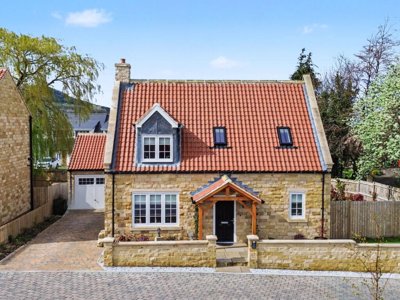
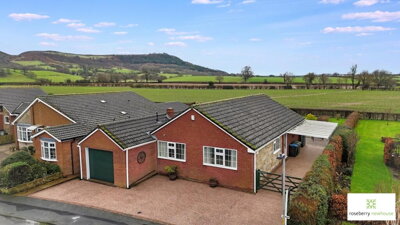
Browse 2 homes for sale in Whorlton, North Yorkshire from local estate agents.
Three bedroom properties represent a significant portion of the Whorlton housing market, offering space for families with multiple reception rooms and gardens in many cases. Browse detached, semi-detached, and terraced options ranging from period character homes to contemporary developments.
£0k
0
0
0
Source: home.co.uk
Showing 0 results for 3 Bedroom Houses for sale in Whorlton, North Yorkshire.
Whorlton’s property market tells a story of steadiness in a national picture that is often less settled. Over the last twelve months, prices have moved by 0.0%, so buyers who are comfortable taking the longer view may find real value here. The average price sits at £517,000, placing Whorlton in the mid-range for quality village homes across North Yorkshire, and the mix of property types means there is some room for different budgets and ways of living.
Detached homes sit at the top of the ladder in Whorlton, averaging £750,000 and usually offering more space, more privacy, and those open countryside views people come for. Semi-detached properties are far more approachable at around £105,000, which is why they often appeal to families looking for a decent school catchment and a strong community feel without the detached-house premium. Terraced homes, at about £160,000, are the most affordable choice in the village and can still bring the sort of period detail that gives a property some personality.
No new-build schemes are currently on offer in Whorlton itself, which is hardly unusual for a village of this size with a conservation-minded outlook. That lack of fresh development helps keep the village’s character intact and keeps supply tight, both of which support values over time. Buyers who want modern specification may need to look towards Stokesley or Northallerton, although Whorlton’s older homes have a charm that new construction cannot really copy. Our platform includes listings from the surrounding area, so it is easy to compare traditional village properties with newer options in nearby settlements.

Life in Whorlton has that familiar English village pace, where days feel a little less hurried and faces soon become known. The village sits within the Hambleton district of North Yorkshire, an area noted for its farming roots and its proximity to the North York Moors National Park. From here, residents can reach moorland scenery, old footpaths, and outdoor pastimes such as walking, cycling, and horse riding almost straight from the door. Whorlton Castle, though mostly ruined, gives the place a clear link to its medieval past and remains one of the village’s defining landmarks.
Agriculture and tourism shape the local economy, with working farms nearby and visitors drawn by the village’s history and landscape. The North York Moors National Park designation keeps development under close control, which helps protect the setting that makes Whorlton so appealing in the first place. That same protection can restrict housing supply, but it also supports property values by preserving the area’s unspoilt feel for years to come.
Here, community life tends to revolve around the usual village staples, with essential services found in nearby settlements. Heritage buildings, the rural setting, and access to the moors combine into a lifestyle that suits people who want peace without being cut off. Families like the safe surroundings and the open countryside, while retired couples often value the slower rhythm and the strong local identity that comes with village living. The pub acts as the social centre, and the church bells set the tone for daily life in this close-knit place.

For families thinking about Whorlton, schooling is mainly based in nearby market towns, where primary schools serve the surrounding villages. The rural location does mean the school run can take longer than it would in town, but North Yorkshire’s education provision continues to draw families who are happy to choose village life. It is wise to check catchment areas and admission policies for any preferred schools, because they can differ quite a bit across the region.
Primary-aged children from Whorlton usually travel to neighbouring villages, where local schools serve wider communities. Schools in Stokesley and across the Hambleton district provide solid foundations, and many have earned positive Ofsted ratings in recent inspections. It is sensible to check the latest school performance data, and to remember that catchment boundaries can determine which school a child is offered, so this needs to sit high on the list when choosing a home in or near Whorlton.
Secondary options are available in places such as Stokesley and Northallerton, both of which offer a range of GCSE and A-Level courses. North Yorkshire’s selective system also means some pupils may have the chance to take entrance exams for grammar schools in nearby towns. For families who put education first, the local school map should be understood before a purchase is made, since catchment areas can have a major influence on where children can attend. Journey times from Whorlton to these secondary schools usually fall between 15 and 30 minutes by car, depending on the route and the exact location.
York, Darlington, and Middlesbrough all provide further and higher education options, so older students can commute or move closer to study. The village’s position near the A19 gives reasonably direct access to those centres, although many families still weigh journey times carefully when looking at homes at different distances from schools. Universities in York and Newcastle are within sensible reach for students prepared to travel, while Teesside University in Middlesbrough is the nearer choice for undergraduate study.

Despite its rural feel, Whorlton has fair connectivity, with the A19 acting as the main route to larger towns and cities across the region. That dual carriageway runs straight through to York, Middlesbrough, and Teesside, which keeps daily commuting realistic for anyone working in those areas. York is usually around 45 minutes away, and Middlesbrough about 30 minutes, both of which compare well with many suburban locations that offer less appealing surroundings.
Public transport is thinner on the ground, which reflects the village’s small population. Bus routes link Whorlton to nearby towns, although they run less frequently than urban services. Rail is available from larger nearby stations, with East Coast Main Line trains from York and Darlington giving direct connections to London and Edinburgh. For those who spend several days a week working from home, that rural setting becomes a much easier fit, since the odd longer journey is offset by the quality of life on offer.
Cycling has become a little easier across North Yorkshire in recent years, with routes now linking villages to nearby towns for anyone who prefers to travel actively. The surrounding countryside is well suited to leisure rides, while the North York Moors give more demanding terrain for experienced cyclists. For day-to-day commuting, the A19 cycle paths offer safer ground than the smaller rural roads, though most regular riders will factor that into both their property search and their daily routine. Whorlton also sits in undulating country, so a decent level of fitness is needed for regular cycling commutes.

We would always suggest spending time in Whorlton and in the nearby towns before making a move, so the local lifestyle, amenities, and community can be understood properly. Visit at different times of day, and again at weekends, to get a truer sense of the place. Where possible, speak to residents about the good and the less convenient sides of village living. It also helps to look closely at neighbouring homes and the general upkeep of the village, since that gives a good read on the standard of the housing stock.
Before arranging viewings, get a mortgage agreement in principle in place. With the average Whorlton price at £517,000, it makes sense to speak with a mortgage broker early so borrowing capacity is clear and the financial position is firm. Having proof of finance can strengthen an offer in a village market where competition can still be sharp. It is also sensible to set aside money for stamp duty, survey fees, and legal costs, as they can add a meaningful amount to the final bill.
Viewings should be booked through our platform, and we recommend attending with a sharp eye. Look at the building materials, which are predominantly stone in older homes, and check for signs of damp, roof issues, and any alterations that may need planning permission. Ask about the property’s background, earlier renovations, and any maintenance that is still outstanding. In Whorlton’s older houses, the condition of the stonework, original timber windows, and roof covering deserves special attention, because these are costly items to repair or replace.
Because so much of Whorlton’s housing stock is historic, a proper survey is not something to skip. The RICS Level 2 HomeBuyer Report will pick up structural issues, damp, and defects that often appear in older stone-built homes. For listed buildings, or especially old properties, a RICS Level 3 Building Survey may be the better choice, as it goes into more detail. Our approved surveyors know the construction problems typical of North Yorkshire’s older housing, including the impact of clay soils on foundations and the signs of weathering in sandstone walls.
After an offer has been accepted, the next step is to instruct a solicitor with experience in rural North Yorkshire property transactions. They will carry out local authority searches, look into any mining or mineral extraction history, and check that planning permissions are all in order. Conservation area restrictions may apply to some homes, and your solicitor should flag anything that could affect future renovations or extensions. They will also handle drainage and environmental searches specific to the Hambleton district.
Deadlines matter at this stage, so we keep close contact with the solicitor and mortgage provider right through to completion. On completion day, the keys are collected and a new chapter in Whorlton begins. Address details will need updating with utilities, the electoral roll, and any subscriptions that matter. It is also sensible to register promptly with the local GP surgery and dental practice, as rural NHS services can have waiting lists for new patients.
Buying in a historic village like Whorlton means paying close attention to issues that are more common in rural North Yorkshire. Clay soils in the area create a moderate to high shrink-swell risk, especially for homes with nearby trees or shallow foundations. Survey reports need to be read carefully for any sign of subsidence, wall cracking, or movement that could point to ground instability. Where historic mineral extraction is part of the picture, extra mining searches may be needed to check for any underground risks.
Given its history, Whorlton is likely to sit within a conservation area, which brings planning limits for external alterations, extensions, and in some cases internal work too. Buyers should ask Hambleton District Council for the conservation area guidelines and get a clear sense of how those rules affect the property they have in mind. Listed buildings, including St Mary’s Church and homes linked with Whorlton Castle, need Listed Building Consent for most works and also bring extra maintenance responsibilities that should be budgeted for from the outset.
Older Whorlton properties are often built from local sandstone, which gives them plenty of character but also brings practical considerations. Stone walls need periodic repointing and can let in damp if the original damp-proof course has failed. Timber windows, while attractive, are often due restoration or replacement if they are to meet modern energy efficiency standards. Buyers should also allow for upgrades to insulation, heating, and electrics in homes that may not match current regulations.
Roof condition deserves close inspection in Whorlton’s traditional homes. Many properties have slate or stone tile roofs that are several decades old, and once those materials start to deteriorate, water can get in and cause damage inside. Leadwork around chimneys and valleys is another frequent weak point in older buildings, and our surveyors often pick up these problems during inspections. During viewings, any sagging roofline, missing tiles, or staining on ceiling surfaces should be treated as a warning sign of past or current leaks.

The age of Whorlton’s housing stock makes a professional survey particularly worthwhile. Most properties in the village were built before 1919 using traditional methods that sit well outside modern building standards. A RICS Level 2 HomeBuyer Report gives a detailed look at accessible parts of the property and can uncover defects that a casual viewing would miss, from hidden damp to structural movement that may point towards foundation problems.
Our approved surveyors bring hands-on knowledge of North Yorkshire’s traditional building methods, including the sandstone construction seen throughout Whorlton. They understand the way local clay soils affect homes with trees nearby, and how the freeze-thaw cycles common on the North York Moors can speed up weathering in exposed stonework. That local knowledge means they are often able to spot issues a general surveyor might pass over, giving a clearer view of the property’s condition.
For listed buildings, or for particularly old homes, a RICS Level 3 Building Survey gives a fuller assessment of the structure and the way it was built. These surveys are especially useful where original features such as timber beams, inglenook fireplaces, and traditional floor structures need specialist attention. The higher cost is often justified when a property is likely to hide defects, or when the purchase price means extra scrutiny is worth paying for.

The current average house price in Whorlton is £517,000, based on recent transaction data. Detached homes average £750,000, semi-detached properties about £105,000, and terraced houses around £160,000. Over the past twelve months, the market has stayed stable with no significant price movement, which reflects steady demand for homes in this desirable North York Moors village. Only two sales were recorded in the past year, so the market is small, though it remains active among buyers looking specifically for village locations in this price bracket.
Whorlton properties fall under Hambleton District Council, which sets council tax rates each year. Exact council tax bands depend on the Valuation Office Agency’s valuation band, but most period homes in the village are likely to sit in bands C through E. The current annual charge for a band D property in Hambleton district offers a useful benchmark, although any individual home may fall higher or lower depending on its band. Buyers should check the individual property details on the Valuation Office Agency website, or ask for them during conveyancing.
Primary schooling for Whorlton residents is usually through village schools in the surrounding area, with several rated Good by Ofsted within a sensible drive. Secondary choices include schools in Stokesley and Northallerton, both of which offer broad GCSE and A-Level programmes with mixed performance results. North Yorkshire also has several respected grammar schools, and pupils from the Whorlton area may sit entrance examinations for selective schools in nearby towns. The latest Ofsted reports and school performance tables should be checked, along with catchment boundaries, since those directly shape admissions.
Transport links are limited, as you would expect in a small rural village, with buses running to nearby towns on reduced timetables compared with urban routes. The A19 gives strong road access to York, Middlesbrough, and Teesside, which keeps the village workable for those with private cars. Rail services can be used from York and Darlington stations, both of which connect to the East Coast Main Line and destinations such as London and Edinburgh. Most residents rely on private vehicles for everyday travel, and that needs to be part of any buying decision in Whorlton.
For buyers looking at long-term growth, Whorlton has solid investment fundamentals in a character setting within the North York Moors National Park. Supply stays tight because there is no new-build development, while demand from people seeking a rural lifestyle remains steady, especially among those moving from Leeds, York, and Teesside. Homes in conservation areas and those with historic features often hold their value well in North Yorkshire’s village market. That said, the market is small, with only two recent sales, so liquidity is limited and a longer hold period before resale is wise.
Stamp duty for standard purchases is charged at 0% on the first £250,000, 5% on £250,001 to £925,000, 10% on £925,001 to £1.5 million, and 12% above £1.5 million. First-time buyers benefit from relief on the first £425,000 at 0%, with 5% due between £425,001 and £625,000. At Whorlton’s average price of £517,000, a first-time buyer would pay no stamp duty, while a later buyer would pay £13,350. Any property priced above £625,000 does not qualify for first-time buyer relief, whatever the buyer’s status.
Whorlton carries a low flood risk from rivers and the coast, which makes sense for an inland village within the North York Moors National Park. Surface water flooding can still be a local issue during very heavy rain, as it can in many rural places where the ground rises and falls. Our surveyors look at drainage routes and property gradients, and a standard conveyancing search will include historical flood events and flood zone designation. Homes on lower ground near watercourses deserve extra scrutiny during the survey process.
Whorlton is not known for major coal mining activity, so the kind of widespread subsidence risk seen in some other areas is not usually a concern. Even so, localised mineral extraction, including ironstone quarrying, may have taken place nearby in the past. A mining search should form part of the standard conveyancing process for any Whorlton property, and our conveyancing partners carry out these searches routinely for North Yorkshire homes. The result will show whether any specific mining risks affect the property in question.
Anyone buying in Whorlton needs to look beyond the headline price and take the full purchase cost into account. Stamp Duty Land Tax is a major extra expense, and the amount depends on buyer status and the price paid. For a typical Whorlton home at the village average of £517,000, a standard buyer would pay £13,350 in stamp duty. First-time buyers get higher thresholds, so most first-time purchases in Whorlton would attract no stamp duty at all, which leaves more room for moving costs or early improvements.
Survey fees also need proper attention, especially with Whorlton’s older housing stock. A RICS Level 2 HomeBuyer Report, usually priced nationally from £400 to £900 depending on size and value, gives an important inspection of the property’s condition. On stone-built period homes common to the village, that survey can pick up damp, structural movement, roof defects, and timber problems that might otherwise become expensive after purchase. For listed or especially old homes, the more detailed RICS Level 3 Building Survey, at a higher cost, may be the better fit when the construction is more complex.
Conveyancing costs usually sit between £500 and £2,000, including searches and disbursements, and rural properties can sometimes need extra specialist searches for mining history, rights of way, and agricultural covenants. Mortgage arrangement fees vary a lot between lenders, though they often land between £500 and £2,000. First-time buyers should also leave room for removal costs, possible furniture storage, and a buffer for immediate repairs or renovation work. All told, those extra costs usually add 3% to 5% to the purchase price, so setting aside £15,510 to £25,850 above a mortgage limit for a £517,000 property is a sensible approach.
Properties for Sale In London

Properties for Sale In Plymouth

Properties for Sale In Liverpool

Properties for Sale In Glasgow

Properties for Sale In Sheffield

Properties for Sale In Edinburgh

Properties for Sale In Coventry

Properties for Sale In Bradford

Properties for Sale In Manchester

Properties for Sale In Birmingham

Properties for Sale In Bristol

Properties for Sale In Oxford

Properties for Sale In Leicester

Properties for Sale In Newcastle

Properties for Sale In Leeds

Properties for Sale In Southampton

Properties for Sale In Cardiff

Properties for Sale In Nottingham

Properties for Sale In Norwich

Properties for Sale In Brighton

Properties for Sale In Derby

Properties for Sale In Portsmouth

Properties for Sale In Northampton

Properties for Sale In Milton Keynes

Properties for Sale In Bournemouth

Properties for Sale In Bolton

Properties for Sale In Swansea

Properties for Sale In Swindon

Properties for Sale In Peterborough

Properties for Sale In Wolverhampton

Enter your details to see if this property is within your budget.
Loans, cards, car finance
Estimated property budget
Borrowing + deposit
You could borrow between
Typical borrowing
Monthly repayment
Est. at 4.5%
Loan-to-value
This is an estimate only. Your actual budget may vary depending on interest rates, credit history, and personal circumstances. For an accurate affordability assessment, speak to one of our free mortgage advisors.
This calculator provides estimates for illustrative purposes only and does not constitute financial advice. Your home may be repossessed if you do not keep up repayments on your mortgage. Estimates based on 4.5% interest rate, repayment mortgage. Actual rates depend on your circumstances.
Homemove is a trading name of HM Haus Group Ltd (Company No. 13873779, registered in England & Wales). Homemove Mortgages Ltd (Company No. 15947693) is an Appointed Representative of TMG Direct Limited, trading as TMG Mortgage Network, which is authorised and regulated by the Financial Conduct Authority (FRN 786245). Homemove Mortgages Ltd is entered on the FCA Register as an Appointed Representative (FRN 1022429). You can check registrations at NewRegister or by calling 0800 111 6768.

We use cookies to show you personalised content and improve your experience of our website. Find out more in our Privacy policy and Cookie policy.