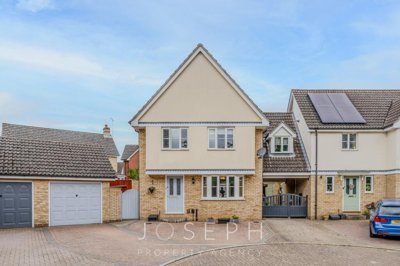
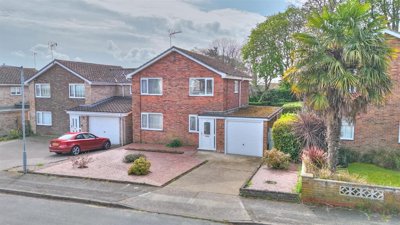
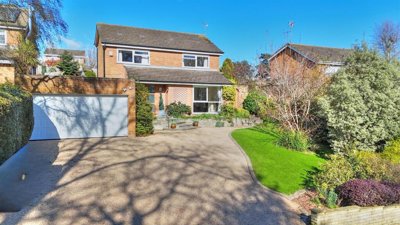
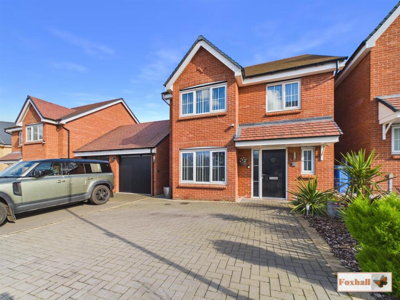
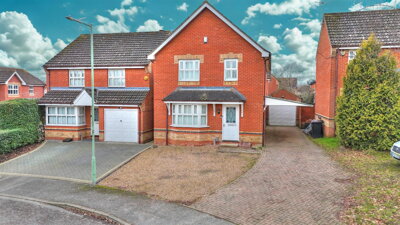
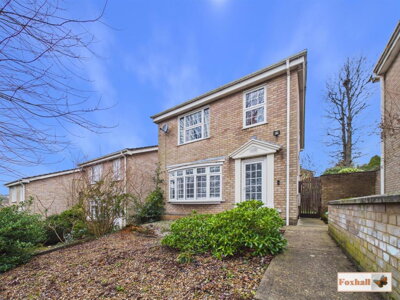
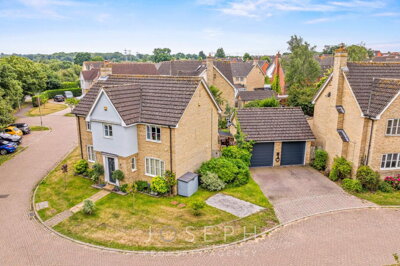
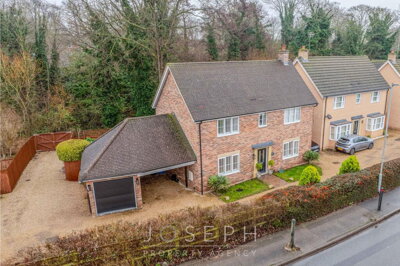
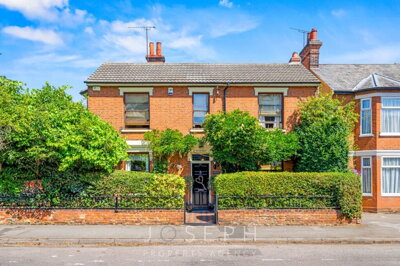
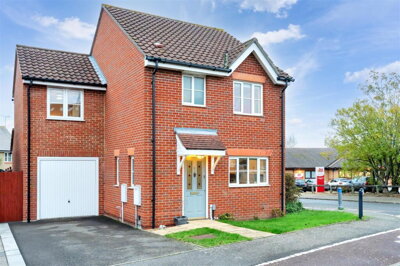
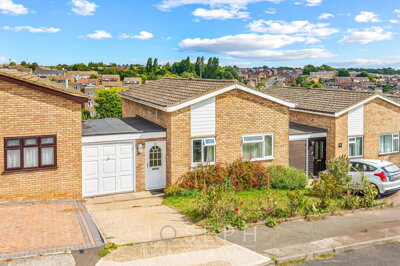
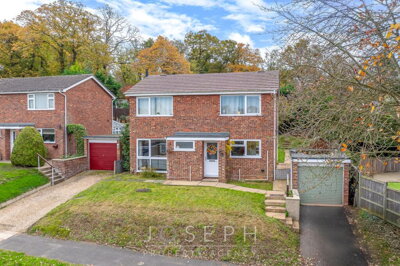
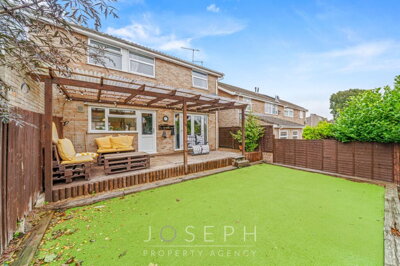
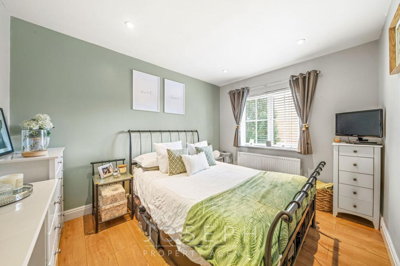
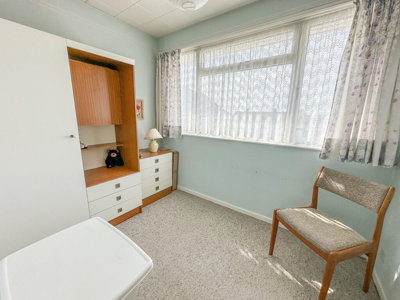
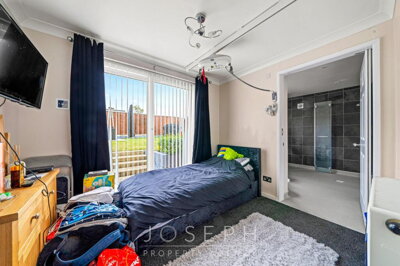
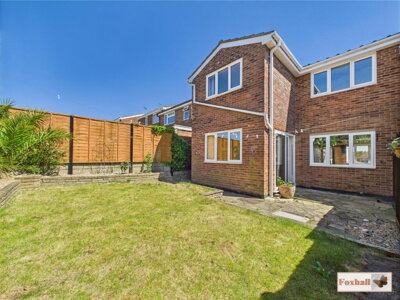
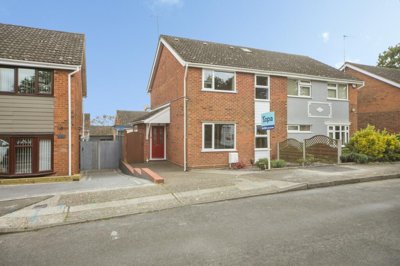
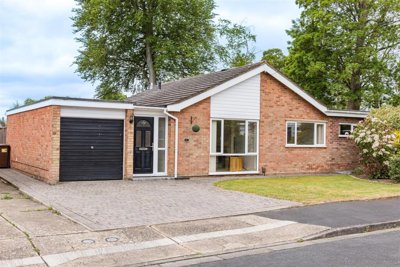
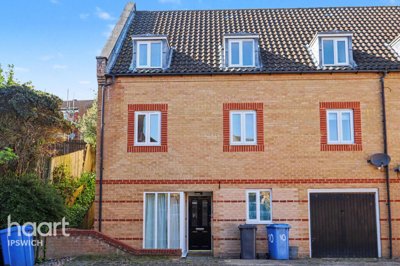
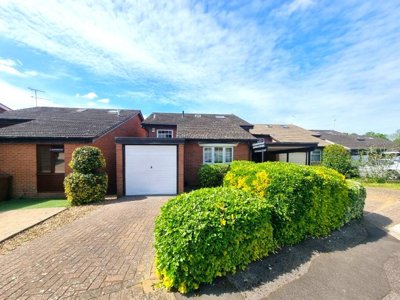
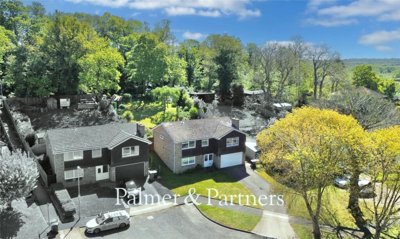
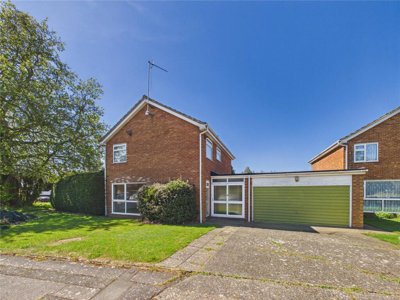
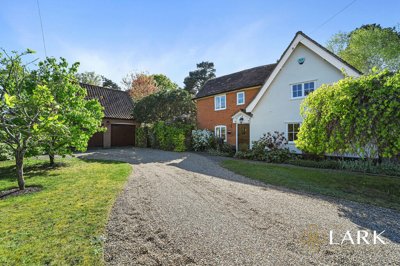
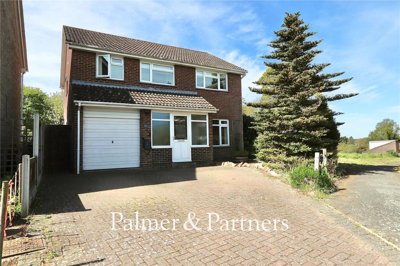
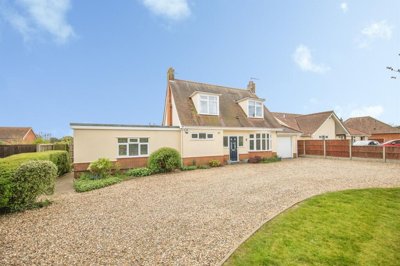
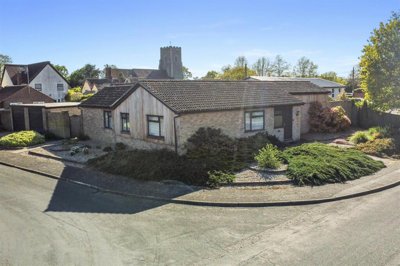
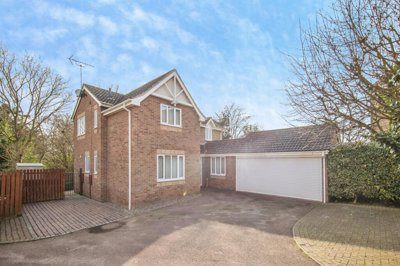
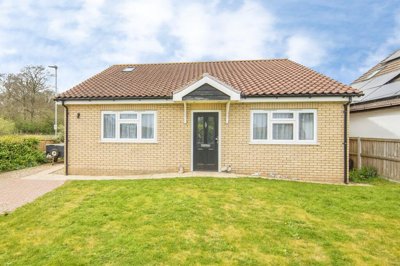
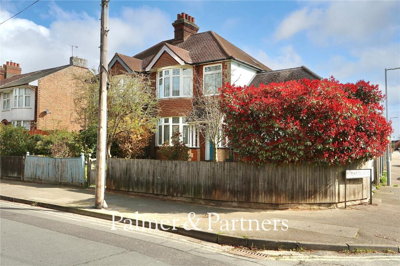
Browse 50 homes for sale in Wherstead, Babergh from local estate agents.
The larger property sector typically features multiple bathrooms, substantial reception space, and private gardens or off-street parking. Four bedroom houses in Wherstead span detached, semi-detached, and occasionally terraced configurations, with styles ranging from period properties to modern executive homes.
£538k
2
0
39
Source: home.co.uk
Showing 2 results for 4 Bedroom Houses for sale in Wherstead, Babergh. The median asking price is £537,500.
Source: home.co.uk
Detached
2 listings
Avg £537,500
Source: home.co.uk
Source: home.co.uk
Wherstead's housing mix spans a fair spread of budgets and lifestyles. Detached homes still sit at the top of the market, averaging £625,000, which reflects steady demand for larger family houses with gardens in this semi-rural spot. Semi-detached properties are around £350,000, terraced homes come in at about £290,000, and flats average roughly £165,000. Flats are not common here, though, because this remains a mainly house-led village, with approximately 45% of the 250 households living in detached properties.
New-build schemes keep widening the choice in Wherstead. Taylor Wimpey’s Wherstead Green includes 2, 3, and 4-bedroom homes, Hopkins Homes has brought forward The Woodlands with 2 to 5-bedroom properties, and The Stables by Taylor Wimpey adds another layer to the mix. All three sit in the IP9 2BB postcode, so their village setting is clear. The 1% price growth seen across every property type points to a steady market, one that still works for first-time buyers thinking about their first home, while also appealing to long-term investors in this sought-after corner of Suffolk. These newer homes have also drawn younger families into the village, adding variety without sanding off its traditional character.
In Wherstead, the age profile of homes is nicely varied. Around 20% predate 1919, so they tend to bring period detail and older construction methods. Roughly 30% were built between 1945 and 1980, often with cavity brick construction and concrete tiles. The remaining 35% are modern homes built after 1980, and they benefit from newer standards and better insulation. That gives buyers a genuine choice between characterful older places with original features and newer homes built to current expectations. For anyone drawn to period stock, the village’s 22 listed buildings, including the Grade I listed St Mary's Church and a number of Georgian and Victorian cottages, give Wherstead a level of character newer developments cannot match.

Wherstead captures that classic English village feel, yet it still keeps urban conveniences within reach. It sits in Babergh district, where rolling Suffolk countryside, historic timber-framed buildings, and a strong community spirit shape daily life, and newcomers usually find themselves absorbed into it quickly. The local Conservation Area protects the historic core around Wherstead Park and St Mary's Church, so future change has to respect the architectural heritage that makes the village distinctive. With 22 listed buildings recorded in the National Heritage List for England, including the Grade I listed St Mary's Church and 21 Grade II buildings, the area gives a real sense of Suffolk history. Wherstead Hall, Pannington Hall, and a scatter of farmhouses and cottages across the village are among the best-known examples.
The housing stock here tells the story of a village that has shifted from farming community to sought-after residential address. About 45% of homes are detached, semi-detached houses make up around 30% of the mix, terraced properties account for roughly 15%, and flats take the remaining 10%. The age profile runs much the same way, with 20% of homes dating from before 1919, 30% built between 1945 and 1980, and 35% classed as modern homes built after 1980. Buyers can therefore choose between older properties with original features and newer homes built to current standards. Construction also varies by era, older homes usually having solid brick walls with timber framing, often rendered or weatherboarded, while modern properties tend to use cavity wall construction with brick outer leaves and block inner leaves.
Wherstead’s economy benefits from being close to Ipswich, while Wherstead Park remains a notable landmark, although its future has been under discussion after recent changes. This Grade II listed Georgian country house, built in 1792 with a grey brick facade and Welsh slate roof, stopped event operations after 2023 and was put on the market in 2024. That has prompted plenty of local interest in what happens next, and in how it might affect the feel of the village. There has been a more upbeat note for jobs, too, with plans for two new warehouse units in Wherstead approved in September 2025. The IP9 2BB postcode logistics scheme is expected to create approximately 120 jobs in the distribution sector, a sign of Wherstead’s growing role in the wider regional economy and a possible driver of future housing demand from nearby workers.

Families thinking about Wherstead will find a useful range of schools within a sensible travelling distance. The village sits within the wider Babergh catchment pattern, and several primary schools are located in nearby villages and towns. For younger children, Sproughton Church of England Primary School and Hintlesham Community Primary School are among the nearest primary options, both a short drive away and both well regarded by local families. Secondary education usually comes from schools in Ipswich and across Suffolk, with Chantry Academy and Westbourne Academy among those serving the Wherstead catchment. We advise families to check current catchment areas and admission policies with Suffolk County Council, as these can change placements and should be part of any property search.
For independent schooling, Suffolk has several private options at both primary and secondary level. St Peter's School in Ipswich is an established choice, while some families also travel to Colchester and beyond for specialist provision. Sixth form options are available at nearby secondary schools, and Suffolk One sixth form college offers both vocational and academic routes. Further education colleges in Ipswich add more possibilities for older students looking at vocational training or a route into higher education. During property viewings in Wherstead, we suggest speaking with local estate agents about schooling, as they can give up-to-date insight into the educational landscape and any changes to provision in the area.
Being close to Ipswich makes Wherstead a practical choice for families who place education high on the list. Many of the town’s secondary schools are usually reached in about 15-20 minutes by car, and some places are covered by school bus services. Primary school transport arrangements should be checked before any purchase is agreed, because catchment areas can be tied to particular villages. Families relocating from urban areas often find Suffolk’s secondary schools competitive, with examination results at several institutions consistently above national averages.

Wherstead is better connected than its village setting might suggest, which is part of its appeal for commuters and for anyone who wants easy access to larger towns. It lies just south of Ipswich, with the A14 trunk road offering direct links to the port town and onward connections to the A12 towards Colchester and London. The A14 also runs Wherstead towards Felixstowe, which matters for people working in logistics or the port industries. For those employed at the Port of Felixstowe, the UK’s largest container port, living here can mean a manageable commute without the congestion faced by many travelling from further out. The village’s position on the A14 corridor also gives access to the wider motorway network via the M25 for journeys to London or airports.
Rail travel is straightforward as well. Ipswich railway station sits on the Great Eastern Main Line, with regular services to London Liverpool Street taking around 70 minutes. Peak-hour trains run frequently, and there are services throughout the day for commuters. Norwich, Cambridge, and Peterborough can also be reached from Ipswich, which makes Wherstead a workable base for people working in more than one location. The station has good parking and local bus links from Wherstead. For air travel, London Stansted is about 60 miles away, reached via the M11 and A120, while Norwich Airport offers domestic flights and some European connections.
Wherstead’s position near the River Orwell estuary means some spots look across the water to the Port of Felixstowe, although the village itself stays calm and away from major freight routes. Cycling has become easier here in recent years, with paths linking Wherstead to Ipswich for those who prefer to commute actively. National Cycle Route 1 also passes through the area, opening up longer rides along the Suffolk coast. Parking is generally decent, with most homes offering off-street space, which helps people who drive to surrounding towns. Ipswich Buses runs services linking Wherstead to the town centre throughout the day.

A good place to begin is with current property listings in Wherstead and a clear look at price trends. Detached homes averaging £625,000 and semi-detached properties around £350,000 give a useful sense of where the market sits, so a firm budget helps narrow the search quickly. We also recommend getting to know the different parts of the village, from the Conservation Area around the historic core and its 22 listed buildings to newer spots such as Wherstead Green on the outskirts. Local agents in the IP9 area can also flag fresh listings before they appear more widely.
Before arranging viewings, we would suggest speaking to a mortgage broker and securing an Agreement in Principle. It shows how much can be borrowed and gives added weight when offers are made. Wherstead attracts strong interest from buyers drawn to its village character and transport links, so having finance lined up tells sellers and estate agents that we are serious. Brokers who know the Suffolk market can also point us towards products suited to rural homes, including properties with listed building status or flood risk concerns.
Once the search is underway, viewings should focus on the details that matter most, construction materials, condition, and, if flood risk is a worry, how close the property sits to the River Orwell. Notes and photographs help with later comparisons, and it is often worth visiting at different times of day to judge noise, light, and the wider atmosphere. In Wherstead, we would pay particular attention to period homes with timber framing or solid brick walls, and check for signs of movement in properties built on the underlying London Clay Formation.
Before contracts move forward, we recommend arranging a RICS Level 2 Survey to assess condition. In Wherstead, these surveys usually cost between £400 and £800 depending on property size and value. As around 65% of homes in the village are over 50 years old, a proper survey matters, especially for damp, roof defects, or subsidence risks linked to the local geology. For listed properties or homes in the Conservation Area, a RICS Level 3 Building Survey may be the better choice.
After an offer is accepted, we would instruct a conveyancing solicitor to deal with the legal side of the purchase. They will carry out searches with Babergh District Council, check planning restrictions in the Conservation Area, and manage the transfer of ownership. For listed buildings, they will also need to check heritage designations and any conditions attached to the listing. Suffolk-based solicitors can help with local matters such as flood risk, drainage, and village-specific covenants or rights of way.
The solicitor will then guide us through exchange of contracts, which is the point at which the purchase becomes legally binding. On completion day, the remaining funds are transferred and the keys to the new Wherstead home are handed over. After that, mail redirection needs to be arranged, and the address should be updated with banks, utility companies, and Babergh District Council for council tax. Local doctors and dentists in the surrounding area should also be registered with, as Wherstead itself does not have its own medical practice.
Buying in Wherstead means keeping a few local factors in mind that do not always come up in more urban markets. The geology here deserves proper attention. Wherstead sits on London Clay Formation with superficial deposits of boulder clay, and that brings moderate to high shrink-swell potential. Properties can therefore be vulnerable to subsidence or heave, particularly where foundations are shallow or mature trees stand nearby. During a survey, we would look carefully for cracking, uneven floors, or doors and windows that stick, because these can point to movement tied to clay soil conditions. Oaks and poplars are especially troublesome on clay soils, as their root systems can alter moisture levels and shift the ground.
Flood risk also matters, given Wherstead’s location close to the River Orwell estuary. Lower-lying properties face possible river and sea flooding, while surface water flooding can happen where drainage is poor. A RICS Level 2 Survey will highlight flood risk indicators, but buyers should also speak to the Environment Agency and check local flood maps before proceeding. Homes inside the Conservation Area may face limits on alterations and extensions, so it is important to understand those controls if future changes are planned. That conservation status can also reduce permitted development rights compared with non-designated areas.
Because Wherstead has so many listed and older properties, careful inspection is often needed, and specialist surveys may be sensible. With 22 listed buildings in the village, including St Mary's Church, which is Grade I listed, and Georgian country houses from the late 18th century, buying period stock can bring extra responsibilities around historic features and conservation rules. Construction methods also change with age. Pre-1919 homes usually have solid brick walls with timber framing, often rendered or weatherboarded, plus slate or clay tile roofs and suspended timber floors. Properties built between 1919 and 1980 usually use cavity brick walls with concrete tiles, while post-1980 homes generally have modern cavity wall construction. Knowing those differences helps us judge maintenance needs and the likely issues with each type of home.
Some defects crop up more often in Wherstead because of the age of the housing stock and the local conditions. Damp is common in older homes, whether rising damp from failed damp proof courses, penetrating damp from faulty rainwater goods, or condensation caused by poor ventilation. Roofs also need a close look, with worn coverings, defective leadwork, and timber decay frequently showing up in surveys. On the shrinkable clay soils, properties may display subsidence or heave, especially where foundations are shallow or vegetation is causing pressure. In older homes, electrical and plumbing systems may also need updating to current safety standards, and original lead or galvanised steel pipework can lead to low water pressure or corrosion.

The average house price in Wherstead is currently £454,750 according to recent market data. Detached properties average £625,000, semi-detached homes around £350,000, and terraced properties approximately £290,000. Flats in the area average around £165,000, although they are less common in this predominantly house-based village. Prices have risen by approximately 1% over the last 12 months, which points to a steady market with consistent demand. The village recorded 12 property sales in the past year, a modest but stable transaction level for a community of approximately 600 residents.
Wherstead falls under Babergh District Council, and homes are placed in council tax bands A through H depending on value and type. Band A properties have the lowest annual charges, while Band H homes attract the highest rates. To check the band for a specific property, we can search on the Babergh District Council website or consult the Valuation Office Agency listing. Council tax helps fund local services such as education, waste collection, and community facilities maintained by the Babergh district.
Primary schooling for Wherstead families is available in nearby villages, including Sproughton Church of England Primary School and Hintlesham Community Primary School. Current admission policies should be checked with Suffolk County Council, and secondary options in Ipswich, roughly 15-20 minutes away by car, should also be considered. Chantry Academy and Westbourne Academy serve the local catchment, while families looking at independent education may choose St Peter's School in Ipswich. Primary schools in the Babergh district generally hold good Ofsted ratings, and we encourage parents to visit schools and review current performance data when planning a move.
Despite its village setting, Wherstead has decent public transport links. Ipswich Buses runs local services into Ipswich town centre, where Ipswich railway station gives access to the Great Eastern Main Line and trains to London Liverpool Street in about 70 minutes. The A14 trunk road provides direct road links to Ipswich, Felixstowe, and the wider motorway network. For flights, London Stansted is roughly 60 miles away via the M11, while Norwich Airport offers domestic and some European services. National Cycle Route 1 also passes through the area for those who prefer to travel by bike.
Wherstead has several qualities that make it appealing for property investment. The village has seen consistent price growth of approximately 1% over the past year, and 12 property sales were completed in the last 12 months. Its proximity to Ipswich and strong transport links make it attractive to commuters, while the limited supply of homes in a village setting helps support values. New development at Wherstead Green and The Woodlands shows continued interest from major developers, and the approved warehouse project in the IP9 area is expected to create 120 jobs, which may increase demand from workers wanting a convenient base. Even so, buyers should factor in flood risk in some areas and planning restrictions within the Conservation Area.
For standard purchases in England, Stamp Duty Land Tax starts at 0% on the first £250,000 of property value, then rises to 5% on the part between £250,001 and £925,000, 10% up to £1.5 million, and 12% on anything above that. First-time buyers may qualify for relief on the first £425,000, with 5% applied between £425,001 and £625,000. At the average Wherstead price of £454,750, a first-time buyer would pay no Stamp Duty on the first £425,000 and 5% on the remaining £29,750, giving a total of £1,487.50. Second-home buyers and anyone purchasing an additional property should allow for the 3% surcharge on top of the standard rates.
Properties in Wherstead face a higher flood risk because of the village’s position near the River Orwell estuary. Low-lying areas close to the river can be affected by both river flooding and tidal flooding, especially when tides are high and rainfall is heavy. Surface water flooding can also appear where drainage is poor or surfaces are impermeable. In affected locations, buyers should get a full flood risk assessment, check whether the property has suitable flood resilience measures, and confirm buildings insurance availability and cost. The Environment Agency publishes flood maps showing risk areas, and higher-risk properties may struggle with mortgage lending unless suitable insurance is already in place.
Recent developments have opened up more work near Wherstead. Plans for two new warehouse units in Wherstead were approved in September 2025, and the IP9 postcode logistics development is expected to create approximately 120 jobs in the distribution sector. Many residents also commute into Ipswich for jobs in retail, healthcare, education, and professional services. The Port of Felixstowe, reached via the A14, is a major employer in logistics and maritime industries. Wherstead Park, the historic estate in the village, stopped event operations after 2023 and was placed on the market in 2024, and its next use could bring further local employment.
From 4.5% APR
Compare mortgage deals from leading lenders
From £499
Expert property solicitors for your purchase
From £400
RICS Level 2 survey for standard construction homes
From £600
RICS Level 3 building survey for older or complex properties
Understanding the full cost of buying in Wherstead helps us budget properly for a move. Beyond the purchase price, buyers need to allow for Stamp Duty Land Tax, solicitor fees, survey costs, and a range of smaller expenses that add up quickly. At the Wherstead average of £454,750, the Stamp Duty figure depends on buyer status and any reliefs that apply. Standard rate buyers pay nothing on the first £250,000, then 5% on the remaining £204,750, which comes to £10,237.50 in Stamp Duty. That is a significant amount, so it needs to be built into the overall budget from the start of the search.
First-time buyers paying the Wherstead average price of £454,750 benefit from relief on the first £425,000, so they would only pay 5% Stamp Duty on the £29,750 above that threshold, which equals £1,487.50. That saving can go towards moving costs or improvements to the new home. Bear in mind that first-time buyer relief does not apply to homes valued above £625,000, so anyone buying a higher-value detached property at the average would not qualify. Second-home buyers should add 3% across all Stamp Duty bands, which pushes costs up sharply on average-priced homes.
Other costs worth planning for include RICS surveys, which in the Wherstead area range from £400 to £800 for a Level 2 survey, with more detailed Level 3 surveys for period or listed properties starting from £600 upwards. Conveyancing fees usually begin at £499 for standard purchases, though more complex transactions involving listed buildings or homes in the Conservation Area can cost more because of the extra searches and legal work involved. Mortgage arrangement fees, valuation fees, and land registry charges should also be allowed for, with arrangement fees often ranging from £0 to £2,000 depending on the lender and product chosen. Buildings insurance has to be in place from the day of completion, and we should also budget for moving costs, any redecorating, and immediate repairs highlighted by the survey. Gathering quotes from several service providers helps us secure competitive rates while still getting quality service for a Wherstead property purchase.

Properties for Sale In London

Properties for Sale In Plymouth

Properties for Sale In Liverpool

Properties for Sale In Glasgow

Properties for Sale In Sheffield

Properties for Sale In Edinburgh

Properties for Sale In Coventry

Properties for Sale In Bradford

Properties for Sale In Manchester

Properties for Sale In Birmingham

Properties for Sale In Bristol

Properties for Sale In Oxford

Properties for Sale In Leicester

Properties for Sale In Newcastle

Properties for Sale In Leeds

Properties for Sale In Southampton

Properties for Sale In Cardiff

Properties for Sale In Nottingham

Properties for Sale In Norwich

Properties for Sale In Brighton

Properties for Sale In Derby

Properties for Sale In Portsmouth

Properties for Sale In Northampton

Properties for Sale In Milton Keynes

Properties for Sale In Bournemouth

Properties for Sale In Bolton

Properties for Sale In Swansea

Properties for Sale In Swindon

Properties for Sale In Peterborough

Properties for Sale In Wolverhampton

Enter your details to see if this property is within your budget.
Loans, cards, car finance
Estimated property budget
Borrowing + deposit
You could borrow between
Typical borrowing
Monthly repayment
Est. at 4.5%
Loan-to-value
This is an estimate only. Your actual budget may vary depending on interest rates, credit history, and personal circumstances. For an accurate affordability assessment, speak to one of our free mortgage advisors.
This calculator provides estimates for illustrative purposes only and does not constitute financial advice. Your home may be repossessed if you do not keep up repayments on your mortgage. Estimates based on 4.5% interest rate, repayment mortgage. Actual rates depend on your circumstances.
Homemove is a trading name of HM Haus Group Ltd (Company No. 13873779, registered in England & Wales). Homemove Mortgages Ltd (Company No. 15947693) is an Appointed Representative of TMG Direct Limited, trading as TMG Mortgage Network, which is authorised and regulated by the Financial Conduct Authority (FRN 786245). Homemove Mortgages Ltd is entered on the FCA Register as an Appointed Representative (FRN 1022429). You can check registrations at NewRegister or by calling 0800 111 6768.

We use cookies to show you personalised content and improve your experience of our website. Find out more in our Privacy policy and Cookie policy.