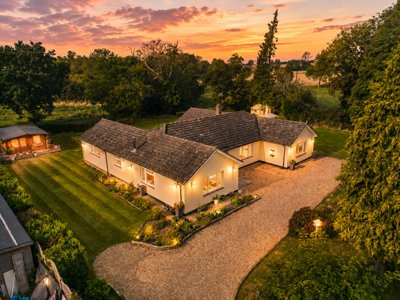
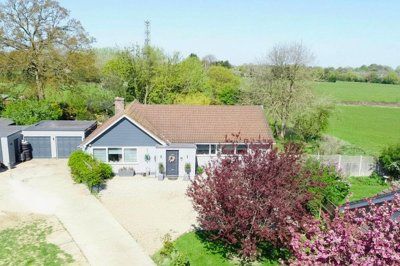
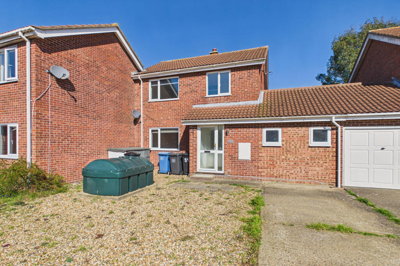
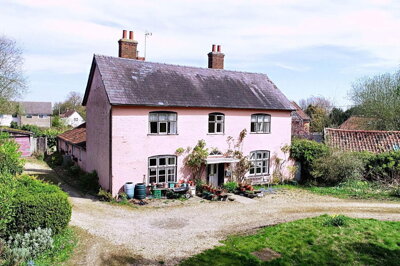
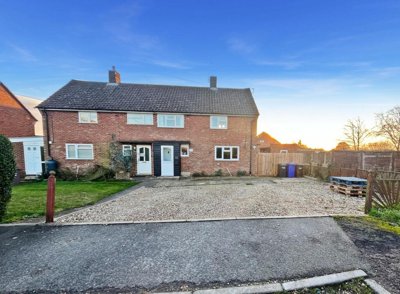
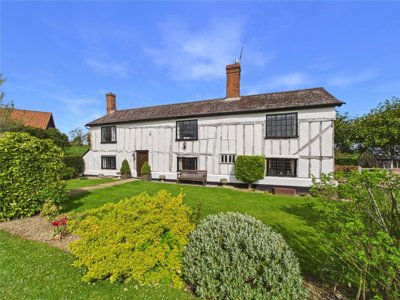
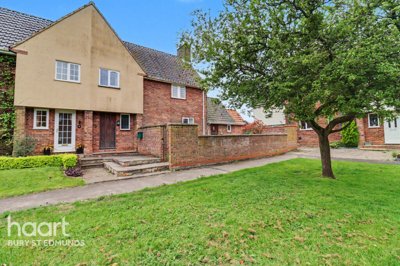
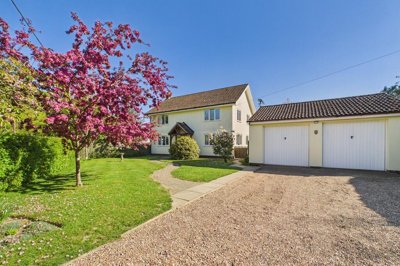
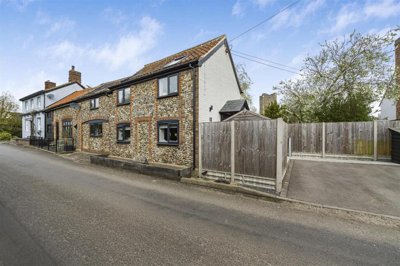
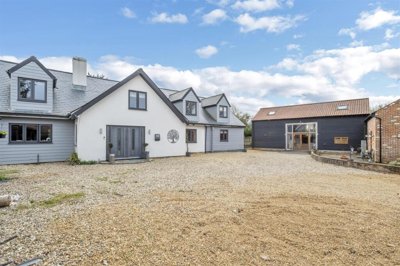
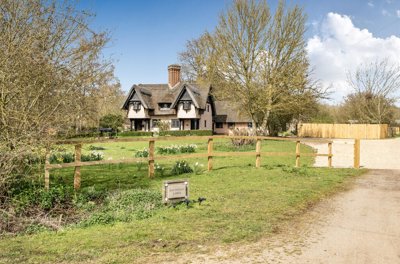
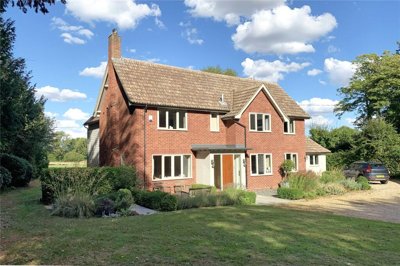
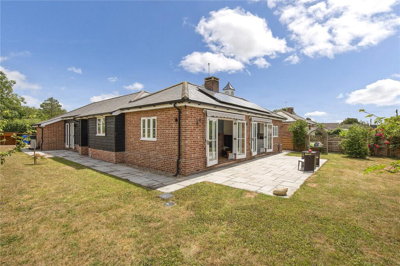
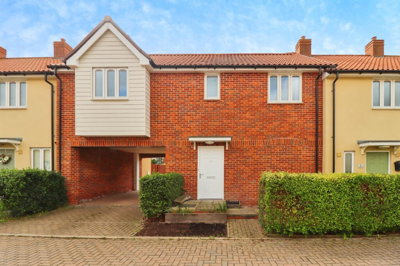
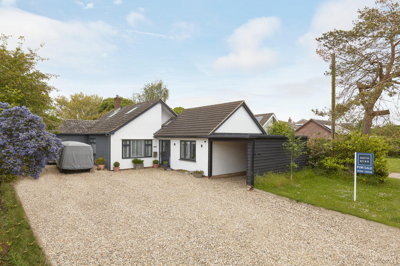
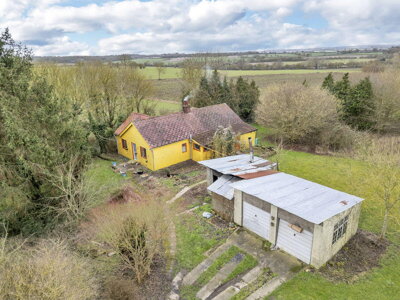
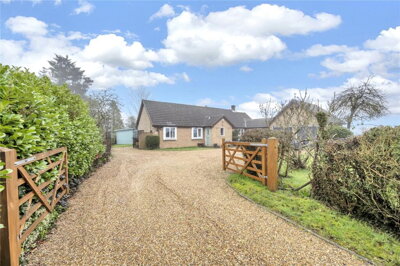
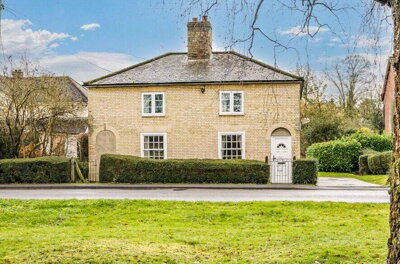
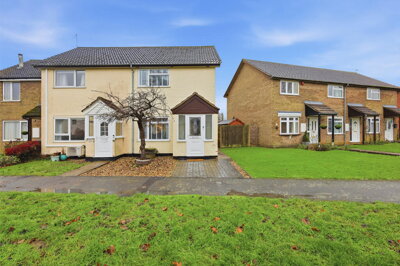
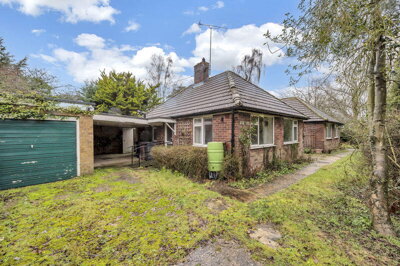
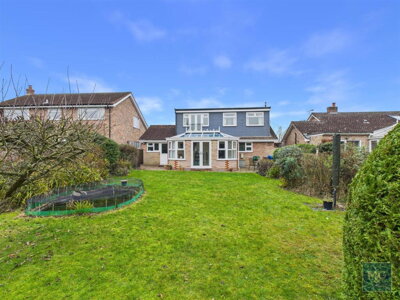
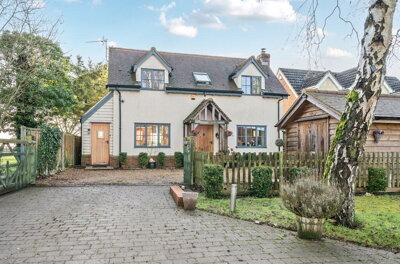
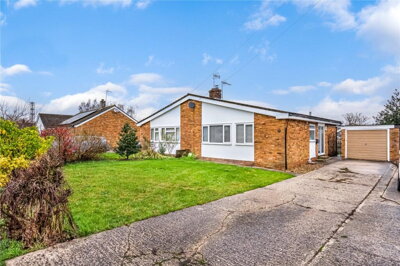
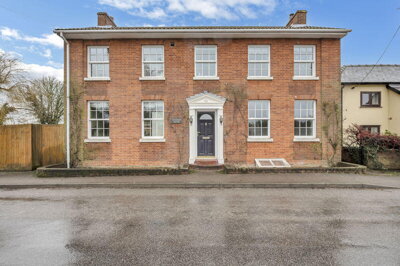
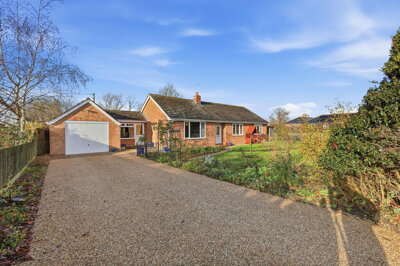
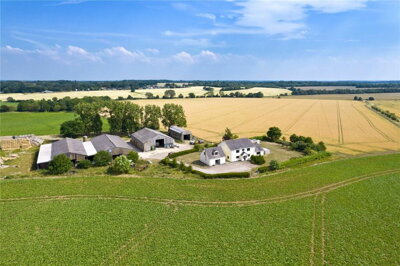
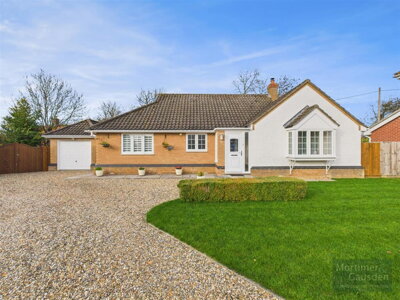
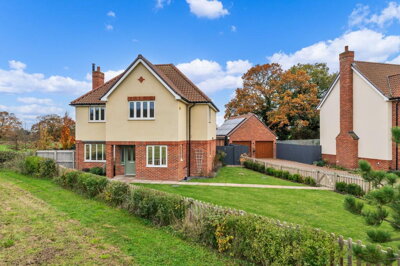
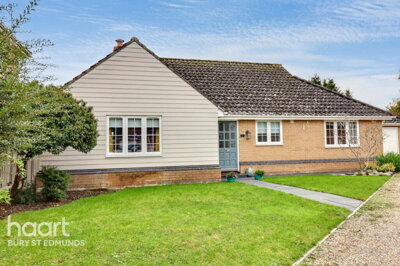
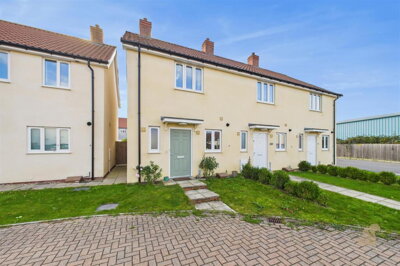
Browse 34 homes for sale in Whepstead, West Suffolk from local estate agents.
The Whepstead property market offers detached, semi-detached, and terraced houses spanning various price ranges and neighbourhoods. Each listing includes detailed property information, photographs, and direct contact with the marketing agent.
£562k
2
1
26
Source: home.co.uk
Showing 2 results for Houses for sale in Whepstead, West Suffolk. 1 new listing added this week. The median asking price is £562,250.
Source: home.co.uk
Detached
1 listings
Avg £399,500
Semi-Detached
1 listings
Avg £725,000
Source: home.co.uk
Source: home.co.uk
Whepstead’s property market gives buyers a broad spread of options. Detached homes command the top end, averaging £627,500 according to home.co.uk listings data, while semi-detached properties sit at £473,750 and give families a more approachable route into the village without paying detached-plot premiums. The sales record backs that up too, with a mid-terrace house on Chedburgh Road changing hands for £210,000 in December 2025, a reminder that terraced stock still offers a lower-cost way into this otherwise high-value market.
Prices in Whepstead have cooled sharply over recent months, with sales values down 34% on the previous year and 23% under the 2019 peak of £717,500. For buyers, that creates room to find value that was harder to come by at the top of the cycle. Around 88 property transactions a year keep the market moving, even though it remains small in scale. Large new-build schemes are not part of the village itself, and the nearest new homes are in Bury St Edmunds, at places such as Abbots Gate on Laundry Lane. That helps preserve Whepstead’s established feel, and it also makes existing period homes more appealing to anyone after genuine Suffolk character.
For buyers and investors, the make-up of the housing stock matters. Detached homes have made up most sales in Whepstead in recent years, which fits the rural setting and the demand for larger homes with gardens. Our local market data also shows that terraced houses still play an important role, and an end-terrace on Bury Road that sold for £294,000 in September 2024 is a good example of a more affordable stepping-stone for first-time buyers or anyone looking to downsize.

Whepstead is small, but it has a lively feel. An estimated 484 residents live across 181 households, so it keeps the close-knit atmosphere where people recognise one another and village events do real work in bringing neighbours together. The wider Whepstead and Wickhambrook ward covers about 2,480 residents and 956 residential dwellings, which gives the area a broader social network while still feeling village-sized. On the business side, there are 183 firms registered at Companies House, including three with ten or more employees, which brings local services and some employment into easy reach. It is a practical mix, quiet on the surface, but not cut off.
Whepstead’s look is shaped by its heritage buildings. Traditional Suffolk materials, timber, brick, tile and render, give the village a distinct identity that sets it apart from newer estates. Its homes cover several eras, and with over 25% of Suffolk’s housing stock built before 1945, many local properties pre-date modern building rules and may still have original fireplaces, exposed beams and solid brick walls. Outside the village, the landscape rolls into chalk hills typical of East Anglia, with boulder clay deposits affecting both agriculture and the ground conditions that matter to foundations. There are public footpaths across farmland and woodland, and Bury St Edmunds is close enough for shopping, culture and evenings out.
Our inspectors work across West Suffolk, and Whepstead often throws up the hallmarks of older East Anglian construction. Plenty of homes here have solid walls rather than cavity insulation, which is common in buildings erected before 1914. That changes how insulation and heating need to be approached when compared with modern cavity-wall houses, and it is one of the reasons our surveyors look closely at maintenance needs and energy performance.

Education in Whepstead centres on the village primary school, which acts as a community anchor and teaches children in the early year groups. The presence of both the Primary School and Schoolhouse as listed buildings underlines how long education has been part of village life. For secondary school places, families usually look to nearby towns, where several strong choices sit within a sensible commute. Across West Suffolk there is a decent spread of options too, from community schools to academy converters, so parents are not short of different approaches to learning.
Families weighing up private schooling or further study will find several respected independent schools and sixth form colleges within reach of Whepstead. Bury St Edmunds, about five miles away, adds more primary and secondary options and cuts school-run times quite a bit compared with deeper rural locations. It pays to check catchment areas and admissions rules before buying, because they can shape values in particular streets and corners of the village. Cambridge is another draw, and its education reputation gives the area longer-term appeal for families planning ahead, with sixth form and university routes available within reasonable travel times.
We often tell buyers to look at school catchments early in the search, especially in a village like Whepstead. Homes in the more sought-after catchments usually hold their value better and draw stronger interest when it is time to sell. Being close to Bury St Edmunds schools is a clear plus, giving families access to established reputations without having to deal with the daily congestion that comes with city school runs.

Whepstead offers a useful balance of rural calm and access to larger centres, although most residents still depend on private cars for everyday travel. The village sits about five miles from Bury St Edmunds, where mainline trains run to Cambridge, Ely and London Liverpool Street, with the trip to the capital usually taking around 90 minutes. For people commuting to Cambridge, the drive is generally 45 minutes to an hour, traffic depending, so it works for those in the city’s technology and research sectors. The A14 trunk road is close by too, linking into Ipswich, Felixstowe and the wider motorway network.
There are local bus links between Whepstead, Bury St Edmunds and neighbouring villages, which gives a basic option for those without a car, though the service is nowhere near urban frequency. Cycling around the area means using country lanes that are popular with leisure riders, but there are few dedicated cycle paths. Parking is fairly typical for a rural village, with most homes offering off-street spaces and only limited public parking. For people commuting to London or doing frequent long-distance trips, the rail access at Bury St Edmunds and the motorway links are usually enough, while local workers enjoy a much calmer daily routine than many town-based commuters.
For anyone thinking about Whepstead as a commuting base, we suggest visiting at different times of day to get a proper feel for the local roads. The lanes are pleasant for cycling, but moving between villages does mean dealing with unmarked roads and very few passing places, so confidence matters. For those working in Felixstowe’s port industry or heading further afield, the A14 links are a real asset and put Whepstead in a useful position for mixed commuting patterns.

Current listings on Homemove are a sensible starting point if you want to get a feel for what is on the market, the price brackets, and the wider trend. With detached homes averaging £627,500 and semi-detached properties at £473,750, it makes sense to set a budget that fits both your requirements and what the lender will support. We would also suggest speaking with a local estate agent who knows the village well, because in a heritage place like Whepstead, small details often matter.
Before booking viewings, get a mortgage agreement in principle from a lender so you know your borrowing limit and can act quickly if the right home comes up. Whepstead properties vary a lot in value, so having a clear budget narrows the search and shows sellers and agents that you are serious. With the village average sitting at £550,125, most buyers will be looking at sizeable mortgages, so that first lender step is an important one.
Once you begin viewings, focus on homes that match your brief and pay close attention to materials, condition and how near they are to amenities. Many Whepstead houses are period properties built in traditional ways, so solid walls, timber frames and older electrical systems all need a closer look if you want a realistic view of maintenance and renovation costs. We also recommend seeing properties at different times of day, because light, traffic noise and the general feel of the street can change quite a lot.
After your offer is accepted, book a RICS Home Survey Level 2 so the condition is properly checked. With over 25% of Suffolk homes built before 1945, surveys are especially useful for spotting damp, subsidence risk linked to clay soils, roof wear and dated electrics. Survey fees usually sit between £400 and £1,000 depending on value and complexity, while homes over £500,000 average £586 for a professional survey.
Next, appoint a conveyancing solicitor to deal with the legal transfer, from searches and contracts through to registration. They will check the title, look for planning restrictions on listed buildings or conservation areas, and work with your mortgage lender where needed. Given Whepstead’s number of listed buildings, it is sensible to have searches look closely at any planning history connected to heritage status.
When the survey result is satisfactory and the legal work is complete, exchange contracts with the seller and pay the deposit. Completion follows on the agreed date, when the remaining money is transferred and the keys are handed over. After that, register the property with the land registry and update your address with the relevant organisations. If you need it, our team can point you towards local conveyancing solicitors who know West Suffolk property well.
Buyers in Whepstead should keep a close eye on the local geology, because the clay-rich soils here are prone to shrink-swell movement in dry spells and after heavy rain. That can show up as cracking walls, uneven floors and doors or windows that no longer sit quite right, especially in homes built before modern building regulations. A detailed report from a qualified RICS surveyor is the sensible way to judge how serious any issue is before you buy. Mature trees nearby can raise the risk further, because their roots alter soil moisture and can worsen structural movement.
The conservation area and the village’s concentration of listed buildings bring extra points for buyers to think about. Listed homes need listed building consent for certain alterations, and any work has to respect the building’s historic character, which can restrict renovation choices and push maintenance costs up. External changes, new windows and extensions may all fall under planning control, so it is worth checking planning history and speaking to West Suffolk Council before you commit. Many homes in Whepstead also have traditional solid walls instead of cavity insulation, which affects heating costs and energy performance, while pre-1914 properties may still have lead paint and pre-WWII plumbing that need specialist attention during refurbishment.
Our inspectors regularly come across damp in older Whepstead properties, especially those from the Victorian and Georgian periods when modern damp-proof courses were not yet standard. Terraced houses in England have the highest damp prevalence, although any period home with solid walls or poor ventilation can suffer. Roof wear is another regular find in rural houses that have spent years exposed to the weather, and outdated electrics are common in homes that have not been upgraded for decades. We also check for lead in pre-1978 paint and asbestos in buildings put up before the late 1980s, both of which still matter in Whepstead’s older housing stock.

The average property price in Whepstead is £550,125 according to recent homedata.co.uk and home.co.uk listings data. Detached homes sit at about £627,500, while semi-detached properties average £473,750. Recent sales show the market has corrected 34% from the previous year and is 23% below the 2019 peak of £717,500, so buyers may find better value in this premium Suffolk village than they did a few years ago. Prices still vary widely by size, condition and heritage status, with recent transactions ranging from £210,000 for a mid-terrace on Chedburgh Road to higher sums for substantial detached period homes.
Whepstead homes fall within West Suffolk Council’s tax banding system, which runs from A to H depending on value and type. New buyers should always check the band on any home they are considering, because it affects annual running costs as well as mortgage payments, insurance and upkeep. Council tax helps pay for local services such as education, refuse collection and road maintenance, and bands can be challenged if there is evidence that the property has changed significantly since its last assessment. For a typical Whepstead home valued at £550,125, the likely band is somewhere in the D to F range, although that does depend on the individual property.
Whepstead Primary School serves the village and the surrounding area, providing education for early year groups in a community setting. The school building itself is listed, which reflects how long it has been part of village life. For secondary schooling, families usually look to Bury St Edmunds, about five miles away, where several options are available across different school models. Cambridge is another useful reference point, giving older students access to well-known educational institutions, private schools and sixth form colleges within a manageable travel radius. Parents should always check the current catchment boundaries and admissions policies, because both can change and affect which schools cover specific addresses.
Public transport in Whepstead is limited, which is normal for rural Suffolk villages. Local bus services run to Bury St Edmunds and nearby settlements, but the timetable is much thinner than it would be in town. The nearest mainline station is at Bury St Edmunds, where trains go to Cambridge, Ely and London Liverpool Street, with the journey to the capital taking around 90 minutes. Most residents still use private cars for everyday trips, helped by the nearby A14 trunk road for routes to Ipswich, Felixstowe and the wider motorway network. If regular public transport is important, it is sensible to visit the village and study the bus times before you buy.
Whepstead has a few clear attractions for property investors, not least its heritage-led character, limited new-build supply and proximity to employment centres such as Cambridge and Bury St Edmunds. The concentration of listed buildings helps protect the village’s look and appeal, while the older housing stock means renovation opportunities are likely to stay in demand. Still, this is a small market, with only around 88 annual sales, so it may be less liquid than larger towns and holding periods need thought. Rental demand does exist from rural workers, commuters and people who want a village lifestyle rather than urban intensity, but period construction can bring higher maintenance bills, so that has to be part of the calculation.
Stamp duty in England is charged in bands. There is no duty on purchases up to £250,000, then 5% on the portion from £250,001 to £925,000, 10% up to £1.5 million and 12% above that. First-time buyers get relief on the first £425,000 of the price, with 5% applying between £425,001 and £625,000. At Whepstead’s average price of £550,125, a typical purchase by someone who is not a first-time buyer would face about £15,006 in stamp duty, while a first-time buyer would pay around £6,256 under the current thresholds. The SDLT has to be paid within 14 days of completion, so it needs to sit alongside deposit and mortgage costs in the budget.
There are no large-scale new-build developments within Whepstead itself, because planning rules help keep the village’s established character intact and limit major growth. Small applications do appear, though, such as DC/23/0959/FUL for two detached country dwellings on Chedburgh Road, which shows the sort of limited development the area tends to see. The nearest new homes are still in Bury St Edmunds, roughly five miles away, at schemes like Abbots Gate on Laundry Lane. Anyone set on a new-build home may need to widen the search to Bury St Edmunds or keep an eye on planning approvals in surrounding villages.
Buyers of period homes in Whepstead need to think through the risks that often come with older construction. The clay-rich soils found across much of Suffolk can cause shrink-swell movement, especially in dry weather or where mature trees draw moisture from the ground. Homes built before modern building regulations may have solid walls without cavity insulation, which has a direct effect on energy performance and heating bills. Older properties may also still contain lead paint used before 1978 and asbestos fitted before the late 1980s. Outdated electrics and plumbing upgrades are common too, so it is wise to factor those costs into the overall affordability picture.
Buying in Whepstead brings costs beyond the price on the front page of the advert, and stamp duty land tax is usually the biggest extra item. At today’s thresholds, a £550,125 purchase attracts around £15,006 in stamp duty for someone who does not qualify as a first-time buyer. First-time buyers get a higher threshold, which cuts the bill to about £6,256 on the same price. Because these sums are based on the purchase price and must be paid within 14 days of completion, they need to be planned for alongside the deposit and mortgage from the outset.
There are other costs too. A RICS Level 2 survey on a property of this value usually comes in at £400 to £1,000, depending on size and complexity. Homes over £500,000 average £586 for professional surveys, and older or non-standard buildings can cost more because they take longer to inspect. Conveyancing fees often start from £499 for standard sales, but listed buildings, leaseholds and complicated titles can push that higher. Mortgage arrangement fees, valuation costs and searches all add to the bill, so buyers should allow roughly 3-5% of the purchase price for these extra expenses when working out the full cost of buying in Whepstead.
Listed property purchases in Whepstead can bring specialist costs as well, including Listed Building Consent fees, heritage-focused surveys and sometimes higher conveyancing charges because the title is more complex. Before setting a budget, our team recommends getting quotes from surveyors who know period homes and heritage designations well. For a £550,125 property in Whepstead, the full buying bill, including stamp duty, survey, conveyancing and mortgage fees, usually sits around £25,000 to £35,000 above the purchase price for non-first-time buyers.

Properties for Sale In London

Properties for Sale In Plymouth

Properties for Sale In Liverpool

Properties for Sale In Glasgow

Properties for Sale In Sheffield

Properties for Sale In Edinburgh

Properties for Sale In Coventry

Properties for Sale In Bradford

Properties for Sale In Manchester

Properties for Sale In Birmingham

Properties for Sale In Bristol

Properties for Sale In Oxford

Properties for Sale In Leicester

Properties for Sale In Newcastle

Properties for Sale In Leeds

Properties for Sale In Southampton

Properties for Sale In Cardiff

Properties for Sale In Nottingham

Properties for Sale In Norwich

Properties for Sale In Brighton

Properties for Sale In Derby

Properties for Sale In Portsmouth

Properties for Sale In Northampton

Properties for Sale In Milton Keynes

Properties for Sale In Bournemouth

Properties for Sale In Bolton

Properties for Sale In Swansea

Properties for Sale In Swindon

Properties for Sale In Peterborough

Properties for Sale In Wolverhampton

Enter your details to see if this property is within your budget.
Loans, cards, car finance
Estimated property budget
Borrowing + deposit
You could borrow between
Typical borrowing
Monthly repayment
Est. at 4.5%
Loan-to-value
This is an estimate only. Your actual budget may vary depending on interest rates, credit history, and personal circumstances. For an accurate affordability assessment, speak to one of our free mortgage advisors.
This calculator provides estimates for illustrative purposes only and does not constitute financial advice. Your home may be repossessed if you do not keep up repayments on your mortgage. Estimates based on 4.5% interest rate, repayment mortgage. Actual rates depend on your circumstances.
Homemove is a trading name of HM Haus Group Ltd (Company No. 13873779, registered in England & Wales). Homemove Mortgages Ltd (Company No. 15947693) is an Appointed Representative of TMG Direct Limited, trading as TMG Mortgage Network, which is authorised and regulated by the Financial Conduct Authority (FRN 786245). Homemove Mortgages Ltd is entered on the FCA Register as an Appointed Representative (FRN 1022429). You can check registrations at NewRegister or by calling 0800 111 6768.

We use cookies to show you personalised content and improve your experience of our website. Find out more in our Privacy policy and Cookie policy.